Juízes 3
Bibeli Gusunɔn Gari · Toque num versículo para ver as referências cruzadas.
1Yinni Gusunɔ u bwese ni nu tie deri Isirelibɑn suunu sɔɔ, u n dɑ kɑ ben lɑɑkɑri mɛɛri be bɑǹ tɑbu koore nɡe ben bɑɑbɑ be bɑ Kɑnɑnin tem mwɑ. 2U yeni kuɑwɑ be bɑ kun tɑbu koore mi bu kɑ tɑbu ɡiɑ. 3Bwese ni u deri ben suunu sɔɔ wee, Filisitibɑ kɑ ben sinɑmbu nɔɔbu kɑ Kɑnɑnibɑ kɑ Sidoniɡibu kɑ sere Hefibɑ be bɑ wɑ̃ɑ Libɑnin ɡuunɔ, sɑɑ Bɑɑli Hɛɛmɔɔn ɡuurun di n kɑ ɡirɑri Lebo Hɑmɑtiɔ. 4Yinni Gusunɔwɑ u derɑ bɑ wɑ̃ɑ Isirelibɑn suunu sɔɔ kpɑ u n dɑ kɑ Isireli ben lɑɑkɑri mɛɛri. Sɑɑ ye sɔɔrɑ u koo ɡiɑ bɑ̀ n koo win woodɑbɑ swĩi ye u ben bɑɑbɑbɑ wɛ̃ sɑɑ Mɔwisin min di. 5Yen sɔ̃nɑ Isirelibɑ bɑ wɑ̃ɑ kɑ Kɑnɑnibɑ kɑ Hɛtibɑ kɑ Amɔrebɑ kɑ Filisitibɑ kɑ Hefibɑ kɑ Yebusibɑ sɑnnu. 6Mɑ bɑ ben bii wɔndiɑbɑ suɑ kurɔbu. Be, bɑ mɑɑ bu beɡibu wɛ̃ bɑ suɑ kurɔbu. Sɑɑ yerɑ Isirelibɑ bɑ tɔn ben bũnu sɑ̃ɑru wɔri.
KPAROBU
Otiniɛli
7Yenibɑn biru, Isirelibɑ bɑ Yinni Gusunɔ duɑri mɑ bɑ kɔ̃sɑ kuɑ bɑ bũu ni bɑ mɔ̀ Bɑɑlibɑ kɑ Asitɑɑtebɑ sɑ̃ɑmɔ. 8Yerɑ Yinni Gusunɔ u kɑ bu mɔru kuɑ, u bu Mɛsopotɑmin sinɑ boko nɔmu bɛriɑ, wi bɑ mɔ̀ Kusɑni Risetɑimu. Mɑ bɑ nùn sɑ̃wɑ wɔ̃ɔ nɔɔbɑ itɑ. 9Sɑɑ ye sɔɔrɑ bɑ Yinni Gusunɔ nɔɔɡiru sue bɑ fɑɑbɑ kɑnɑ. Mɑ u ben kɑnɑru nuɑ u bu fɑɑbɑ kowo wɑɑwɑ, u bu wɔrɑ sunɔ win nɔmɑn di. Fɑɑbɑ kowo win yĩsirɑ Otiniɛli, Kenɑsin bii. Kenɑsi wi, u sɑ̃ɑwɑ Kɑlɛbun wɔnɔ. 10Sɔ̃ɔ teeru Yinni Gusunɔn Hunde u Otiniɛli wi yɔɔwɑ mɑ u kuɑ Isirelibɑn kpɑro. Yen biru u seewɑ u dɑ u kɑ sinɑ boko wi tɑbu kuɑ. Mɑ Yinni Gusunɔ u nùn sunɔ wi nɔmu bɛriɑ u kɑmiɑ. 11Sɑɑ yerɑ Isirelibɑ bɑ mɑɑ bɔri yɛndu wɑ wɔ̃ɔ weeru. Yen biruwɑ Otiniɛli u ɡu.
Ehudu
12Otiniɛlin biru, Isirelibɑ bɑ mɑɑ kɔ̃sɑ kuɑ Yinni Gusunɔn wuswɑɑɔ. Mɑ u Mɔɑbun sinɑ boko Eɡoloni dɑm wɛ̃, u nùn Isirelibɑ nɔmu bɛriɑ. 13Mɑ sinɑ boko wi, u Amɔnibɑ mɛnnɑ kɑ Amɑlɛkibɑ bɑ dɑ bɑ Isirelibɑ wɔri, mɑ bɑ Yeriko mwɑ. 14Yerɑ Isireli be, bɑ Eɡoloni wi sɑ̃wɑ wɔ̃ɔ yɛndu yiru sɑri. 15Sɑnɑm mɛ sɔɔrɑ bɑ Yinni Gusunɔ nɔɔɡiru sue bɑ fɑɑbɑ kowo kɑnɑ. Mɑ u bu fɑɑbɑ kowo wi wɑɑwɑ. Win yĩsirɑ Ehudu, Gerɑn bii, Bɛnyɑmɛɛn bweseru sɔɔ. Durɔ wi, u sɑ̃ɑwɑ nɔm dwɑɑɡii.
Sɔ̃ɔ teeru Isirelibɑ bɑ nùn ɡɔrɑ u dɑ u Eɡoloni kɛ̃ru wɛ̃. 16Mɑ Ehudu wi, u tɑkobi kuɑ. Yen beri berikɑ nɔɔ do. Yen dɛ̃ɛbu bu sɑ̃ɑwɑ ɡɔm soo teeru. Mɑ u ye doke win pɔrɑɔ nɔm ɡeu ɡiɑ u yɑberu sebusi. 17Ye u turɑ Eɡolonin mi, u nùn kɛ̃ɛ te wɛ̃. N deemɑ sunɔ wi, durɔ bembererɑ. 18Yen biru Ehudu u ɡɔsirɔ yɛnuɔ, wi kɑ tɔn be bɑ kɑ kɛ̃ɛ te nɑ. 19Adɑmɑ sɑnɑm mɛ bɑ turɑ kpee kɔrɑ yeru ɡɑrun mi, Giliɡɑlin bɔkuɔ, yerɑ Ehudu u ɡɔsirɑmɑ u nɑ sinɑ boko win mi, u nùn sɔ̃ɔwɑ u nɛɛ, yinni, nɑ ɡɑri ɑsiriɡii ɡɛɛ mɔ kon nun sɔ̃.
Mɑ sinɑ boko u nɛɛ, win sinɑ bwɑ̃ɑbu bu ɡinɑ yɑrio be kpuro.
20Sɑɑ ye sɔɔ, sinɑ boko u sɔ̃ ɡidɑmbisɑn dii woo durɔruɡiru ɡɑru sɔɔ te bɑ kuɑ wi turon sɔ̃. Ehudu u nùn susi u nɛɛ, ɡɑri yi nɑ mɔ yi weewɑ Gusunɔn min di.
Mɑ Eɡoloni u seewɑ sɑɑ win kitɑrun di u yɔ̃rɑ. 21Sɑnɑm mɛyɑ Ehudu u win nɔm dwɑɑ ye dɛmiɑ u tɑkobi ye womɑ sɑɑ win yɛ̃si nɔm ɡeu ɡiɑn di, u sunɔ wi sɔkɑ nukurɔ. 22Tɑkobi ye, yɑ duɑwɑ kɑ yen buru sɑnnu. Mɑ win wɑsin ɡum mu ye nɛnuɑ sɔɔwɔ. Yerɑ u ye derisi Eɡolonin nuku te sɔɔ. 23Yen biru Ehudu u yɑrɑ dii ten bee tiɑ ɡiɑn di mɑ u ten ɡɑmbo kɛnuɑ u bɛri. 24Ye u doonɑ, yerɑ sinɑ bokon bwɑ̃ɑbɑ nɑ bɑ deemɑ dii ten ɡɑmbobɑ bɑ kɛnuɑ sim sim. Mɑ bɑ nɛɛ, u ko n swɑɑ swĩibu mɔ̀wɑ. 25Mɑ bɑ nùn mɑrɑ n kɑ tɛ. Ye bɑ wɑ uǹ kɛniɛ, yerɑ ben tii bɑ kɔkɔrɔ suɑ bɑ kɛniɑ. Mɑ bɑ deemɑ wee, ben sinɑ boko u kpĩ temɔ u ɡuu. 26Sɑɑ ye sɔɔ, Ehudu u tondɑ u kpee kɔrɑ yee te sɑrɑ, u dɑ Seirɑɔ. 27Ye u turɑ mi, u tɑbu kɔbɑ so Efɑrɑimun ɡuunɔ. Mɑ Isirelibɑ kpuro bɑ sɑrɑmɑ bɑ kɑ nùn tɑɑ bi dɑ, u bu swɑɑ ɡbiiye. 28U bu sɔ̃ɔwɑ u nɛɛ, i mɑn swĩiyɔ, domi Yinni Gusunɔ u sun bɛsɛn yibɛrɛbɑ Mɔɑbubɑ nɔmu bɛriɑ.
Mɑ bɑ nùn swĩi bɑ dɑ. Bɑ yɔ̃rɑ Yuudɛnin tɔburɑ yerɔ, Mɔɑbubɑn tem berɑ ɡiɑ. Bɑǹ dere bɑɑ Mɔɑbu ben turo u dɑɑ te tɔburɑ. 29Yen dɔmɑ te, Mɔɑbubɑn tɑbu durɔ dɑmɡibu nɔrɔbun subɑ wɔkurɑ (10.000) bɑ ɡo. Bɑɑ ben tɔn turo kun bu kisirɑri. 30Tɔ̃ɔ te, Isirelibɑ bɑ Mɔɑbubɑ sekuru doke. Sɑɑ dɔmɑ ten diyɑ Isirelibɑn tem mu bɔri yɛndu wɑ sere wɔ̃ɔ wɛnɛ.
Sɑnɡɑɑ
31Ehudun biru Yinni Gusunɔ u mɑɑ Sɑnɡɑɑ, Anɑtin bii ɡɔsɑ u kuɑ Isirelibɑn kpɑro. Sɑnɡɑɑ wi, Filisitibɑn tɑbu durɔbu nɑtɑwɑ u ɡo kɑ kɛtɛ kpɑrɑ dɛkɑ yèn nɔɔ ɡɑ sɛ̃u mɔ.
Deborɑ kɑ Bɑrɑki
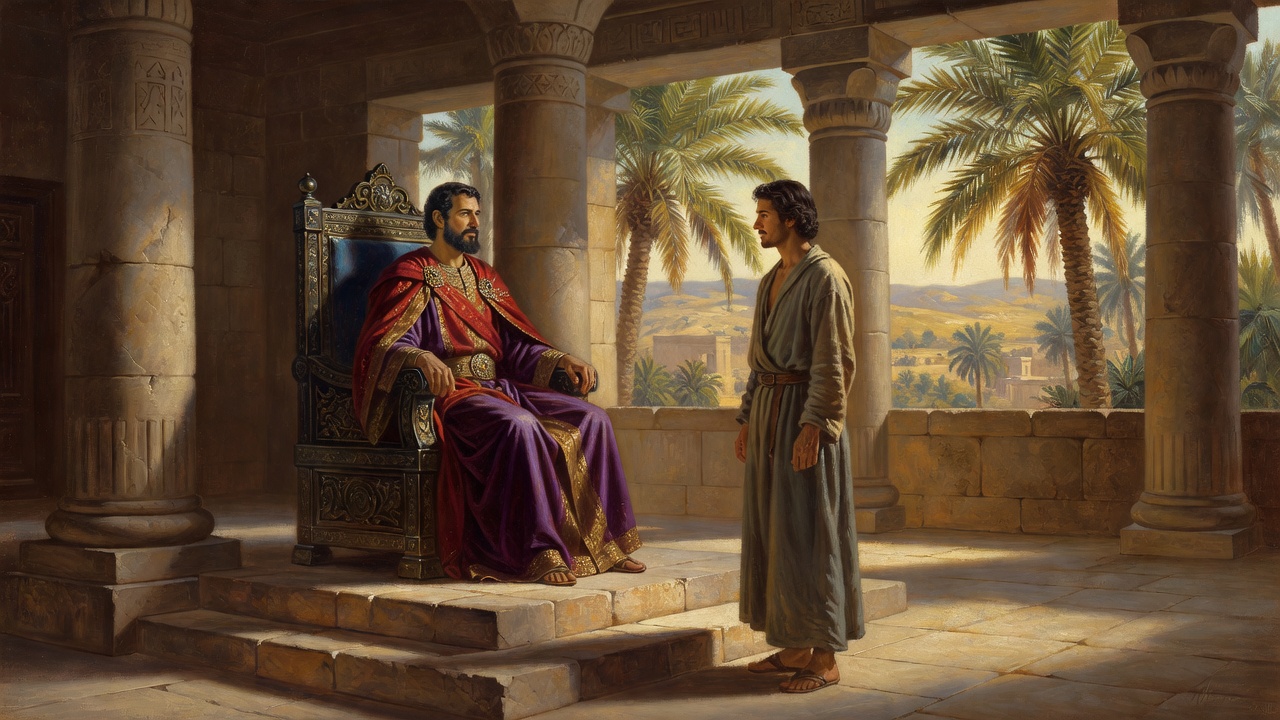
Você sabia?
Os primeiros juízes e a libertação
- Otniel, filho de Quenaz, irmão mais novo de Calebe, é apresentado como o primeiro juiz de Israel. Ele libertou o povo da opressão de oito anos de Cusã-Risataim, rei de Arã-Naaraim (Mesopotâmia), garantindo quarenta anos de paz.Fontes: Othniel · Chushan-rishathaim · o próprio texto bíblico
- Eúde, um benjamita canhoto, ocultou um punhal de dois gumes com um côvado de comprimento na coxa direita sob suas vestes. Isso lhe permitiu surpreender Eglom, o rei de Moabe, que havia se aliado a Amom e Amaleque e dominado a Cidade das Palmeiras (Jericó) por dezoito anos.Fontes: Ehud · Eglon · o próprio texto bíblico
- Depois de Eúde, Sangar, filho de Anate, é mencionado como libertador de Israel ao abater seiscentos filisteus com uma aguilhada de bois, instrumento agrícola pontiagudo usado para conduzir o gado.Fontes: o próprio texto bíblico
Notas escritas com auxílio de IA a partir de fontes abertas (Theographic Bible Metadata, CC BY-SA 4.0; Easton’s Bible Dictionary, domínio público) e revisadas antes de publicar.
Lugares deste capítulo
- Canaan · 32.767, 35.333 · versículo 1
- Mount Baal-hermon · Hoje: Mount Hermon · 33.400, 35.850 · versículo 3
- Mount Lebanon · 34.300, 36.116 · versículo 3
- Mesopotamia · Hoje: Aram-naharaim · 36.864, 39.033 · versículos 8, 10
- Moab · Hoje: Moab 1 · 31.181, 35.701 · versículos 12, 14, 15, 17, 28, 29, 30
- Amalek · 30.648, 34.422 · versículo 13
- Ammon · 31.955, 35.934 · versículo 13
- City of Palms · Hoje: Tell es Sultan · 31.872, 35.445 · versículo 13
- Jericho · Hoje: Tell es Sultan · 31.872, 35.445 · versículo 13
- Jordan · Hoje: Jordan River · 31.761, 35.558 · versículos 26, 28
Só aparecem lugares com identificação de alta confiança (90% ou mais segundo as fontes acadêmicas reunidas pelo OpenBible). Mapa da época: DARE (Digital Atlas of the Roman Empire), CC BY 4.0; mapa atual: © colaboradores do OpenStreetMap; lugares: OpenBible.info (CC BY 4.0).
Créditos e licença desta tradução
Bibeli Gusunɔn Gari
The Holy Bible in the Baatonum language of Benin, also called the Bariba language
copyright © 2013 SIM
Language: Bariba (Baatonum)
Translation by: SIM International
Bariba, Bibeli Gusunɔn Gari
This translation, published by the UEEB/SIM au Benin, was published in 1996.
If you are interested in obtaining a printed copy, please contact the SIM at SIM, BP 15, Parakou, Benin.
This translation text is made available to you under the
terms of the Creative Commons License: Attribution-Noncommercial-No Derivative Works.
( http://creativecommons.org/licenses/by-nc-nd/3.0/ )
In addition, you have permission to port the text to different file formats, as long as you
do not change any of the text or punctuation of the Bible.
You may share, copy, distribute, transmit, and extract portions
or quotations from this work, provided that you include the above copyright
information:
You must give Attribution to the work.
You do not sell this work for a profit.
You do not make any derivative works that change any of the actual words or punctuation of the Scriptures.
Permissions beyond the scope of this license may be
available if you contact
us with your request.
This translation is made available to you under the terms of the
Creative Commons Attribution-Noncommercial-No Derivatives license 4.0.
You may share and redistribute this Bible translation or extracts from it in any format, provided that:
You include the above copyright and source information.
You do not sell this work for a profit.
You do not change any of the words or punctuation of the Scriptures.
Pictures included with Scriptures and other documents on this site are licensed just for use with those Scriptures and documents.
For other uses, please contact the respective copyright owners.
2014-09-10
Fonte: http://ebible.org/bba/ · eBible.org