Oseias 5
Bibeli Gusunɔn Gari · Toque num versículo para ver as referências cruzadas.
1Yinni Gusunɔ u nɛɛ,
bɛɛ yɑ̃ku kowobu, i yenibɑ swɑɑ dɑkio.
Bɛɛ Isirelibɑ, i swɑɑ dɑkio i nɔ.
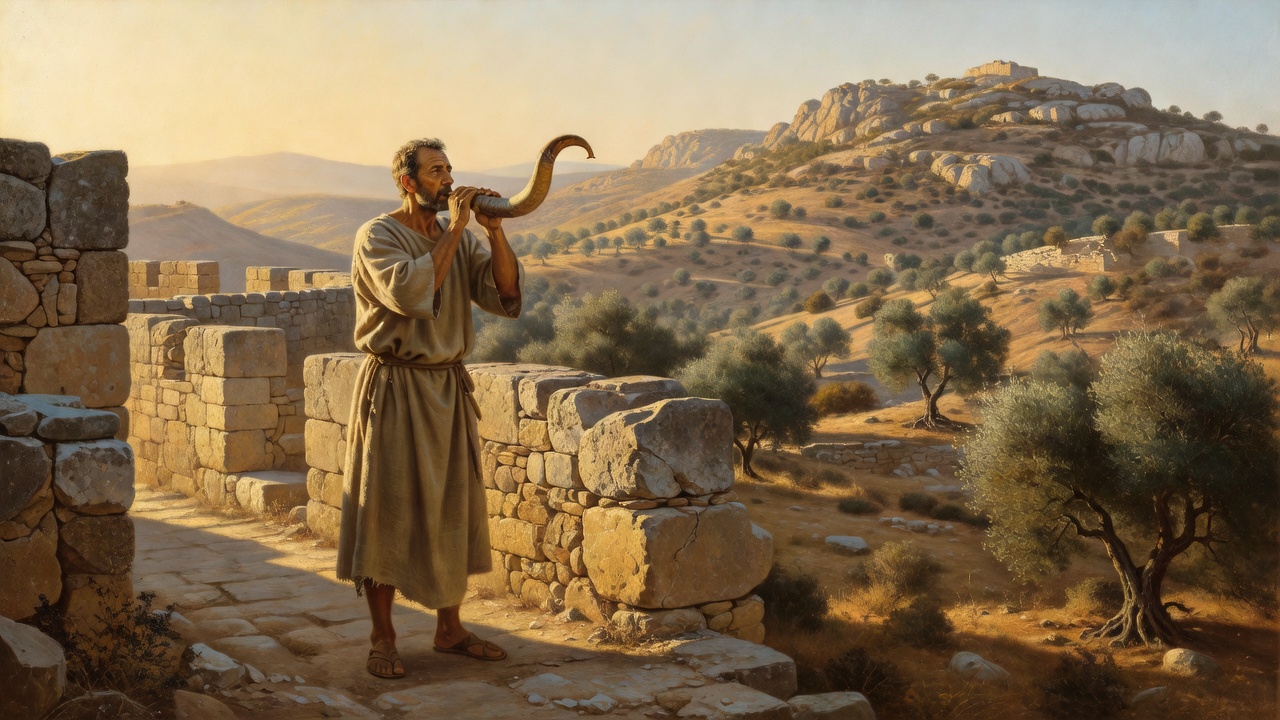
Bɛɛ sinɑ kpɑɑruɡibu, i swɑɑ tem kpĩiyɔ i nɔ.
Bɛɛyɑ siri bini bu kɑ yɑ̃.
Domi i kuɑ tɔmbun yinɑ Misipɑɔ,
mɑ i kuɑ ben tɑɑ Tɑboriɔ.
2Mɑ bɑ mɑn biru kisi bɑ numɑ durum sɔɔ.
Yen sɔ̃, kon bɛɛ kpuro sɛɛyɑsiɑ.
3Nɑ Isirelibɑ yɛ̃wɑ sɑ̃ɑ sɑ̃ɑ.
Ben ɡoo kun mɑn berue.
Wee bɑ dɑ bɑ bũnu ɡɑsirɑ
bɑ tii disi doke.
4Osee u nɛɛ,
bɑ ǹ kpɛ̃ bu mɑɑ wurɑmɑ ben Yinnin mi ben kookoosun sɔ̃.
Domi bũu sɑ̃ɑrun ɡɑsiribu ɡinɑ wɑ̃ɑ ben ɡɔ̃ru sɔɔ.
Mɛyɑ bɑ ǹ mɑɑ wi, Yinni Gusunɔ yɛ̃.
5Isirelibɑn tii suɑbu bu sɔ̃ɔsimɔ mɛ bɑ sɑ̃ɑ.
Bɑ koo wɔrumɑ ben durum sɔ̃.
Yudɑbɑn tii bɑ koo wɔrumɑ kɑ be sɑnnu.
6Sɑnɑm ɡɑm sisi
mɛ̀ sɔɔ bɑ koo bikiɑru dɑ Yinni Gusunɔn mi,
kpɑ bu kɑ nùn yɑ̃ɑnu kɑ kɛtɛbɑ yɑ̃kuru kuɑ.
Adɑmɑ bɑ ǹ nùn wɑsi,
domi u bu deri.
7Beyɑ bɑ nùn tɔnu kɑndu kuɑ.
Domi bɑ dɑ bɑ bii seeɡebɑ mɑrɑ be bɑ ǹ nùn yɛ̃.
Tɛ̃, n ǹ tɛɛmɔ u kɑ bu kɑm koosiɑ be kɑ ben ɑrumɑni.
Gusunɔ u koo de Yudɑbɑ
kɑ Isirelibɑ bu tɑbu ko
8Yinni Gusunɔ u nɛɛ,
i tɑbun kɔbɑ soowo Gibeɑɔ kɑ Rɑmɑɔ.
I tɑbun wurenu koowo Betɛli Afɛniɔ.
Bɛɛ Bɛnyɑmɛɛbɑ, tɑbu durɔbɑ wee bɛɛn birun di.
9Gɑri ɡeeyɑ nɑ Isirelibɑ sɔ̃ɔmɔ.
Dɔmɑ te kon bu sɛɛyɑsiɑ, bɑ koo kɑm kowɑ.
10Wee Yudɑbɑn wiruɡibu bɑ sɑ̃ɑwɑ nɡe be bɑ rɑ tem ɡbɛni
bu kɑ ben tiin tem sosi.
Yen sɔ̃, kon bu nɛn mɔru wisi nɡe nim torɑ.
11Siribu bu Isirelibɑ di, mɑ bɑ bu dɑm dɔremɔ
yèn sɔ̃ bɑ kɑm nɑɑ ɡire.
12Nɑ kon bu di nɡe ɡɛmi.
Kpɑ nɑ n Yudɑbɑ wɑhɑlɑ mɔ̀ nɡe bɑrɑ te tɑ kukunu temmɔ.
13Mɛyɑ Isirelibɑ bɑ tii bɑrɑru wɑɑsi.
Mɑ Yudɑbɑ bɑ ben bosu wɑ.
Mɑ Isirelibɑ bɑ ɡɔrɑ Asiriɔ
bu kɑ sinɑ boko Yɑrɛbu somiru kɑnɑ.
Adɑmɑ u ǹ kpɛ̃ u bu bɛkiɑ
u sere nɛɛ, u koo ben bosu kpeesiɑ.
14Nɑ ko n sɑ̃ɑwɑ nɡe ɡbee sunɔ Isirelibɑ kɑ Yudɑbɑn sɔ̃.
Kon bu wɔri n yɑɑku kpɑ n bu suɑ n kɑ doonɑ.
Goo sɑri wi u koo bu wɔrɑ sɑɑ nɛn nɔmɑn di.
Isirelibɑ bɑ ben durum
tuubɑ kuɑ kɑ murɑfitiru
15Yinni Gusunɔ u nɛɛ,
ǹ n mɛn nɑ, kon bu biru kisi
kpɑ n wurɑ nɛn wɑ̃ɑ yerɔ
sere bu kɑ tubu mɑ bɑ torɑ.
Ben nɔni swɑ̃ɑru tɑ koo de bu mɑn kɑsu
kpɑ bu mɑn somiru kɑnɑ.
Você sabia?
Julgamento sobre os líderes de Israel e Judá
- Oseias denuncia os sacerdotes e a casa real como um laço em Mispá e uma rede estendida sobre o monte Tabor. O monte Tabor é uma montanha cônica e proeminente a oeste do mar da Galileia, e Mispá era um local histórico em Gileade, ambos servindo como marcos geográficos elevados onde a liderança corrompida desencaminhou a nação.Fontes: o próprio texto bíblico · Tabor (Mountain) · Mizpah
- O alarme soar no versículo 8 menciona cidades ao longo das colinas de Benjamim: Gibeá, Ramá e Bete-Áven. Bete-Áven, que significa casa de ídolos ou de nada, era um termo profético depreciativo para Betel, satirizando o culto ao bezerro de ouro ali estabelecido.Fontes: o próprio texto bíblico · Beth-aven · Gibeah · Ramah
- O profeta censura Efraim por recorrer ao grande rei da Assíria para curar suas aflições nacionais em vez de buscar a Deus. Com centro ao longo do rio Tigre, o crescente Império Assírio subjugou o norte da Síria e cobrou tributos por toda a região sob governantes como Tiglate-Pileser.Fontes: o próprio texto bíblico · Assyria · Tilgath-pilneser
Notas escritas com auxílio de IA a partir de fontes abertas (Theographic Bible Metadata, CC BY-SA 4.0; Easton’s Bible Dictionary, domínio público) e revisadas antes de publicar.
Lugares deste capítulo
- Mount Tabor · Hoje: Jebel et Tur · 32.686, 35.393 · versículo 1
- Beth-aven · Hoje: Beitin · 31.923, 35.241 · versículo 8
- Assyria · 36.359, 43.153 · versículo 13
Só aparecem lugares com identificação de alta confiança (90% ou mais segundo as fontes acadêmicas reunidas pelo OpenBible). Mapa da época: DARE (Digital Atlas of the Roman Empire), CC BY 4.0; mapa atual: © colaboradores do OpenStreetMap; lugares: OpenBible.info (CC BY 4.0).
Créditos e licença desta tradução
Bibeli Gusunɔn Gari
The Holy Bible in the Baatonum language of Benin, also called the Bariba language
copyright © 2013 SIM
Language: Bariba (Baatonum)
Translation by: SIM International
Bariba, Bibeli Gusunɔn Gari
This translation, published by the UEEB/SIM au Benin, was published in 1996.
If you are interested in obtaining a printed copy, please contact the SIM at SIM, BP 15, Parakou, Benin.
This translation text is made available to you under the
terms of the Creative Commons License: Attribution-Noncommercial-No Derivative Works.
( http://creativecommons.org/licenses/by-nc-nd/3.0/ )
In addition, you have permission to port the text to different file formats, as long as you
do not change any of the text or punctuation of the Bible.
You may share, copy, distribute, transmit, and extract portions
or quotations from this work, provided that you include the above copyright
information:
You must give Attribution to the work.
You do not sell this work for a profit.
You do not make any derivative works that change any of the actual words or punctuation of the Scriptures.
Permissions beyond the scope of this license may be
available if you contact
us with your request.
This translation is made available to you under the terms of the
Creative Commons Attribution-Noncommercial-No Derivatives license 4.0.
You may share and redistribute this Bible translation or extracts from it in any format, provided that:
You include the above copyright and source information.
You do not sell this work for a profit.
You do not change any of the words or punctuation of the Scriptures.
Pictures included with Scriptures and other documents on this site are licensed just for use with those Scriptures and documents.
For other uses, please contact the respective copyright owners.
2014-09-10
Fonte: http://ebible.org/bba/ · eBible.org