Habacuque 2
Bibeli Gusunɔn Gari · Toque num versículo para ver as referências cruzadas.
1Adɑmɑ nɛ, Hɑbɑkuku nɑ yɔ̃wɑ ɡbɑ̃rɑru wɔllɔ nɛn kɔ̃su yerɔ
nɡe wi u yɔɔru bwɛ̃ɛ,
kpɑ n kɑ nɔ ye Gusunɔ u koo mɑn sɔ̃,
kɑ nɡe mɛ u koo mɑn wisi nɛn weeweenun sɔ̃.
Gusunɔ u Hɑbɑkuku wisɑ
2Yerɑ Yinni Gusunɔ u mɑn wisɑ u nɛɛ,
n ɡɑri yi yoruo yi u mɑn sɔ̃ɔmɔ.
N yi yoruo kpɑsɑsɑ kpee bɛsi sɔɔ.
3Yin tɔ̃rɑ kun ɡinɑ turɑ yi kɑ koorɑ.
Adɑmɑ yi koo koorɑ yin sɑɑ yɑ̀ n turɑ.
Bɑɑ yì n tɛɛmɔ, nɑ n ɡesi yi mɑrɑ.
Domi yi koo koorɑwɑ kɑm kɑm.
4N yoruo mɑ wi u tii sue u ǹ wɑ̃ɑ swɑɑ ɡeɑ sɔɔ.
Adɑmɑ wi u kuɑ ɡemɡii nɑɑnɛ dokebu sɔɔ, u ko n wɑ̃ɑwɑ.
5Wi u tii sue, u ku rɑ sinɛ sɛ̃ɛ.
U rɑ n sɑ̃ɑwɑ nɡe tɑm nɔro,
kpɑ u n nɔɔ wukie nɡe ɡɔribun wɑ̃ɑ yeru.
U ku rɑ debu nɡe ɡɔɔ.
U rɑ n tii bwesenu ɡɑwemɔwɑ u kɑ ko nin yinni.
Bɔ̃rusibu nɔɔbu
6Adɑmɑ bwese ni u mwɛɛrɑ mi,
nu koo nùn seesi nu nùn ɡɑri sɔ̃ kɑ wɔmɑ kɑ mɔnnu, nu nɛɛ,
u kuɑwɑ bɔ̃ruro wi, wi u dukiɑ mɛnnɑmɔ ye yɑ ǹ sɑ̃ɑ wiɡiɑ,
mɑ u ɡɑbun yɑ̃nu ɡurɑmɔ u tɔrubɑ yiimɔ.
Sere sɑɑ yerɑ̀ u ko n mɔ̀ nɡe mɛ.
7Bèn dibu u nɛni, bɑ koo nùn seesi subɑru sɔɔ,
kpɑ bu ɡurɑ ye u mɔ.
8Nɡe mɛ u tɔn dɑbinu wɔri u nin yɑ̃nu ɡurɑ,
nɡe mɛyɑ be bɑ tie, bɑ koo mɑɑ nùn wɔri bu win yɑ̃nu ɡurɑ
yèn sɔ̃ u tɔmbun yɛm yɑri,
mɑ u tem kɑ mɛn wusu kɑ mɛn tɔmbu dɑm dɔre.
9Bɔ̃rurowɑ wi u dukiɑ ɡurɑmɔ
ye yɑ ǹ dɛɛre win berusebun mi,
kpɑ u wɑ u n wɑ̃ɑ ɑye bɛɛrɛɡiru sɔɔ,
mi u ǹ mɑɑ nɔni swɑ̃ɑru wɑsi.
10Adɑmɑ win yɛnun sekurɑ u sɔɔru kuɑ mi,
ye u kɑ bwese dɑbinu ɡo.
Win tiin wɑ̃ɑrɑ u kɑri bɔrie.
11Domi bɑɑ kɑ ɡɑniɔ, yi koo wuri ko yi nùn tɑɑrɛ wɛ̃,
kpɑ kpɛɛrun yɑri yi wuri wurɑ.
12Bɔ̃rurowɑ wi u win wuun kpɛɛkpɛɛku swĩimɔ yɛm wɔllɔ,
mɑ u tɔmbu dɑm dɔremɔ.
13Ye tɔmbɑ mɔ̀ kpuro, yɑ koo dɔ̃ɔ mwɑɑrɑ.
Bɑ tii nɔwiɑ mɔ̀wɑ kɑm sɔɔ.
Gusunɔ wɔllu kɑ tem Yinniwɑ u koo ye kpuro kɑm koosiɑ.
14Sɑɑ ye sɔɔ, Yinni Gusunɔn bɛɛrɛ yɛ̃ru tɑ ko n yibɑwɑ tem sɔɔ
nɡe mɛ nim wɔ̃ku ɡɑ rɑ n nim yibɑ.
15Bɔ̃rurowɑ wi u win beruse tɑm bɔɔbɔm wɛ̃ɛmɔ
mu kɑ nùn ɡo nɡe dɛ̃ɛ, u n yɔ̃ tereru,
kpɑ u nùn sekuru doke u n mɛɛrɑ.
16Yɛ̃ro u tii sekuru dokemɔwɑ mi, n ǹ mɔ bɛɛrɛ.
Win tii u mu nɔruo kpɑ u tereru yɔ̃rɑ.
Yinni Gusunɔ u koo nùn tilɑsi ko
u kɑ win mɔrun nɔrɑ nɔ kpuro,
kpɑ win bɛɛrɛ ye u rɑɑ mɔ yu ɡɔsiɑ sekuru.
17Dɑɑ kɔ̃sɑ ye u kuɑ Libɑniɔ,
yɑ koo wɔri win wiru wɔllɔ.
U yɛɛ ɡo.
Adɑmɑ yɛɛ yi, yi koo nùn nɑndɑsiɑ.
Yeni kpuro yɑ koo nùn deemɑ yɛm mɛ u yɑrin sɔ̃,
kɑ dɑm mɛ u tem mɛ kɑ mɛn wusu kɑ mɛn tɔmbu dɔren sɔ̃.
18Arufɑɑni yerɑ̀ bwɑ̃ɑrokunu nu mɔ tɔnu u kɑ sinɑ u nu seku.
Nu sɑ̃ɑwɑ ni bɑ sekɑ kɑ sisu,
mɑ nu derɑ u weesu nɑɑnɛ sɑ̃ɑ.
Mbɑn sɔ̃nɑ tɔnu u koo win nɑɑnɛ doke bwɑ̃ɑroku ni u sekɑ sɔɔ,
ni, ni nu ǹ kpɛ̃ nu ɡɑri ɡere.
19Bɔ̃rurowɑ wi u dɑ̃ɑ kuku sɔ̃ɔmɔ u mɔ̀, ɡu seewo,
mɑ u kperu sɔ̃ɔmɔ u mɔ̀, tu dom yɑndo.
Yen ɡɑɑ yɑ koo kpĩ yu nùn bwisi kɛ̃?
Geemɑ, u nu wurɑ kɑ sii ɡeesu pote.
Adɑmɑ nu ǹ hunde mɔ, nu n sere wɑ̃ɑru mɔ.
20Yinni Gusunɔ u wɑ̃ɑ win sɑ̃ɑ yee dɛɛrɑrɔ.
Tɔmbu kpuro bu nɔɔ mɑrio win wuswɑɑɔ.
Hɑbɑkukun kɑnɑru
Você sabia?
A visão na muralha e os cinco ais
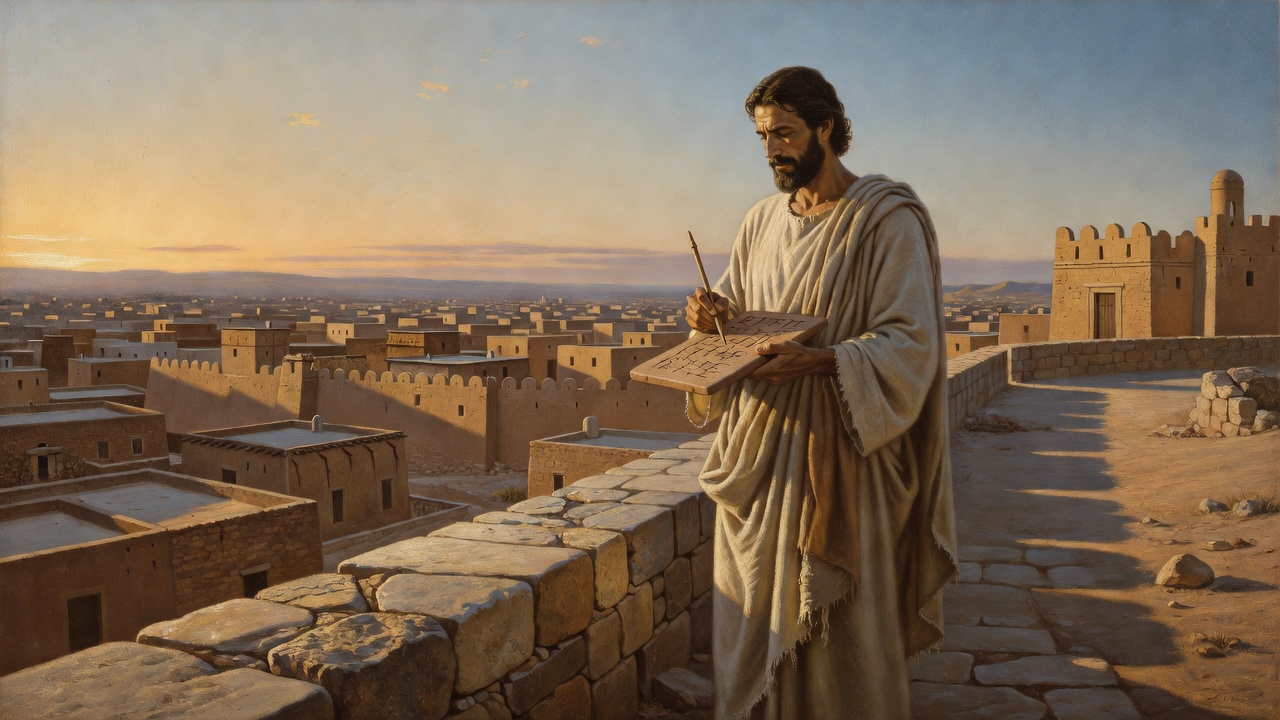
- Habacuque descreve a si mesmo em um posto de guarda sobre as muralhas da cidade para aguardar a resposta de Deus. O SENHOR o instrui a escrever a visão com clareza em tábuas para que um mensageiro possa correr e proclamar a mensagem.Fontes: o próprio texto bíblico
- O capítulo pronuncia uma série de ais contra conquistadores arrogantes que saqueiam nações, constroem cidades com derramamento de sangue, adoram ídolos inertes revestidos de ouro e prata, e devastam o Líbano, uma proeminente cordilheira na Síria.Fontes: Lebanon · o próprio texto bíblico
Notas escritas com auxílio de IA a partir de fontes abertas (Theographic Bible Metadata, CC BY-SA 4.0; Easton’s Bible Dictionary, domínio público) e revisadas antes de publicar.
Lugares deste capítulo
- Lebanon · 33.540, 35.584 · versículo 17
Só aparecem lugares com identificação de alta confiança (90% ou mais segundo as fontes acadêmicas reunidas pelo OpenBible). Mapa da época: DARE (Digital Atlas of the Roman Empire), CC BY 4.0; mapa atual: © colaboradores do OpenStreetMap; lugares: OpenBible.info (CC BY 4.0).
Créditos e licença desta tradução
Bibeli Gusunɔn Gari
The Holy Bible in the Baatonum language of Benin, also called the Bariba language
copyright © 2013 SIM
Language: Bariba (Baatonum)
Translation by: SIM International
Bariba, Bibeli Gusunɔn Gari
This translation, published by the UEEB/SIM au Benin, was published in 1996.
If you are interested in obtaining a printed copy, please contact the SIM at SIM, BP 15, Parakou, Benin.
This translation text is made available to you under the
terms of the Creative Commons License: Attribution-Noncommercial-No Derivative Works.
( http://creativecommons.org/licenses/by-nc-nd/3.0/ )
In addition, you have permission to port the text to different file formats, as long as you
do not change any of the text or punctuation of the Bible.
You may share, copy, distribute, transmit, and extract portions
or quotations from this work, provided that you include the above copyright
information:
You must give Attribution to the work.
You do not sell this work for a profit.
You do not make any derivative works that change any of the actual words or punctuation of the Scriptures.
Permissions beyond the scope of this license may be
available if you contact
us with your request.
This translation is made available to you under the terms of the
Creative Commons Attribution-Noncommercial-No Derivatives license 4.0.
You may share and redistribute this Bible translation or extracts from it in any format, provided that:
You include the above copyright and source information.
You do not sell this work for a profit.
You do not change any of the words or punctuation of the Scriptures.
Pictures included with Scriptures and other documents on this site are licensed just for use with those Scriptures and documents.
For other uses, please contact the respective copyright owners.
2014-09-10
Fonte: http://ebible.org/bba/ · eBible.org