Ezequiel 20
Bibeli Gusunɔn Gari · Toque num versículo para ver as referências cruzadas.
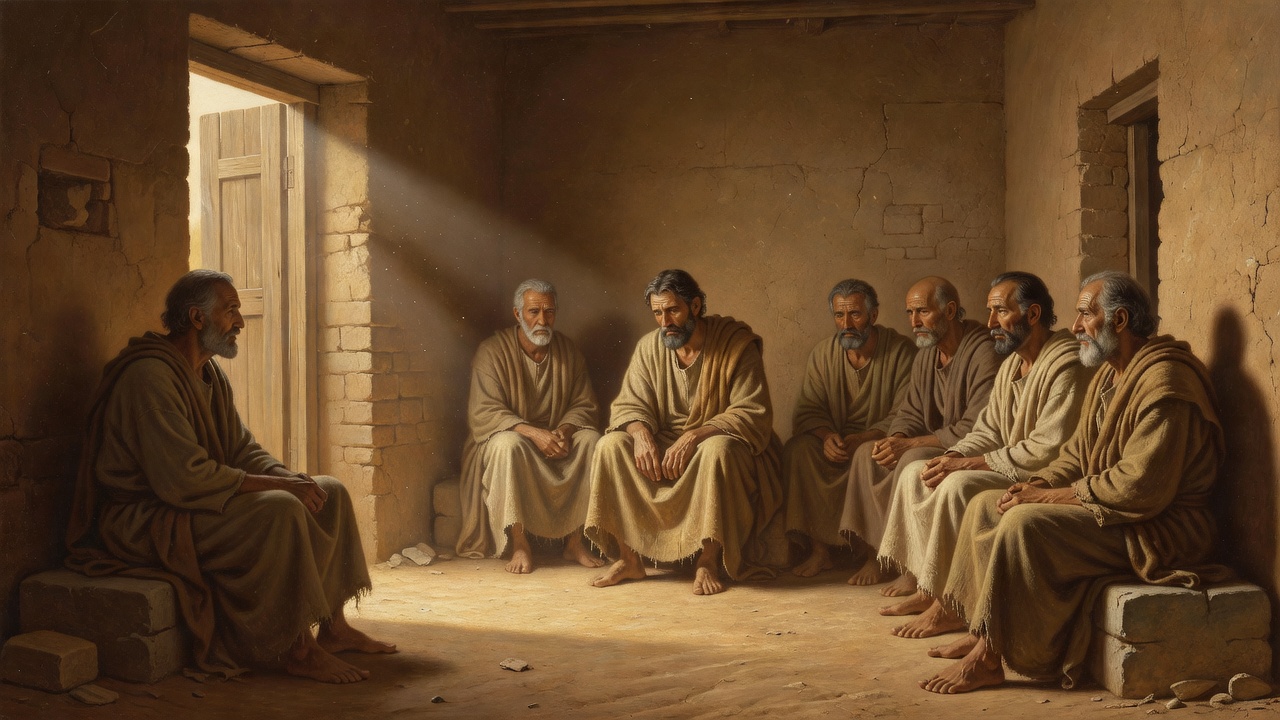
1Sɑnɑm mɛ Isirelibɑ bɑ wɑ̃ɑ yoru sɔɔ Bɑbiloniɔ, yoo ten wɔ̃ɔ nɔɔbɑ yirusen suru nɔɔbusen sɔ̃ɔ wɔkuruse sɔɔrɑ ben ɡuro ɡurobu ɡɑbu bɑ nɑ Esekiɛlin mi u kɑ bu bikiɑru kuɑ Yinni Gusunɔn mi. Mɑ bɑ nɑ bɑ sinɑ win wuswɑɑɔ. 2Yerɑ Yinni Gusunɔ u nɛɛ, 3tɔnun bii, ɑ tɔn beni sɔ̃ɔwɔ ɑ nɛɛ, ɑmɛniwɑ nɛ, Yinni Gusunɔ nɑ ɡerumɔ. Nɑ nɛɛ, n ǹ Isirelibɑ bɑ nɑwɑ bu kɑ nɛn kĩru bikiɑ? Sere kɑ nɛn wɑ̃ɑru nɑ ǹ wurɑmɔ bu mɑn ɡɑ̃ɑnu bikiɑ.
4Tɛ̃ ɑ sɔɔru koowo ɑ kɑ bu siri. A bu yɑɑyɑsio kom kɔ̃sum mɛ ben bɑɑbɑbɑ bɑ mɑn kuɑ. 5Ye nɛ, Yinni Gusunɔ nɑ ɡerumɔ wee. Nɑ nɛɛ, sɑnɑm mɛ nɑ be, Isirelibɑ ɡɔsɑ be, be bɑ sɑ̃ɑ Yɑkɔbun bweseru nɑ bu nɔɔ mwɛɛru kuɑ kɑ bɔ̃ri. Mɑ nɑ bu tii sɔ̃ɔsi Eɡibitiɔ, nɑ bu sɔ̃ɔwɑ nɑ nɛɛ, nɛnɑ nɑ ko n sɑ̃ɑ ben Yinni. 6Yen dɔmɑ terɑ nɑ bu nɔɔ mwɛɛru kuɑ kɑ bɔ̃ri nɑ nɛɛ, kon bu yɑrɑ Eɡibitin di. Kpɑ n kɑ bu dɑ tem mɛ nɑ bu ɡɔsiɑ sɔɔ mi tim kɑ bom mu yibɑ. Tem mɛ, mu sɑ̃ɑwɑ mɛ mu tem kpuro burɑm kere. 7Nɑ bu sɔ̃ɔwɑ nɑ nɛɛ, bɑɑwure u win bũu ɡe u kɔdɛ sɑ̃ɑ derio kpɑ u ku rɑɑ tii disi doke kɑ Eɡibitin bũu ni. Domi nɛnɑ nɑ sɑ̃ɑ Gusunɔ ben Yinni.
8Kɑ mɛ, bɑ mɑn seesi bɑ yinɑ bu mɑn swɑɑ dɑki. Ben ɡoo kun bũu ni deri, nì sɔɔ ben kɔdɛ wɑ̃ɑ. Bɑ ǹ Eɡibitin bũu ni deri. Mɑ nɑ bwisikɑ n bu mɔru kpuro seesi n bu wɔri Eɡibitiɔ. 9Adɑmɑ nɑ bu deri, domi nɑ ǹ kĩ nɛn yĩsiru tu sɑnkirɑ bwese tukunun suunu sɔɔ yèn sɔ̃ nɑ tii bwese tuku ni sɔ̃ɔsi 10sɑnɑm mɛ nɑ Isirelibɑ yɑrɑ Eɡibitin di nɑ kɑ dɑ ɡbɑburɔ. 11Mɑ nɑ bu sɔ̃ɔwɑ ye bɑ koo ko kɑ sere nɛn woodɑbɑ ye bɑ koo swĩi bɑ n kɑ wɑ̃ɑ. 12Nɑ bu tɔ̃ɔ wɛ̃rɑruɡiru wɛ̃ tɑ n sɑ̃ɑ yĩreru te tɑ sɔ̃ɔsimɔ mɑ nɛ, Yinni Gusunɔwɑ nɑ bu wunɑ nɛnɛm. 13Adɑmɑ be Isirelibɑ bɑ mɑn seesi ɡbɑburɔ bɑ ǹ nɛn woodɑbɑ kɑ nɛn ɡere mɛm nɔɔwɛ ye bɑ̀ n swĩi bɑ ko n wɑ̃ɑru mɔ. Mɛyɑ bɑ ǹ mɑɑ nɛn tɔ̃ɔ wɛ̃rɑruɡiru mɛm nɔɔwɛ sere nɑ bwisikɑ n kɑ bu mɔru ko n bu kpeerɑsiɑ ɡbɑburɔ. 14Adɑmɑ nɑ̀ n ye kuɑ, bwese tukunu nu koo nɛn yĩsiru ɡɛm, nìn nɔni biru nɑ bu yɑrɑ Eɡibitin di. 15Yen sɔ̃nɑ ɡbɑburɔ nɑ nɔmu suɑ nɑ bɔ̃ruɑ nɑ nɛɛ, nɑ ǹ mɑɑ kɑ bu dɔɔ tem burɑm mɛ sɔɔ, mi tim kɑ bom mu kokumɔ mɛ nɑ bu nɔɔ mwɛɛru kuɑ. 16Domi bɑ ǹ nɛn woodɑbɑ kɑ nɛn ɡere mɛm nɔɔwɛ. Mɛyɑ bɑ mɑɑ nɛn tɔ̃ɔ wɛ̃rɑruɡii te disi doke yèn sɔ̃ ben ɡɔ̃ru ɡɑ woo bũnun mi ɡiɑ. 17Kɑ mɛ, nɑ ben wɔnwɔndu wɑ nɑ ǹ bu ɡo ɡbɑburɔ.
Isirelibɑ bɑ ǹ ben
mɛm nɔɔbu sɑriru deri
18Nɑ ben bibu sɔ̃ɔwɑ ɡbɑburɔ nɑ nɛɛ, bu ku ben bɑɑbɑbɑn yirɑ swĩi, bu ku ko ye bɑ bu sɔ̃ɔwɑ, bu ku mɑɑ tii disi koosi kɑ ben bũnu. 19Adɑmɑ bu nɛ Gusunɔ ben Yinnin woodɑbɑ kɑ nɛn ɡere swĩiyɔ kpɑ bu kɑ ye kpuro sɔmburu ko. 20Bu nɛn tɔ̃ɔ wɛ̃rɑruɡiru wunɔ nɛnɛm kpɑ tɑ n sɑ̃ɑ yĩreru nɛ kɑ ben bɑɑ sɔɔ, te bɑ koo kɑ ɡiɑ mɑ nɑ sɑ̃ɑwɑ Gusunɔ ben Yinni. 21Adɑmɑ kɑ mɛ, bii be, bɑ mɑn seesi, bɑ ǹ nɛn woodɑbɑ kɑ nɛn ɡere mɛm nɔɔwɛ ye bɑ̀ n swĩi bɑ ko n wɑ̃ɑru mɔ. Bɑ nɛn tɔ̃ɔ wɛ̃rɑruɡiru disi doke. Mɑ nɑ bwisikɑ n kɑ bu nɛn mɔru seesi ɡbɑburu mi. 22Adɑmɑ bwese tukunu nu ku kɑ nɛn yĩsiru ɡɛm sɔ̃, nɑ ǹ bu ɡɑ̃ɑnu kue. Domi bwese nin wuswɑɑɔrɑ nɑ be, Isirelibɑ yɑrɑ Eɡibitin di. 23Gbɑburu miyɑ nɑ nɔmɑ suɑ wɔllɔ nɑ bɔ̃ruɑ nɑ nɛɛ, kon bu yɑrinɑsiɑ bwesenu sɔɔ kɑ tem tukumɔ. 24Domi bɑ ǹ nɛn woodɑbɑ kɑ nɛn ɡere mɛm nɔɔwɛ. Mɑ bɑ nɛn tɔ̃ɔ wɛ̃rɑruɡii te disi doke. Mɑ bɑ ben kɔdɛ doke ben bɑɑbɑbɑn bũnu sɔɔ. 25Nɛnɑ nɑ mɑɑ bu woodɑ wɛ̃ ye yɑ ǹ bu ɡeɑ mɑruɑmmɛ kɑ ye yɑ ǹ bu wɑ̃ɑru wɛ̃ɛmɔ. 26Nɑ derɑ bɑ disi duurɑ ye bɑ kɑ ben bii ɡbiikobu yɑ̃ku dɔ̃ɔ mwɑɑrɑruɡiru mɔ̀, kpɑ nɑnum bu mwɑ kpɑ bu ɡiɑ mɑ nɛnɑ nɑ sɑ̃ɑ Yinni Gusunɔ.
Gusunɔ u koo Isirelibɑn
bũu sɑ̃ɑru kpeesiɑ
27Yinni Gusunɔ u nɛɛ, tɔnun bii, ɑ Isirelibɑ sɔ̃ɔwɔ ɑ nɛɛ, wee ye nɛ, Yinni Gusunɔ nɑ ɡerumɔ. Nɑ nɛɛ, ben bɑɑbɑbɑn tii bɑ mɑn torɑ, bɑ ǹ nɛn ɑrukɑwɑni yibie. 28Nɑ kɑ bu dɑ tem mɛ sɔɔ mɛ nɑ bu nɔɔ mwɛɛru kuɑ nɑ sire kɑ bɔ̃ri. Miyɑ bɑ ben binɛ doke ɡunɡunu ɡiɑ kɑ dɑ̃ɑ kubenu ɡiɑ. Mɑ ye kpuro yɑ kuɑ ben bũu yɑ̃ku yenu. Miyɑ bɑ rɑ yɑ̃ku dɔ̃ɔ mwɑɑrɑruɡinu ko kɑ sere ni bɑ rɑ ko kɑ ɡberun dĩɑnu kɑ tɑm kpɑ bu turɑre dɔ̃ɔ doke. Ye kpuro yɑ derɑ nɛn mɔru seewɑ. 29Mɑ nɑ bu bikiɑ nɑ nɛɛ, mbɑ ɡunɡuu ni, nìn mi i rɑ n nɑɑmɔ. Sɑɑ yen dɔmɑ ten di, bɑ ben yɑ̃ku yenu sokumɔ ɡunɡunu. 30Yen sɔ̃, ɑ bu sɔ̃ɔwɔ ɑ nɛɛ, ɑmɛniwɑ nɛ, Yinni Gusunɔ nɑ ɡeruɑ. Nɑ nɛɛ, bu ku tii disi koosi nɡe ben bɑɑbɑbɑ. Bu ku mɑɑ bũnu ɡɑsiri bu sɑ̃. 31Wee tɛ̃, bɑ tii disi mɔ̀ bɑ bũnu ɡɑsirimɔ bɑ kɑ nu kɛ̃nu dɑɑwɑmmɛ mɑ bɑ kɑ nu ben bibu yɑ̃kunu kuɑmmɛ. Yerɑ bɑ tɑmɑɑ bɑ koo bikiɑru ko nɛn mi? Aɑwo, sere kɑ nɛn wɑ̃ɑru nɑ ǹ wurɑmɔ bu bikiɑru ko nɛn mi. Nɛ, Yinni Gusunɔwɑ nɑ yeni ɡeruɑ. 32Bɑ tɑmɑɑ bɑ koo ko nɡe bwese ni nu tie, kpɑ bɑ n dɑ̃nu kɑ kpenu sɑ̃ɑmɔ. Adɑmɑ n ǹ koorɔ. 33Sere kɑ nɛn wɑ̃ɑru kɑ dɑmɑ kon bu wɔri kpɑ n bu seesi, kpɑ nɑ n bɑndu dii be sɔɔ. 34Kon bu yɑrɑ bwese tuku nin suunu sɔɔn di mi bɑ yɑrinɛ kpɑ n bu mɛnnɑ n bu nɛn dɑm kɑ nɛn mɔru sɔ̃ɔsi. 35Kon kɑ bu dɑ ɡbɑburɔ be tɔnɑ mi ɡoo kun wɑ̃ɑ. Miyɑ kon bu siri. 36Kon bu siri nɡe mɛ nɑ ben sikɑdobɑ siri ɡbɑburɔ sɑnɑm mɛ bɑ wee Eɡibitin di. Nɛ, Yinni Gusunɔwɑ nɑ yeni ɡeruɑ. 37Sɑɑ ye sɔɔ, kon bu tilɑsi ko kɑ sɛnɑ bɑ n kɑ sɑ̃ɑ nɡe nɛn yɑ̃ɑ ɡɔ̃ɔ kpɑ bu ɑrukɑwɑni ye mɛm nɔɔwɑ ye nɑ kɑ bu bɔkuɑ. 38Kon bu wunɑ ben suunu sɔɔn di be bɑ mɑn seesi kɑ be bɑ sɑ̃ɑ tɔn kɔ̃sobu kpɑ n bu yɑrɑ tem mi bɑ wɑ̃ɑn di. Adɑmɑ bɑ ǹ dɔɔ Isireliɔ. Sɑɑ ye sɔɔrɑ be, Isirelibɑ bɑ koo ɡiɑ mɑ nɛnɑ nɑ sɑ̃ɑ Yinni Gusunɔ. 39Tɛ̃, wee ye nɛ, Yinni Gusunɔ nɑ mɑɑ ɡeruɑ ben sɔ̃. Nɑ nɛɛ, bu doo bu ben bũnu sɑ̃. Adɑmɑ ɑmɛn biru, bɑ koo mɑn mɛm nɔɔwɑ. Bɑ ǹ mɑɑ nɛn yĩsiru sɑnkumɔ kɑ ben bũu sɑ̃ɑru. 40Domi Isirelibɑ kpurowɑ bɑ koo mɑn sɑ̃ Isirelin ɡuurɔ te nɑ ɡɔsɑ nɛn sɔ̃. Miyɑ kon kɑ bu nɔnu ɡeu mɛɛri. Kpɑ n bu yɑ̃kunu bikiɑ kɑ kɛ̃ɛ ɡee ni bɑ sɔɔru kuɑ nɛn sɔ̃. 41Nɑ̀ n bu yɑrɑ bwese tukunun suunu sɔɔn di mi bɑ rɑɑ yɑrinɛ mɑ nɑ bu mɛnnɑmɑ, sɑɑ yerɑ kon bu mwɑ nɡe yɑ̃ku nubu duroruɡiru. Bwese tuku ni, nù n wɑ mɛ, kpɑ nu ɡiɑ mɑ nɛnɑ Yinni Gusunɔ Dɛɛro. 42Mɛyɑ ben tii bɑ koo ɡiɑ mɑ nɛnɑ nɑ sɑ̃ɑ Yinni Gusunɔ nɑ̀ n bu kpɑrɑ nɑ kɑ dɑ Isireliɔ mi nɑ ben bɑɑbɑbɑ nɔɔ mwɛɛru kuɑ. 43Bɑ koo bwisiku dɑɑ kɔ̃sɑ ye bɑ kuɑ yellu, yè sɔɔ bɑ tii disi doke kpɑ bu tii tusi kɔ̃sɑ ye bɑ kuɑn sɔ̃. 44Sɑɑ ye sɔɔ, bɑ koo ɡiɑ mɑ nɛnɑ nɑ sɑ̃ɑ Yinni Gusunɔ nɑ̀ n bu sɛɛyɑsiɑ nɛn yĩsirun bɛɛrɛn sɔ̃. N ǹ mɔ ben dɑɑ kɔ̃sɑ ye bɑ kuɑn sɔ̃. Nɛ, Yinni Gusunɔwɑ nɑ yeni ɡeruɑ.
Lɑbɑɑri kɔ̃sɑ Isirelibɑn sɔ̃
Você sabia?
A história de rebelião de Israel e a floresta do Neguebe
- Quando os anciãos de Israel procuraram Ezequiel para consultar a Deus, o profeta foi instruído a não lhes dar resposta direta, mas a expor gerações de idolatria que vinham desde os antepassados no Egito e por todo o deserto.Fontes: o próprio texto bíblico · Egypt
- O capítulo destaca o culto contínuo de Israel em lugares altos não autorizados, chamados coletivamente de Bamá, onde sacrifícios e incenso eram oferecidos de forma ilícita sob árvores frondosas e no topo das colinas.Fontes: o próprio texto bíblico · Bamah
- No final do capítulo, Ezequiel recebe a ordem de profetizar contra o sul, proclamando um fogo inextinguível contra a floresta do Neguebe, a região árida situada ao sul de Judá.Fontes: o próprio texto bíblico · Negeb
Notas escritas com auxílio de IA a partir de fontes abertas (Theographic Bible Metadata, CC BY-SA 4.0; Easton’s Bible Dictionary, domínio público) e revisadas antes de publicar.
Lugares deste capítulo
- Egypt · 30.129, 31.308 · versículos 5, 6, 7, 8, 9, 10, 14, 22, 36
- Negeb · 31.245, 34.841 · versículos 46, 47
Só aparecem lugares com identificação de alta confiança (90% ou mais segundo as fontes acadêmicas reunidas pelo OpenBible). Mapa da época: DARE (Digital Atlas of the Roman Empire), CC BY 4.0; mapa atual: © colaboradores do OpenStreetMap; lugares: OpenBible.info (CC BY 4.0).
Créditos e licença desta tradução
Bibeli Gusunɔn Gari
The Holy Bible in the Baatonum language of Benin, also called the Bariba language
copyright © 2013 SIM
Language: Bariba (Baatonum)
Translation by: SIM International
Bariba, Bibeli Gusunɔn Gari
This translation, published by the UEEB/SIM au Benin, was published in 1996.
If you are interested in obtaining a printed copy, please contact the SIM at SIM, BP 15, Parakou, Benin.
This translation text is made available to you under the
terms of the Creative Commons License: Attribution-Noncommercial-No Derivative Works.
( http://creativecommons.org/licenses/by-nc-nd/3.0/ )
In addition, you have permission to port the text to different file formats, as long as you
do not change any of the text or punctuation of the Bible.
You may share, copy, distribute, transmit, and extract portions
or quotations from this work, provided that you include the above copyright
information:
You must give Attribution to the work.
You do not sell this work for a profit.
You do not make any derivative works that change any of the actual words or punctuation of the Scriptures.
Permissions beyond the scope of this license may be
available if you contact
us with your request.
This translation is made available to you under the terms of the
Creative Commons Attribution-Noncommercial-No Derivatives license 4.0.
You may share and redistribute this Bible translation or extracts from it in any format, provided that:
You include the above copyright and source information.
You do not sell this work for a profit.
You do not change any of the words or punctuation of the Scriptures.
Pictures included with Scriptures and other documents on this site are licensed just for use with those Scriptures and documents.
For other uses, please contact the respective copyright owners.
2014-09-10
Fonte: http://ebible.org/bba/ · eBible.org