Deuteronômio 11
Bibeli Gusunɔn Gari · Toque num versículo para ver as referências cruzadas.
1I Gusunɔ bɛsɛn Yinni kĩɔ kpɑ i win yiirebu kɑ win sɔ̃ɔsinu kɑ win ɡere kɑ win woodɑbɑ mɛm nɔɔwɑ bɑɑdommɑ. 2Tɛ̃, nɑ ǹ kɑ bɛɛn bibu ɡɑri mɔ̀, be, be bɑ ǹ wɑ, bɑ ǹ mɑɑ yɛ̃ nɡe mɛ Gusunɔ bɛsɛn Yinni u win dɑm sɔ̃ɔsisinɑ. Adɑmɑ bɛɛn tiiwɑ nɑ kɑ ɡɑri mɔ̀, bɛɛ be i win kpɑ̃ɑru kɑ win dɑm bɑkɑm seedɑ kuɑ 3kɑ sere mɑɑ mɑɑmɑɑki nɑnumɡiɑ ye u kuɑ u kɑ Eɡibitin sunɔ kɑ win temɡibu kpuro sɛɛyɑsiɑ. 4I yɛ̃ ye u ben tɑbu kowobu kɑ ben dumi kɑ ben tɑbu kɛkɛbɑ kuɑ. U derɑ nim wɔ̃ku ɡe bɑ mɔ̀ Nɑɑ yɑri ɡɑ bu di sɑnɑm mɛ bɑ sun nɑɑ ɡire mɑ u bu kpeerɑsiɑ mɑm mɑm. 5Mɑ u sun kɔ̃su ɡbɑburɔ sere sɑ kɑ tunumɑ mini. 6U derɑ tem mu nɔɔ wukiɑ mu Dɑtɑni kɑ Abirɑmu, Eliɑbun bibu, Rubɛnin bweseru sɔɔ mwɛ kɑ ben yɛnuɡibu kɑ ben kuu bekuruɡinu kɑ be bɑ kɑ bu nɔɔ tiɑ kuɑ kpuro sɑnnu bɛsɛ Isirelibɑ kpuron wuswɑɑɔ. 7Bɛsɛn nɔni yi ɡɑ̃ɑ bɑkɑ ni kpuro wɑ ni Yinni Gusunɔ u kuɑ. 8Yen sɔ̃, i woodɑ be kpuro mɛm nɔɔwɔ be nɑ bɛɛ wɛ̃ɛmɔ ɡisɔ kpɑ i dɑm wɑ i kɑ tem mɛ mwɑ mɛ̀ sɔɔ i ko i du mi, 9kpɑ bɛɛn wɑ̃ɑru tu dɑkɑɑ dɑ tem mɛ sɔɔ, mɛ̀n nɔɔ mwɛɛru Yinni Gusunɔ u kuɑ kɑ bɔ̃ri u nɛɛ, u koo bɛsɛn bɑɑbɑbɑ kɑ ben bibun bweseru wɛ̃, mɛ̀ sɔɔ tim kɑ bom mu yibɑ.
Tem mɛ Yinni Gusunɔ
u nɔɔrimɔ
10Tem mɛ i ko i mwɑ mi, mu ǹ sɑ̃ɑ nɡe Eɡibitin tem mìn di i yɑrimɑ, mi ì n dĩɑnu duurɑ i kpɑ, i rɑ nu nim yɛ̃ke nɡe kɑrɑ mi bɑ kpee duurɑ. 11Tem mɛni, mu sɑ̃ɑwɑ tem ɡuunuɡim kɑ wɔwiɡim mɛ̀ sɔɔ ɡurɑ yɑ rɑ nɛ. 12Gusunɔ bɛsɛn Yinni u rɑ tem mɛ nɔɔriwɑ kpɑ u mu kɔ̃su sɑɑ wɔ̃ɔn torubun di sere ɡen kpeerɔ.
13Ì n woodɑbɑ mɛm nɔɔwɑ be nɑ bɛɛ wɛ̃ɛmɔ ɡisɔ, mɑ i Gusunɔ bɛɛn Yinni kĩɑ mɑ i nùn sɑ̃ɑmɔ kɑ bɛɛn ɡɔ̃ru kpuro kɑ bɛɛn bwɛ̃rɑ kpuro, 14u koo de ɡurɑ yu nɛ yen sɑɑ sɔɔ bɛɛn tem sɔɔ kpɑ ɑlikɑmɑ yu koorɑ i wɑ i ɡɛ̃ kpɑ i mɑɑ dɑ̃ɑ binu sɔri ni bɑ rɑ kɑ tɑm ko kɑ ni bɑ rɑ kɑ ɡum ko. 15U koo mɑɑ de yɑkɑsu su kpi bɛɛn yɑɑ sɑbenun sɔ̃. I ko i mɑɑ deburu wɑ.
16Yen sɔ̃, i n tii sɛ kpɑ i ku rɑ ɡɛrɑ swɑɑ ɡeɑn di i dɑ i bũnu yiirɑ i nu sɑ̃. 17Domi yɑ koo de Yinni Gusunɔ u kɑ bɛɛ mɔru ko, kpɑ u wɔllu kɛnɛ ɡurɑ yu yɔ̃rɑ yu ku mɑɑ nɛ, kpɑ tem mu ku mɑɑ dĩɑnu ko kpɑ i ɡbi mii mii tem ɡem mɛ sɔɔ, mɛ u bɛɛ wɛ̃ɛmɔ. 18Gɑri yi nɑ bɛɛ sɔ̃ɔmɔ, i de yi n wɑ̃ɑ bɛɛn ɡɔ̃ruɔ kɑ bɛɛn nɔɔwɔ. I de yi n ɡbinisi bɛɛn ɡɑ̃senɔ kɑ bɛɛn sirinɔ kpɑ i n kɑ yi yɑɑye. 19I ko i yi bɛɛn bibu keu kowɑ kpɑ i n dɑ bu yin ɡɑri sɔ̃ yɛnusɔ kɑ swɑɑɔ ì n wuu dɔɔ kɑ sɑnɑm mɛ i ko i kpunɑ kɑ sɑnɑm mɛ i seewɑ. 20I yi yoruo bɛɛn diɑn ɡɑmbobɑn kɑdiribɑ sɔɔ kɑ wuu duu yerun kɔnnɔsɔ. 21Ì n kuɑ mɛ, nɡe mɛ̀n nɔɔ wɔllu kɑ tem mu wɑ̃ɑ, nɡe mɛn nɔrɑ Yinni Gusunɔ u koo de bɛɛn wɑ̃ɑru tu dɛnyɑ tem mɛ sɔɔ, mɛ u bɛsɛn bɑɑbɑbɑ nɔɔ mwɛɛru kuɑ kɑ bɔ̃ri u nɛɛ, u koo bu wɛ̃.
22Ì n woodɑ be kpuro mɛm nɔɔwɑ be nɑ bɛɛ wɛ̃ mi, mɑ i kɑ be sɔmburu kuɑ i Gusunɔ bɛsɛn Yinni kĩɑ, mɑ i sĩɑ win swɛɛ kpuro sɔɔ, mɑ i kɑ nùn mɑninɛ mɑm mɑm, 23sɑɑ ye sɔɔrɑ u koo bɛɛ bwese ni kpuro ɡirɑ ni nu bɛɛ dɑm kɑ dɑbiru kere mi, kpɑ i nin tem mwɑ. 24Mi i nɑɑsu sɔndi kpuro mu koo kowɑ bɛɛɡim. Bɛɛn tem mɛn nɔɔ burɑ yerɑ ko n wɑ̃ɑwɑ sɑɑ tem sɑɑrɑn di sɔ̃ɔ yɛ̃sɑn nɔm dwɑrɔ n kɑ dɑ Libɑnin ɡuunɔ sɔ̃ɔ yɛ̃sɑn nɔm ɡeuɔ, sɑɑ mɑɑ dɑɑ bɑkɑ te bɑ mɔ̀ Efɑrɑtin di sɔ̃ɔ yɑri yerɔ, n kɑ ɡirɑri nim wɔ̃ku ɡe bɑ mɔ̀ Mɛditerɑnɛɔ sɔ̃ɔ duu yeru ɡiɑ. 25Goo kun kpɛ̃ u yɔ̃rɑ bɛɛn wuswɑɑɔ u bɛɛ mɑ. Yɑm kpuro mi i ko dɑ tem mɛ sɔɔ, Gusunɔ bɛsɛn Yinni u koo de min tɔmbu bu bɛrum soorɑ kpɑ bɑ n nɑnde bɛɛn sɔ̃ nɡe mɛ u bɛɛ yen nɔɔ mwɛɛru kuɑ.
26I swɑɑ dɑkio i nɔ. Domɑru kɑ bɔ̃ri wee. I ɡɔsio ye i kĩ ɡisɔ. 27Ì n Gusunɔ bɛsɛn Yinnin woodɑbɑ mɛm nɔɔwɑ be nɑ bɛɛ wɛ̃ɛmɔ ɡisɔ, i ko i domɑru wɑ. 28Adɑmɑ ì n yinɑ i win woodɑbɑ mɛm nɔɔwɑ, mɑ i ɡɛrɑ win swɑɑn di ye nɑ bɛɛ sɔ̃ɔsimɔ ɡisɔ, mɑ i dɑ i bũnu sɑ̃wɑ ni i ǹ dɑɑ yɛ̃, i ko i bɔ̃ri wɑ.
29Sɑnɑm mɛ Gusunɔ bɛsɛn Yinni u koo de i du tem mɛ i ko i mwɑ sɔɔ, ɡuu te bɑ mɔ̀ Gɑrisimun wɔllɔwɑ i ko i domɑrun ɡɑri kpɑrɑ kpɑ i mɑɑ bɔ̃rin ɡɑri kpɑrɑ ɡuu te bɑ mɔ̀ Ebɑlin wɔllɔ. 30Guu ni, nu wɑ̃ɑwɑ Yuudɛnin ɡuru ɡiɔ, swɑɑ ye yɑ wɑ̃ɑ sɔ̃ɔ duu yeru ɡiɑn biruɔ, Kɑnɑnibɑn temɔ, be bɑ wɑ̃ɑ Yuudɛnin wɔwɑɔ, Giliɡɑlin deedeeru, Mɔren dɑ̃ɑ sɔ̃ɔn bɔkuɔ. 31I ko i Yuudɛni tɔburɑ i dɑ i tem mɛ mwɑ mɛ Gusunɔ bɛsɛn Yinni u bɛɛ wɛ̃ɛmɔ. Mu koo ko bɛɛɡim kpɑ i sinɑ mi, 32kpɑ i woodɑbɑ kɑ yiirebu kpuro mɛm nɔɔwɑ mɑm mɑm be nɑ bɛɛ wɛ̃ɛmɔ ɡisɔ.
Você sabia?
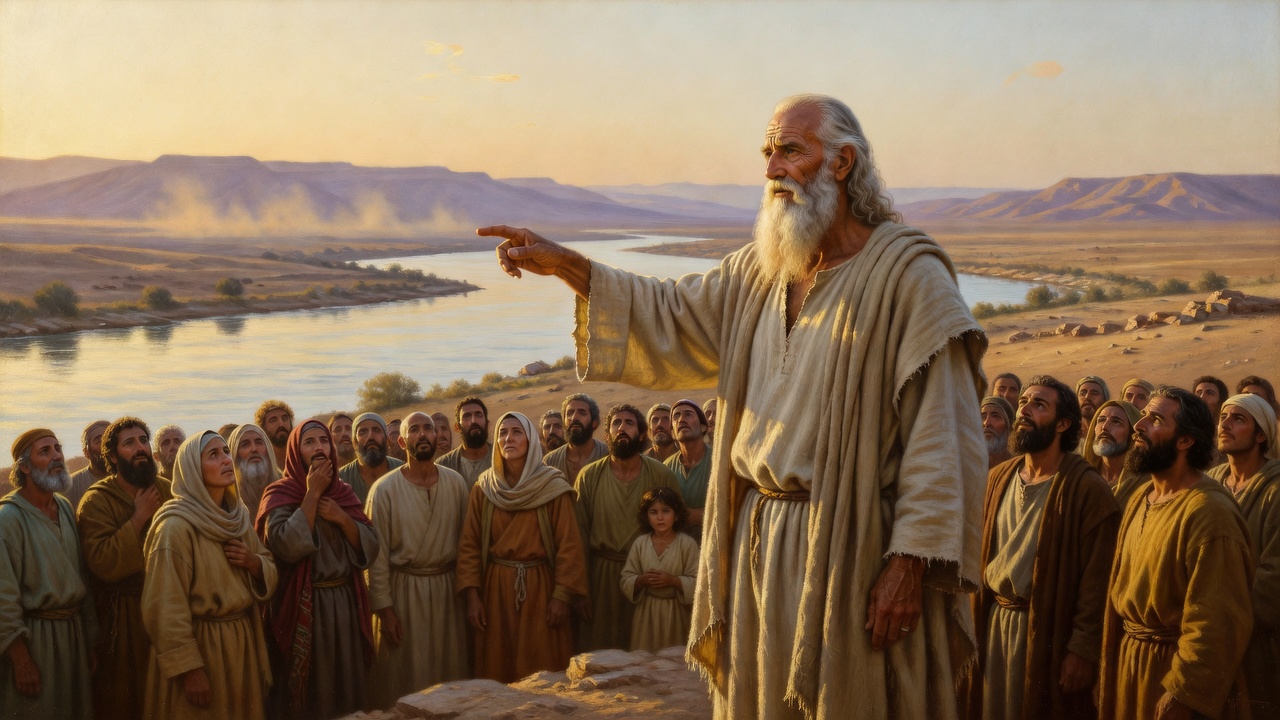
Amor, Obediência e a Terra das Chuvas
- Moisés contrasta a agricultura no Egito com a vida na Terra Prometida. Enquanto a agricultura no vale plano do Nilo dependia da irrigação manual, descrita como regar a pé como uma horta, Canaã era uma terra de montes e vales que dependia inteiramente das chuvas sazonais de outono e primavera.Fontes: o próprio texto bíblico · Egypt
- O discurso apela diretamente à memória viva dos israelitas, lembrando-os do julgamento sobre Datã e Abirão, filhos do rubenita Eliabe. Durante a caminhada no deserto, a terra se abriu e engoliu esses homens com suas famílias e tendas.Fontes: o próprio texto bíblico · Dathan · Abiram (son of Eliab) · Eliab
- A extensão da terra prometida ao povo é descrita desde o deserto meridional até os montes do Líbano, e desde o rio Eufrates até o mar Ocidental. Ao atravessarem o Jordão, a comunidade deveria proclamar as bênçãos sobre o monte Gerizim e as maldições sobre o monte Ebal.Fontes: o próprio texto bíblico · Lebanon · Euphrates · Jordan
Notas escritas com auxílio de IA a partir de fontes abertas (Theographic Bible Metadata, CC BY-SA 4.0; Easton’s Bible Dictionary, domínio público) e revisadas antes de publicar.
Lugares deste capítulo
- Egypt · 30.129, 31.308 · versículos 3, 4, 10
- Jordan · Hoje: Jordan River · 31.761, 35.558 · versículos 8, 11, 30, 31
- Euphrates · Hoje: Euphrates River · 31.004, 47.442 · versículo 24
- Great Sea · Hoje: Mediterranean Sea · 31.805, 34.170 · versículo 24
- Lebanon · 33.540, 35.584 · versículo 24
- Mount Ebal · 32.234, 35.273 · versículo 29
- Mount Gerizim · 32.199, 35.273 · versículo 29
- Arabah · 30.417, 35.151 · versículo 30
- Moreh · Hoje: within 1 km of Tell Balatah · 32.214, 35.282 · versículo 30
Só aparecem lugares com identificação de alta confiança (90% ou mais segundo as fontes acadêmicas reunidas pelo OpenBible). Mapa da época: DARE (Digital Atlas of the Roman Empire), CC BY 4.0; mapa atual: © colaboradores do OpenStreetMap; lugares: OpenBible.info (CC BY 4.0).
Créditos e licença desta tradução
Bibeli Gusunɔn Gari
The Holy Bible in the Baatonum language of Benin, also called the Bariba language
copyright © 2013 SIM
Language: Bariba (Baatonum)
Translation by: SIM International
Bariba, Bibeli Gusunɔn Gari
This translation, published by the UEEB/SIM au Benin, was published in 1996.
If you are interested in obtaining a printed copy, please contact the SIM at SIM, BP 15, Parakou, Benin.
This translation text is made available to you under the
terms of the Creative Commons License: Attribution-Noncommercial-No Derivative Works.
( http://creativecommons.org/licenses/by-nc-nd/3.0/ )
In addition, you have permission to port the text to different file formats, as long as you
do not change any of the text or punctuation of the Bible.
You may share, copy, distribute, transmit, and extract portions
or quotations from this work, provided that you include the above copyright
information:
You must give Attribution to the work.
You do not sell this work for a profit.
You do not make any derivative works that change any of the actual words or punctuation of the Scriptures.
Permissions beyond the scope of this license may be
available if you contact
us with your request.
This translation is made available to you under the terms of the
Creative Commons Attribution-Noncommercial-No Derivatives license 4.0.
You may share and redistribute this Bible translation or extracts from it in any format, provided that:
You include the above copyright and source information.
You do not sell this work for a profit.
You do not change any of the words or punctuation of the Scriptures.
Pictures included with Scriptures and other documents on this site are licensed just for use with those Scriptures and documents.
For other uses, please contact the respective copyright owners.
2014-09-10
Fonte: http://ebible.org/bba/ · eBible.org