Daniel 6
Bibeli Gusunɔn Gari · Toque num versículo para ver as referências cruzadas.
1Mɑ Dɑrusi wi u sɑ̃ɑ Mɛdin bweseru u bɑndu di. Sɑɑ ye, u mɔwɑ wɔ̃ɔ wɑtɑ kɑ yiru.
Dɑniɛlin yibɛrɛbɑ
bɑ nùn yinɑ bɛriɑ
2Dɑrusi u tɔmbu wunɑɑ teeru ɡɔsɑ bɑ n sɑ̃ɑ win tem beri berikɑn wiruɡibu. 3Mɑ u tɔmbu itɑ ɡɔsɑ u bu kuɑ wiruɡii ben tɔnwerobu. Ben miyɑ wiruɡii be, bɑ ko n dɑ nɛ bu ben sɔmɑ tusiɑ. Kpɑ sunɔ u ku rɑɑ kɑ ɑsɑrɑ wɑ. Dɑniɛli u sɑ̃ɑwɑ tɔnwero ben turo. 4U beri berikɑn wiruɡii be, kɑ ben tɔnwerobu bwisi kere. Yen sɔ̃nɑ sinɑ boko u bwisikɑ u nùn ko tem mɛ kpuron wiruɡii. 5Sɑɑ ye sɔɔrɑ Dɑniɛlin tɔnwerosii be, kɑ beri berikɑn wiruɡii be, bɑ nɔɔ tiɑ kuɑ bu kɑ nùn torɑru ɡɑru mɑni sinɑ bokon bɑndun swɑɑ sɔɔ. Adɑmɑ bɑ ǹ torɑru ɡɑru wɑ wi sɔɔ. Domi u sɑ̃ɑwɑ nɑɑnɛɡii, u ǹ kɔ̃sɑ ɡɑɑ koore. U ǹ mɑɑ sɔmburu ɡɑru ɑtɑfiiru koore. 6Yerɑ tɔn be, bɑ nɛɛ, sɑ ǹ ɡɑ̃ɑnu ɡɑnu wɑsi su Dɑniɛli mɑni mɑ n kun mɔ ye yɑ sɑ̃ɑ win Gusunɔ sɑ̃ɑrun ɡɑri bɑɑsi.
7Mɑ bɑ nɔɔ tiɑ kuɑ bɑ dɑ sinɑ bokon mi bɑ nɛɛ, yinni, wunɛn hunde yu dɑkɑɑ dɑ! 8Bɛsɛ beri berikɑn wiruɡibu kɑ tɔnwerobu kɑ siri kowobu kɑ wunɛn wesiɑnɔsibu, bɛsɛ kpurowɑ sɑ nɔɔ tiɑ kuɑ ɑ kɑ woodɑ yɑrɑ ye yɑ ɡerumɔ bɑɑwure u nun sɑ̃ sere sɔ̃ɔ tɛnɑ. Wi u ye yinɑ mɑ u bũu ɡoo ǹ kun mɛ tɔnu ɡoo sɑ̃wɑ sere n kɑ ko sɔ̃ɔ tɛnɑ ye, bɑ koo yɛ̃ro kpɛ̃ɛwɑ wɔru mì sɔɔ ɡbee sinɑnsu wɑ̃ɑ. 9Tɛ̃ yinni, ɑ woodɑ ye sireo ɑ nɔmɑ doke kpɑ yu ko nɡe Mɛdibɑ kɑ Pɛɛsibɑn woodɑ ye bɑ ku rɑ kɔsi.
10Mɑ sinɑ boko u woodɑ ye nɔmɑ doke bɑ ye yɑrɑ.
Bɑ Dɑniɛli kpɛ̃ɛ
ɡbee sinɑnsun wɔruɔ
11Sɑɑ ye Dɑniɛli u nuɑ mɑ bɑ woodɑ ye nɔmɑ doke, yerɑ u dɑ win ɡidɑmbisɑn wɔllɔ u duɑ yen dii sɔɔwɔ ɡèn fɛnɛnti yɑ wukiɑre Yerusɑlɛmun berɑ ɡiɑ. Miyɑ u yiirɑ u kɑnɑru kuɑ u Gusunɔ siɑrɑ nɡe mɛ u rɑ ko tɔ̃ru bɑɑtere nɔn itɑ. 12Yerɑ sɔ̃ɔ teeru tɔn be, bɑ nùn duwi bɑ deemɑ wee u Gusunɔ kɑnɑmɔ u somiru bikiɑmɔ. 13Yen biru, tɔn be, bɑ yɑrɑ bɑ dɑ sinɑ bokon mi bɑ nùn woodɑ ye yɑɑyɑsiɑ bɑ nɛɛ, n ǹ wunɑ ɑ woodɑ yɑrɑ ye yɑ ɡerumɔ bu nun sɑ̃? N ǹ wunɑ ɑ nɛɛ, mɑ ɡoo ù n bũu ɡoo ǹ kun mɛ tɔnu ɡoo sɑ̃wɑ sɔ̃ɔ tɛnɑn bɑɑ sɔɔ, bɑ koo yɛ̃ro kpɛ̃ɛwɑ wɔru ɡe sɔɔ, mi ɡbee sinɑnsu wɑ̃ɑ?
Mɑ sinɑ boko u wurɑ u nɛɛ, woodɑ ye, yɑ wɑ̃ɑwɑ dim dim nɡe mɛ Mɛdibɑ kɑ Pɛɛsibɑn woodɑ yɑ sɑ̃ɑ. N ǹ koorɔ bu ye kɔsi.
14Mɑ bɑ nɛɛ, too, wee, Dɑniɛli wi u sɑ̃ɑ Isirelibɑn turo be bɑ mwɛɛrimɑ Yudɑn di, u ǹ nun ɡɑrisi ɡɑ̃ɑnu, u ǹ mɑɑ wunɛn woodɑ ye ɑ nɔmu doke mi mɛm nɔɔwɛ. U rɑ win Gusunɔ kɑnɛwɑ tɔ̃ru bɑɑtere nɔn itɑ.
15Ye sinɑ boko u ɡɑri yi nuɑ, yerɑ win nukurɑ sɑnkirɑ ɡem ɡem. Mɑ u ɡɔ̃ru doke u Dɑniɛli yɑrɑ woodɑ ye sɔɔn di. Mɑ u kookɑri kuɑ sere sɔ̃ɔ u kɑ duɑ. 16Adɑmɑ tɔn be, bɑ kpɑm mɛnnɑ bɑ dɑ sinɑ bokon mi bɑ nɛɛ, ɑ yɑɑyo mɑ Mɛdibɑ kɑ Pɛɛsibɑn woodɑ yɑ ku rɑ kɔsi sinɑ boko ù n ye nɔmɑ doke.
17Yerɑ sinɑ boko u woodɑ wɛ̃ u nɛɛ, bu Dɑniɛli yɑrɑmɑ bu kpɛ̃ɛ wɔru ɡe sɔɔ, mi ɡbee sinɑnsu wɑ̃ɑ mi. Sɑɑ yerɑ u nùn sɔ̃ɔwɑ u nɛɛ, Gusunɔ wunɛn Yinni wi ɑ sɑ̃ɑmɔ bɑɑdommɑ mi, u nun fɑɑbɑ koowo.
18Mɑ bɑ kpee bɑkɑru tɑmɑ bɑ kɑ wɔru ɡen nɔɔ kɔruɑ. Yerɑ sinɑ boko u win tɑɑbu kɑ win sinɑ ɑsɑkpɔbun yĩreru doke kpee ten wɔllɔ, ɡoo u ku rɑɑ kɑ Dɑniɛli fɑɑbɑ ko. 19Yen biru, u wurɑ win sinɑ kpɑɑrɔ. Wɔ̃ku te, u ǹ di, u ǹ nɔrɑ, u ǹ mɑɑ kpunɛ sinɑni ɡoon bɔkuɔ. Mɛyɑ u ǹ mɑɑ dweeye dɔmɑ te.
Dɑniɛli u yɑrɑ bɑɑni
20Yerɑ sinɑ boko Dɑrusi u seewɑ buru buru yellu u dɑ wɔru ɡen mi fuuku fuuku. 21Ye u yɑm mi turuku kuɑ, yerɑ u Dɑniɛli sokum wɔri kɑ nuku sɑnkirɑnu u mɔ̀, Dɑniɛli Gusunɔn sɔm kowo, Gusunɔ wi ɑ rɑ n sɑ̃ɑmɔ wɛ̃rɑbu sɑri mi, u kpĩɑ u nun wɔrɑ ɡbee sinɑn sin nɔɔn di?
22Sɑɑ yerɑ Dɑniɛli u nùn wisɑ u nɛɛ, yinni, wunɛn hunde yu dɑkɑɑ dɑ! 23Gusunɔ nɛn Yinni u win ɡɔrɑdo ɡɔrimɑ u ɡbee sinɑn sin nɔsu bɔkuɑ. Su ǹ mɑn mɛɛrɑ ɡɑɑ kue domi u wɑ mɑ nɑ ǹ torɑru ɡɑru kue win wuswɑɑɔ kɑ mɑɑ wunɛn wuswɑɑɔ.
24Yerɑ sinɑ bokon nukurɑ dorɑ mɑ u woodɑ wɛ̃ u nɛɛ, bu Dɑniɛli yɑrɑmɑ sɑɑ wɔru ɡen min di. Ye bɑ Dɑniɛli yɑrɑmɑ, bɑ ǹ mɛɛrɑ ɡɑɑ wɑ win wɑsi sɔɔ. Domi u Gusunɔ win Yinni nɑɑnɛ sɑ̃ɑ. 25Mɑ sinɑ boko u woodɑ wɛ̃ u nɛɛ, bu tɔn be bɑ rɑɑ Dɑniɛli tɑɑrɛ wɛ̃ mi mwɑɑmɑ bu kpɛ̃ɛ wɔru ɡe sɔɔ, be kɑ ben bibu kɑ ben kurɔbu kpuro. Tɔn be, bu sere mɑm turi wɔru ɡen temɔ, ɡbee sinɑn si, su bu sɛ̃sukɑwɑ su kukunu kɔsukɑ.
26Yen biru, sinɑ boko u bwesenu kpuro tirenu yoruɑ u nɛɛ, ɑlɑfiɑ yɑ n sosimɔ bɛɛ sɔɔ yɑ n dɔɔ.
27Woodɑ ye nɑ wɛ̃ɛmɔ wee. Be bɑ wɑ̃ɑ nɛn tem sɔɔ kpuro ɡesi, bu de bu Gusunɔ Dɑniɛlin Yinni nɑsiɑ kpɑ bu nùn bɛɛrɛ wɛ̃.
Domi u sɑ̃ɑwɑ wɑso.
U ko n wɑ̃ɑwɑ sere kɑ bɑɑdommɑɔ.
Win bɑndu tɑ ǹ kpeemɔ.
Ten dɑm mu ko n wɑ̃ɑwɑ sere kɑ bɑɑdommɑɔ.
28Wiyɑ u rɑ tɔnu wɔre u fɑɑbɑ ko.
U rɑ mɑɑmɑɑkibɑ kɑ yĩrenu ko wɔllɔ kɑ temɔ.
Wiyɑ u Dɑniɛli wɔrɑ ɡbee sinɑnsun nɔsun di.
29Dɑrusin bɑndun wɑɑti ye sɔɔ, Dɑniɛli u kuɑ tɔn boko sere n kɑ ɡirɑri Sirusi Pɛɛsin bɑndu sɔɔ.
Dɑniɛli u ɡbeeku yɛɛ nnɛ wɑ
dosu sɔɔ
Você sabia?
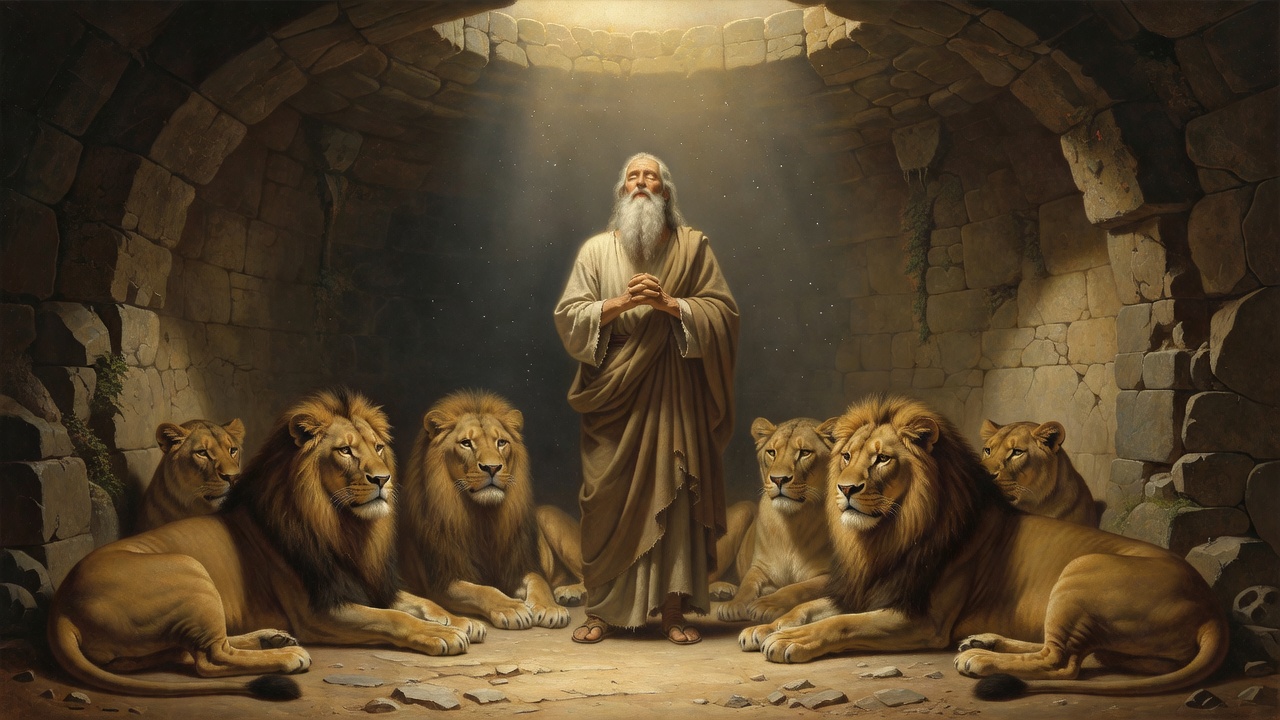
Daniel na cova dos leões
- O capítulo destaca um princípio característico conhecido como a lei dos medos e dos persas, que determinava que um decreto ou ordenança real oficial, uma vez assinado e selado, não podia ser revogado nem alterado, nem mesmo pelo próprio rei.Fontes: o próprio texto bíblico
- Mesmo após décadas no exílio, Daniel manteve o costume de orar três vezes ao dia de joelhos em seu quarto superior, com as janelas abertas em direção a Jerusalém, a cidade santa de Judá.Fontes: o próprio texto bíblico · Jerusalem
- A narrativa descreve uma estrutura administrativa imperial de 120 sátrapas supervisionados por três administradores principais, registrando que Daniel continuou a prosperar sob o rei Dario e até o reinado de Ciro, o Persa, o conquistador da Babilônia.Fontes: o próprio texto bíblico · Cyrus
Notas escritas com auxílio de IA a partir de fontes abertas (Theographic Bible Metadata, CC BY-SA 4.0; Easton’s Bible Dictionary, domínio público) e revisadas antes de publicar.
Lugares deste capítulo
- Jerusalem · 31.777, 35.234 · versículo 10
Só aparecem lugares com identificação de alta confiança (90% ou mais segundo as fontes acadêmicas reunidas pelo OpenBible). Mapa da época: DARE (Digital Atlas of the Roman Empire), CC BY 4.0; mapa atual: © colaboradores do OpenStreetMap; lugares: OpenBible.info (CC BY 4.0).
Créditos e licença desta tradução
Bibeli Gusunɔn Gari
The Holy Bible in the Baatonum language of Benin, also called the Bariba language
copyright © 2013 SIM
Language: Bariba (Baatonum)
Translation by: SIM International
Bariba, Bibeli Gusunɔn Gari
This translation, published by the UEEB/SIM au Benin, was published in 1996.
If you are interested in obtaining a printed copy, please contact the SIM at SIM, BP 15, Parakou, Benin.
This translation text is made available to you under the
terms of the Creative Commons License: Attribution-Noncommercial-No Derivative Works.
( http://creativecommons.org/licenses/by-nc-nd/3.0/ )
In addition, you have permission to port the text to different file formats, as long as you
do not change any of the text or punctuation of the Bible.
You may share, copy, distribute, transmit, and extract portions
or quotations from this work, provided that you include the above copyright
information:
You must give Attribution to the work.
You do not sell this work for a profit.
You do not make any derivative works that change any of the actual words or punctuation of the Scriptures.
Permissions beyond the scope of this license may be
available if you contact
us with your request.
This translation is made available to you under the terms of the
Creative Commons Attribution-Noncommercial-No Derivatives license 4.0.
You may share and redistribute this Bible translation or extracts from it in any format, provided that:
You include the above copyright and source information.
You do not sell this work for a profit.
You do not change any of the words or punctuation of the Scriptures.
Pictures included with Scriptures and other documents on this site are licensed just for use with those Scriptures and documents.
For other uses, please contact the respective copyright owners.
2014-09-10
Fonte: http://ebible.org/bba/ · eBible.org