Atos 9
Bibeli Gusunɔn Gari · Toque num versículo para ver as referências cruzadas.
Sɔɔlun ɡɔ̃ru ɡɔsiɑbu
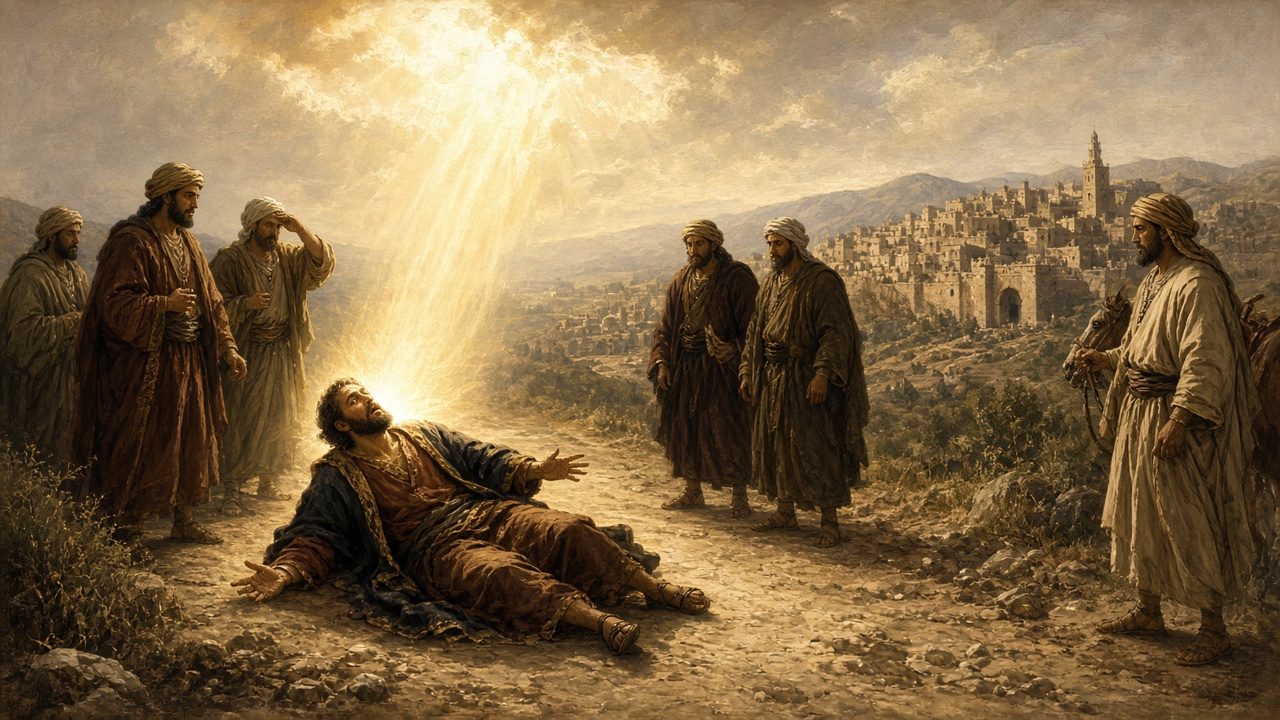
1Sɑnɑm mɛ sɔɔrɑ Sɔɔlu u yɔ̃rɑri dim dim u Yinnin bwɑ̃ɑbu nɔni sɔ̃ u bu ɡo. Mɑ u dɑ yɑ̃ku kowo tɔnweron mi, 2u nùn bikiɑ u Yuubɑn mɛnnɔ yenuɡibu tirenu kuɑ be bɑ wɑ̃ɑ Dɑmɑsiɔ kpɑ ù n ɡɑbu wɑ be bɑ swɑɑ ye swĩi, ǹ n tɔn durɔbun nɑ, ǹ kun mɛ tɔn kurɔbu, u kɑ kpĩ u bu mwɑ u bɔke u kɑ dɑ Yerusɑlɛmuɔ.
3Sɑnɑm mɛ Sɔɔlu u dɔɔ, ye u Dɑmɑsi turuku kuɑ, suɑru sɔɔ yɑm nùn burure wɔllun di. 4Yerɑ u wɔrumɑ temɔ, mɑ u nɔɔ ɡɑɡu nuɑ ɡɑ nɛɛ, Sɔɔlu, Sɔɔlu, mbɑn sɔ̃nɑ ɑ mɑn nɔni sɔ̃ɔmɔ.
5Sɔɔlu u bikiɑ u nɛɛ, Yinni wunɑ were.
Mɑ Yinni nɛɛ, nɛnɑ Yesu wi ɑ nɔni sɔ̃ɔmɔ. 6A seewo ɑ du wuu ɡe sɔɔ, bɑ koo nun sɔ̃ ye kɑɑ ko.
7Durɔ be bɑ sɑnum mɛ dɔɔ kɑ wi, bɑ yɔ̃rɑ bɑ mɑri sɔ̃ɔ sɔ̃ɔ. Bɑ nɔɔ ɡe nuɑ, ɑdɑmɑ bɑ ǹ ɡoo wɑ. 8Sɔɔlu u seewɑ tem di, ɑdɑmɑ bɑɑ mɛ u win nɔni wukiɑ u ǹ yɑm wɑ. Bɑ win nɔmu nɛnuɑwɑ bɑ kɑ duɑ Dɑmɑsiɔ. 9U wɔ̃ko kuɑ sɔ̃ɔ itɑ. U ǹ di sɑɑ ye sɔɔ, u ǹ mɑɑ nɔrɑ.
10N deemɑ nɑɑnɛ dokeo ɡoo wɑ̃ɑ Dɑmɑsiɔ wi bɑ rɑ nɛɛ Anɑniɑ. Yinni u kɑ nùn ɡɑri kuɑ kɑ̃siru sɔɔ u nɛɛ, Anɑniɑ.
Mɑ Anɑniɑ u nɛɛ, nɛ wee Yinni.
11Yinni nùn sɔ̃ɔwɑ u nɛɛ, ɑ seewo ɑ dɑ swɑɑɔ ye bɑ rɑ nɛɛ Dɛndɑru, Yudɑsin dirɔ, ɑ bikiɑ mi durɔ ɡoo wɑ̃ɑ wi bɑ rɑ soku Sɔɔlu Tɑɑsiɡii. Wee, u kɑnɑru mɔ̀. 12Kɑ̃siru sɔɔ u durɔ ɡoo wɑ wi bɑ rɑ nɛɛ Anɑniɑ, wi u duɑ mi u wɑ̃ɑ mɑ u nùn nɔmɑ sɔndi wirɔ u kɑ kpɑm yɑm wɑ.
13Anɑniɑ u nɛɛ, Yinni tɔn dɑbinɑ nu mɑn durɔ win lɑbɑɑri sɔ̃ɔwɑ, kɑ kɔ̃sɑ kpuro ye u wunɛn tɔmbu kuɑ Yerusɑlɛmuɔ. 14Mɑ sɑ nuɑ yɑ̃ku kowo tɔnwerobɑ nùn nɔɔ kɑ̃ u kɑ tɔmbu kpuro mwɑ be bɑ wunɛn yĩsiru sokumɔ mini.
15Adɑmɑ Yinni nùn sɔ̃ɔwɑ u nɛɛ, ɑ doo domi nɑ durɔ wi ɡɔsɑ nɛn sɔmɔ u kɑ nɛn yĩsiru kpɑrɑ tɔn tukobun mi, kɑ sinɑmbu kɑ mɑɑ Isirelibɑn suunu sɔɔ. 16Kon mɑɑ nùn sɔ̃ɔsi nɡe mɛ u koo nɔni swɑ̃ɑru wɑ nɛn yĩsirun sɔ̃.
17Mɑ Anɑniɑ u seewɑ u dɑ u duɑ diru mi, u Sɔɔlun wiru nɔmɑ sɔndi u nɛɛ, Sɔɔlu nɛn beruse, Yinni Yesu wi u nun kure swɑɑɔ sɑnɑm mɛ ɑ sisi, wiyɑ mɑn ɡɔrimɑ ɑ kɑ yɑm wɑ kpɑ ɑ Hunde Dɛɛro yibu.
18Mii mii ɡɑ̃ɑnu wɔrumɑ win nɔnin di nɡe swɑ̃ɑn kokosu, mɑ u kpɑm yɑm wɑ. U seewɑ, mɑ bɑ nùn bɑtɛmu kuɑ. 19Ye u di u kpɑ mɑ win dɑm mu wurɑmɑ.
Sɔɔlu u wɑɑsu mɔ̀ Dɑmɑsiɔ
Mɑ Sɔɔlu u sinɑ sɔ̃ɔ yiru kɑ nɑɑnɛ dokeobu Dɑmɑsiɔ. 20Yɑnde u dɑ Yuubɑn mɛnnɔ yenɔ u wɑɑsu mɔ̀ u ɡerumɔ mɑ Yesu sɑ̃ɑwɑ Gusunɔn Bii. 21Be kpuro be bɑ ɡɑri yi nuɑ, bɑ biti kuɑ bɑ bikiɑnɑ bɑ nɛɛ, n ǹ durɔ wiyɑ mi, wi u rɑɑ be bɑ Yesun yĩsiru sokumɔ ɡoomɔ Yerusɑlɛmuɔ, mɑ u nɑ mini u kɑ bu mwɑ u bɔke u kɑ dɑ yɑ̃ku kowo tɔnwerobun mi?
22Sɔɔlun wɑɑsu yɑ dɑm sosimɔ, u bu sɔ̃ɔsimɔ kɑm kɑm mɑ Yesu u sɑ̃ɑwɑ Kirisi wi Gusunɔ u ɡɔsɑ, sere Yuu be bɑ wɑ̃ɑ Dɑmɑsiɔ bɑ kpɑnɑ bu wi ɡɑri wisi.
23Sɔ̃ɔ mɛɛrun biru Yuubɑ bɑ wesiɑnɑ bu Sɔɔlu ɡo, 24mɑ Sɔɔlu u ɡɑri yi nuɑ. Mɑ bɑ wuu ɡen ɡbɑ̃rɑrun kɔnnɔsu kɔ̃sum wɔri sɔ̃ɔ sɔɔ kɑ wɔ̃kuru bu kɑ nùn wɑ bu ɡon sɔ̃. 25Adɑmɑ wɔ̃kuru sɔɔ, Sɔɔlun bwɑ̃ɑbu bɑ nùn sɑrɑsiɑ kɑ bireru sɑɑ ɡbɑ̃rɑrun fɛnɛnti ɡɑɑn di.
Sɔɔlu wɑ̃ɑ Yerusɑlɛmuɔ
26Ye Sɔɔlu u wurɑmɑ Yerusɑlɛmuɔ u kĩ u kɑ nɑɑnɛ dokeobu mɛnnɑ, ɑdɑmɑ be kpurowɑ bɑ nùn bɛrum sɑ̃ɑ, bɑ ǹ tɑmɑɑ u kuɑ nɑɑnɛ dokeo. 27Yerɑ Bɑɑnɑbɑsi u kɑ nùn dɑ ɡɔrobun mi, mɑ u bu sɔ̃ɔwɑ nɡe mɛ Sɔɔlu u Yinni wɑ Dɑmɑsin swɑɑɔ, mɑ Yinni u kɑ nùn ɡɑri kuɑ. U mɑɑ bu tubusiɑ nɡe mɛ Sɔɔlu u kɑ Yesun yĩsiru wɑɑsu kuɑ kɑ wɔruɡɔru Dɑmɑsiɔ. 28Gɑri yin biru Sɔɔlu u wɑ̃ɑ kɑ be sɑnnu, u bɔsu Yerusɑlɛmuɔ, u wɑɑsu mɔ̀ kɑ wɔruɡɔru Yinnin yĩsiru sɔɔ. 29U mɑɑ kɑ Yuu be bɑ Gɛrɛkim tɔnɑ ɡerumɔ, ɡɑri kuɑ ɡɑsɔ kɑ sikirinɔ, ɑdɑmɑ bɑ swɑɑ kɑsu bu kɑ nùn ɡo. 30Sɑnɑm mɛ wiɡibu bɑ ɡɑri yi nuɑ bɑ kɑ nùn dɑ Sesɑreɔ mɑ bɑ derɑ u doonɑ Tɑɑsiɔ.
31Nɡe mɛyɑ Yesun yiɡbɛru Yudeɑɔ kɑ Gɑlileɔ, kɑ Sɑmɑriɔ, tɑ kɑ ɑlɑfiɑ wɑ, tɑ dɑm mɔ̀, mɑ tɑ sosimɔ tɑ dɔɔ Yinni Gusunɔn nɑsiɑru sɔɔ kɑ Hunde Dɛɛron dɑm kɛ̃ru.
Enɛn bɛkiɑbu
32Piɛɛ u mɑɑ bɔsu bɑɑmɑ kpuro. Yerɑ sɔ̃ɔ teeru u nɑɑnɛ dokeobu berɑm dɑ be bɑ wɑ̃ɑ Lidɑɔ. 33Miyɑ u durɔ ɡoo wɑ, win yĩsirɑ Enɛ. U sɑ̃ɑwɑ yɛmɔ, u ǹ seere win kpin yerun di sɑɑ wɔ̃ɔ nɔɔbɑ itɑn di. 34Piɛɛ u nùn sɔ̃ɔwɑ u nɛɛ, Enɛ, Yesu Kirisiwɑ nun bɛkiɑmɔ, ɑ seewo ɑ wunɛn kpin yeru sɔmɛ.
Mii mii u seewɑ. 35Tɔmbu kpuro be bɑ wɑ̃ɑ Lidɑɔ kɑ Sɑronin bɑru kpɑɑnu sɔɔ bɑ nùn wɑ, mɑ bɑ ɡɔ̃ru ɡɔsiɑ bɑ Yinni nɑɑnɛ doke.
Dɔɔkɑsi u wurɑmɑ ɡɔrin di
36N deemɑ, Yopeɔ tɔn kurɔ nɑɑnɛ dokeo ɡoo wɑ̃ɑ mi, win yĩsirɑ Tɑbitɑ. Teyɑ bɑ mɑɑ mɔ̀ Dɔɔkɑsi kɑ Gɛrɛkim. Kurɔ wi, u rɑ n sɔm ɡeenu mɔ̀ kpɑ u n sɑ̃ɑrobu somimɔ. 37Yerɑ u bɑrɑ u ɡu. Bɑ win ɡoru disi wɔkɑ bɑ kɑ dɑ bɑ kpĩ ɡidɑmbisɑ wɔllɔ. 38Yope kɑ Lidɑ kun tondinɛ, yen sɔ̃nɑ, ye nɑɑnɛ dokeo be bɑ wɑ̃ɑ Yopeɔ bɑ nuɑ mɑ Piɛɛ u wɑ̃ɑ Lidɑɔ, bɑ nùn tɔmbu yiru ɡɔriɑ bu nùn sɔ̃ u nɑ ben mi fuuku fuuku. 39Mɑ Piɛɛ u seewɑ u kɑ bu dɑ. Ye u turɑ mi, bɑ kɑ nùn dɑ ɡidɑmbisɑ yen wɔllɔ. Gɔminibu kpuro bɑ yɔ̃ win bɔkuɔ bɑ sumɔ bɑ nùn yɑbenu kɑ yɑ̃nu ɡɑnu sɔ̃ɔsimɔ ni Dɔɔkɑsi u kuɑ sɑnɑm mɛ u wɑ̃ɑ kɑ be. 40Piɛɛ u be kpuro yɑrɑ dii ten min di mɑ u yiirɑ u kɑnɑru kuɑ. Yen biru u sĩirɑ ɡoo ten berɑ ɡiɑ u nɛɛ, Tɑbitɑ ɑ seewo.
Yerɑ kurɔ wi, u nɔni wukiɑ. Ye u Piɛɛ wɑ u seewɑ u sinɑ. 41Mɑ Piɛɛ u nùn nɔmu nɛnuɑ u seeyɑ u yɔ̃rɑsiɑ. Mɑ u nɑɑnɛ dokeobu kɑ ɡɔmini be sokɑ u bu Dɔɔkɑsi sɔ̃ɔsi wɑsiru. 42Yenin lɑbɑɑri yɑ nɔɔrɑ Yopeɔ kpuro, mɑ tɔn dɑbinu nu Yinni nɑɑnɛ doke. 43Piɛɛ u sɔ̃ɔ mɛɛru kuɑ Yopeɔ, yɑnɑ kowo ɡoon mi, wi bɑ rɑ soku Simɔɔ.
Você sabia?
A conversão de Saulo e o ministério de Pedro
- O perseguidor deste capítulo é chamado Saulo, um homem de Tarso. Saulo era o nome que recebeu na circuncisão, seu nome hebraico em casa; o nome Paulo provavelmente também lhe foi dado na infância, para uso no mundo gentio. Tarso, capital da Cilícia, província romana no sudeste da Ásia Menor, ficava às margens do rio Cidno, navegável até ali, distinguia-se pela riqueza do comércio com as terras do Mediterrâneo e com o centro da Ásia Menor, e era sede de uma famosa universidade, cujas escolas são descritas como rivais das de Atenas e Alexandria.Fontes: Paul · Tarsus · o próprio texto bíblico
- Damasco, cidade à qual Saulo se aproximava com cartas do sumo sacerdote para levar a Jerusalém, como prisioneiros, homens e mulheres do Caminho, é descrita como a mais antiga das cidades do Oriente e a capital da Síria, a cerca de 133 milhas ao norte de Jerusalém. Ananias foi enviado à casa de Judas, um judeu de Damasco, na rua chamada Direita, uma rua longa e larga que corria de leste a oeste por cerca de uma milha e formava a principal via da cidade, diferente das ruas estreitas e irregulares habituais nas cidades do Oriente. Essa rua é identificada com a rua dos bazares, onde se tem apontado uma chamada casa de Judas.Fontes: Damascus · Straight Gate · Judas (Jew of Damascus) · o próprio texto bíblico
- Lida, onde Pedro encontrou Eneias, paralítico e acamado havia oito anos, ficava a cerca de nove milhas a leste de Jope, na estrada daquele porto para Jerusalém. Jope ficava sobre um promontório arenoso, a cerca de trinta milhas a noroeste de Jerusalém, e era o principal porto marítimo da Judeia. Ali a discípula Tabita também é chamada Dorcas, nome grego que significa gazela; era conhecida por obras de bondade e caridade, e as viúvas mostraram a Pedro as túnicas e as outras roupas que ela havia feito.Fontes: Lydda · Joppa · Dorcas · o próprio texto bíblico
Notas escritas com auxílio de IA a partir de fontes abertas (Theographic Bible Metadata, CC BY-SA 4.0; Easton’s Bible Dictionary, domínio público) e revisadas antes de publicar.
Lugares deste capítulo
- Damascus · 33.511, 36.306 · versículos 2, 3, 8, 10, 19, 22, 27
- Jerusalem · 31.777, 35.234 · versículos 2, 13, 21, 26, 28
- Straight Street · 33.509, 36.311 · versículo 11
- Tarsus · 36.913, 34.892 · versículos 11, 30
- Caesarea · Hoje: Caesarea Maritima · 32.500, 34.892 · versículo 30
- Galilee · 32.760, 35.527 · versículo 31
- Judea · Hoje: Judea 1 · 31.777, 35.234 · versículo 31
- Samaria · Hoje: Samaria 2 · 32.276, 35.195 · versículo 31
- Lod · 31.950, 34.900 · versículos 32, 35, 38
- Sharon · Hoje: Sharon Plain · 32.400, 34.883 · versículo 35
- Joppa · Hoje: Jaffa · 32.054, 34.753 · versículos 36, 38, 42, 43
Só aparecem lugares com identificação de alta confiança (90% ou mais segundo as fontes acadêmicas reunidas pelo OpenBible). Mapa da época: DARE (Digital Atlas of the Roman Empire), CC BY 4.0; mapa atual: © colaboradores do OpenStreetMap; lugares: OpenBible.info (CC BY 4.0).
Créditos e licença desta tradução
Bibeli Gusunɔn Gari
The Holy Bible in the Baatonum language of Benin, also called the Bariba language
copyright © 2013 SIM
Language: Bariba (Baatonum)
Translation by: SIM International
Bariba, Bibeli Gusunɔn Gari
This translation, published by the UEEB/SIM au Benin, was published in 1996.
If you are interested in obtaining a printed copy, please contact the SIM at SIM, BP 15, Parakou, Benin.
This translation text is made available to you under the
terms of the Creative Commons License: Attribution-Noncommercial-No Derivative Works.
( http://creativecommons.org/licenses/by-nc-nd/3.0/ )
In addition, you have permission to port the text to different file formats, as long as you
do not change any of the text or punctuation of the Bible.
You may share, copy, distribute, transmit, and extract portions
or quotations from this work, provided that you include the above copyright
information:
You must give Attribution to the work.
You do not sell this work for a profit.
You do not make any derivative works that change any of the actual words or punctuation of the Scriptures.
Permissions beyond the scope of this license may be
available if you contact
us with your request.
This translation is made available to you under the terms of the
Creative Commons Attribution-Noncommercial-No Derivatives license 4.0.
You may share and redistribute this Bible translation or extracts from it in any format, provided that:
You include the above copyright and source information.
You do not sell this work for a profit.
You do not change any of the words or punctuation of the Scriptures.
Pictures included with Scriptures and other documents on this site are licensed just for use with those Scriptures and documents.
For other uses, please contact the respective copyright owners.
2014-09-10
Fonte: http://ebible.org/bba/ · eBible.org