2 Reis 5
Bibeli Gusunɔn Gari · Toque num versículo para ver as referências cruzadas.
1Nɑmɑni u sɑ̃ɑwɑ Sirin sinɑ bokon tɑbu sunɔ, mɑ u sɑ̃ɑ tɔn boko bɛɛrɛɡii win yinnin nɔni sɔɔ. Domi win min diyɑ Yinni Gusunɔ u derɑ Siriɡibu bɑ nɑsɑrɑ wɑ. Adɑmɑ tɑbu durɔ wi, u bɑrɑ disiɡiru mɔ win wɑsi sɔɔ. 2N deemɑ Siriɡibu bɑ Isirelibɑn bii wɔndiɑ ɡoo mwɑɑmɑ sɑnɑm mɛ bɑ kɑ Isirelibɑ tɑbu kuɑ. Bii wiyɑ, u rɑ n wɑ̃ɑ Nɑmɑnin kurɔn mi. 3Sɔ̃ɔ teeru bii wi, u kurɔ wi sɔ̃ɔwɑ u nɛɛ, nɛn yinni ù n dɑɑ dɑ Gusunɔn sɔmɔ wi u wɑ̃ɑ Sɑmɑriɔn mi u koo nùn bɛkiɑ.
4Ye Nɑmɑni u ɡɑri yi nuɑ, yerɑ u seewɑ u dɑ u win yinni sinɑ boko sɔ̃ɔwɑ u nɛɛ, mɛni kɑ mɛniwɑ bii wɔndiɑ wi sɑ mwɑɑmɑ Isirelibɑn tem di u ɡeruɑ. 5Mɑ sinɑ boko wi, u nùn sɔ̃ɔwɑ u nɛɛ, ǹ n mɛn nɑ, ɑ de ɑ dɑ Sɑmɑri mi, kpɑ n Isirelibɑn sinɑ boko tireru yoruɑ n nun wɛ̃.
Mɑ Nɑmɑni u seewɑ u sii ɡeesu suɑ kilo ɡoobɑ wunɔbu (300), kɑ wurɑ kilo wɑtɑ kɑ yɑbe kumboorosu wɔkuru. 6Ye u turɑ mi, yerɑ u tire te Isirelibɑn sinɑ boko wɛ̃. Ye tɑ ɡeruɑ wee. Sinɑ boko, tire teni tɑ̀ n wunɛn nɔmu duɑ, ɑ n yɛ̃ mɑ nɛnɑ nɑ nɛn tɑbu sunɔ Nɑmɑni suremɑ wunɛn mi, ɑ kɑ nùn win bɑrɑ disiɡiru bɛkiɑ. 7Sɑɑ ye Isirelibɑn sinɑ boko u tire te ɡɑrɑ u kpɑ, yerɑ u win tiin yɑberu nɛnuɑ u kɑrɑnɑ nuku sɑnkirɑnun sɔ̃. U nɛɛ, nɑ rɑ ko Gusunɔ, wi u rɑ ɡo kpɑ u wure u wɑ̃ɑru wɛ̃? Mbɑn sɔ̃nɑ u mɑn durɔ wi suremɑ n nùn bɛkiɑ. Bɛɛn tii i mɛɛrio i ǹ wɑ mɑ u mɑn nɔɔ kɑsuwɑ?
8Sɑɑ ye Elisee Gusunɔn sɔmɔ u nuɑ sinɑ boko u win tiin yɑberu kɑrɑnɑ yerɑ u nùn ɡɔriɑ u nɛɛ, mbɑn sɔ̃nɑ ɑ kuɑ mɛ. A de Nɑmɑni u nɑ nɛn mi, kpɑ u ɡiɑ mɑ Gusunɔn sɔmɔ u wɑ̃ɑ Isireliɔ.
9Mɑ Nɑmɑni u seewɑ u dɑ mi kɑ dumi kɑ win tɑbu kɛkɛ yi dumi ɡɑwe. Mɑ u dɑ u yɔ̃rɑ Eliseen yɛnun kɔnnɔwɔ. 10Yerɑ Elisee u sɔmɔ ɡɔrɑ u nɛɛ, ɑ doo ɑ Nɑmɑni sɔ̃ u doo u num nɔn nɔɔbɑ yiru Yuudɛnin dɑɑrun nim sɔɔ. Win wɑsi koo wurɑmɑ nɡe mɛ yi rɑɑ sɑ̃ɑ, kpɑ u dɛɛrɑ.
11Ye Nɑmɑni u yeni nuɑ, yerɑ u mɔru bɑrɑ mɑ u ɡɔsirɑ u doonɔ u mɔ̀, nɑ rɑɑ tɑmɑɑ u koo yɑrimɑwɑ u yɔ̃rɑ nɛn wuswɑɑɔ u Gusunɔ win Yinni kɑnɑ, kpɑ u win nɔmɑ sɑɑsi mi nɛn bɑrɑ te, tɑ wɑ̃ɑ u mɑn bɛkiɑ. 12Dɑmɑsin dɑɑ ni bɑ mɔ̀ Abɑnɑ kɑ Pɑripɑri, nin nim kun Isirelibɑn dɑɑrun nim burɑm kere? Nɑ ǹ kon dɑ n wobure mi kpɑ n dɛɛrɑ?
Mɑ u sĩirɑ u doonɔ kɑ mɔru. 13Adɑmɑ win bwɑ̃ɑbu bɑ nùn susi, mɑ bɑ nùn dɑm kɑ̃ bɑ nɛɛ, bɑɑbɑ, Gusunɔn sɔmɔ wi, ù n dɑɑ nun ɡɑ̃ɑnu bikiɑ ni nu sɛ̃, ɑ ǹ kɑɑ ko? Ǹ n mɛn nɑ, yerɑ kɑɑ kpɑnɑ ɑ dɑ ɑ wobure ɑ kɑ dɛɛrɑ?
14Yerɑ u sɑrɑ u duɑ nim mɛ sɔɔ u numɑ nɔn nɔɔbɑ yiru nɡe mɛ Gusunɔn sɔmɔ wi, u rɑɑ nùn sɔ̃ɔwɑ. Mɑ win wɑsin ɡɔnɑ yɑ wɛ̃rɑ nɡe bii piibuɡiɑ mɑ u dɛɛrɑ. 15Yen biru u ɡɔsirɑmɑ Eliseen mi, kɑ win tɔn be bɑ nùn swĩi kpuro. Ye bɑ turɑ mi, yerɑ u yɔ̃rɑ Eliseen wuswɑɑɔ u nɛɛ, nɑ ɡiɑ tɛ̃, mɑ Yinni ɡoo sɑri tem kpuro sɔɔ mɑ n kun mɔ Gusunɔ Isirelibɑn Yinni. Yen sɔ̃, ɑ suuru koowo ɑ nɛn kɛ̃ru mɔɔ.
16Mɑ Elisee u nùn wisɑ u nɛɛ, sere kɑ Yinni Gusunɔ wi nɑ sɑ̃ɑmɔn wɑ̃ɑru nɑ ǹ wunɛn kɛ̃ɛ te mwɑɑmɔ.
Nɑmɑni u nùn kɔkurɑ. Kɑ mɛ, u yinɑ.
17Yerɑ Nɑmɑni u nɛɛ, yinni, wee ɑ nɛn kɛ̃nu yinɑ. A de n tem sɔkɑ kɛtɛkunu yirun sɔmunun sɑkɑ n kɑ dɑ nɛn yɛnuɔ. Domi nɑ ǹ mɑɑ kĩ n yɑ̃ku dɔ̃ɔ mwɑɑrɑruɡinu ǹ kun mɛ siɑrɑbuɡinu ko ɡɑ̃ɑnu ɡɑnun nuurɔ, mɑ n kun mɔ Yinni Gusunɔn mi. 18Adɑmɑ Yinni Gusunɔ u mɑn suuru kuɑ, nɑ̀ n nɛn yinni Sirin sunɔn nɔmɑ nɛnuɑ su kɑ dɑ bũu wi bɑ rɑ soku Rimɔɔn dirɔ, mɑ nɑ yiirɑ kɑ wi sɑnnu mi.
19Elisee u nùn sɔ̃ɔwɑ u nɛɛ, ɑ doo kɑ bɔri yɛndu.
Mɑ u doonɑ.
Gehɑsin torɑru
Ye Nɑmɑni u doonɑ Eliseen min di u tondɑ fiiko, 20yerɑ Gehɑsi Eliseen ɑluwɑɑsi wi, u bwisikɑ u nɛɛ, wee, nɛn yinni kun Nɑmɑni Siriɡii wi ɡɑ̃ɑnu mwɑɑri ni u kɑ nɑ sɔɔ. Yen sɔ̃, sere kɑ Yinni Gusunɔn wɑ̃ɑru kon nùn nɑɑ ɡirɑwɑ kpɑ n nùn ɡɑ̃ɑnu mwɑɑri. 21Yerɑ Gehɑsi u Nɑmɑni nɑɑ ɡirɑ. Ye Nɑmɑni u nùn wɑ u bu nɑɑ ɡire biruɔ, yerɑ u yɔ̃ɔwɑ sɑɑ win tɑbu kɛkɛn di u surɑ, u nɑ u kɑ Gehɑsi yinnɑ. Mɑ u nùn bikiɑ u nɛɛ, n kɑ do mɛ?
22Gehɑsi u nùn wisɑ u nɛɛ, n do ɡbɑ̃ɑ ɡbɑ̃ɑ. Nɛn yinniwɑ u mɑn ɡɔrimɑ. U nɛɛ, wee ye yɑ nùn deemɑ. Gusunɔn sɔmɔn bwɑ̃ɑbu yiru ɡɑbɑ nɑ sɑɑ Efɑrɑimun ɡuurun berɑn di. A be nùn sii ɡeesun kilo tɛnɑ kɑ yɑbe ɡeenu yiru wɛ̃ɛmɑ ben sɔ̃.
23Nɑmɑni u nùn kɔkurɑ u nɛɛ, ɑ yɑnde kilo wɑtɑ suo.
Mɑ u sii ɡee si doke sɑɑki yiru sɔɔ, mɑ u nùn yɑbenu yiru ye wɛ̃. Yerɑ u win ɑluwɑɑsibɑ sɔɔ, tɔnu yiru wunɑ bu kɑ nùn ye dɑɑwɑ. 24Ye bɑ turɑ ɡuuru mi Elisee u wɑ̃ɑ, yerɑ Gehɑsi u kɛ̃ɛ ni mwɑ sɑɑ tɔn ben min di u kɑ dɑ win dirɔ. Mɑ u derɑ bɑ ɡɔsirɑ bɑ doonɑ.
25Yen biru u dɑ u win yinni Elisee deemɑ. Mɑ Elisee u nùn bikiɑ u nɛɛ, Gehɑsi, mɑn diyɑ ɑ wee mɛ.
U nùn wisɑ u nɛɛ, nɑ ǹ ɡɑm de ni.
26Adɑmɑ Elisee u nùn sɔ̃ɔwɑ u nɛɛ, ɑ tɑmɑɑ nɛn bwɛ̃rɑ kun kɑ nun wɑ̃ɑ mi, sɑɑ ye durɔ wi, u yɔ̃ɔwɑ u surɑ win tɑbu kɛkɛn di u kɑ nun yinnɑ? Sɑɑ yeni sɔɔrɑ kɑɑ sii ɡeesu mwɑ kpɑ ɑ kɑ yɑbenu kɑ olifin dɑ̃ɑ ɡbɑɑnu dwe, kɑ resɛm mɑrum kɑ yɑɑ sɑbenu kɑ sɔm kowobu? 27Tɛ̃, Nɑmɑnin bɑrɑ disiɡii te, tɑ koo wurɑ wunɛ kɑ wunɛn bweseru kpuro sɔɔ, sere kɑ bɑɑdommɑɔ.
Mɑ Gehɑsi u doonɑ Eliseen min di, kɑ bɑrɑ disiɡii te. Mɑ tɑ win wɑsin ɡɔnɑ bururɑsiɑ.
Gbɑ̃ɑ yɑrɑ ye yɑ wɔri
nim bwerɔ
Você sabia?
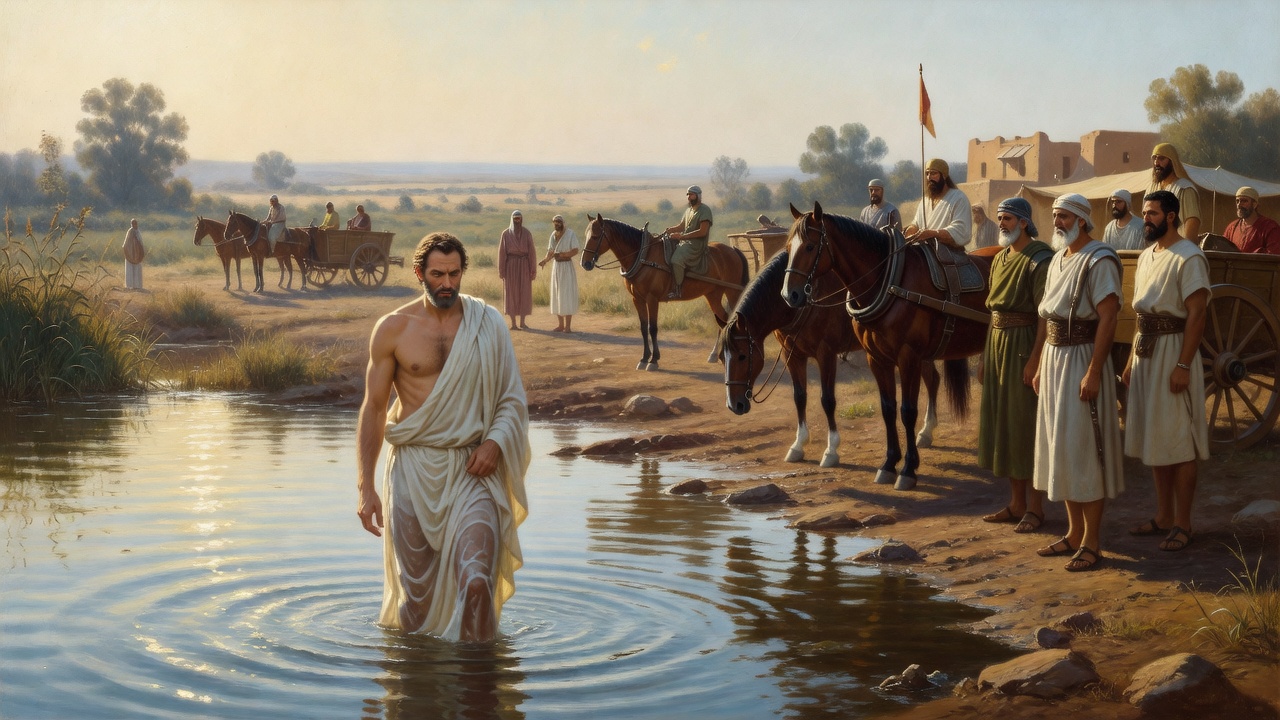
A cura de Naamã
- Quando Eliseu mandou Naamã se lavar no Jordão, o comandante ficou indignado, afirmando que o Abana e o Farfar, os rios de Damasco, eram melhores do que todas as águas de Israel.Fontes: o próprio texto bíblico · Abana · Pharpar
- Após ser curado de sua lepra, Naamã pediu a quantidade de terra de Israel que duas mulas pudessem carregar, para oferecer sacrifícios exclusivamente ao SENHOR ao retornar a Arã.Fontes: o próprio texto bíblico · Naaman
- Geazi, o servo de Eliseu, perseguiu Naamã para pedir prata e vestes sob pretextos falsos, fazendo com que Eliseu declarasse que a lepra de Naamã se apegaria a Geazi e aos seus descendentes.Fontes: o próprio texto bíblico · Gehazi
Notas escritas com auxílio de IA a partir de fontes abertas (Theographic Bible Metadata, CC BY-SA 4.0; Easton’s Bible Dictionary, domínio público) e revisadas antes de publicar.
Lugares deste capítulo
- Syria · Hoje: Aram · 33.511, 36.306 · versículos 1, 2, 5
- Samaria · 32.276, 35.195 · versículo 3
- Jordan · Hoje: Jordan River · 31.761, 35.558 · versículos 10, 14
- Abana · Hoje: Barada River · 33.514, 36.305 · versículo 12
- Damascus · 33.511, 36.306 · versículo 12
- Aram · 33.511, 36.306 · versículo 18
Só aparecem lugares com identificação de alta confiança (90% ou mais segundo as fontes acadêmicas reunidas pelo OpenBible). Mapa da época: DARE (Digital Atlas of the Roman Empire), CC BY 4.0; mapa atual: © colaboradores do OpenStreetMap; lugares: OpenBible.info (CC BY 4.0).
Créditos e licença desta tradução
Bibeli Gusunɔn Gari
The Holy Bible in the Baatonum language of Benin, also called the Bariba language
copyright © 2013 SIM
Language: Bariba (Baatonum)
Translation by: SIM International
Bariba, Bibeli Gusunɔn Gari
This translation, published by the UEEB/SIM au Benin, was published in 1996.
If you are interested in obtaining a printed copy, please contact the SIM at SIM, BP 15, Parakou, Benin.
This translation text is made available to you under the
terms of the Creative Commons License: Attribution-Noncommercial-No Derivative Works.
( http://creativecommons.org/licenses/by-nc-nd/3.0/ )
In addition, you have permission to port the text to different file formats, as long as you
do not change any of the text or punctuation of the Bible.
You may share, copy, distribute, transmit, and extract portions
or quotations from this work, provided that you include the above copyright
information:
You must give Attribution to the work.
You do not sell this work for a profit.
You do not make any derivative works that change any of the actual words or punctuation of the Scriptures.
Permissions beyond the scope of this license may be
available if you contact
us with your request.
This translation is made available to you under the terms of the
Creative Commons Attribution-Noncommercial-No Derivatives license 4.0.
You may share and redistribute this Bible translation or extracts from it in any format, provided that:
You include the above copyright and source information.
You do not sell this work for a profit.
You do not change any of the words or punctuation of the Scriptures.
Pictures included with Scriptures and other documents on this site are licensed just for use with those Scriptures and documents.
For other uses, please contact the respective copyright owners.
2014-09-10
Fonte: http://ebible.org/bba/ · eBible.org