2 Reis 2
Bibeli Gusunɔn Gari · Toque num versículo para ver as referências cruzadas.
1Ye sɑɑ yɑ turɑ Yinni Gusunɔ u kɑ Eli suɑ wɔllɔ kɑ woo ɡunɑ, yerɑ wi kɑ Elisee bɑ seewɑ bɑ yɑrɑ Giliɡɑlin di. 2Swɑɑ sɔɔ, yerɑ Eli u Elisee sɔ̃ɔwɑ u nɛɛ, ɑ yɔ̃ro mini, domi Yinni Gusunɔ u mɑn ɡɔriɔ sere Betɛliɔ.
Mɑ Elisee u nùn wisɑ u nɛɛ, sere kɑ Yinni Gusunɔn wɑ̃ɑru kɑ mɑɑ wunɛn tiiɡiru nɑ ǹ nun derimɔ.
Mɑ bɑ dɑ Betɛliɔ sɑnnu. 3Yerɑ Gusunɔn sɔmɔn bwɑ̃ɑbu ɡɑbu, bɑ yɑrimɑ bɑ Elisee sɔ̃ɔwɑ bɑ nɛɛ, ɑ yɛ̃ mɑ ɡisɔrɑ bɑ koo nun wunɛn yinni suɑri?
Mɑ u bu wisɑ u nɛɛ, oo, nɑ yɛ̃. I bɛɛn nɔsu mɑrio.
4Ye bɑ mɑɑ swɑɑ wɔri bɑ doonɔ, yerɑ Eli u kpɑm Elisee sɔ̃ɔwɑ u nɛɛ, ɑ yɔ̃ro mini. Domi bɑ mɑn ɡɔriɔ Yerikoɔ.
Elisee u nùn wisɑ u nɛɛ, sere kɑ Yinni Gusunɔn wɑ̃ɑru kɑ mɑɑ wunɛn tiiɡiru nɑ ǹ nun derimɔ.
Mɑ bɑ dɑ Yeriko mi sɑnnu. 5Mɑ Gusunɔn sɔmɔn bwɑ̃ɑ be bɑ wɑ̃ɑ Yerikoɔ, bɑ Elisee sɔ̃ɔwɑ bɑ nɛɛ, ɑ yɛ̃ mɑ ɡisɔrɑ bɑ koo nun wunɛn yinni suɑri?
Mɑ u bu wisɑ u nɛɛ, oo, nɑ yɛ̃. I bɛɛn nɔsu mɑrio.
6Ye bɑ mɑɑ swɑɑ wɔri bɑ doonɔ, yerɑ Eli u mɑɑ nùn sɔ̃ɔwɑ u nɛɛ, ɑ yɔ̃ro mini, domi Yinni Gusunɔ u mɑn ɡɔriɔ Yuudɛniɔ.
Elisee u nùn wisɑ u nɛɛ, sere kɑ Yinni Gusunɔn wɑ̃ɑru kɑ mɑɑ wunɛn tiiɡiru, nɑ ǹ nun derimɔ.
Mɑ bɑ swɑɑ wɔri bɑ n doonɔ. 7Gusunɔn sɔmɔn bwɑ̃ɑ ben tɔnu weerɑɑkuru bɑ nɑ bɑ yɔ̃rɑ Yuudɛnin dɑɑrun deedeeru, bɑ dɛsire fiiko. Mɑ Eli kɑ Elisee bɑ dɑ bɑ yɔ̃rɑ dɑɑ ten ɡoorɔ. 8Yerɑ Eli u win kumbooro potɑ u ɡu kuruɑ u kɑ dɑɑ ten nim so. Mɑ nim mɛ, mu burɑnɑ mu kuɑ tem dirɑ. Mɑ be yiru ye, bɑ tɔburɑ bɑ doonɑ.
9Sɑɑ ye bɑ sɑrɑ bɑ kpɑ, Eli u Elisee sɔ̃ɔwɑ u nɛɛ, mbɑ ɑ kĩ n nun kuɑ bu sere mɑn nun suɑri.
Elisee u nɛɛ, ye nɑ nun kɑnɑmɔ yerɑ ɑ de nɑ n wunɛn dɑm mɛ Gusunɔn Hunde u nun wɛ̃n nɔn yiru mɔ.
10Eli u nùn wisɑ u nɛɛ, ɡɑ̃ɑ sɛ̃sɔɡinɑ ɑ bikiɑ. Adɑmɑ ɑ̀ n mɑn wɑɑmɔ sɑnɑm mɛ nɑ suɑrɑmɔ wɔllɔ, yɑ koo koorɑ nɡe mɛ ɑ kĩ. À kun mɑɑ mɑn wɑ yɑ ǹ koorɔ.
11Nɡe mɛ bɑ fɑɑɡi mɔ̀ bɑ kɑ dɔɔ, yerɑ ɡɑ̃ɑnu ɡɑnu nɑ kɑ dɔ̃ɔ nɡe tɑbu kɛkɛ ye dumi ɡɑwe kɑ yen mɑɑsɔbu, mɑ yɑ bu kɑrɑnɑ. Mɑ Eli u suɑrɑ wɔllɔ kɑ woo ɡunɑ. Mɑ u win kumbooro kɔ̃ temɔ. 12Sɑɑ ye Elisee u wɑ bɑ kɑ Eli doonɑ, yerɑ u nɔɔɡiru suɑ wɔllɔ u nɛɛ, nɛn bɑɑbɑ, nɛn bɑɑbɑ, wunɛ wi ɑ sɑ̃ɑ Isirelibɑn dɑm mɛ mu bu kɔ̃su nɡe ben tɑbu kɛkɛ dumiɡii kɑ yen mɑɑsɔbu.
Yen biru u ǹ mɑɑ nùn wɑ. Mɑ Elisee u win tiin yɑberu nɛnuɑ u ɡĩɑ wɑsi yiru, nuku sɑnkirɑnun sɔ̃. 13Mɑ u kumbooro ɡe suɑ ɡe Eli u kɔ̃ temɔ. Yen biru u ɡɔsirɑmɑ u nɑ u yɔ̃rɑ Yuudɛnin dɑɑrun tɔbuɔ.
14Yerɑ u kumbooro ɡe suɑ u kɑ nim mɛ so u nɛɛ, mɑnɑ ɑ wɑ̃ɑ, Gusunɔ, Elin Yinni. Mɑnɑ ɑ wɑ̃ɑ!
Mɑ nim mɛ, mu burɑnɑ mu kuɑ tem dirɑ. Sɑɑ yerɑ u tɔburɑ. 15Yerɑ Gusunɔn sɔmɔn bwɑ̃ɑ be bɑ nɑ Yerikon di mi, bɑ nùn wɑ. Mɑ bɑ nɛɛ, Elin dɑm mu wɑ̃ɑ Elisee sɔɔ.
Mɑ bɑ nùn sennɔ dɑ, bɑ yiirɑ win wuswɑɑɔ bɑ wiru tem ɡirɑri. 16Yerɑ bɑ nùn sɔ̃ɔwɑ bɑ nɛɛ, bɛsɛ wunɛn bwɑ̃ɑbu sɔɔ, tɑbu durɔbu weerɑɑkuru bɑ wɑ̃ɑ. A de bu dɑ bu nun wunɛn yinni kɑsuɑmɑ. Sɔrɔkudo, Yinni Gusunɔ u ko n nùn deri ɡuuru ɡɑrun wɔllɔ, ǹ kun mɛ wɔwɑ ɡɑɑ sɔɔ.
Mɑ Elisee u bu wisɑ u nɛɛ, i ku de bu dɑ.
17Adɑmɑ bɑ nùn bikiɑ bɑ bɑɑsi. Mɑ u wurɑ u nɛɛ, bu doo.
Yerɑ tɔn be, bɑ dɑ bɑ Eli kɑsu sere sɔ̃ɔ itɑ bɑ ǹ nùn wɑ. 18Yen biru bɑ ɡɔsirɑmɑ bɑ Elisee deemɑ Yerikoɔ. Mɑ u bu sɔ̃ɔwɑ u nɛɛ, nɑ ǹ dɑɑ bɛɛ sɔ̃ɔwɑ nɑ nɛɛ, i ku dɑ?
Elisee u nim dorɑsiɑ
19Sɔ̃ɔ teeru Yerikoɡibu bɑ nɑ Eliseen mi, bɑ nɛɛ, bɛsɛn wuu ɡe, ɡɑ wɑ̃ nɡe mɛ wunɛ bɛsɛn yinni ɑ wɑɑmɔ. Adɑmɑ ɡen nim kun ɡeɑ sɑ̃ɑ. Mɛyɑ mu ku rɑ de ɡɑ̃ɑnu nu mɑ, sɑɑ tɔmbu sere kɑ yɑɑ sɑbenɔ kɑ dɑ̃ɑɔ.
20Yerɑ u bu sɔ̃ɔwɑ u nɛɛ, bu ɡbɛ̃ɛ kpɑɑru tɑmɑ bu bɔru doke te sɔɔ.
Mɑ bɑ kɑ nùn tu nɑɑwɑ. 21Mɑ u dɑ dɑɑ ten wirɔ, u bɔɔ te doke mi. Yerɑ u nɛɛ, ɑmɛniwɑ Yinni Gusunɔ u ɡeruɑ. U nɛɛ, u koo nim mɛ dorɑsiɑ, mu ǹ mɑɑ ɡoo ɡoomɔ, mu ǹ mɑɑ yinɑmɔ ɡɑ̃ɑnu nu mɑ.
22Mɑ nim mɛ, mu dorɑ sere kɑ ɡisɔn ɡisɔ nɡe mɛ Elisee u ɡeruɑ.
Yɛɛ kɔ̃si yi bibu ɡo
be bɑ Elisee yɛ̃ɛmɔ
23Sɑɑ Yerikon di Elisee u mɑɑ dɑ Betɛliɔ. Yerɑ swɑɑ sɔɔ, bibɑ nùn wuremɔ bɑ mɔ̀, wii kpɑrɑruɡii, ɑ yɑrio minin di.
24Yerɑ Elisee u sĩirɑ biruɔ u bu mɛɛrimɑ mɑ u bu bɔ̃rusi kɑ Yinni Gusunɔn yĩsiru. Yerɑ yɛɛ kɔ̃si yiru yi yɑrimɑ dɑ̃ɑ sɔ̃ɔn di yi ben weeru kɑ yiru sɛ̃sukɑ yi ɡo. 25Sɑɑ Betɛli min di, u mɑɑ dɑ ɡuu te bɑ mɔ̀ Kɑɑmɛliɔ. Min diyɑ u ɡɔsirɑ u dɑ Sɑmɑriɔ.
Yorɑmu u kuɑ Isirelibɑn sinɑ boko
Você sabia?
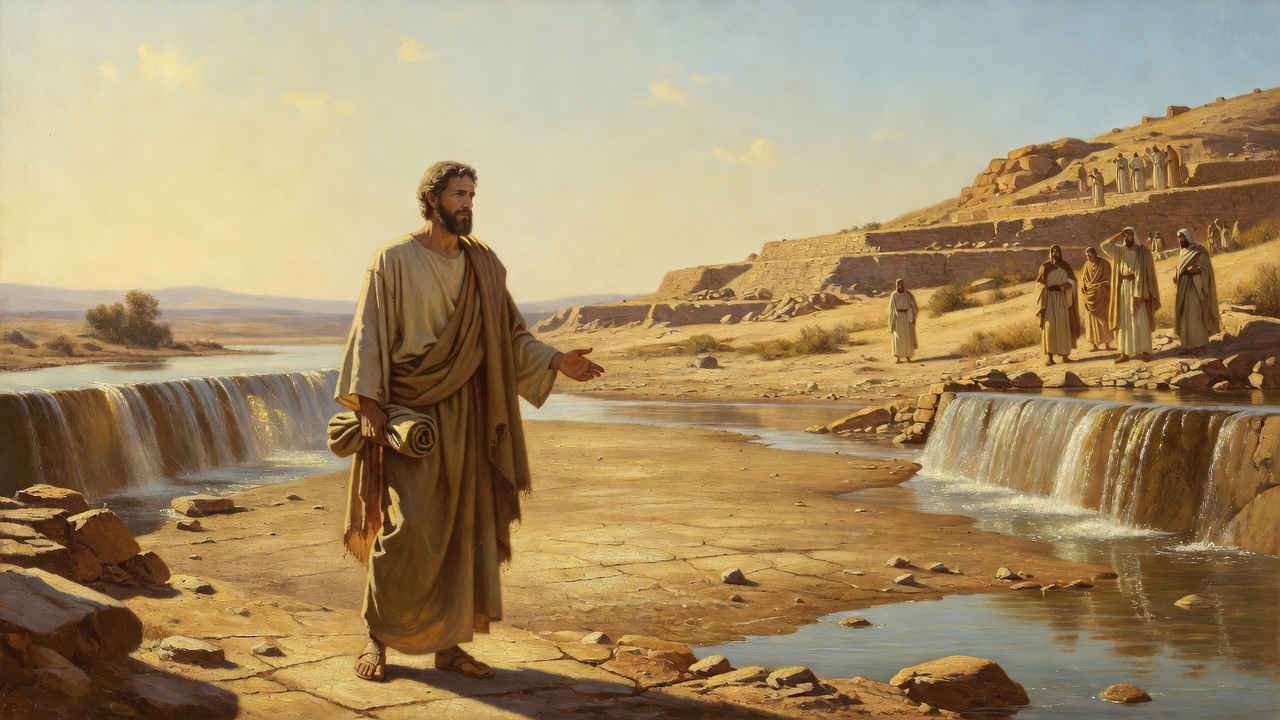
A partida de Elias e a sucessão de Eliseu
- O manto de Elias havia marcado inicialmente o chamado de Eliseu quando Elias o lançou sobre os ombros dele no campo. Quando Elias foi levado ao céu em um redemoinho, Eliseu recolheu o manto caído e feriu as águas do Jordão com ele, demonstrando aos profetas que observavam que havia recebido o espírito de Elias e o sucedido como profeta.Fontes: Elisha · o próprio texto bíblico
- A fonte perto de Jericó, identificada historicamente com Ain es-Sultan ou Fonte de Eliseu, continha água ruim que tornava a terra ao redor estéril. Eliseu purificou a água lançando nela sal de uma tigela nova diretamente no manancial.Fontes: Jericho · o próprio texto bíblico
- Antes de atravessarem o Jordão, Elias e Eliseu visitaram comunidades dos discípulos dos profetas estabelecidas em Betel e Jericó. Cinquenta homens desses grupos proféticos observaram a travessia miraculosa de longe e depois passaram três dias procurando Elias pelos montes e vales vizinhos.Fontes: Bethel (of Palestine) · Jericho · o próprio texto bíblico
Notas escritas com auxílio de IA a partir de fontes abertas (Theographic Bible Metadata, CC BY-SA 4.0; Easton’s Bible Dictionary, domínio público) e revisadas antes de publicar.
Lugares deste capítulo
- Jericho · Hoje: Tell es Sultan · 31.872, 35.445 · versículos 4, 5, 15, 18, 19, 23
- Jordan · Hoje: Jordan River · 31.761, 35.558 · versículos 6, 7, 13
- Mount Carmel · 32.672, 35.023 · versículo 25
- Samaria · 32.276, 35.195 · versículo 25
Só aparecem lugares com identificação de alta confiança (90% ou mais segundo as fontes acadêmicas reunidas pelo OpenBible). Mapa da época: DARE (Digital Atlas of the Roman Empire), CC BY 4.0; mapa atual: © colaboradores do OpenStreetMap; lugares: OpenBible.info (CC BY 4.0).
Créditos e licença desta tradução
Bibeli Gusunɔn Gari
The Holy Bible in the Baatonum language of Benin, also called the Bariba language
copyright © 2013 SIM
Language: Bariba (Baatonum)
Translation by: SIM International
Bariba, Bibeli Gusunɔn Gari
This translation, published by the UEEB/SIM au Benin, was published in 1996.
If you are interested in obtaining a printed copy, please contact the SIM at SIM, BP 15, Parakou, Benin.
This translation text is made available to you under the
terms of the Creative Commons License: Attribution-Noncommercial-No Derivative Works.
( http://creativecommons.org/licenses/by-nc-nd/3.0/ )
In addition, you have permission to port the text to different file formats, as long as you
do not change any of the text or punctuation of the Bible.
You may share, copy, distribute, transmit, and extract portions
or quotations from this work, provided that you include the above copyright
information:
You must give Attribution to the work.
You do not sell this work for a profit.
You do not make any derivative works that change any of the actual words or punctuation of the Scriptures.
Permissions beyond the scope of this license may be
available if you contact
us with your request.
This translation is made available to you under the terms of the
Creative Commons Attribution-Noncommercial-No Derivatives license 4.0.
You may share and redistribute this Bible translation or extracts from it in any format, provided that:
You include the above copyright and source information.
You do not sell this work for a profit.
You do not change any of the words or punctuation of the Scriptures.
Pictures included with Scriptures and other documents on this site are licensed just for use with those Scriptures and documents.
For other uses, please contact the respective copyright owners.
2014-09-10
Fonte: http://ebible.org/bba/ · eBible.org