1 Samuel 23
Bibeli Gusunɔn Gari · Toque num versículo para ver as referências cruzadas.
1Sɔ̃ɔ teeru bɑ nɑ bɑ Dɑfidi sɔ̃ɔwɑ bɑ nɛɛ, wee, Filisitibɑ bɑ Keilɑ wɔri mɑ bɑ ben dĩɑ ni nu wɑ̃ɑ birɑnu sɔɔ kpuro ɡurɑ. 2Yerɑ Dɑfidi u Yinni Gusunɔ bikiɑ u nɛɛ, kon kpĩ n dɑ n Filisiti be wɔri?
Mɑ Yinni Gusunɔ u nùn wisɑ u nɛɛ, oo, ɑ doo ɑ bu wɔri. Kɑɑ bu kɑmiɑ kpɑ ɑ Keilɑ wɔrɑ.
3Adɑmɑ Dɑfidin tɔmbu bɑ nùn sɔ̃ɔwɑ bɑ nɛɛ, bɛsɛ wee, sɑ nɑnde bɑɑ mɛ sɑ wɑ̃ɑ Yudɑn tem sɔɔ. Amɔnɑ sɑ ko n sɑ̃ɑ sɑ̀ n Filisitibɑ wɔrim dɔɔ.
4Yerɑ Dɑfidi u mɑɑ Yinni Gusunɔ bikiɑ u nɛɛ, n doo n Keilɑ ye wɔrɑ?
Mɑ Yinni Gusunɔ u nùn wisɑ u nɛɛ, oo, ɑ seewo ɑ dɑ ɑ Filisiti be wɔri. Domi nɑ nun bu nɔmu bɛriɑ.
5Yerɑ Dɑfidi u seewɑ u dɑ Keilɑ mi kɑ win tɔmbu. Mɑ u Filisitibɑ wɔri u bu kɑmiɑ mɑm mɑm, u ben yɑɑ sɑbenu ɡurɑmɑ. Nɡe mɛyɑ u kɑ Keilɑɡii be fɑɑbɑ kuɑ.
6N deemɑ sɑɑ ye, Abiɑtɑɑ, Akimɛlɛkin bii, u dukɑ yɑkurɑmɑ u nɑ u wɑ̃ɑ Dɑfidin mi, u yɑ̃ku kowon yɑbe tɑrɑkpe nɛni te bɑ rɑ kɑ Yinni Gusunɔn kĩru bikie.
7Yen biruwɑ bɑ dɑ bɑ Sɔɔlu sɔ̃ɔwɑ bɑ nɛɛ, Dɑfidi u tunumɑ u wɑ̃ɑ Keilɑɔ. Yerɑ Sɔɔlu u nɛɛ, Gusunɔwɑ u mɑn nùn nɔmu bɛriɑ. Domi u nɑ u tii kɛnusi wuu ɡe ɡɑ ɡbɑ̃rɑru kɑ ɡɑmbo mɔ sɔɔ.
8Yerɑ Sɔɔlu u win tɑbu kowobu kpuro mɛnnɑ bu dɑ bu kɑ Keilɑ wɔri, kpɑ bu Dɑfidi kɑ win tɔmbu tɑrusi. 9Sɑɑ ye sɔɔ, Dɑfidi u nuɑ kɔ̃sɑ ye Sɔɔlu u kĩ u nùn kuɑ. Yerɑ u yɑ̃ku kowo Abiɑtɑɑ sɔ̃ɔwɑ u nɛɛ, ɑ kɑ yɑbe tɑrɑkpe ye nɑ.
10Mɑ Dɑfidi u nɛɛ, Gusunɔ Isirelibɑn Yinni, wee, nɑ nuɑ mɑ Sɔɔlu u swɑɑ kɑsu u kɑ nɑ Keilɑ mini u ye kpeerɑsiɑ nɛn sɔ̃. 11Yinni, ɑ mɑn sɔ̃ɔwɔ, Sɔɔlu u koo nɑ mini kɑ ɡem? Ù n tunumɑ, wuu ɡen wiruɡibu bɑ koo mɑn mwɑ bu nùn nɔmu bɛriɑ?
Mɑ Yinni Gusunɔ u nùn wisɑ u nɛɛ, kɑm kɑm, Sɔɔlu u koo nɑ.
12Mɑ Dɑfidi u mɑɑ Yinni Gusunɔ bikiɑ u nɛɛ, wuu ɡen wiruɡibu bɑ koo mɑn mwɑ bu nùn nɔmu bɛriɑ?
Mɑ Yinni Gusunɔ u nɛɛ, oo, mɛyɑ bɑ koo nun kuɑ.
13Yerɑ Dɑfidi u seewɑ kɑ tɔmbu nɑtɑn (600) sɑkɑ bɑ yɑrɑ Keilɑn di bɑ dɑ bɑ sirenɛ. Sɑɑ ye sɔɔrɑ bɑ mɑɑ Sɔɔlu nɔɔsiɑ mɑ Dɑfidi sɑri mi. Mɑ Sɔɔlu u ǹ mɑɑ de u wuu ɡe wɔri.
14Yenibɑn biru Dɑfidi u dɑ u kukuɑ ɡbɑburɔ kpee bɑɑ sɔɔ Sifun ɡuurɔ. Mɑ Sɔɔlu u mɑɑ nùn kɑso wɔri nɡe mɛ u rɑ ko bɑɑdommɑ. Adɑmɑ Gusunɔ kun dere u nùn nɔmɑ turi. 15Sɑɑ ye sɔɔrɑ Dɑfidi u ɡiɑ kɑm kɑm mɑ Sɔɔlu u kɑsuwɑ u nùn ɡo. Mɑ u dɑ u wɑ̃ɑ ɡbɑburɔ Sifun dɑ̃ɑ sɔ̃ɔwɔ.
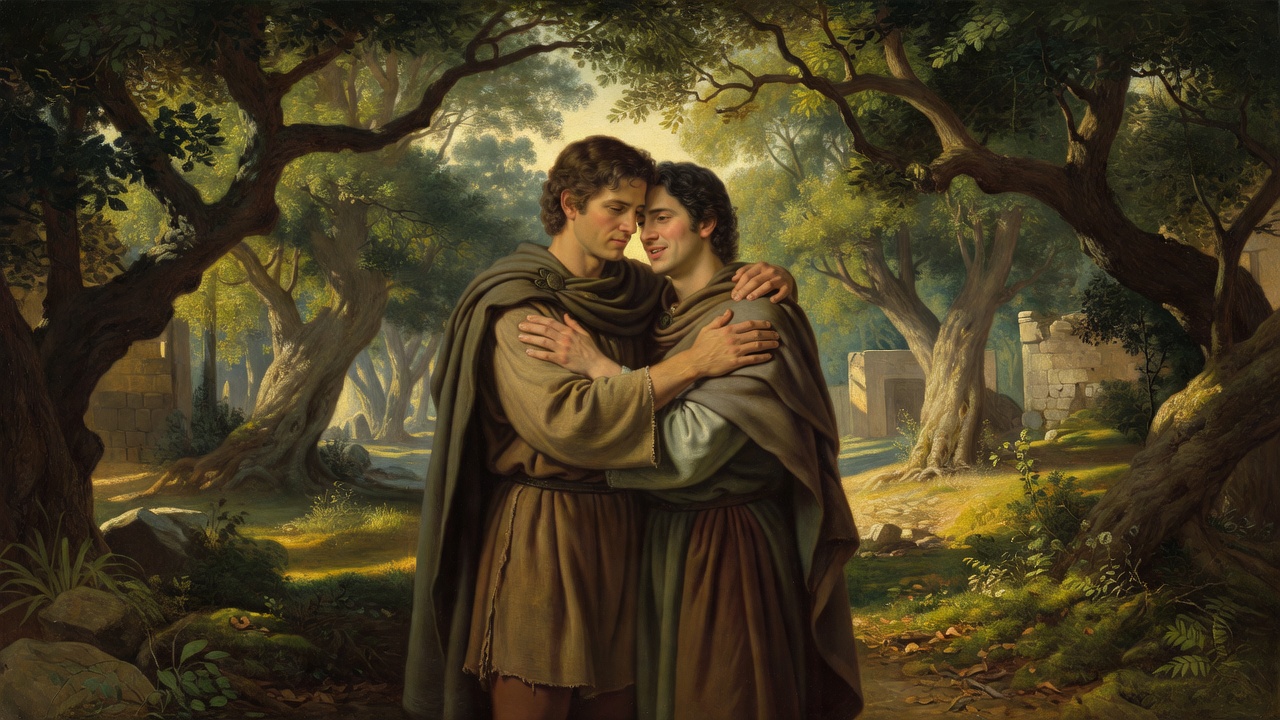
16Yerɑ Yonɑtɑm Sɔɔlun bii u mɑɑ wɑ mɛ, mɑ u seewɑ u dɑ Dɑfidin mi, u kɑ nùn dɑm kɛ̃ u Gusunɔ nɑɑnɛ ko. 17Ye u turɑ mi, u nùn sɔ̃ɔwɑ u nɛɛ, ɑ ku nɑndɑ. Domi Sɔɔlu kun nun nɑɑ turi. Wunɑ kɑɑ bɑndu di Isireliɔ kpɑ nɑ n sɑ̃ɑ wunɛn yiruse bɑn te sɔɔ. Nɛn tundo Sɔɔlun tii, u yɛ̃ mɛ.
18Yerɑ bɑ ɑrukɑwɑni bɔkuɑ Yinni Gusunɔn wuswɑɑɔ. Mɑ Dɑfidi u sinɑ dɑ̃ɑ sɔ̃ɔ mi. Yonɑtɑm u mɑɑ ɡɔsirɑ u dɑ yɛnuɔ.
Sɔɔlu u Dɑfidi nɑɑ ɡire
19Mɑ Sifuɡibu bɑ dɑ Sɔɔlun mi Gibeɑɔ bɑ nùn sɔ̃ɔwɑ bɑ nɛɛ, Dɑfidi u kukuɑ bɛsɛn mi, kpee bɑɑ sɔɔ dɑ̃ɑ sɔ̃ɔwɔ, Hɑkilɑn ɡuurɔ te tɑ wɑ̃ɑ berɑ mi ɡɑ̃ɑnu ku rɑ kpin sɔ̃ɔ yɛ̃sɑn nɔm dwɑru ɡiɑ. 20Tɛ̃ wee, ɑ nùn kɑsu ɑ mwɑ. Ǹ n mɛn nɑ, ɑ nɑ, sɑ ko nun nùn nɔmu bɛriɑ.
21Mɑ Sɔɔlu u bu wisɑ u nɛɛ, Gusunɔ u bɛɛ domɑru kuɑ domi nɑ wɑ i nɛn wɔnwɔndu mɔ. 22Yen sɔ̃, nɑ bɛɛ kɑnɑmɔ, i doo i mɛɛri mi u rɑ sĩ sĩ. Kpɑ i win kuku yenu kpuro mɛɛri, kpɑ i wɑ mi u wɑ̃ɑ. Domi bɑ mɑn sɔ̃ɔwɑ mɑ u bwisi mɔ too. Yen biru kpɑ i nɑ i mɑn sɔ̃ ù n wɑ̃ɑ mi. Kpɑ n se n dɑ n nùn kɑsu, bɑɑ ǹ n Yudɑn bweseru kpuro sɔɔn nɑ kon bukiɑnɑ.
24Mɑ tɔn be, bɑ kuɑ mɛ. Bɑ ɡbiɑ bɑ dɑ Sifuɔ Sɔɔlu u sere nɑ. N deemɑ sɑɑ ye sɔɔ, Dɑfidi kɑ wiɡibu bɑ wɑ̃ɑ Arɑbɑn ɡuurɔ Mɑoniɔ mi ɡɑ̃ɑnu ku rɑ kpin sɔ̃ɔ yɛ̃sɑn nɔm dwɑru ɡiɑ. 25Yen biruwɑ Sɔɔlu u seewɑ kɑ win tɔmbu u dɑ u Dɑfidi kɑsu. Yerɑ ɡɑbɑ nɑ bɑ ye Dɑfidi sɔ̃ɔwɑ. Mɑ u seewɑ min di u dɑ u wɑ̃ɑ ɡuuru ɡɑrun mi Mɑonin ɡbɑburɔ. Ye Sɔɔlu u nuɑ mɛ, yerɑ u Dɑfidi nɑɑ swĩi ɡbɑburu mi. 26Ye u turɑ mi, ɡuu ten bee tiɑ u bɛwe. Mɑ Dɑfidi u mɑɑ wɑ̃ɑ ten bee tiɑɔ kɑ wiɡibu. Adɑmɑ sɑɑ ye sɔɔ, Sɔɔlu kɑ wiɡibu bɑ Dɑfidi kɑ win tɔmbu kooro bure bɑ kpɑ. Yerɑ Dɑfidi u swɑɑ kɑsu u kɑ dukɑ yɑkurɑ. 27Yerɑ sɔmɔ ɡoo u nɑ yɛnun di u Sɔɔlu sɔ̃ɔwɑ u nɛɛ, ɑ de ɑ nɑ fuuku, Filisitibɑ wee, bɑ sun wɔrimɑ.
28Yerɑ Sɔɔlu u ɡɔsirɑmɑ u ɡinɑ Dɑfidi deri u dɑ Filisiti ben mi ɡiɑ. Yen sɔ̃nɑ bɑ yɑm mi sokɑ kpee te tɑ bu burɑnɑ.
Dɑfidi u yinɑ u Sɔɔlu ɡo
Você sabia?
A fuga e os livramentos de Davi
- Quando Abiatar fugiu do massacre dos sacerdotes em Nobe, ele levou o éfode sacerdotal consigo até Davi. Davi utilizou essa vestimenta sagrada para consultar diretamente o Senhor sobre decisões estratégicas, como a defesa de Queila e a lealdade de seus habitantes.Fontes: o próprio texto bíblico · Abiathar
- Jônatas procurou Davi na região arborizada de Horesa, no deserto de Zife, para fortalecê-lo em Deus e reafirmar a aliança entre eles. Jônatas assegurou a Davi que ele reinaria sobre Israel e que Saul não o alcançaria, marcando o último encontro registrado entre os dois amigos.Fontes: o próprio texto bíblico · Jonathan · Keilah
- Davi percorreu diversos terrenos acidentados no território da tribo de Judá para escapar de Saul, incluindo Queila nas terras baixas e os desertos de Zife e Maom ao sul de Hebrom. Em Maom, Saul e seus soldados quase cercaram Davi em lados opostos de um monte, até que o aviso de uma invasão filisteia forçou Saul a interromper a perseguição.Fontes: o próprio texto bíblico · Keilah · Maon · Ziph
Notas escritas com auxílio de IA a partir de fontes abertas (Theographic Bible Metadata, CC BY-SA 4.0; Easton’s Bible Dictionary, domínio público) e revisadas antes de publicar.
Lugares deste capítulo
- Wilderness of Ziph · 31.475, 35.135 · versículos 14, 15
- Jeshimon · 31.470, 35.223 · versículos 19, 24
- Arabah · 30.417, 35.151 · versículo 24
- Wilderness of Maon · 31.409, 35.134 · versículos 24, 25
- Engedi · Hoje: Ein Gedi · 31.450, 35.383 · versículo 29
Só aparecem lugares com identificação de alta confiança (90% ou mais segundo as fontes acadêmicas reunidas pelo OpenBible). Mapa da época: DARE (Digital Atlas of the Roman Empire), CC BY 4.0; mapa atual: © colaboradores do OpenStreetMap; lugares: OpenBible.info (CC BY 4.0).
Créditos e licença desta tradução
Bibeli Gusunɔn Gari
The Holy Bible in the Baatonum language of Benin, also called the Bariba language
copyright © 2013 SIM
Language: Bariba (Baatonum)
Translation by: SIM International
Bariba, Bibeli Gusunɔn Gari
This translation, published by the UEEB/SIM au Benin, was published in 1996.
If you are interested in obtaining a printed copy, please contact the SIM at SIM, BP 15, Parakou, Benin.
This translation text is made available to you under the
terms of the Creative Commons License: Attribution-Noncommercial-No Derivative Works.
( http://creativecommons.org/licenses/by-nc-nd/3.0/ )
In addition, you have permission to port the text to different file formats, as long as you
do not change any of the text or punctuation of the Bible.
You may share, copy, distribute, transmit, and extract portions
or quotations from this work, provided that you include the above copyright
information:
You must give Attribution to the work.
You do not sell this work for a profit.
You do not make any derivative works that change any of the actual words or punctuation of the Scriptures.
Permissions beyond the scope of this license may be
available if you contact
us with your request.
This translation is made available to you under the terms of the
Creative Commons Attribution-Noncommercial-No Derivatives license 4.0.
You may share and redistribute this Bible translation or extracts from it in any format, provided that:
You include the above copyright and source information.
You do not sell this work for a profit.
You do not change any of the words or punctuation of the Scriptures.
Pictures included with Scriptures and other documents on this site are licensed just for use with those Scriptures and documents.
For other uses, please contact the respective copyright owners.
2014-09-10
Fonte: http://ebible.org/bba/ · eBible.org