1 Reis 13
Bibeli Gusunɔn Gari · Toque num versículo para ver as referências cruzadas.
1Yerɑ Yinni Gusunɔ u derɑ win sɔmɔ ɡoo u seemɑ sɑɑ Yudɑn di u nɑ Betɛliɔ sɑnɑm mɛ Yeroboɑmu u turɑre dɔ̃ɔ dokemɔ ben yɑ̃ku yerɔ. 2Mɑ u yɑ̃ku yee te nɔɔɡiru sue u nɛɛ, yɑ̃ku yeru wunɛ! Yɑ̃ku yeru wunɛ! A nɔɔwɔ ye Yinni Gusunɔ u ɡeruɑ. U nɛɛ, wee bɑ koo bii tɔn durɔ ɡoo mɑ Dɑfidin bweseru sɔɔ, kpɑ bu nùn yĩsiru kɛ̃ Yosiɑsi. Wiyɑ u koo se u kɑ bũu yɑ̃ku kowo be yɑ̃kuru ko mi bɑ rɑ rɑɑ yɑ̃kuru ko. Kpɑ bu tɔmbun kukunu dɔ̃ɔ mɛni wunɛn wɔllɔ.
3Gusunɔn sɔmɔ wi, u mɑɑ nɛɛ, yɑ̃ku yee teni, tɑ koo bɛsikirɑwɑ. Kpɑ ten yɑ̃ku torom mu yɑri bɑɑmɑ. Sɑɑ ye sɔɔ, bɑ koo ɡiɑ mɑ Yinni Gusunɔwɑ u ɡɑri yi ɡeruɑ.
4Sɑnɑm mɛ Yeroboɑmu u nuɑ ye sɔmɔ wi, u yɑ̃ku yee te ɡerusi, yerɑ u nɔmu dɛmiɑ u nɛɛ, i nùn mɔɔ.
Adɑmɑ Yeroboɑmun nɔmu ɡe u Gusunɔn sɔmɔ wi tĩi mi, ɡɑ ɡu, mɑ u kpɑnɑ u ɡu kure. 5Yerɑ yɑ̃ku yee te, tɑ bɛsirɑ, mɑ ten yɑ̃ku torom mɛ mu wɑ̃ɑ wɔllɔ mu pusi yɑm kpuro nɡe mɛ Yinni Gusunɔ u rɑɑ ɡeruɑ sɑɑ sɔmɔ win nɔɔn di. 6Yerɑ Yeroboɑmu u Gusunɔn sɔmɔ wi sɔ̃ɔwɑ u nɛɛ, ɑ Gusunɔ wunɛn Yinni kɑnɔ nɛn sɔ̃, kpɑ u de nɛn nɔmu ɡe, ɡu wurɑmɑ nɡe mɛ ɡɑ rɑɑ sɑ̃ɑ.
Mɑ sɔmɔ wi, u Yinni Gusunɔ kɑnɑ. Yerɑ Yinni Gusunɔ u derɑ nɔmu ɡe, ɡɑ wurɑmɑ nɡe mɛ ɡɑ rɑɑ sɑ̃ɑ. 7Sɑɑ yerɑ sinɑ boko Yeroboɑmu u nɛɛ, ɑ duumɑ nɛn yɛnuɔ kpɑ ɑ di. Yen biru, kpɑ n nun kɛ̃nu wɛ̃.
8Yerɑ Gusunɔn sɔmɔ wi, u sinɑ boko wisɑ u nɛɛ, bɑɑ ɑ̀ n nɛɛ, kɑɑ mɑn wunɛn dirun ɑrumɑnin bɔnu kɛ̃, nɑ ǹ duɔ wunɛn yɛnuɔ. Nɑ ǹ mɑɑ dĩɑnu ɡɑnu dimɔ. Mɛyɑ nɑ ǹ mɑɑ nim nɔrumɔ. 9Domi Yinni Gusunɔwɑ u mɑn woodɑ yeni wɛ̃ u nɛɛ, n ku rɑ dĩɑnu ɡɑnu di, n ku rɑ nim nɔ, n ku rɑ mɑɑ ɡɔsirɑ kɑ swɑɑ ye nɑ kɑ nɑ.
10Ye u yenibɑ ɡeruɑ u kpɑ, yerɑ u swɑɑ ɡɑɑ mwɑ u kɑ sĩɑ.
Gusunɔn sɔmɔn
mɛm nɔɔ sɑriru
11Sɑɑ ye sɔɔ, Gusunɔn sɔmɔ durɔ tɔkɔ ɡoo u mɑɑ wɑ̃ɑ Betɛli mi. Yerɑ win bii tɔn durɔbu bɑ nɑ, bɑ nùn sɔ̃ɔwɑ kpuro ye Gusunɔn sɔmɔ wi, u kuɑ Betɛli mi dɔmɑ te, kɑ mɑɑ ɡɑri yi u sinɑ boko Yeroboɑmu sɔ̃ɔwɑ. 12Ye durɔ tɔkɔ wi, u nuɑ mɛ, yerɑ u bu bikiɑ u nɛɛ, swɑɑ yerɑ̀ u mwɑ u kɑ sĩɑ.
Mɑ bii be, bɑ nùn sɔ̃ɔwɑ swɑɑ ye u kɑ sĩɑ. 13Yerɑ u nɛɛ, bu win kɛtɛku ɡɑɑri bɔkuo.
Ye bɑ ɡu ɡɑɑri bɔkuɑ bɑ kpɑ, u ɡu sɔni. 14Mɑ u Gusunɔn sɔmɔ wi nɑɑ swĩi. Yerɑ u nùn deemɑ u sɔ̃, dɑ̃ɑ bɑkɑru ɡɑrun nuurɔ u nùn bikiɑ u nɛɛ, wunɑ Gusunɔn sɔmɔ wi u nɑ sɑɑ Yudɑn tem di?
Mɑ u nùn wisɑ u nɛɛ, oo, nɛnɑ.
15Mɑ durɔ tɔkɔ wi, u nɛɛ, su wurɑ su dɑ nɛn yɛnuɔ su di.
16Adɑmɑ sɔmɔ wi, u nùn wisɑ u nɛɛ, n ǹ koorɔ n kɑ nun wurɑ n sere mɑm nɛɛ, kon di mi, kpɑ n nɔ. 17Domi Yinni Gusunɔwɑ u mɑn woodɑ yeni wɛ̃, u nɛɛ, n ku rɑ di, n ku rɑ mɑɑ nim nɔ mi. Kpɑ n ku rɑ kɑ mɑɑ swɑɑ ye wɔmɑ ye nɑ kɑ dɑ.
18Yerɑ durɔ tɔkɔ wi, u nùn sɔ̃ɔwɑ u nɛɛ, nɛn tii Gusunɔn sɔmɔwɑ nɡe wunɛ. Gusunɔwɑ u mɑn win ɡɔrɑdo ɡɔriɑmɑ, u mɑn sɔ̃ɔwɑ u nɛɛ, n kɑ nun ɡɔsiɑmɑ nɛn yɛnuɔ ɑ di mi, kpɑ ɑ nɔ.
N deemɑ weesɑ durɔ tɔkɔ te, tɑ mɔ̀. 19Mɑ Gusunɔn sɔmɔ wi, u ɡɔsirɑmɑ u dɑ durɔ tɔkɔ win yɛnuɔ u di u nɔrɑ.
Gusunɔ u win sɔmɔ wi
tɑɑrɛ wɛ̃
20Ye bɑ sɔ̃ bɑ dimɔ, yerɑ Yinni Gusunɔ u kɑ durɔ tɔkɔ te ɡɑri kuɑ. 21Mɑ durɔ tɔkɔ te, tɑ Gusunɔn sɔmɔ wi sɔ̃ɔwɑ kɑ dɑm tɑ nɛɛ, ɑmɛniwɑ Yinni Gusunɔ u ɡeruɑ. U nɛɛ, yèn sɔ̃ ɑ ǹ win ɡere mɛm nɔɔwɛ wi, wi u sɑ̃ɑ wunɛn Yinni, 22mɑ ɑ ɡɔsirɑmɑ ɑ di ɑ nɔrɑ yɑm mini, mi u nɛɛ, ɑ ku di ɑ ku mɑɑ nɔ, yen sɔ̃nɑ tɛ̃ kɑɑ ɡbi. Adɑmɑ bɑ ǹ wunɛn ɡoru sikumɔ wunɛn bɑɑbɑbɑn sikɑɔ.
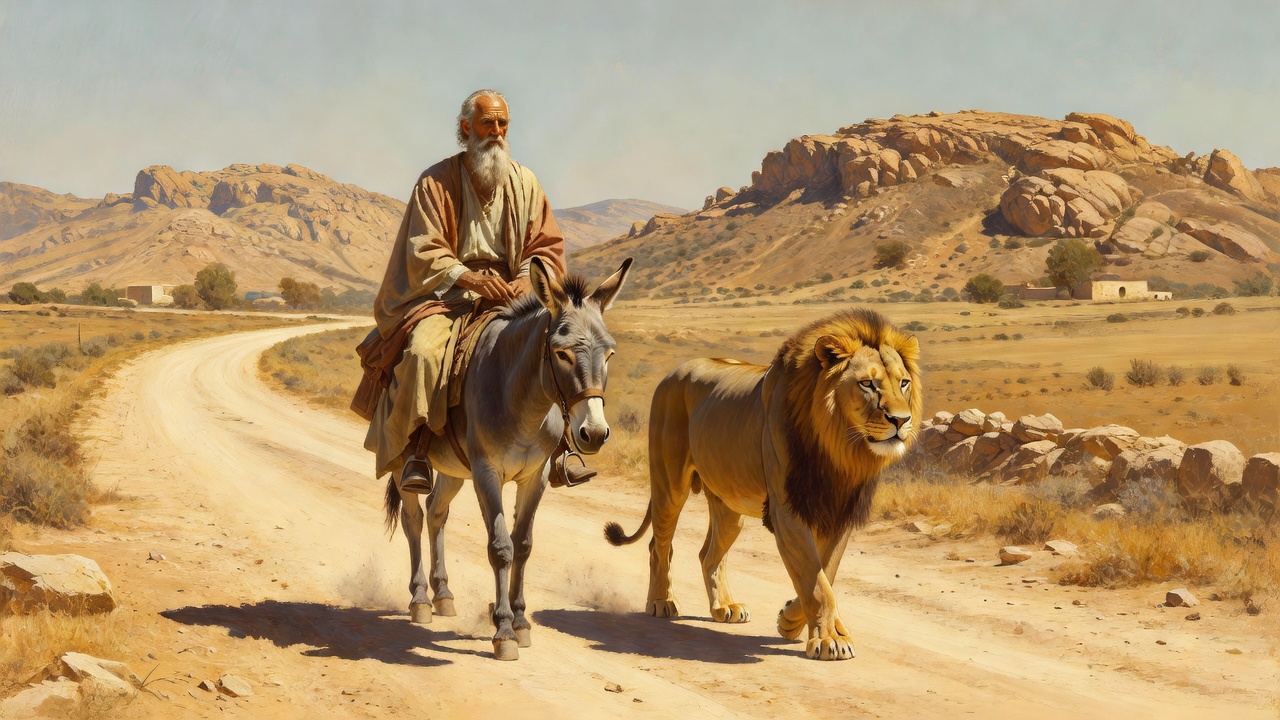
23Ye Gusunɔn sɔmɔ wi, u di u kpɑ u nɔrɑ, yerɑ durɔ tɔkɔ wi, u nùn kɛtɛku ɡɑɑri bɔkuɑ. 24Ye u ɡu sɔni u wiɔ, yerɑ swɑɑ sɔɔ ɡbee sunɔ ɡɑ nùn sɛ̃re ɡɑ ɡo. Mɑ win ɡoru tɑ kpĩ swɑɑ sɔɔ. Mɑ win kɛtɛku ɡe, kɑ ɡbee sunɔ ɡe, nu yɔ̃ win bɔkuɔ. 25Be bɑ sɑrɔ mi, bɑ ɡoo te wɑ, kɑ ɡbee sunɔ ɡe, ɡɑ yɔ̃ ɡoo ten bɔkuɔ. Ye bɑ turɑ wuu mi Gusunɔn sɔmɔ durɔ tɔkɔ te, tɑ wɑ̃ɑ, mɑ bɑ ye tɔmbu sɔ̃ɔwɑ. 26Ye Gusunɔn sɔmɔ durɔ tɔkɔ te, tɑ nuɑ mɛ, yerɑ tɑ nɛɛ, Gusunɔn sɔmɔ wiyɑ. Domi u ǹ Gusunɔn woodɑ mɛm nɔɔwɛ. Yen sɔ̃nɑ u nùn ɡbee sunɔ kpɑre ɡɑ nùn sɛ̃re ɡɑ ɡo nɡe mɛ u rɑɑ ɡeruɑ.
27Mɑ durɔ tɔkɔ te, tɑ ten bibu sɔ̃ɔwɑ tɑ nɛɛ, i mɑn nɛn kɛtɛku ɡɑɑri bɔkuo.
Mɑ bɑ ɡu ɡɑɑri bɔkuɑ. 28Yerɑ u seewɑ u dɑ. Mɑ u deemɑ Gusunɔn sɔmɔn ɡoo te wee tɑ kpĩ. Mɑ kɛtɛku ɡe, kɑ ɡbee sunɔ ɡe, nu yɔ̃ ɡoo ten bɔkuɔ. Adɑmɑ ɡbee sunɔ ɡe, ɡɑ ǹ ɡoo te temɛ, ɡɑ ǹ mɑɑ kɛtɛku ɡe ɡo. 29Mɑ durɔ wi, u ɡoo te suɑ u sɔndi win kɛtɛku wɔllɔ u kɑ tu nɑ win wuuɔ, u sikɑ siki wɔru ɡe u rɑɑ ɡbɑ win tiin sɔ̃n mi, u ten ɡɔɔ swĩ. 30Ye bɑ ɡoo te sikuɑ bɑ kpɑ, mɑ bɑ ɡɔɔ wuri kuɑ bɑ nɛɛ, wɑnyo, wɑnyo, nɛn kĩnɑsi!
31Ye bɑ yenibɑ kpuro kuɑ bɑ kpɑ, yerɑ Gusunɔn sɔmɔ durɔ tɔkɔ wi, u win bibu sɔ̃ɔwɑ u nɛɛ, nɑ̀ n ɡu, i mɑn sikuo mi bɑ Gusunɔn sɔmɔ wi sikuɑ, kpɑ nɛn kukunu nu n kpĩ wiɡinun bɔkuɔ. 32Domi ɡɑri yi u ɡeruɑ Betɛlin sɔ̃, kɑ mɑɑ bũu turɑ ni bɑ bɑnɑ Sɑmɑrin wuu mɑrosɔn sɔ̃, yi koo koorɑwɑ kɑm kɑm.
33Bɑɑ mɛ bɑ Yeroboɑmu kirɔ kuɑ, kɑ mɛ, u ǹ win ɡɔ̃ru ɡɔsie. U mɑɑ kpɑm bũu yɑ̃ku kowobu ɡɔsɑwɑ win tɔmbu sɔɔ, be bɑ yen kĩru mɔ. 34Yerɑ yɑ Yeroboɑmun yɛnuɡibu durum koosiɑ. Yen sɔ̃nɑ Gusunɔ u win bweseru kpeerɑsiɑ tem mɛ kpuro sɔɔ.
Yeroboɑmun biin ɡɔɔ
Você sabia?
A Advertência de um Profeta em Betel
- O homem de Deus vindo de Judá profetizou que um futuro descendente de Davi chamado Josias profanaria o altar em Betel, sacrificando sobre ele os seus sacerdotes e queimando ossos humanos. Betel situava-se na Palestina central, cerca de dezesseis quilômetros ao norte de Jerusalém.Fontes: o próprio texto bíblico · Josiah · Bethel (of Palestine)
- O homem de Deus recebeu a ordem divina expressa de não comer pão, não beber água e não retornar pelo mesmo caminho que havia percorrido até Betel, enfatizando a recusa total de comunhão com o culto estabelecido por Jeroboão.Fontes: o próprio texto bíblico
- Mesmo após presenciar a divisão milagrosa do altar e o ressecamento seguido da cura de sua própria mão, Jeroboão continuou nomeando sacerdotes para os lugares altos entre qualquer pessoa que o desejasse, sem se arrepender.Fontes: o próprio texto bíblico
Notas escritas com auxílio de IA a partir de fontes abertas (Theographic Bible Metadata, CC BY-SA 4.0; Easton’s Bible Dictionary, domínio público) e revisadas antes de publicar.
Lugares deste capítulo
- Samaria · 32.276, 35.195 · versículo 32
Só aparecem lugares com identificação de alta confiança (90% ou mais segundo as fontes acadêmicas reunidas pelo OpenBible). Mapa da época: DARE (Digital Atlas of the Roman Empire), CC BY 4.0; mapa atual: © colaboradores do OpenStreetMap; lugares: OpenBible.info (CC BY 4.0).
Créditos e licença desta tradução
Bibeli Gusunɔn Gari
The Holy Bible in the Baatonum language of Benin, also called the Bariba language
copyright © 2013 SIM
Language: Bariba (Baatonum)
Translation by: SIM International
Bariba, Bibeli Gusunɔn Gari
This translation, published by the UEEB/SIM au Benin, was published in 1996.
If you are interested in obtaining a printed copy, please contact the SIM at SIM, BP 15, Parakou, Benin.
This translation text is made available to you under the
terms of the Creative Commons License: Attribution-Noncommercial-No Derivative Works.
( http://creativecommons.org/licenses/by-nc-nd/3.0/ )
In addition, you have permission to port the text to different file formats, as long as you
do not change any of the text or punctuation of the Bible.
You may share, copy, distribute, transmit, and extract portions
or quotations from this work, provided that you include the above copyright
information:
You must give Attribution to the work.
You do not sell this work for a profit.
You do not make any derivative works that change any of the actual words or punctuation of the Scriptures.
Permissions beyond the scope of this license may be
available if you contact
us with your request.
This translation is made available to you under the terms of the
Creative Commons Attribution-Noncommercial-No Derivatives license 4.0.
You may share and redistribute this Bible translation or extracts from it in any format, provided that:
You include the above copyright and source information.
You do not sell this work for a profit.
You do not change any of the words or punctuation of the Scriptures.
Pictures included with Scriptures and other documents on this site are licensed just for use with those Scriptures and documents.
For other uses, please contact the respective copyright owners.
2014-09-10
Fonte: http://ebible.org/bba/ · eBible.org