Apocalipse 3
Manikáne O Ehwehne · Toque num versículo para ver as referências cruzadas.
Sáhrísi suwahpeqte Sísa tagaríáh ké teriu ehwéhne.
1Íné ehweh tení ánínká mó mahraréna, Íópeqté ánínká Sáhrísi suwahpeqte Sísa tagaríáh kéráq auráq matíéhre. Mi anínsábé mah ehwéh sehiranue teawo.
Abapete téhtaré íópeqté kégá ínéba mía míaowana abapete téhtaré wéhyóq táhtotawéna mah ehwéh teawiníboq iro. Arene sánsámé moke tagaríóge. Mó kegá are tagéra, Kaweq ogamé sansanóna aní móne atáhwana ínéga mó iwíáhéna, Are pusa aní míahne uge. 2Minayabe irigue arega moke matiahna sansá, íre soraq suahna sansá ambubu atawé tábúsoqme sehgio. Arene sánsá aiq tagaríóge. Moke arene sánsánsábé Manikánka, Íre tábúsoq marahne íwíáhire. 3Arega írátóna ehwéhnkákáq ahtebarona ehwéhnkákáq mónkakáq iwíáhue tagé kawerue sehgio. Ahbabáq sansa sue kaweq sansánúno. Arega íre mirainaraq areba séna kamah awinauge. Aebó ánínká iwíáhue sinserah are íre tagariahna tanáhráq areba sinauge.
4Ite Sáhrísi suwahpeqte Sísa tagaríáh ké ite mó táhmaro íre ahbabária peh kaweqtaq míáh púaq taberábe korósí aneranerarueq ínéreq moráráq nogigéhe.
5Ahbabáq kiotaiki aní taberábe korósí sukiwe míahno atena oga mérapeq awaq míéhra ke síwíq kéhrabeq wenáwíq íre sorahruaníe. Írakaumo. Peh Nániboreq íópeqté kéreqpa wenáwíq pahsuaníe. 6Íre parosa áhréákáq áníno, Manikáne Awanka Sísa tagaríáh ké teí éhwéhmé kawerue iro ire.
Pírárépía suwahpeqte Sísa tagaríáh ké teriu ehwéhne.
7Íné ehweh tení ánínká mó mahraréna, Íópeqté ánínká Pírárépía suwahpeqte Sísa tagaríáh kéráq auráq matíéhre. Mi anínsábé mah ehwéh sehiranue teawo.
Íné kaweqtaq mía míau anínéna aiq pútaq sansá áwahe aní múge. Tébítiga naho wahnahnúnserah ínéga págegeue wahnah wahnahnuge. Ínéga síú ónsá mó kegá íre paiqmarahráhowe. Ínéga paiqmaró ónsá mó kegá íre sioráhowe. Mah ehwéh teawiníboq írátíahno.
8Arene sánsá moke tagaríóge. Are peh ákáhtaq págege aní míahnana tagaríóge. Arega néníwíq anehepeq íre susa peh néne sánsá kawerue sehgionana tagaríóge. Minayabe arene auranabiahtapeqté ónsá siatógara mó kegá íre paiqmarahráhowe.
9Owainawansabé iwíáh íwíáh ataneheéra momiwío kegá péhepehenéra, Ite Asiu ke úne ewe. Ínéga miraoro unka mi kegá areba séra arene aigárátáq káuqmunue arensabé iwíáh íwíáhéra ínéga arensabé nirutaboirume ahtebagehe. 10Mah kehiná kéhíná áhwárawe taganieéna íre kaweq sunúq mah marákó márákó sinawire. Arega néne ehweh peh kawerue sehgiona puana are auráq matíáhnaga mi sunúqká are íre áwíoqnankehe. 11Ínéga apubúue sinauge. Arega arambehriuronayabé merona apéq mó kegá meyéhboq ambubu atawé arega ahtebáhna sansá kawerue sehgio.
12Ínéga ahbabáq kiotaikina anínsábé Manikánsabe iwíáh íwíáh atáh náhtápéqté náhwíáhnsánsé tahnsa míahno ataníe. Wega mi nahupéqté ahriahri íre tueyokinkehe. Írakaumo. Maniká Nánibone mátabu o Sarúsarama suwahpeq íópeqté tuinawire. Mahna teawú mátábú áwíqkakaq Maniká Nánibo wenáwíqkakaq néne o niwíqkákáq ahbabáq sansa kiotaikina aníné anonkataq sehiranaraníe. 13Íre parosa áhréákáq áníno, Manikáne Awanka Sísa tagaríáh ké teí éhwéhmé kawerue iro ire.
Áráórísía suwahpeqte Sísa tagaríáh ké teriu ehwéhne.
14Íné ehweh tení ánínká mó mahraréna, Íópeqté ánínká Áráórísía suwahpeqte Sísa tagaríáh kéráq auráq matíéhre. Mi anínsábé mah ehwéh sehiranue teawo.
Ínéwé aiq pútaq ehwéh áhwáro anínéna Manikáne ehweh tábúsoqme teri terinu anínéna peh aiq pútaru aní múge. Ínéwé moke Manikánka miraro naneqmarí áhwáro aní múge. Mah ehwéh teawiníboq iro. 15Arene sánsá moke tagaríóge. Arewe íre tuituiragire. Are íre osoréhre. Írakaumo. Are peh ákáhtaq osoréhnsábé íre nuwahbehre. 16Arewe peh ákáhtaq osoréh púana wehukenínká wene áwéhipeqté kahqmuri topáh kisúéhnserah are níwéhipeqté kisuanauge.
17Arega mahraré, Íné áhnte moné matawéna áhnte mensáméhnsá kéhre ene. Mó naneqsabé íre tabonahuge ene. Írakaumo. Arewe íre kaweqtaq míahne. Ahtebah kegá are tagéra, Múguwahgu aníne iwíáhowe. Are tabonah aura pira aní mé pehrákora ání míahne. 18Minayabe teawiníboq iro. Are íre tabonah aní míankehboq áhnte kaweq naneq, kóra moné ínéba sebaiqmaro. Are pehrákora ání míahnana mó kegá tagehranka ayehitéhnehoé taberábe korósí úbíq miankéhboq sebaiqmaro. Arene auranka kawerue tagankehboq máráhsíni sebaiqme aurapi abaqmaro.
19Ínéga nirutaboiru kegá ahbabárotaq sensabé ehweh aritena kamah aríúge. Miraunsabé arene ahbabáq apubúue sue néne kaweq sansá sehgio. 20Tagariahno. Ínéga onsaraq iriwe ména pakobakoéna áhrabuge. Néne ehweh íréh ánínká onsa siintahnana kibekue weba míanie. Wereq kiwéta táhutahuroyehe.
21Ínéga kiotaikéna Nániboga wahnah wahnahnirabeq wereq tútuue míóge. Ahbabáq sansa kiotaikína anínsábé, Máho teawiníe. Ínéga wahnah wahnahnurabeq tútuue míónserah arega moq ínéreq mahtaq wahnah wahnahnurabeq tútuue míahno ataníe. 22Íre parosa áhréákáq áníno, Manikáne Awanka Sísa tagaríáh ké teí éhwéhmé kawerue iro ire.
Você sabia?
Cartas a Sardes, Filadélfia e Laodiceia
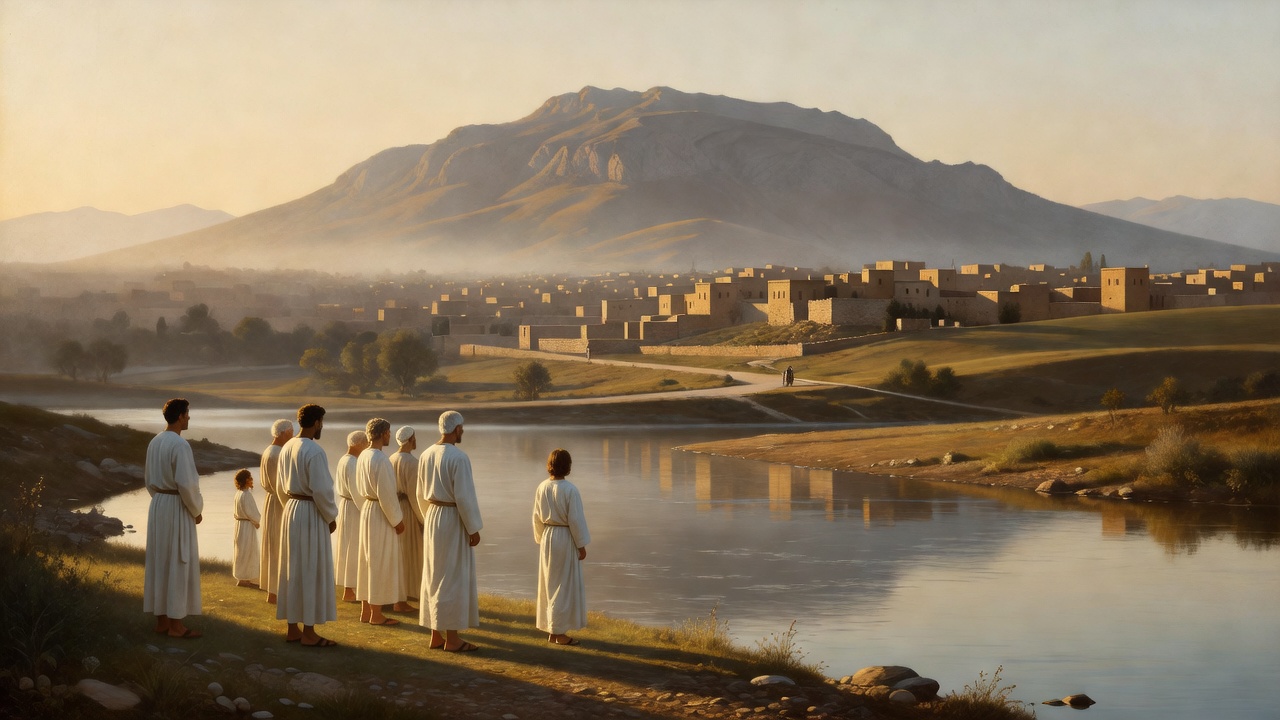
- O capítulo 3 do Apocalipse reúne cartas a igrejas de três cidades da Ásia Menor. Sardes, a metrópole da Lídia, ficava à beira do rio Pactolo, ao pé do monte Tmolo. Filadélfia, nome que significa “amor fraternal”, ficava a cerca de vinte e cinco milhas a sudeste de Sardes; Laodiceia ficava junto ao Lico, onde a Frígia e a Lídia se encontram, a cerca de quarenta milhas a leste de Éfeso.Fontes: Sardis · Philadelphia · Laodicea · o próprio texto bíblico
- Laodiceia chamou-se primeiro Dióspolis e depois Roas. Mais tarde recebeu o nome de Laodiceia por causa de Laódice, esposa de Antíoco II, rei da Síria, que a reconstruiu. O Easton's Bible Dictionary (1897) a apresenta como uma das cidades mais importantes e prósperas da Ásia Menor e como um antigo centro de destaque do cristianismo; na carta, diz-se que essa igreja afirma ser rica, ter enriquecido e não precisar de nada.Fontes: Laodicea · o próprio texto bíblico
- A carta a Filadélfia fala de uma “sinagoga de Satanás” e de pessoas que se dizem judias, mas a quem ela chama de mentirosas. Satanás significa “adversário” ou “acusador”, e no Novo Testamento o nome é usado de modo intercambiável com o diabo.Fontes: Satan · o próprio texto bíblico
Notas escritas com auxílio de IA a partir de fontes abertas (Theographic Bible Metadata, CC BY-SA 4.0; Easton’s Bible Dictionary, domínio público) e revisadas antes de publicar.
Lugares deste capítulo
- Sardis · 38.488, 28.040 · versículos 1, 4
- Philadelphia · Hoje: Alaşehir · 38.350, 28.517 · versículo 7
- Jerusalem · 31.777, 35.234 · versículo 12
- Laodicea · Hoje: Laodicea on the Lycus · 37.836, 29.108 · versículo 14
Só aparecem lugares com identificação de alta confiança (90% ou mais segundo as fontes acadêmicas reunidas pelo OpenBible). Mapa da época: DARE (Digital Atlas of the Roman Empire), CC BY 4.0; mapa atual: © colaboradores do OpenStreetMap; lugares: OpenBible.info (CC BY 4.0).
Créditos e licença desta tradução
Manikáne O Ehwehne
God's New Talk: The New Testament in the Awa Language of Papua New Guinea
Nupela Testamen long tokples Awa long Niugini
copyright © 1974, 1997 Wycliffe Bible Translators, Inc.
℗ Faith Comes by Hearing
Language: Awa
Translation by: Wycliffe Bible Translators
This translation is made available to you under the terms of the
Creative Commons Attribution-Noncommercial-No Derivatives license 4.0.
You may share and redistribute this Bible translation or extracts from it in any format, provided that:
You include the above copyright and source information.
You do not sell this work for a profit.
You do not change any of the words or punctuation of the Scriptures.
Pictures included with Scriptures and other documents on this site are licensed just for use with those Scriptures and documents.
For other uses, please contact the respective copyright owners.
2013-12-11
Fonte: http://png.bible/awb/ · eBible.org