Hebreus 5
Manikáne O Ehwehne · Toque num versículo para ver as referências cruzadas.
Sísa itene mibeq mahbeq aitéh ánínká ite kaweraitéh éhwéhne.
1Manikáne ehweh mibeq mahbeq aitéh ánínká ite Asiu ke séhréh aitankeheéq ite míonarabeqte ání mó tanáhráq mó aní mó tanáhráq mó anínue omaq sitáhwe. Manikánka itene ahbabáq kaweraitankeheéna wene ehweh mibeq mahbeq aitéh ánínká mó naneq mó nanerue Maniká titiratéhre. 2Titiratena we peh wehukení púana kaweqtaq íre mía míaorahire. Minayabe wega múguwahguo kereq áhwára áhwáraro kereq pehwehrue arítéhre.
3Manikáne ehweh mibeq mahbeq aitéh ánínká mó kené ahbabáqsabe Manikánsabe ménkámehnkáne korahqtaté titiratéhre. Íre peh morá mó kené ahbabáqsabe titiratéhre. We moq ahbabárorahi aní púana wewene ahbabáqsabeákáq Maniká titiratéhre.
4Mibeq mahbeq aitéh árámbéhríwé anotah arámbéhrí wíre. Minayabe wehukenínká, Íné mi arámbéhrí mirainie íre orahire. Mi arámbéhrí mirainkeheéna Manikánka wehukení omaq atena naho Áróni omaq atonserah omaq atéhre.
5Wehukenínká, Íné mi arámbéhrí mirainie íre orahúnserah Sísa Karáhéga, Néníwíq pankerena Manikáne ehweh mibeq mahbeq arítéh ání míanie íre úwe. Írakaumo. Manikánka wensabé omaq atena minayabe wene ehwehnka mahraréna,
Are nénahni móne. Ibora íné Arenabo ména anotah aní míahno atóge ire. (Buk Song 2.7)
6Wene ehwehnka mó mahraréna,
Are néne ehweh mibeq mahbeq aritahna aní ahriahri mía míainiewóne. Wehukení wenáwíq Mékíséréki néne ehweh mibeq mahbeq arítéh ání mía míaúnserah are moq mina tahnsa mía míainiewóne ire. (Buk Song 110.4)
7Sísa marakóipeq míotaq wega Maniká ehweh teawena púrerúwe. Manikánka Sísa puké tanahráq ahqáho atahráhú púana Sísaga anotahtaq púreréna áhnte ibisówe. We awahbeh iwíáh íre sehgira peh Maniká awahbeh iwíáh sehgiuwana Manikánka Sísaga púrerú ehweh irowe. 8Sísawe Manikáne ahninkáwá ména áhnte erúnsabe Wenabone ehweh sehgiu sansa ahtebówe. 9Sísaga Wenabone ehweh tábúsoqme sehgiunsabe amahnága Sísaga wene ehweh sehgíó ké kaweraritena oganúq sitahnara oga mérapeq mía míaonehrawoe. 10Minayabe Manikánka wensabé, Are néne ehweh mibeq mahbeq aritahna aní mía míainiewóne. Mékíséréki néne ehweh mibeq mahbeq arito ani mía míaúnserah are moq mina tahnsa mía míainiewóne atowe.
Káriq anínká mía míai serahniyeho i ehwéhne.
11Minayabe áhnte mó ehwéh kéhre. Itega íre apubúue ahtebahraho puana mah ehwéh teieyabe págege arámbéhríe. 12Ite íre wahto tanáhráq Sísane ehweh íráh púaq wene sánsá ahtebahtaq tahirímé mó ke síwáhnoro irino. Itega íre kawerue ahtebaronsabé Manikáne ehweh áwahewé mó anínká ite íwáhnorire. Inahunah ánínká págege tahutáhúq íre nahrahéna peh náh nehnserahnowe.
13Náh neh anínká pehgáriq aní púana tábúsoqmaréh sánsá íre ahtebahrahire. 14Págege tahutáhúqmé peh morá anonaninká nahrahire. Págege tahutáhúq nahraho kegá tábúsoqme iwíáhorahowe. Minayabe sega kaweq sansánkákáq íre kaweq sansánkákáq saraqmarera kawerue ahtebahrahowe.
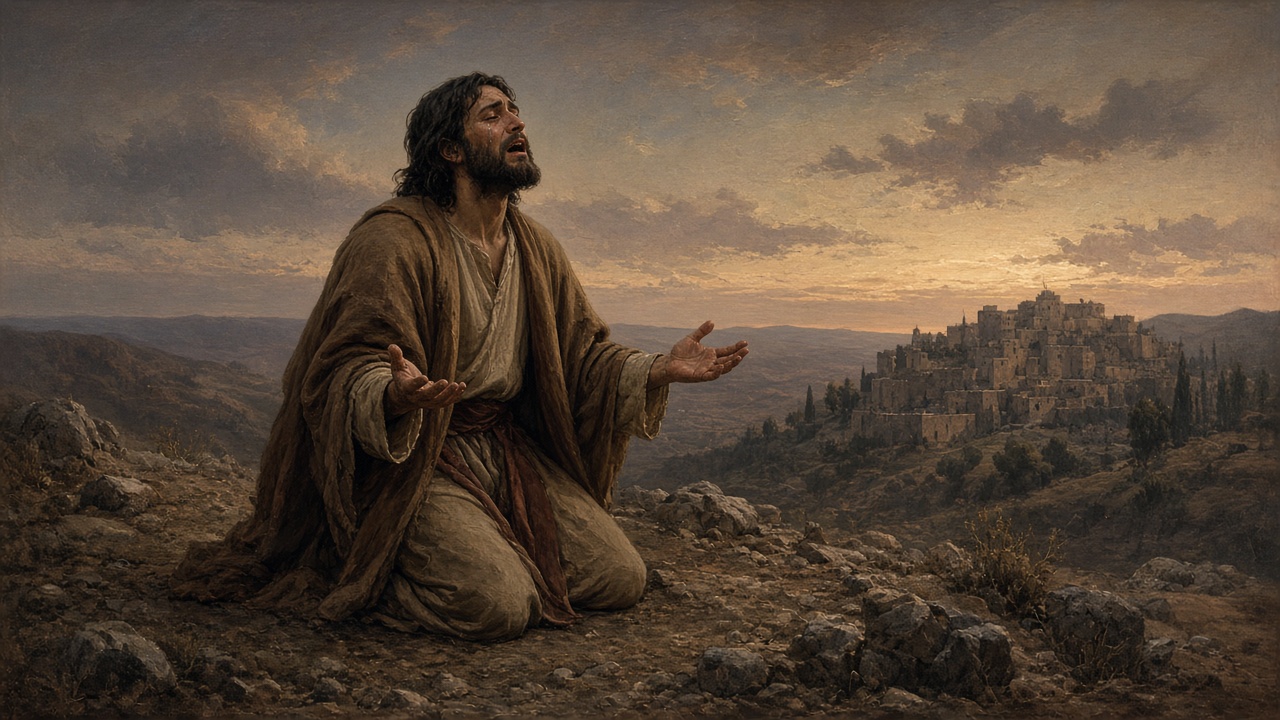
Você sabia?
Um sumo sacerdote chamado por Deus
- Hebreus 5 apresenta Arão como modelo de sumo sacerdote que não toma a honra para si, mas é chamado por Deus. Arão, filho mais velho de Anrão e Joquebede, nasceu no Egito três anos antes de seu irmão Moisés. Quando se aproximava a libertação de Israel do Egito, Deus o enviou ao encontro do irmão, ausente havia muito tempo, para que cooperassem na realização do Êxodo.Fontes: o próprio texto bíblico · Aaron
- Melquisedeque, cujo nome o Easton's Bible Dictionary (1897) explica como “rei de justiça”, era rei de Salém. Tudo o que o Antigo Testamento registra a seu respeito está em Gênesis 14:18–20, e ele só é mencionado mais uma vez, no Salmo 110:4. Hebreus 5 aplica a Cristo as palavras “Tu és sacerdote para sempre, segundo a ordem de Melquisedeque”, e o mesmo dicionário diz que Hebreus 7 expõe em detalhe a importância da sua história e apresenta o sacerdócio dele como superior ao de Arão, lembrando que Abraão lhe pagou o dízimo e que Melquisedeque abençoou Abraão.Fontes: o próprio texto bíblico · Melchisedec
Notas escritas com auxílio de IA a partir de fontes abertas (Theographic Bible Metadata, CC BY-SA 4.0; Easton’s Bible Dictionary, domínio público) e revisadas antes de publicar.
Créditos e licença desta tradução
Manikáne O Ehwehne
God's New Talk: The New Testament in the Awa Language of Papua New Guinea
Nupela Testamen long tokples Awa long Niugini
copyright © 1974, 1997 Wycliffe Bible Translators, Inc.
℗ Faith Comes by Hearing
Language: Awa
Translation by: Wycliffe Bible Translators
This translation is made available to you under the terms of the
Creative Commons Attribution-Noncommercial-No Derivatives license 4.0.
You may share and redistribute this Bible translation or extracts from it in any format, provided that:
You include the above copyright and source information.
You do not sell this work for a profit.
You do not change any of the words or punctuation of the Scriptures.
Pictures included with Scriptures and other documents on this site are licensed just for use with those Scriptures and documents.
For other uses, please contact the respective copyright owners.
2013-12-11
Fonte: http://png.bible/awb/ · eBible.org