Atos 15
Manikáne O Ehwehne · Toque num versículo para ver as referências cruzadas.
Tábúsoq marageheéra eqmaq súó ehwehne.
1Táhmaro Súría marákórápéqté kégá Ántíóka suwahpeq tuera Sísa tagaríáh ké síwáhnoruwe. Síwáhnoréra, Peh morá Mósísine sánsá sehgíó ké sene síú amurúrúáh kégá oga mérapeq awaq miahráhowe uwe. 2Uwara Porareq Páhnábásareqka mi ehwéhnsábé anotah ahqáho arítóye. Minayabe sereq tú kereqka anotah ehwéhuwe. Anotah ehwéhuwara Ántíóka suwahpeqte Sísa tagaríáh kégá Porareq Páhnábásareq táhmaro mó kereq omaq sitera Sarúsarama suwahpeq pokoro arítówe. Sarúsarama suwahpeq Manikánka eqmaro kereq Sísa tagaríáh ábóáwáh wéhreqsabé mi ehwéh tábúsoq marageheéra Porareh pokéwáhro arítówe.
3Sísa tagaríáh kégá pokéwáhro arítówara sega Pónísía marákóákáq Sámáría marákóákáq kótaikuwe. Kótaikutaq mitaqté Sísa tagaríáh ké teriera, Nahnso ke Sísansabé aiq pútare atówe ue teríúwe. Teríúwara moke sirupipeq iwíáh íwíáhéra eyoyóuwe.
4Porarehga Sarúsarama suwahpeq sutaq mibeqté eqmaro kereq Sísa tagaríáh ábóáwáh wéhreq moke Sísa tagaríáh kéreqka mehweh arítówe. Mehweh arítówara Porarehga Manikánka séhréh aritena moke miraú naneqkakaq teríúwe.
5Teríúwara táhmaro Sísansabé aiq pútare ató ke Péhrasi kené sánsá mirao kegá irigéra mahraruwe. Mahraréra, Nahnso kegá oga mérapeq awaq miagéhboq Mósísine áú amurúruto sansá miraoro terio. Mósísiga sehgíóro ú ehweh anterúéhboq kawerue sehgíóro terio uwe.
6Eqmaro kereq Sísa tagaríáh ábóáwáh wéhreqka mi ehwéhnsábé iwíáhoneheéra momiwíéra sío síouwana 7Pítaga irigéna sensabé, Nanuwahraho, ite tagariarome naho nahnso kegá kaweq ehwéh irera aiq pútare atageheéna Manikánka ite míaraunarabeq omaq intáráire. Omaq intena, Korerio aintáráire. 8Manikánka wehukene sirupipeq tagaríéhre. Wenawa iteba eqmaq áúwátáinserah nahnso keba moq eqmaq áúwátáire.
9Wega íre peh morá ite Asiu keyábé arutaboirire. Wega nahnso keyábé moq arutaboirire. Sega Sísansabé aiq pútare atáró puara sene sirupipeq kawerarítáráire. 10Aneqsabé Maniká áwíoqnaho? Mósísiga sehgíóro ú ehweh sehgie sansa anotah pagégé sánsáne. Itene igaqnaréhreq itereqka mi sansá íre tábúsoqme sehgioráhúne. Minayabe itega aneqsabé nahnso ke mi pagégé sánsá sehgíóro terieo? 11Íre mi sansá sehgiunaga oga mérapeq awaq miahráhúne. Peh morá itereq nahnso kereq Sísansabé aiq pútare atonaga oga mérapeq awaq miahráhúne úwe.
12Pítaga mi ehwéh irarue parabaruowara Porareq Páhnábásareqka momiwíuríó ke ehweh teríúyara ehiya míówe. Porararégá nahnso ke míópi Manikánka séhréh aritena ótaq sansámárí miraurai ehwéh teríúye.
13Teríúyana sene ehweh parabagútaq Sémísiga mahraréna, Nánuwahraho, néne ehweh íráhro. 14Manikánka nahnso ke we kahnáh míageheéna omaq sitáráire. Wega téh miraurainsabé Sáímóniga aiq teíre. 15Manikáne ehweh iraru kegá minayabe aiq monseráh éhwéh teiúwana Manikáne ehwehnka aiq mahraréna,
16Itene anotah Wahnáhnká mahraréna, Nah sokogi inserah Tébíti kahnáhmé ahbabárowe. Íné kouwekutaq sokogi nah pankeráhnserah íné Tébíti kahnáh kaweraritaníe. Sokogi nah pankeráhwana o nah tahnsa kéhnserah íné we kahnáh kaweraritaníe. 17Mó kegá íné sene Wahnahnsabé ninebahrigeheéna kaweraritaníe. Ómi ínéga omaq sitó náhnsó kégá ínénsabe ninebahréra iwíáh íwíáh aintagéhe ire.
18Naho itene anotah Wahnáhnká áwahewé sína naneq aiq teiuwe úwe.
Awehrio naneqsabé éhwéhne.
19Sémísiga mó mahraréna, Íné iwíáhume Manikánsabe áhrabo nahnsó kégá Maniká kéráh sánsá sene sirupipeq umeh agínehboq ahqáho ariteho. 20Peh mahrarue páhsi sehiranue terienéhe. Terieq,
Péhepehe maníkánsabe iwíáh íwíáhoneheéra titirirataq náíra naneq íre nahro. Mó kené ahrewe ahrariwe wehwe mahbiwe íre abarioro. Wehukenínká awio páríkí náneq ka íre nahro. Korahq íre nahro.
Mahraue páhsiipéq sehiranue terienéhe. 21Mósísine ehweh ahrena ahrena wehekáh Asiu kené momiwí nahmárítápéq ahriahri sáhnsáhówe. Wene ehweh moke mi kehiná suwahpeq síwáhnorowe. Minayabe wene ehweh író kega abiahnsaniyeho éra peh morá teiú náneqmarínsábé awehrioro ue páhsiipéq sehiranue terienéhe úwe.
Páhsiipéqté éhwéhnsábé éhwéhne.
22Eqmaro kereq Sísa tagaríáh ábóáwáh wéhreq moke mó Sísa tagaríáh kéreqka Ántíóka suwahpeqte ké korerigeheéra kaweq ke omaq sitanéhe íwíáhuwe. Sega itebaté téhtaré áníté Sáírásareq Súrása we mó awíq Pásábareq omaq sitowe. 23Omaq sitera mi anítéreq Porareq Páhnábásareq mi pahsí siera eqmaq súówe. Páhsiipéqté éhwéhnká mahraréna,
Síría marákórápéqté kéreq Sírísía marákórápéqté kéreq Ántíóka suwahpeqte kérero, ite nahnso ke owanawé Sísa tagaríáh púaq iteruwahrah úkowe. Ite eqmaro kereq aboawah wehreqka mah pahsí sehiranue teiune. 24Ite írátáúnawe menah táhmaro mahtaqté kégá iteba kure íwáhnorurowe. Mi ke íre eqmaq súátáunara peh seyega iwíáhue iteba pokue íwáhnorurowe. Itega sene ehwéh aiq pútaq ehwéhpómo éq iwíáh kikirurowe. 25Minayabe itega sío síoéq iteba Porararé moráráq iteba eqmaq súáhna aníté omaq sitone. Porareq Páhnábásareq itene kaweq iyáhnábó áníté méq sensabé irutaboirúne. 26Sereq itene Wahnah Sísa Karáhé éhweh terieyeheéra wehuke suboráho ke suwahpeq poku pokuóye.
27Mó aníté síwíq Súrásareq Sáírásareq míehye. Sega sehiranu ehwéh moq teigéhe.
28Manikáne Awanka iwíáh aitéhraq itega págege sansámárí íre teieq peh mahraue miraoro teiune.
29Péhepehe maníkámárínsábé iwíáh íwíáhoneheéra titiré náriu naneq íre nahro. Korahq íre nahro. Wehukenínká awio páríkí náneq ka íre nahro. Mó kené ahrewe ahrariwe wehwe mahbiwe íre abarioro.
Itega mahna irarúna ehwéh íréhrataqmé kaweqtaq míagehe. Pehénáe. Mah pahsí aiq parabagire. Iroro uwe.
30Eqmaq suowara sega pokue Ántíóka suwahpeq tuera sega Sísa tagaríáh ké momiwí aritera páhsi náríúwe. 31Náríúwara sáhnsahera mi pahsíípéqté éhwéhnká sirupipeq eyoyó aritowe. 32Súrásareq Sáírásareq Manikáne ehweh iraruya aníté méra Sísa tagaríáh ké págegeue míageheéra sega áhnte ehwéhnue síwáhnoruye. 33Síwáhnoréra táhmaro wehekáh mitaq méra seuwekoyehe íwíáhuyara pehwehrue pokéwáhtao éra eqmaq súówe. [ 34Sáírásaga mó iwíáhéna íre pokia peh mitaq míowe.] 35Porareq Páhnábásareqka Ántíóka suwahpeq kauye. Sereq áhnte mó kereqka Sísane ehweh teriera síwáhnoruwe.
Porararégá Máhkansabé ehwehuya ehwéhne.
36Táhmaro wehekáh sótaikútaq Poraga Páhnábásansabé, Sísane ehweh síwáhnorurauya ke suwahpeqtaq seuwekoyehe. Sísa tagaríáh ké kaweqtaq míahwapómo moke sensuwahpeq koragayehe úwe.
37Úwana Páhnábásaga, Sóni we mó awíq Máhkaga sénirahnata pokoyehe úwe. 38Úwana Poraga ahqáho atena, Itega Pámbíría marákórápéq pokurauyataq Máhkaga mitaq ite iuwena tabanaguraire. Mi tanáhráq wene arambehri íre parabarusa pehipi taqnobagurainsabé wega mó íre séirankéhe úwe.
39Mira íwíáhuyansabé sega ehwehuye. Minayabe Páhnábásaga Pora auwena Máhka meqmena sípi kéwewena Sáípára marákórápéq pokúwe. 40Pokúwana Poraga Sáírása omaq atowara Sísa tagaríáh kégá monseráh íwíáhéra, Pokéwáhtao éra mahrarue púreruwe. Púreréra, Maniká Iteriboo, arega mah anítéyábé arutaboiróna puah kawerue págege arite séhréh arito uwe. 41Uwara Porareq Sáírásareqka pokue Síría marákóákáq Sírísía marákóákáq Sísa tagaríáh ké momiwíurabeq págege aritayeheéra síwáhnoruye.
Você sabia?
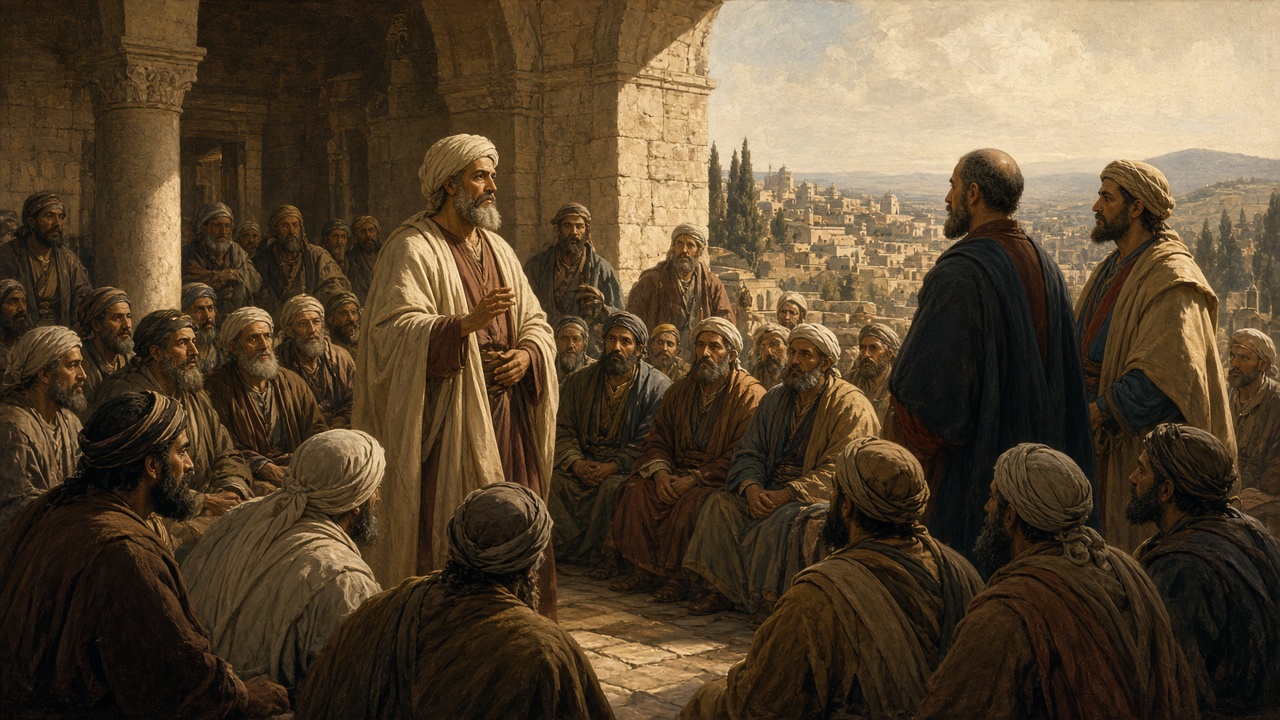
O concílio sobre os crentes gentios
- A controvérsia começou em Antioquia, às margens do Orontes, cerca de trezentas milhas ao norte de Jerusalém, cidade que então ocupava o terceiro lugar entre as cidades do Império Romano, depois de Roma e Alexandria. A caminho do concílio, Paulo e Barnabé passaram pela Fenícia, uma faixa litorânea de cerca de cento e vinte milhas, e pela Samaria. Uma nota cronológica data o Concílio de Jerusalém em 46 d.C.Fontes: Antioch (Syria) · Phenicia · o próprio texto bíblico · Jerusalem Council
- O Easton's Bible Dictionary (1897) afirma que Tiago, a quem chama de irmão ou parente próximo de Jesus, dirigia a igreja em Jerusalém e presidiu o concílio sobre os gentios. A carta que se seguiu foi endereçada aos crentes gentios em Antioquia, na Síria e na Cilícia. A Cilícia, província de origem de Paulo e província marítima romana no sudeste da Ásia Menor desde 67 a.C., incluía sua cidade natal, Tarso.Fontes: James (Brother of Jesus) · o próprio texto bíblico · Cilicia · Paul
- Judas, chamado Barsabás, e Silas, também conhecido como Silvano, eram profetas e homens de destaque da igreja de Jerusalém, enviados para confirmar pessoalmente a decisão do concílio. Um desentendimento posterior e acirrado por causa de João Marcos, primo de Barnabé, separou os dois missionários: Barnabé levou Marcos e embarcou para Chipre, enquanto Paulo escolheu Silas. Uma nota cronológica data essa separação em 47 d.C.Fontes: o próprio texto bíblico · Silas · John Mark · Paul and Barnabas part ways
Notas escritas com auxílio de IA a partir de fontes abertas (Theographic Bible Metadata, CC BY-SA 4.0; Easton’s Bible Dictionary, domínio público) e revisadas antes de publicar.
Lugares deste capítulo
- Antioch · Hoje: Antioch on the Orontes · 36.227, 36.172 · versículos 1, 22, 23, 30, 35
- Judea · Hoje: Judea 1 · 31.777, 35.234 · versículo 1
- Jerusalem · 31.777, 35.234 · versículos 2, 3, 4, 22, 23, 33
- Phoenicia · 33.271, 35.196 · versículo 3
- Samaria · Hoje: Samaria 2 · 32.276, 35.195 · versículo 3
- Cilicia · 36.913, 34.892 · versículos 23, 41
- Syria · Hoje: Syria 2 · 33.511, 36.306 · versículos 23, 41
- Pamphylia · 37.000, 31.000 · versículo 38
- Cyprus · 35.000, 33.000 · versículo 39
Só aparecem lugares com identificação de alta confiança (90% ou mais segundo as fontes acadêmicas reunidas pelo OpenBible). Mapa da época: DARE (Digital Atlas of the Roman Empire), CC BY 4.0; mapa atual: © colaboradores do OpenStreetMap; lugares: OpenBible.info (CC BY 4.0).
Créditos e licença desta tradução
Manikáne O Ehwehne
God's New Talk: The New Testament in the Awa Language of Papua New Guinea
Nupela Testamen long tokples Awa long Niugini
copyright © 1974, 1997 Wycliffe Bible Translators, Inc.
℗ Faith Comes by Hearing
Language: Awa
Translation by: Wycliffe Bible Translators
This translation is made available to you under the terms of the
Creative Commons Attribution-Noncommercial-No Derivatives license 4.0.
You may share and redistribute this Bible translation or extracts from it in any format, provided that:
You include the above copyright and source information.
You do not sell this work for a profit.
You do not change any of the words or punctuation of the Scriptures.
Pictures included with Scriptures and other documents on this site are licensed just for use with those Scriptures and documents.
For other uses, please contact the respective copyright owners.
2013-12-11
Fonte: http://png.bible/awb/ · eBible.org