Mateus 2
Ebe-No-Pfuasẹ Ishobọ Onogbọ · Toque num versículo para ver as referências cruzadas.
Epfẹse ni e rọte obini ovọ o te ẹ ngale bhale
1Ẹoli ni a lu iBẹtilẹẹmu obini ekẹ iJudia a bia iJesu shi, ẹghẹghẹ ni oghie ni a lu Erọdu ọ rọ khi oghie. Emọse elẹsingme eghuo e rọte obini ovọ o te ẹ ngale bhale ekẹ iJerusalẹmu. 2Ee mhila, ee liẹ, “Obo a bia ọni ọmọ ni ọ ya khi oghie ọyi ẹgbọ iJu shi? Irari khi anye she mẹ ukpẹtata oyọli obini ovọ o te ẹ ngale, lọli o zẹ khi anye bhale ni anye ya ga li.”
3Abi ọni oghie Erọdu ọ rọ suọ ona, egbe ẹa ke sheshe lọli ali ẹgbọ kpa ni e la iJerusalẹmu. 4Ọ luno ighie eyi ekpodalo-ugamhi nya ali esẹsẹ Ishi eyi iMosisi kugbe. Ọ mhila wẹ, ọọ wẹ, “Obo ẹ khi a ya bia iKirisiti Ọmiepfuese shi?” 5E gueyẹ ọli, “Ẹoli iBẹtilẹẹmu na ekẹ iJudia lọ.” “Irari khi ighọ emekẹguele e kẹkẹ shi ekẹ khi:
6“ ‘IBẹtilẹẹmu na ekẹ iJudia,
yẹyẹ u ga khi ọni ọ mu ẹloe nẹ nya
elemhi ẹoli eniẹmhi
ni e la ekẹ iJudia.
Ayẹ oghie ọ te ya lasele,
ni ọ ya ri ẹgbọ iZirẹni
khasẹ odẹ.’ ”
7Ighọ oghie Erọdu ọ lu eni emọse eghọ ochi, ọ mhila wẹ, “Ẹghẹghẹ onoghuo a rọ mẹ oni ukpẹtata?” 8Ighọ ọ ghie wẹ je iBẹtilẹẹmu, ọọ wẹ, “A ke lẹ, a kuegbe-a ya nono ọli. A kha da mẹ ọli ne, a nyenẹ egbe bhale ya gueyẹ mhẹ ni mhi li ya ga li.”
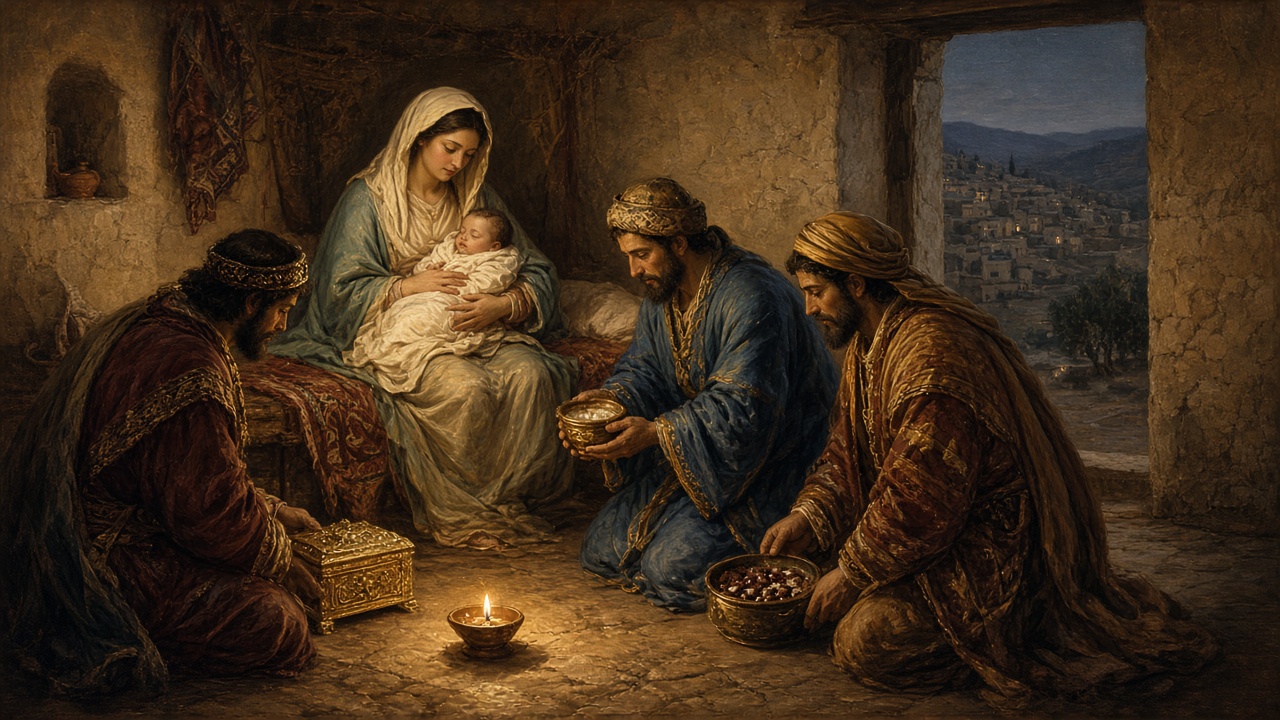
9Abi e rọ suọ abi Erọdu ọ ngme se, e te aghọ fiẹ lasele. Ighọ e gbo mẹ oni ukpẹtata ni e kpẹ mẹ obini ovọ o te ẹ ngale. O rẹ wẹ khasẹ odẹ ya ramhi ni o rọ migha ukhomhi oni owa ni ọni ọmọ ọ la. 10Egbe e mema mu wẹ abi e rọ mẹ oni ukpẹtata. Epfẹse aasẹ ali ukpẹtata oyi iJesu|src="CN01629b.tif" size="col" loc="MAT 2.10" copy="TIF" ref="2.10" 11Ighọ e lo elemhi oni owa. Abi e rọ mẹ ọni ọmọ ali inyọli iMeli, e wugha e ga li. E khueghie ẹkuẹ ni e tsua-a, e rue igolu ali afu ituale ali oili ituale ni ẹẹ pfie ni e ghalẹ somhi ọli opfa. 12Ighọ Ẹshinẹgba ọ tse agua yẹ wẹ alo ẹlena e khi gbo nyenẹ egbe ukhokho deba ọni oghie. Itobọ ighọ e rọte odẹ olese ya je apfẹ.
A rue iJesu na je ekẹ iJipiti
13Abi eni emọse e rọ je se, agẹni ọyi Ọnọmhuẹ ọ gueyẹ iJosẹfu alo ẹlena, ọọ li, “Erọdu ọọ nono ọni ọmọ ọna ni luẹ gbe ọli-a. Rue ọli ali inyọli na je ekẹ iJipiti. La aghọ ramhi ẹghẹghẹ ni mhi rọ ya gueyẹ u rọte aghọ vu.” 14Obili o bi, iJosẹfu ọ rue ọni ọmọ ali inyọli na je ekẹ iJipiti. 15Oobọ ọ la ramhi ni oghie Erọdu ọ rọ ghu-a. Eri Ẹshinẹgba ọ riẹlẹ ona ni a rọ bhale ya ẹ khi emini ọmekẹguele ọ ngme khi o bhale ya tsẹ. Ni ọọ, “Ekẹ iJipiti mhi te lu omi mhẹ.”
Erọdu ọ shi ushi a gbolo eniyẹ enikeke-a
16Abi Erọdu ọ rọ mẹ khi eni emọse ni e rọte obini ovọ o te ẹ ngale bhale eghọ khi e di luẹ, Elemhi ee bi ọ egbegbọ. Ọ shi ushi a gbolo eniyẹ emọse enikeke ni e la ẹoli iBẹtilẹẹmu ali ẹoli ni e la gasẹ ọli-a nya. Eniyẹ rọte ikpe eva tiemhi ekẹ, abi eni epfẹse e gueyẹ ọni oghie ẹghẹghẹ ni e rọ mẹ oni ukpẹtata.
17Abi a li mẹ ọli ena, o ri ungmemhi ni ọmekẹguele iJeremaya ọ ngme bhale ya tsẹ.
18“A suọ okokokhuẹ
ekẹ iRama,
ni o khi oyi eviẹ,
ali eviẹ oya.
IRechẹ ọọ viẹ imi ọli,
Àá yẹsẹ ọli,
ọa zẹ yẹsẹ, irari
khi imi ọli e ghulo-a.”
IJosẹfu ali apfọli e rọte ekẹ iJipiti jele apfẹ
19Erọdu ọ ghu-a se, agẹni ọyi Ẹshinẹgba ọ bhale deba iJosẹfu alo ẹlena obini ekẹ iJipiti. 20Ọọ, “IJosẹfu, vule, rue omiẹ ali ughuẹ, a ke je ekẹ iZirẹni irari khi eni ẹẹ nono ni wẹwẹ e gbe ọni ọmọ-a, e she ghuloa.”
21Ighọ iJosẹfu ọ vule, ọ rue ọni ọmọ ali inyọli, ọ nyenẹ egbe je ekẹ iZirẹni. 22Eri-tsẹ khi abi iJosẹfu ọ rọ suọ khi Achẹlusi ọ ke shitọ ukpẹkhomhi oyi itali shi ekẹ iJudia, ulishi o mu ọli ọa gbudu je oobọ, ọ ri ochoghọ ya je obini ekẹ iGalili abi agẹni ọ she kpẹ tse agua yẹ ọli. 23Ọ ri iNazarẹti mele apfẹ oyọli-a. Irarighọ, ungmemhi ni emekẹguele e ngme, o bhale ya tsẹ. Ni ọọ. “A ya ke lu ọli ọngi iNazarẹti.”
Você sabia?
Magos, Herodes e Nazaré
- O rei Herodes deste capítulo é Herodes, o Grande. Seu filho Arquelau, tido com Malthace, uma mulher samaritana, herdou um terço do reino: a Idumeia, a Judeia e a Samaria. Até poucos dias antes da morte de Herodes, outro filho, Antipas, havia sido nomeado sucessor, mas, em seus últimos momentos, Herodes nomeou Arquelau; por medo dele, José desviou-se da Judeia e retirou-se para a Galileia.Fontes: Archelaus · o próprio texto bíblico
- Mateus relaciona a morte dos meninos em Belém com palavras ditas pelo profeta Jeremias: uma voz em Ramá, Raquel chorando por seus filhos. Raquel, uma das esposas de Jacó, morreu ao dar à luz Benjamim e foi sepultada à beira do caminho para Efrata, isto é, Belém, logo ao norte da cidade. Seu sepulcro é objeto de grande veneração entre os judeus.Fontes: o próprio texto bíblico · Rachel · Bethlehem
- Belém, na região montanhosa de Judá, chamava-se antes Efrata e também era conhecida como a cidade de Davi; sob os romanos, ficava na Judeia, a mais meridional das três divisões da Palestina. José e Maria foram, em vez disso, para Nazaré, na Galileia, sua terra, uma cidade não mencionada no Antigo Testamento. Em geral, supõe-se que o nome Nazaré venha do hebraico netser, um broto ou rebento, embora alguns o liguem a uma palavra que significa guardar ou vigiar.Fontes: Bethlehem · Judea · Nazareth · o próprio texto bíblico
Notas escritas com auxílio de IA a partir de fontes abertas (Theographic Bible Metadata, CC BY-SA 4.0; Easton’s Bible Dictionary, domínio público) e revisadas antes de publicar.
Lugares deste capítulo
- Bethlehem · 31.704, 35.208 · versículos 1, 5, 6, 8, 9, 16
- East · Hoje: region around Amman · 31.955, 35.934 · versículos 1, 2, 9
- Jerusalem · 31.777, 35.234 · versículos 1, 3
- Judea · Hoje: Judea 1 · 31.777, 35.234 · versículos 1, 5, 22
- Egypt · 30.129, 31.308 · versículos 13, 14, 15, 19
- Galilee · 32.760, 35.527 · versículo 22
- Nazareth · 32.702, 35.298 · versículo 23
Só aparecem lugares com identificação de alta confiança (90% ou mais segundo as fontes acadêmicas reunidas pelo OpenBible). Mapa da época: DARE (Digital Atlas of the Roman Empire), CC BY 4.0; mapa atual: © colaboradores do OpenStreetMap; lugares: OpenBible.info (CC BY 4.0).
Créditos e licença desta tradução
Ebe-No-Pfuasẹ Ishobọ Onogbọ
New Testament in Ivbie North-Okpela-Arhe (NI:atg:Ivbie North-Okpela-Arhe)
copyright © 2012 Wycliffe Bible Translators, Inc.
Language: Ivbie North-Okpela-Arhe
Translation by: Wycliffe Bible Translators, Inc.
Copyright Information
© 2012, Wycliffe Bible Translators, Inc. All rights reserved.
This translation text is made available to you under the
terms of the Creative Commons License: Attribution-Noncommercial-No Derivative Works.
( http://creativecommons.org/licenses/by-nc-nd/3.0/ )
In addition, you have permission to port the text to different file formats, as long as you
do not change any of the text or punctuation of the Bible.
You may share, copy, distribute, transmit, and extract portions
or quotations from this work, provided that you include the above copyright
information:
You must give Attribution to the work.
You do not sell this work for a profit.
You do not make any derivative works that change any of the actual words or punctuation of the Scriptures.
Permissions beyond the scope of this license may be
available if you contact
us with your request.
Printed book ISBN 9789789194797
The New Testament
in Ivbie North-Okpela-Arhe
© 2012, Wycliffe Bible Translators, Inc. All rights reserved.
This translation is made available to you under the terms of the
Creative Commons Attribution-Noncommercial-No Derivatives license 4.0.
You may share and redistribute this Bible translation or extracts from it in any format, provided that:
You include the above copyright and source information.
You do not sell this work for a profit.
You do not change any of the words or punctuation of the Scriptures.
Pictures included with Scriptures and other documents on this site are licensed just for use with those Scriptures and documents.
For other uses, please contact the respective copyright owners.
2019-08-09
Fonte: http://ebible.org/atgNT/ · eBible.org