Mateus 10
Ebe-No-Pfuasẹ Ishobọ Onogbọ · Toque num versículo para ver as referências cruzadas.
IJesu ọ ghie ighiusomhi na kẹẹ ogbava eyọli fiẹ
1IJesu ọ lu eniyẹ odukhokho ogbava eyọli kugbe. Ọ ri afu na wẹ, e ke ya khu iyẹmhẹ ebe ọdọda ẹgbọ egbe-a, e gbo ri ẹgbọ ni e mhuẹ ighuamhi ọdọda ke ze.
2Eva eyi eni ighiusomhi na kẹẹ ogbava na. Ọni ododẹ khi ISamọ ni a gbolo o lu iPita, ali inyọghuo ọli, Aduru. IJemhisi ali inyọghuo ọli ni a lu iJọni ni e khi imi iZebedi. 3IFilipu ali iBatolomiu. ITọmọsi ali iMatiu ni e khi emionoga. IJemhisi omi Afeusi ali iTadiusi. 4ISamọ ni ingme o ghọ mu egbe ali iJudasi Isikarọti ni ọ ri iJesu dẹ.
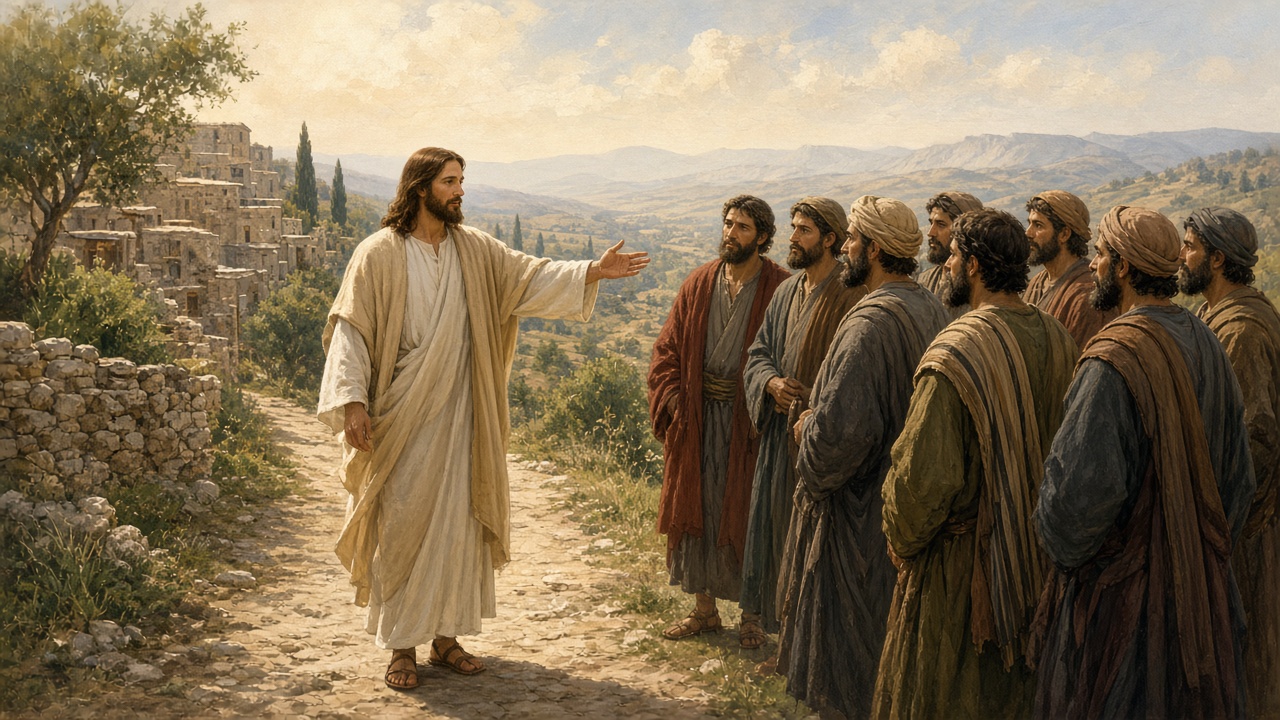
Usomhi ni a ghie eni etuogbava
5IJesu ọ ghie eniyẹ odukhokho ogbava ena fiẹ, ọ tse agua yẹwẹ, ọọ wẹ, “A khi je ẹoli oyi ẹgbọ iJẹta wẹkhi ẹoli na ekẹ iSameria. 6Ochoghọ a lẹ deba ẹgbọ iZirẹni ni e li abi isumha ni e waa. 7Abi a liẹ ke lẹ, a ke tse abọ usomhi ona-yẹwẹ, a liẹ wẹ, ‘Eghiele oyi Ẹshinẹgba o she ti bhale.’ 8A ri ẹgbọ ni e mhuẹ ighuamhi ze, a ri eni e mhuẹ efafe ze, a guise eni e ghu-a le, eni e mhuẹ ayẹmhẹ ebe, a khu wẹ ẹwẹ egbe lasele. Afuẹ a ri eni ekpabọ ena na ẹ, a rẹ wẹ kpaghiẹ ẹgbọ obọ afuẹ, a khi mie ifata shi ọ. 9Abi a liẹ lẹ ena, a khi tsua ukpaghọ okhọghuo shi ọmọ-emhi. 10A khi tsua ẹkuẹ pfi sọ, wẹkhi itsua na rọ sọ elese, wẹkhi ekuẹ ni a sọ, wẹkhi ukpokpo na rọ a to ọkpọ, irari khi asha ni ọgbọ ọ la gbe aghọ ọ te ẹ le.
11“Ẹoli oni a da bhale kpa, a kushi ayi ọgbọ nọ da kpẹ abọ mie ẹ, ramhi ẹghẹghẹ ni a ya rọte aghọ vu. 12Neni a ya sọ ukhomhi owa okhọghuo, a kpe liẹ, ‘Opfọmhẹ o la oni owa ona.’ 13Ini ẹgbọ ne la oni owa e kpe abọ mie ẹ, opfọmhẹ oyẹẹ o ka nu wẹ la, ama, ini ẹa mie ẹ, opfọmhẹ oyẹẹ o gbo nyenẹ deba ẹ. 14Ini a bhale ẹoli, khi ẹgbọ ne la oni ẹoli ẹa da kpe abọ mie ẹ ne, a kpe abọ ọ-a na wẹ ini a te ọ fiẹ lase. 15Ogbẹlẹ iguẹzọ, mhi gueyẹ ẹ khi Ẹshinẹgba ọ ya mhọli isomhelemhi na ẹgbọ iSodomu ali iGomora dọsẹ oni ẹoli oghọ. 16A sato khi eri mhi ghie ẹ fiẹ lase abi isumha ne la ifuabọ idumhi. Irarighọ, a zẹ ni a lẹsẹ ingme abi ẹnyẹ, ama a mhuẹ ikuegbe-a abi anekhukhu.
Okhọli ni a ya mu vule shi ẹ ọ
17“A mu egbe ẹ tsukẹ, irari khi ẹgbọ e ya mu ẹ bhale ikọtu, odalo egbhali ni ẹẹ sọ ẹzọ. E gbe ẹ itali elemhi owa ugamhi eyẹwẹ. 18E ya ri itobọ eva oyẹmhẹ muno e bhale deba igọvunọ ali enighie, ni a gue usomhi onete oyẹmhẹ yẹ wẹ. A gbo pfi ọtsẹlẹ oyẹmhẹ yẹ ẹgbọ iJu ali ẹgbọ iJẹta. 19A khi yele abi a ya ngme ali abi a ya sọ wẹ, ini e muno ẹ bhale agbala ẹzọ. Irari khi emini a ya ngme o ya bhale unu oyẹ ẹ ẹghẹghẹ ni a nono ọli shi. 20Irari khi ingmemhi ni a ya ngme, ẹa ya khi eyẹ ẹ. Ayẹmhẹ-nọ-pfuasẹ oyi Ẹshinẹgba ni ọ khi ita ẹ, ọ ya ri ungmemhi ni a ke ngme shi ẹ unu.
21“Ẹghẹghẹ na ngme ena, ẹgbọ e ya ri inyọghuo wẹ bhale ni a gbe-a, ita eniyẹ e wolọ imi wẹ bhale na gbolo-a, ighọ eniyẹ e li ya rue itawẹ bhale na gbe-a. 22Ẹgbọ kpa e ya ke biselemhi ẹ shi irari oyẹmhẹ. Ama ọgbọ ni ọ da mu irudunga oyọli mhuẹ ramhi ukpẹsẹ ne, lọli a ya mie pfuese. 23Ini a la asheghuo mu okhọli vule shi ẹ ọ, a na je ẹoli olese. Mhi zẹ ẹ lẹsẹ khi, aa ya gbe akanya ona pfo ne ekẹ iZirẹni neni Omi Ọgbọ ọ nyenẹ egbe ẹ bhale.
24“Ọmọ odukhokho ọa lẹsẹ dọsẹ ọga ọyọli, wẹkhi eri ọni ọọ ga ọgbọ ọ ya fu dọsẹ ọga ọyọli. 25Ọmọ odukhokho ọ dobẹ ya li abi ọga ọyọli, ọni ọọ ga ọgbọ ọ ya dobẹ li abi ọga ọyọli. Ini a lu ọdapfẹ iBezebọ, sẹẹ a ke bẹshi ẹ lu eni e la oni ọmhuẹ-apfẹ oyọli.
Ọni a ya ke na ulishi oyọli
26“Itobọ ighọ a khi zẹ ni ulishi o mu ẹ irari khi aa mẹ emini a gba khukhu ni ọa ya khueghie a, wẹkhi eri a mẹ emini o sheli ni ọa ya lasele. 27Emini mhi gueyẹ ẹ ẹliyọsẹ a ngme ọli lasele ini ogbe o gbe-a. Ungmemhi ni a bẹna gueyẹ ẹ, a la ukhomhi owa ngme ọli lase ni ẹgbọ e suọ gboo. 28A khi na ulishi ẹgbọ ni o khia khi idiegbe e lẹsẹ dobẹ ya gbe-a, ni ẹa dobẹ ya pfuse ọgbọ ayẹmhẹ-a. Ama a na ulishi oyi Ẹshinẹgba nọ kha gbe-a se ọ gbo mhuẹ ekpabọ rọ ya pfuse ayẹmhẹ-a elemhi ilimhi iriẹriẹ. 29U lẹsẹ khi ukpaghuo a ri ipfeli otuava dẹ? Ama aa mẹ ọngẹwẹ ni ọ ya ghu-a ni Ẹshinẹgba ọa ya lẹsẹ. 30Ẹshinẹgba ọ she leli egbegbi itsu ni e la ẹ ukhomhi nya. 31Itobọ ighọ, a khi zẹ ni ulishi o mu ẹ, irari khi a mu ẹloe dọsẹ ipfeli ni e bububu.
Eni e migha na iJesu ali eni e kie ọli
32“Ọgbọ ni ọ da gue ungmemhi oyẹmhẹ yẹ ẹgbọ ne, mhi ya li gue ingme oyọli ye Itamhẹ ni ọ la iloghie. 33Ama ọnini ọ da la ukpẹloe ẹgbọ kie mhẹ, mhi ya li kie ọli ukpẹloe oyi Itamhẹ na obini iloghie.
IJesu ọa ri opfọmhẹ bhale ama okemhi
34“A khi sa khi opfọmhẹ mhi rọ bhale ekẹ agbọ. Mhi aa rọ opfọmhẹ bhale, ama ọgbhọrọ. 35Eri mhi bhale ya to okhuẹ na
“ ‘Ọmọse ali itali,
ọkpotso ali inyọli,
ọsamọ ali inyọdọli.
36Unuẹkpẹ oyi ọgbọ,
ebe ọli e la.’
37“Ọgbọ ni ọ da nono ingme oyi ita okekhi inyọ dọsẹ ingme oyẹmhẹ ne, ọa ya dobẹ khi ọmọ odukhokho ọyẹmhẹ. Ọgbọ ni ọ da nono ingme oyi omi ọli dọsẹ mhẹ ne, ọa ya dobẹ khi ọmọ odukhokho ọyẹmhẹ. 38Ọgbọ ni ọa da kpha apfida oyọli tsua ni ọ ke deba ẹtẹ-awẹ oyẹmhẹ ne, ọa ya dobẹ khi ọmọ odukhokho ọyẹmhẹ. 39Ọni ọ da mu agbọ oyọli mhuẹ gagaga ne, o mema ya de ọli obọ-a, ama ọni rue agbọ oyọli obọ-a shi ekẹ itobọ oyẹmhẹ ne, ọ ya mẹ eleli agbọ oyọli.
Eleli
40“Ọgbọ ni ọ da kpe abọ mie ẹ ne, mhẹmhẹ ọ kpe abọ mie. Ọni ọ da kpe abọ mie mhẹ, ọni ọ ghie mhẹ ọ kpe abọ mie. 41Ọgbọ ni ọ da kpe abọ mie ọmekẹguele ọyi Ẹshinẹgba ne, ọ ya mhuẹ isomhopfa onayi ọmekẹguele. Ọni ọ da kpe abọ mie ọgbọ ni ọ pfuasẹ ne irari khi ọ da khi ọgbọ ni ọ pfuasẹ, ọ ya mhuẹ eleli oyi ọgbọ ni ọ pfuasẹ. 42Ini ọgbọkhọghuo ọ diẹ amẹ ni e pfọmhẹ na ẹgbọ eni ẹa mu ẹloe ena da ne, irari khi e da khi eniyẹ odukhokho eyẹmhẹ, mhi gue ọ yẹ ẹ guẹguẹguẹ khi eleli oyọli ọa ya de ọli obọ a.”
Você sabia?
Os doze enviados em missão
- Simão, chamado Pedro, e seu irmão André — o primeiro par nomeado entre os doze — eram pescadores de Betsaida, na costa ocidental do mar da Galileia. Tiago e João, citados em seguida, eram filhos de Zebedeu, um pescador da Galileia que tinha os próprios barcos e empregados.Fontes: o próprio texto bíblico · Simon Peter · Andrew · Zebedee
- Mateus, identificado na lista como o cobrador de impostos, era filho de Alfeu e antes era conhecido como Levi; recolhia impostos em Cafarnaum, e o nome Mateus significa “dom de Deus”. Tomé, nomeado ao lado dele, também era chamado Dídimo, o equivalente grego do nome hebraico, que significa “gêmeo”. Bartolomeu significa “filho de Tolmai” e, em geral, se supõe que seja a mesma pessoa que Natanael.Fontes: o próprio texto bíblico · Matthew · Thomas · Bartholomew
- Jesus adverte que o dia do juízo será mais tolerável para Sodoma e Gomorra do que para uma cidade que recusar os doze apóstolos. O Dicionário Bíblico de Easton (1897) descreve essas cidades da planície de Sidim como destruídas pelo fogo e proverbiais pela maldade, e as situa, provavelmente próximas uma da outra, perto da extremidade norte do que hoje é o mar Morto.Fontes: o próprio texto bíblico · Sodom · Gomorrah
Notas escritas com auxílio de IA a partir de fontes abertas (Theographic Bible Metadata, CC BY-SA 4.0; Easton’s Bible Dictionary, domínio público) e revisadas antes de publicar.
Créditos e licença desta tradução
Ebe-No-Pfuasẹ Ishobọ Onogbọ
New Testament in Ivbie North-Okpela-Arhe (NI:atg:Ivbie North-Okpela-Arhe)
copyright © 2012 Wycliffe Bible Translators, Inc.
Language: Ivbie North-Okpela-Arhe
Translation by: Wycliffe Bible Translators, Inc.
Copyright Information
© 2012, Wycliffe Bible Translators, Inc. All rights reserved.
This translation text is made available to you under the
terms of the Creative Commons License: Attribution-Noncommercial-No Derivative Works.
( http://creativecommons.org/licenses/by-nc-nd/3.0/ )
In addition, you have permission to port the text to different file formats, as long as you
do not change any of the text or punctuation of the Bible.
You may share, copy, distribute, transmit, and extract portions
or quotations from this work, provided that you include the above copyright
information:
You must give Attribution to the work.
You do not sell this work for a profit.
You do not make any derivative works that change any of the actual words or punctuation of the Scriptures.
Permissions beyond the scope of this license may be
available if you contact
us with your request.
Printed book ISBN 9789789194797
The New Testament
in Ivbie North-Okpela-Arhe
© 2012, Wycliffe Bible Translators, Inc. All rights reserved.
This translation is made available to you under the terms of the
Creative Commons Attribution-Noncommercial-No Derivatives license 4.0.
You may share and redistribute this Bible translation or extracts from it in any format, provided that:
You include the above copyright and source information.
You do not sell this work for a profit.
You do not change any of the words or punctuation of the Scriptures.
Pictures included with Scriptures and other documents on this site are licensed just for use with those Scriptures and documents.
For other uses, please contact the respective copyright owners.
2019-08-09
Fonte: http://ebible.org/atgNT/ · eBible.org