Efésios 4
Ebe-No-Pfuasẹ Ishobọ Onogbọ · Toque num versículo para ver as referências cruzadas.
Ikugbe onayi eni e miesuọ
1Mhẹmhẹ ni mhi ri itobọ khi mhia ga Ọnọmhuẹ la owa ighumha, mhi lema ẹ, a ke ngeli ingeli enete, enabi Ẹshinẹgba ọ́ ọ a ke ngeli ẹghẹghẹ ni ọ rọ lu ẹ. 2Emini a riẹlẹ nya, a ke ti egbe ẹ tiemhi ekẹ, a ri ọfiẹ ali ikuegbe-a nu egbe ke ngeli. A ri inono ni a nono egbe ri ipfọmhẹ-udu ke ngeli. 3A rọshẹka mu ikugbe ni Ayẹmhẹ-nọ-pfuasẹ o ku awa gbe mhuẹ ali elemhi opfọmhẹ ni o gẹnọ awa kugbe. 4Idiegbe oghuo awa khi, Ayẹmhẹ-nọ-pfuasẹ ọghuo ọ la awa egbe, Ighọ awa gbo li ri ẹloe shi ekẹ ẹ khẹ iregbenga oghuo oyi imiepfuese ni Ẹshinẹgba ọ rọ nga na awa abi ọ rọ lu awa. 5Ọnọmhuẹ ọghuo ni ọ khi iKirisiti, ali irudunga oghuo, ali ibatizi oghuo, awa mhọli. 6Ẹshinẹgba ni ọ khi itawa nya, awa a ga, lọli ọ mhẹsẹ a na awa nya, lọli ọ ri awa a gbe akanya oyọli, lọli ọ gbo la agbọ oyawa nya.
7Ama iKirisiti ọ́ kemhi afu ọdọda kẹ a na ọgbọgbọ ni ọ rọ ke gbe akanya oyọli. Lọlighuo ọ mhẹsẹ abi ọ li kemhi wẹ. 8Ona o zẹ ni ungmemhi oyi Ẹshinẹgba o rọ ọ. “Abi ọ rọ khọli ebe ọli pfuse-a nya, ọ nga obini o yagha nẹ nya, ọ ri ebe ọli ni ọ mu ọ le la orọlọ, ee deba li ukhu-khokho abi eni a mu okhọli. Ọ tigbe kemhi isomhopfa enete na ẹgbọ.” 9Emini a ri ungmemhi oyi Ẹshinẹgba ona ngme, ni ọọ, “Ọ nga obini o yagha,” lọli khi, eri iKirisiti ọ kpẹ tiemhie agbọ ona, neni ọ nga idane obini o yagha. 10IJesu iKirisiti ọni ọ tiemhie agbọ ona, ọ gbo nga obini idane iloghie ni o yagha nẹ nya, ini ọ zẹ emhikpa ukhomhi ni e guẹ ga ti. 11IKirisiti ọ kemhi afu na kẹ na ọgbọgbọ. Ọ zẹ eghuo ighiusomhi na kẹẹ eyọli, ọ zẹ eghuo emekẹguele eyi Ẹshinẹgba, Ọ zẹ eghuo eni e kia tse abọ ungmemhi oyi Ẹshinẹgba, ọ zẹ eghuo eni eri ukpẹloe ẹ khu ẹgbọ eyi Ẹshinẹgba ali eni ẹ sẹsẹ wẹ. 12Eri ọ lina kemhi afu na wẹ ni e rẹwẹ ke gbe ikanya eyọli, ini eni e khi idiegbe oyọli e ke fu shọ, isheghọ ni idiegbe oyi iKirisiti o totoa elemhi ugamhi oyọli. 13Ina a li ya ke mẹ ọli, ramhi ẹghẹghẹ ni awa nya awa rọ kugbe ẹ khi ọghuo (abi awa mie Ẹshinẹgba suọ, ni awa gbo lẹsẹ omi ọli), ya ramhi ni awa rọ fu shi imiesuọ mele eni e womhẹloe shi imiesuọ, ramhi ni awa rọ ya womhẹloe nya abi iKirisiti. 14Ẹghẹghẹ aghọ awa aa ke ẹa li abi eniyẹ, ini ẹgbọ eni ẹ di ẹgbọ e khi dobẹ di awa ya mie emini ẹa khi egbegbingme suọ. Awa aa ke ya li abi ọkọ-okẹ oniẹmhi ni akpekpeli oniẹmhi o tsua gasẹ ukhomhi okẹ oniẹmhi, 15ni awa ri ochoghọ ke ngme igẹsikia elemhi inono, ni awa womhẹloe shi emhikpa, ni awa li abi iKirisiti Ọnọmhuẹ, ọni ọ li abi ukhomhi, awa li abi idiegbe oyọli. 16IKirisiti ọ ku ẹgbọ eyọli nya gbe abi idiegbe ọgbọ o tono elamhi manọ khi oghuo, ni uguabọ ọgbọgbọ o liẹ gbe akanya oyọli. Ẹghẹghẹ aghọ oni idiegbe nya o fu, o totoa, o womhẹloe shi ọ, ẹgbọ e mhọli inono na egbe.
Awa mu ingeli eyi awa pfi
17Itobọ ona, mhi lo ye ẹ ude, itobọ eva oyi Ọnọmhuẹ, a khi gbo ngeli abi ẹgbọ ni ẹa lẹsẹ Ẹshinẹgba, ni usamhi ni ẹẹ sa ọa mu amẹ. 18Ẹgbọ eghọghọ ẹa ya dobẹ lẹsẹ udi emhi eyi Ẹshinẹgba gboo. Ẹa mhuẹ obọ shi agbọ onogbọ oyi Ẹshinẹgba, itobọ umha lẹsẹ Ẹshinẹgba oyẹwẹ, igbe udu oyẹwẹ o tsua ghi wẹ. 19Egbe ẹa kẹ lili wẹ ini ẹ riẹlẹ ingme ebe. E she ri egbe wẹ na ikanya ebe eni ẹ ghọle wẹ dẹ. Ingeli khi ingeli eyi itsẹbọ ẹẹ ngeli. Ingeli eghọghọ ẹ ghọle wẹ ẹghẹghẹ kpa e ke ngeli.
20Ama, ọa khi ina a sẹsẹ ẹ a li ke ngeli abi a rọ lẹsẹ mie iKirisiti suọ. 21Mhi lẹsẹ khi a she suọ ingme oyọli, a gbo sẹsẹ ẹ igẹsikia ni o la ingme oyọli. 22Emini a sẹsẹ ẹ khi, a khi ke ngeli eni ingeli ni a kpẹ ngeli, ni ọghuẹmhẹ egbe ni ẹa ti eghọ e rẹ ẹ ngeli, ni e yese ẹ agbọ-a. 23A zẹ ni Ẹshinẹgba ọ mu isamhi ali ingeli eyi ẹ pfi ya khi enegbọ. 24Ẹshinẹgba ọ she ri ingeli enegbọ enabi eyọli na ẹ. Itobọ ighọ a ke ngeli abi Ẹshinẹgba, elemhi ingeli enete ali ipfuasẹ.
25Irarighọ, a khi ke gbo lo ẹgbhọli, ama a ke gue igẹsikia ye egbe, itobọ khi eri awa li abi iguabọ ọdọda eyi idiegbe oghuo. 26Ini u mẹ elemhi ibibi, khi lamhẹ, khi zẹ obili o bi ya ẹ elemhi-ibibi oyẹ shi ẹ elemhi, 27Khi ri ẹghẹghẹ na ọkphaghiẹ ni ọ mu ẹ fẹ. 28Ọni ọ kpẹ ẹ do ughiatọ ọ khi ke gbo do, ama ọ ri abọ eyọli ke gbe akanya ni ọ te mẹ ẹ ke le, ni ọ́ gbo te mẹ ẹ ke kemhi na eni ẹa mhọli.
29A khi ke ngme ingmemhi ichimhi unu, ama a ke ngme ungmemhi onete ni e ri egbe ẹ mu ọgbọ ni e ri ọgbọ ẹ fu shi imiesuọ. Zobẹ ni ungmemhi oyi ẹ o guẹ ke de shi ẹghẹghẹ ni a kha rọ ngme ọli, ni o mhọli ikpaghiobọ na eni e suọ li. 30A khi ri egbe pfọ Ayẹmhẹ-nọ-pfuasẹ oyi Ẹshinẹgba-a. Itobọ khi Ayẹmhẹ-nọ-pfuasẹ khi ọlẹlẹ ni Ẹshinẹgba ọ shi shi ẹ egbe, ni o rẹ lẹsẹ ọli shi udu gboo khi ogbẹlẹ ọọ bhale ni ọ ya pfa ẹ olamhẹ eyẹ ẹ shi ekẹ. 31Zobẹ ni, iyese-a, ofu, elemhi ibibi, okhọli, ali iyese egbe eva, ghe imuegbe ọbe kpa, ali ikanya ebe nya, e lase ẹ udu le. 32A ke mhọli ilẹlemhi na egbe ẹ. A rọ ke topfa egbe abi Ẹshinẹgba ọ ri itobọ iKirisiti rọ topfa ẹ.
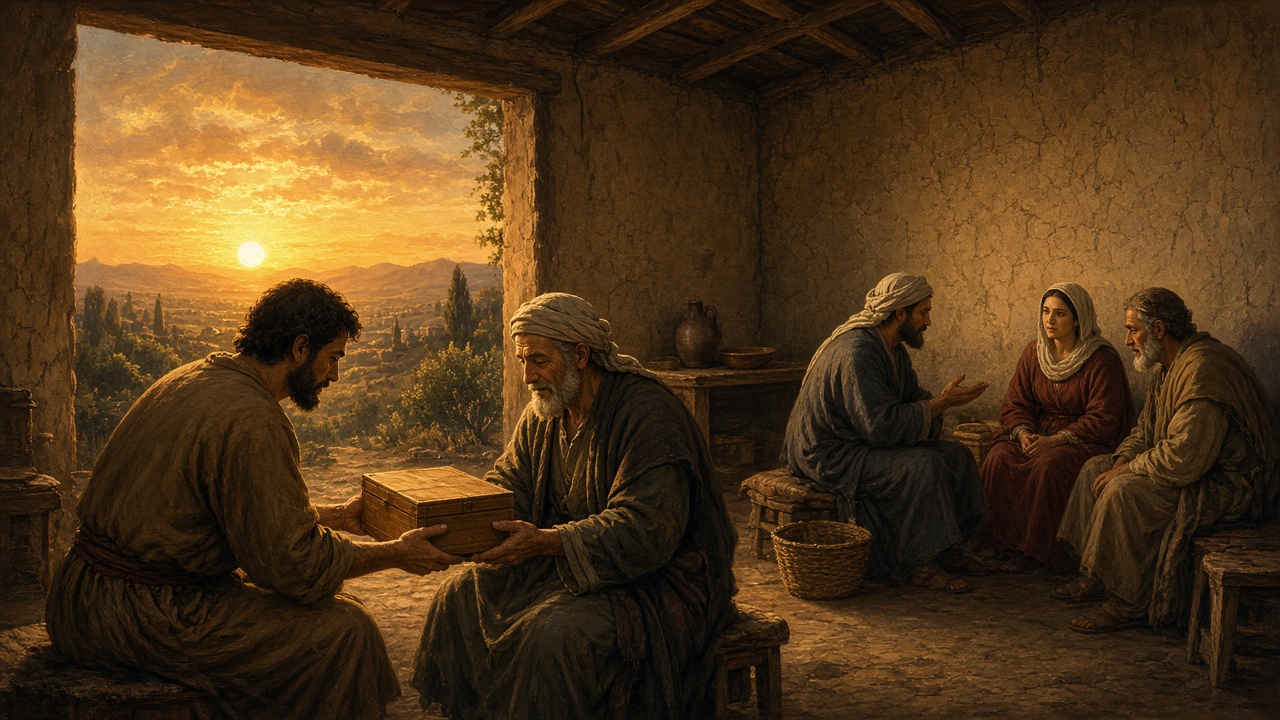
Você sabia?
Um só corpo e uma vida digna
- O capítulo começa com o autor chamando a si mesmo de prisioneiro no Senhor e exortando os leitores a andar de modo digno da vocação que receberam, com humildade, mansidão, paciência e diligência para preservar a unidade do Espírito pelo vínculo da paz.Fontes: o próprio texto bíblico
- Esse apelo se apoia em realidades compartilhadas nomeadas no capítulo: um só corpo, um só Espírito, uma só esperança, um só Senhor, uma só fé, um só batismo e um só Deus e Pai de todos, que está sobre todos, por meio de todos e em todos. O mesmo trecho diz que aquele que subiu deu uns para apóstolos, outros para profetas, outros para evangelistas e outros para pastores e mestres, a fim de capacitar os santos e edificar o corpo.Fontes: o próprio texto bíblico
- O capítulo então descreve uma vida mudada como o ato de despir-se do modo de vida anterior, o velho eu, e de revestir-se do novo eu. Diz aos leitores que abandonem a mentira e falem a verdade, pois são membros uns dos outros; que fiquem irados sem pecar e não deixem o sol se pôr sobre a ira; e que não entristeçam o Espírito Santo de Deus, no qual foram selados para o dia da redenção.Fontes: o próprio texto bíblico
Notas escritas com auxílio de IA a partir de fontes abertas (Theographic Bible Metadata, CC BY-SA 4.0; Easton’s Bible Dictionary, domínio público) e revisadas antes de publicar.
Créditos e licença desta tradução
Ebe-No-Pfuasẹ Ishobọ Onogbọ
New Testament in Ivbie North-Okpela-Arhe (NI:atg:Ivbie North-Okpela-Arhe)
copyright © 2012 Wycliffe Bible Translators, Inc.
Language: Ivbie North-Okpela-Arhe
Translation by: Wycliffe Bible Translators, Inc.
Copyright Information
© 2012, Wycliffe Bible Translators, Inc. All rights reserved.
This translation text is made available to you under the
terms of the Creative Commons License: Attribution-Noncommercial-No Derivative Works.
( http://creativecommons.org/licenses/by-nc-nd/3.0/ )
In addition, you have permission to port the text to different file formats, as long as you
do not change any of the text or punctuation of the Bible.
You may share, copy, distribute, transmit, and extract portions
or quotations from this work, provided that you include the above copyright
information:
You must give Attribution to the work.
You do not sell this work for a profit.
You do not make any derivative works that change any of the actual words or punctuation of the Scriptures.
Permissions beyond the scope of this license may be
available if you contact
us with your request.
Printed book ISBN 9789789194797
The New Testament
in Ivbie North-Okpela-Arhe
© 2012, Wycliffe Bible Translators, Inc. All rights reserved.
This translation is made available to you under the terms of the
Creative Commons Attribution-Noncommercial-No Derivatives license 4.0.
You may share and redistribute this Bible translation or extracts from it in any format, provided that:
You include the above copyright and source information.
You do not sell this work for a profit.
You do not change any of the words or punctuation of the Scriptures.
Pictures included with Scriptures and other documents on this site are licensed just for use with those Scriptures and documents.
For other uses, please contact the respective copyright owners.
2019-08-09
Fonte: http://ebible.org/atgNT/ · eBible.org