Mateus 8
The New Testament of our Lord and Saviour Jesus Christ · Toque num versículo para ver as referências cruzadas.
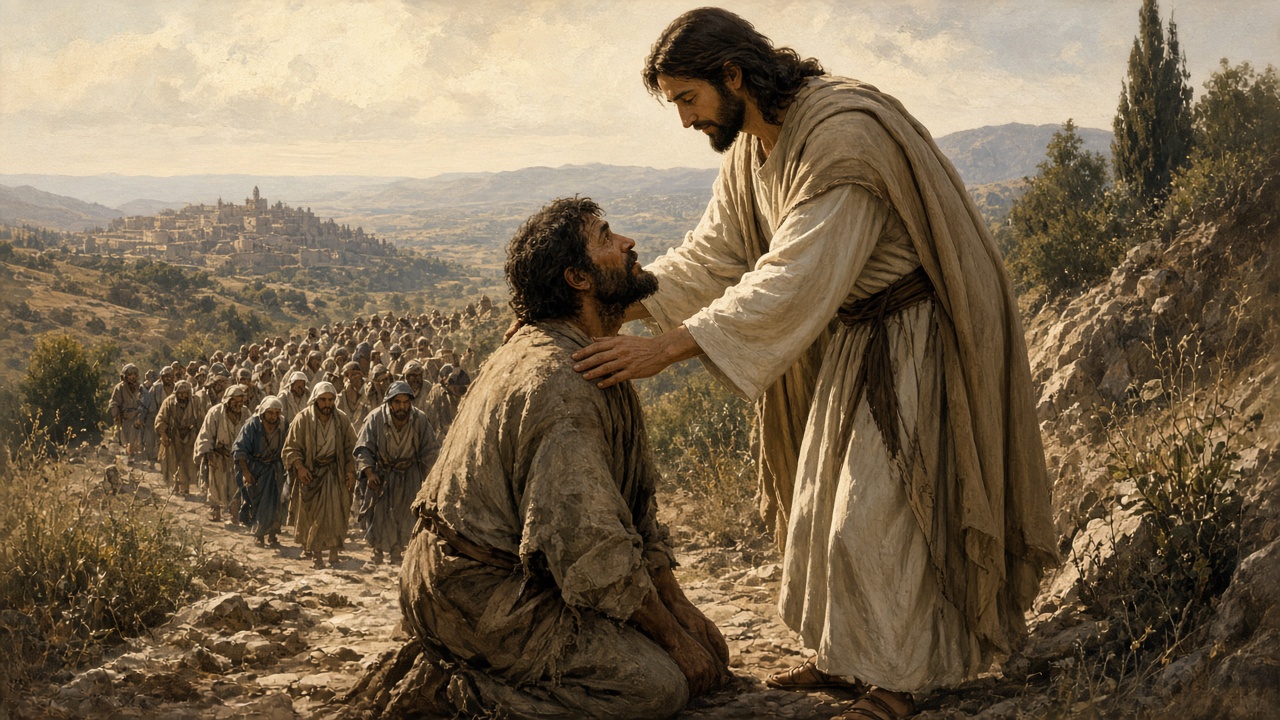
1Dził biká’dí’ nkenádiidzaadá’ łą́ą́go biké’ anázeeł lę́k’e. 2Nt’éégo ła’ nṉee łóód doo ínádįh dahi, léprosy holzéhi, yaa nagháhi biyahzhį’ hayaa adzaago gábiłṉii, SheBik’ehń, náshíńlziihíí bik’e síńtįįgo nígonsį, háńt’įįyúgo náshíńlziih. 3Áík’ehgo Jesus yich’į’ dahdidilṉiidí’ yiká’ ndelṉiihgo, Hasht’į́į́; nándziih, yiłṉii. Áí dábiłgo łóód n’íí ínásdįįd lę́k’e. 4Áídí’ Jesus gábiłṉii, Hadíń dánko bił nagolṉí’ hela’; ti’i, okąąh yebik’ehi bich’į’ ch’í’ṉah ádndle’go, nt’éhéta be’okąąhíí Bik’ehgo’ihi’ṉań baa nné’, Moses ngon’ą́ą́ lę́k’ehíí k’ehgo, áík’ehgo nándziihíí nṉee yídaagołsį doleeł.
5Jesus Capernaum golzeeyú ńyáádá’, áígee silááda dała’á gonenadín binant’a’íí nábokąąhgo baa nyáágo, 6Gábiłṉii, ShiNant’a’, shána’iziidíí di’il silínihi yaat’éégo bił na’diṉi’go gowąyú sitįį. 7Jesus gábiłṉii, Ákú disháhgo naszíih. 8Silááda nant’án gábiłṉii, ShiNant’a’, shigową yuṉe’ ha’ánṉáhgo ndi doo bik’eh sitį́į́ da: déhadziihgo ndi shána’iziidi nadzíih ndi at’éé. 9Shíí ałdó’ shinant’a’ golį́į́, shihíí silááda bá nansht’aa: dała’á, Dah nṉáh, biłdishṉiiyúgo dahdigháh; ła’íí, Yushdé’, biłdishṉiiyúgo shaa higháh; ła’íí shána’iziidi, Díí áńle’, biłdishṉiiyúgo áí áíle’. 10Jesus áí yidezts’ąądá’ débiłdíyagodzaago nṉee biké’ náłseełíí gáyiłṉii, Da’aṉii gádaanohwiłdishṉii, Israel hat’i’íí bitahyú ndi doo hadíń díí k’ehgo bi’odlą’ golíni baa nsháh da. 11Ła’íí gánádish’ṉii, Łą́ą́go ya’áí hanadáhdí’ ła’íí ya’áí onadáhdí’ nihikáhgo, Abraham hik’e Isaac ła’íí Jacob yił dahnáhaztąą doleeł, yaaká’yú dahsdaahń bilałtł’áhgee daanliiníí bitah: 12Áídá’ nṉee, yaaká’yú dahsdaahń bilałtł’áhgee daanlįį le’at’éé n’íí, chagołheeł yuṉe’ ohilkaad doo: áígee daach’ichag hik’e kowoo łídaach’idiłk’ash doleeł. 13Jesus silááda binant’a’íí gáyiłṉii, Nádńdáh; hagot’éégo osíńdląądíí da’áí k’ehgo ná begolzaa. Áík’ehgo silááda binant’a’ bána’iziidihíí da’áígee dagoshch’į’ nadziih.
14Áídí’ Jesus Peter bigową yuṉe’ ha’ayáádá’ Peter bi’aahíí bimaa nezgaigo sitįįgo yiłtsąą. 15Bigan yedelṉiih, áík’ehgo nezgai n’íí bits’ą́’ gonyáá: áídí’ nádiidzaago yá da’dezné’.
16Áídí’ o’i’ą́ą́zhį’ godeyaago łą́ą́go ch’iidn isná ádaabiłsiníí bich’į’yú yił neheskai: áík’ehgo hadaadzi’íí zhą́ bee ch’iidn hainiheyood, ła’íí daanṉiihíí dawa nádaayilziih: 17Esáias, Bik’ehgo’ihi’ṉán binkááyú na’iziidi, gánṉiid n’íí begolṉe’go, Néé doo daanldzil dahíí, ła’íí nohwikah n’íí dawa dabízhą́ ídá’áyiidlaa.
18Jesus biṉaayú nṉee łáni íła’at’ééhíí yiłtsąądá’, Hanaazhį’ nohwił nada’do’eeł, nṉiid. 19Áígee begoz’aaníí ye’ik’e’iłchíhi baa nyáágo gábiłṉii, Iłch’ígó’aahíí, dahayú anadááłyú niké’ anáshdaał doo. 20Jesus gábiłṉii, Ma’ ndi bi’i’áń daagolį́į́, dlǫ́’ yúdahyú nada’iṉiihíí ndi bit’oh daagolį́į́; áídá’ shíí nṉee k’ehgo Niyááhíí doo hayú nshteehi at’éé da. 21Ła’ bitsiłke’yuhíí gábiłṉii, ShiNant’a’, haląą shitaa ntsé łehishteehyú dósha’. 22Jesus gábiłṉii, Shiké’ híṉááł; áídá’ nanezna’íí dabíí łedaałii’ṉiił le’.
23Áídí’ tsina’eełíí yehiyaadá’ bitsiłke’yu ałdó’ ehikai. 24Nt’éégo tú yat’éégo bił deyol, áík’ehgo tsina’eełíí tú nádidáhíí beh nádilk’ooł: áídá’ Jesus‐híí iłhosh lę́k’e. 25Áík’ehgo bitsiłke’yu bich’į’ nnikaigo ch’ínádaabisidá’ gádaaṉii, NohweBik’ehń, hasdánohwiṉííł: dak’azhą́ téłtł’áh nohwił ogo’eeł. 26Áík’ehgo gádaayiłṉii, Hant’é lą́ bighą ńdaałdzid, ntsóląą’at’éégo nohwi’odlą’ doo hwoi da? ṉii. Áídá’ nádiidzaago nyolhíí túhíí biłgo yich’į’ hadziigo nkenágoheltǫ’. 27Áík’ehgo nṉee bił díyadaagot’éégo gádaaṉii, Nṉee ląą daat’éhi díí, nyolhíí ła’íí túhíí ndi da’áyiłṉiiyú ádaat’įį!
28Hanaayú Gérgesenes daagolį́į́yú bił nada’diz’eeldá’ nṉee łena’ṉiłíí goz’ąądí’ nṉee naki, ch’iidn isná ádaabiłsinihíí, Jesus yaa n’áázh, bédaach’ildzidhíí bighą doo hadíń ałhánégo bit’ah ch’egháhi da. 29Yat’éégo gádaaṉii, Hago lą́ą́ ánohwile’go áńt’į́į́, Jesus, Bik’ehgo’ihi’ṉań biYe’ ńlíni? Nohwiniigodilṉe’íí doo hwahá biká’ ngoṉáh dadá’ nohwiniigodnle’ née? 30Áígee da’aṉahyú góchi da’iyąągo nanałse’. 31Áík’ehgo ch’iidn náda’okąąhgo gádaabiłṉii, Hanohwinyóódyúgo, góchi nanłsé’íí beh nohwinyóód. 32Áík’ehgo, Hahkeeh, yiłnṉiid. Hakį́į́dá’ góchi nanałsé’íí yeh hikį́į́: nt’éégo góchi dawa hayaa nádnkįįgo túsikáni yeh hikį́į́, áík’ehgo tú yił daadesdzii. 33Áídí’ góchi yiṉádaadéz’įį n’íí nádnkįįgo kįh gozṉilyú okai, áígee ch’iidn isná ádaabiłsį n’íí hago ádaabi’deszaahíí dawa yaa nadaagosṉi’. 34Áídí’ kįh gozṉilgee daagolííníí dawa Jesus yich’į’ ch’ínáłsą́ą́: áík’ehgo daayiłtsąądá’ náyokąąhgo gádaayiłṉii, Nohwini’dí’ ch’íńṉáh.
Você sabia?
Curas, fé e o mar
- Cafarnaum, cidade em que Jesus entra neste capítulo, era uma cidade da Galileia que não aparece no Antigo Testamento. O Easton's Bible Dictionary (1897) diz que ela se tornou a “sua própria cidade” depois que ele deixou Nazaré, e inclui o pedido do centurião e a cura na casa de Pedro entre os acontecimentos ali situados.Fontes: Capernaum · o próprio texto bíblico
- Jesus diz que muitos virão do oriente e do ocidente para participar do banquete com Abraão, Isaque e Jacó no reino dos céus. O Easton's Bible Dictionary (1897) apresenta Abraão como filho de Terá e herdeiro das promessas, Isaque como o único filho de Abraão com Sara, e Jacó — também chamado Israel — como o filho gêmeo mais novo de Isaque e Rebeca.Fontes: o próprio texto bíblico · Abraham · Isaac · Jacob (Israel)
- Mateus apresenta as curas daquela noite como cumprimento do que foi dito por meio do profeta Isaías: “Ele tomou as nossas enfermidades e carregou as nossas doenças.” O Easton's Bible Dictionary (1897) identifica Isaías como filho de Amoz, que profetizou nos reinados de Uzias, Jotão, Acaz e Ezequias.Fontes: o próprio texto bíblico · Isaiah
Notas escritas com auxílio de IA a partir de fontes abertas (Theographic Bible Metadata, CC BY-SA 4.0; Easton’s Bible Dictionary, domínio público) e revisadas antes de publicar.
Lugares deste capítulo
- Gadara · Hoje: Umm Qais · 32.656, 35.679 · versículo 28
Só aparecem lugares com identificação de alta confiança (90% ou mais segundo as fontes acadêmicas reunidas pelo OpenBible). Mapa da época: DARE (Digital Atlas of the Roman Empire), CC BY 4.0; mapa atual: © colaboradores do OpenStreetMap; lugares: OpenBible.info (CC BY 4.0).
Créditos e licença desta tradução
The New Testament of our Lord and Saviour Jesus Christ
New Testament in Apache, Western (US:apw:Apache, Western)
copyright © 2012 Wycliffe Bible Translators, Inc.
Language: Western Apache (Apache, Western)
Translation by: Wycliffe Bible Translators, Inc.
Copyright Information
© 2012,Wycliffe Bible Translators. All rights reserved.
This translation text is made available to you under the
terms of the Creative Commons License: Attribution-Noncommercial-No Derivative Works.
( http://creativecommons.org/licenses/by-nc-nd/3.0/ )
In addition, you have permission to port the text to different file formats, as long as you
do not change any of the text or punctuation of the Bible.
You may share, copy, distribute, transmit, and extract portions
or quotations from this work, provided that you include the above copyright
information:
You must give Attribution to the work.
You do not sell this work for a profit.
You do not make any derivative works that change any of the actual words or punctuation of the Scriptures.
Permissions beyond the scope of this license may be
available if you contact
us with your request.
The New Testament
in Apache, Western
© 2012,Wycliffe Bible Translators. All rights reserved.
This translation is made available to you under the terms of the
Creative Commons Attribution-No Derivatives license 4.0.
You may share and redistribute this Bible translation or extracts from it in any format, provided that:
You include the above copyright and source information.
You do not make any derivative works that change any of the actual words or punctuation of the Scriptures.
Pictures included with Scriptures and other documents on this site are licensed just for use with those Scriptures and documents.
For other uses, please contact the respective copyright owners.
2014-04-21
Fonte: http://ebible.org/apwNT/ · eBible.org