Mateus 6
The New Testament of our Lord and Saviour Jesus Christ · Toque num versículo para ver as referências cruzadas.
1Doo dá nṉee binadzahgee zhą́ nṉee bich’į’ nłt’éégo ádaanoht’ee da, daazhógo dédaanohwinił’įįhíí bighą: ágádaaht’įįyúgo nohwiTaa yaaká’yú dahsdaahń bits’ą́’dí’ doo nt’é nohwich’į’ naho’ṉííł át’éé da. 2Tédaat’iyéhíí dant’éhéta baa nné’ lę́k’eyúgo, doo nádįh higaałíí bésh dilwoshé yee aṉiigo da, daanzhǫǫ ádaadil’iiníí Jews ha’ánáłséh nagozṉil yuṉe’ ła’íí intínyú nṉee bada’ołííhíí bighą ágádaat’įįhíí k’ehgo doo áńt’įį da. Da’aṉii gánohwiłdishṉii, Iłk’idá’ áí bich’į’ nahasṉili at’éé. 3Áídá’ tédaat’iyéhíí dant’éhéta baa nné’yúgo nigan dihe’nazhiṉéé ánát’įįłíí ne’eshganzhiṉééhíí doo yígółsį da le’. 4Dánant’į’ego baa nné’: áík’ehgo dánant’į’ego ánáda’ch’ol’įįł ndi yo’iiníí, niTaa, da’áń nṉee binadzahgee nich’į’ nado’oṉiłi at’éé.
5Onkąąhgee doo daanzhǫǫ ádaadil’įįhíí k’ehgo áńt’éégo da: áí ha’ánázéh yuṉe’ ła’íí iłk’ída’itingee nazįįgo da’okąąhgo bił daagozhǫ́ǫ́, nṉee daabineł’į́į́go. Da’aṉii gádaanohwiłdishṉii, Iłk’idá’ áí bich’į’ nahasṉili at’éé. 6Áídá’ ni, onkąąhyúgo, ntééh yuṉe’ ha’ánṉáhgo, ídił da’déntį́įhdá’ niTaa nagont’į’yú honkąąh; áń dánant’į’ego ánáda’ch’ol’įįł ndi yo’iiníí, niTaa, da’áń nṉee binadzahgee nich’į’ nado’oṉiłi at’éé. 7Da’ohkąąhgee be’ádaadohṉiihíí doo dayúweh doo nt’é bighąyú be’ádaadohṉii da, doo Jews daanlįį dahíí ádaat’eehíí k’ehgo: áí łą́ą́go yádaasiilti’yúgo zhą́ Bik’ehgo’ihi’ṉań nohwidits’ag, daanzį. 8Doo áík’ehgo ádaanoht’ee da: nohwiTaa hant’é bídaanohdįįhíí yígółsį, t’ah doo hwahá bíhóhkeed da. 9Díí k’ehgo nkó da’ohkąąh: NohwiTaa yaaká’yú dahsíńdaahíí, Nizhi’íí dilzįhgo bígózįh le’. 10Nant’án ńlį́į́híí begodowáh. Hagot’éégo ánṉiiyú yaaká’yú benagowaahíí k’ehgo ni’gosdzáń biká’yú ałdó’ begodolṉííł. 11Díí jįį daahiidąą doleełíí nohwá ágonłsį́. 12Hadíí nchǫ’go nohwich’į’ ádaaszaahíí bighą baa nágodent’ąąhíí k’ehgo néé ałdó’ nchǫ’go ádaasiidzaahíí bighą nohwaa nádaagodin’áah. 13Nanohwída’dintaah yuṉe’ onohwoṉííł hela’, áídá’ nchǫ’go at’ééhíí bits’ą́’zhį’ hanánohwihi’ṉííł: Dahazhį’ dawa bá nant’áá, ła’íí ninawodíí itisyú át’éhi, ła’íí ízisgo áńt’éhi dahazhį’ bee síńzįį doleeł. Doleełgo at’éé. 14Nṉee binchǫ’híí bighą baa nádaagodeso’ąąyúgo, nohwiTaa yaaká’yú dahsdaahń ałdó’ nohwaa nágode’aahi at’éé: 15Áídá’ nṉee binchǫ’híí bighą doo baa nádaagodeso’ąą dayúgo, nohwiTaa ałdó’ doo nohwaa nágode’aahi at’éé da.
16Dáshiṉá’ da’ohkąąh lę́k’eyúgo, daanzhǫǫ ádaadil’íni doo k’ehgo adaanoht’ee da: áí dáshiṉá’ da’okąąhgee ídaadaagoch’iyolba’go binii hago áńdaayol’įįł, nṉee dáshiṉá’ oshkąąhíí yídaagołsį le’, daanzigo. Da’aṉii gádaanohwiłdishṉii, Iłk’idá’ áí bich’į’ nahasṉili at’éé. 17Áídá’ ni dáshiṉá’ onkąąh lę́k’eyúgo, nitsizíl nnłtłag, ninii táńgis; 18Áí bee nṉee dáshiṉá’ onkąąhíí doo yídaagołsį da, niTaahíí zhą́ na’gont’į’ ndi yígółsį: áík’ehgo dánant’į’ego ánáda’ch’ol’įįł ndi yo’iiníí, niTaa, da’áń nṉee binadzahgee nich’į’ nado’oṉiłi at’éé.
19Ni’gosdzáń biká’ dawahá nohwił da’ilííníí doo nadaanohṉíí da, dánko gółchoozhi nohwits’ą́’ da’iyąą, beshihii nohwits’ą́’ dichíh, ła’íí da’in’įįhíí nohwee dain’įįh: 20Áídá’ yaaká’yú zhą́ nada’nohṉíí, akúyúgo zhą́ gółchoozhi doo nohwits’ą́’ da’iyąą da, béshihíí doo nohwits’ą́’ dichíh da, ła’íí da’in’įįhíí doo nohwee daino’į́įh at’éé da: 21Dahayú nohwił ilíni siṉilyú, áí zhą́ baa natsídaahkees doo. 22Koṉáá’íí kots’í bikǫ’i at’éé: áík’ehgo koṉáá nłt’ééyúgo kots’í dahot’éhé bikǫ’ golíni at’éé. 23Áídá’ koṉáá doo nłt’éé dayúgohíí, kots’íhíí dahot’éhé diłhiłi at’éé. Koyi’ ná’dindíín n’íí kots’ą́’ diłhił silįįyúgo, áí dázhǫ́ diłhiłi at’éé.
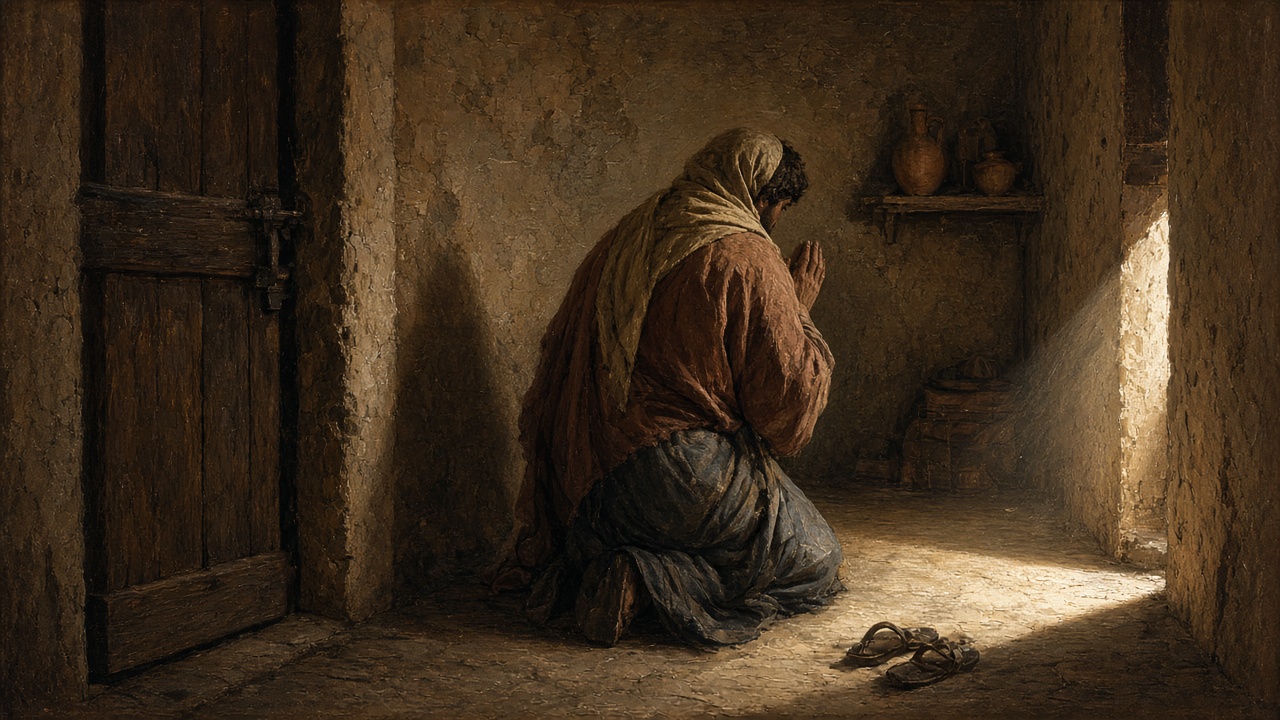
24Doo hadíń binant’a’ naki da, dała’á bił nchǫ’dá’ ła’ihíí bił nzhǫǫ doleełi at’ééhíí bighą; dagohíí dała’á yotą’dá’ ła’ihíí yich’ołaa doleełi at’éé. Bik’ehgo’ihi’ṉań hik’e hágółdzilíí dáła’ doo hagot’éégo bá na’ch’iziidi at’éé da. 25Áí bighą gádaanohwiłdishṉii, Nohwi’ihi’ṉa’íí doo baa nohwił daagoyéé da le’, hant’éshą’ hishąą doleeł, daanohsįgo; dagohíí nohwits’í doo baa nohwił daagoyéé da le’, hant’éshą’ ágoshdle’, daanohsįgo. Ya’ idáńhíí ihi’ṉaahíí bitisgo ilįį gá, ya’ diyágé kots’íhíí bitisgo ilįį gá? 26Dlǫ́’ yúdahyú nada’iṉiihíí baa natsídaahkees: doo k’eda’dilee da, doo náda’igeesh da, doo hayú binon’iłk’edaayihiṉiiłíí bá gową goz’ąą da; da’ágát’éé ndi nohwiTaa yaaká’yú dahsdaahń bá da’diiné’. Ya’ nohwíí áí bitisgo da’inohłįį gá? 27Nohwitahyú hadíń daahołṉeezíí yaa natsékeesíí zhą́ bee ayą́hágo ndi ts’ídag ńdiłséhgo ádidle’ gá? 28Hant’é bighą diyágé baa nohwił daagoyéé? Tł’oh dénzhónéhíí baa natsídaahkees; doo nada’iziid da, doo da’itł’ool da ndi nłt’éégo daanołseeł: 29Da’ágát’éé ndi Sólomon ízisgo at’éé lę́k’e ndi doo díí tł’oh dénzhóné k’ehgo ík’e’isdlaa da, nohwiłdishṉii. 30Tł’oh díí jįį nołseełíí, áídí’ iskąą daadidlidíí ndi Bik’ehgo’ihi’ṉań nłt’éégo bik’e’isłaadá’ danilt’eego ya’ áí tł’ohíí bitisgo Bik’ehgo’ihi’ṉań nohwik’e’isłaa gá, nohwíí nohwi’odlą’ ádaayą́háhi? 31Áík’ehgo, Hant’é da’iidąą shįhíí? dagohíí, Hant’é da’iidląą shįhíí? dagohíí, Hant’é ádaagohiidle’ shįhíí? doo daadohṉiigo baa nohwił daagoyéé da le’. 32(Doo Jews daanlįį dahíí áí zhą́ itisgo hádaat’į́į́:) áídá’ áí dawa bídįh daanohłįįhíí nohwiTaa yaaká’yú dahsdaahń yígółsį. 33Bik’ehgo’ihi’ṉań bilałtł’áhgee begoz’aaníí hik’e bits’ą́’dí’ nzhǫǫgo ágot’eehíí ntsé biká hádaaht’įį; áík’ehgo díí dawahá ałdó’ nohwíyéé doleeł. 34Áík’ehgo yiskąągo hago ágot’eehíí doo baa nohwił daagoyéé da le’: áí dabíí na’ídintł’og ndi at’éé. Dała’á jįį nagontł’ogíí da’áí zhą́ dábik’eh.
Você sabia?
Justiça em segredo e confiança
- Este capítulo faz parte do Sermão do Monte. Um registro de eventos data esse sermão de 28 d.C. e registra que durou um único dia.Fontes: Sermon on the Mount · o próprio texto bíblico
- Jesus diz para não tocar trombeta nas sinagogas e nas ruas ao dar aos necessitados, como fazem os hipócritas a fim de serem honrados. Ele também adverte contra orar nas esquinas para ser visto e contra jejuar com o rosto desfigurado; em vez disso, descreve orar num quarto interior com a porta fechada e jejuar com a cabeça ungida e o rosto lavado.Fontes: o próprio texto bíblico
- Jesus diz que nem Salomão, em toda a sua glória, se adornou como um dos lírios do campo. Um verbete de dicionário explica que seu nome hebraico, Shelomoh, significa “Pacífico”, que ele era filho de Davi com Bate-Seba e que Natã o chamou de Jedidias, “amado do Senhor”; seu reinado está registrado em 1 Reis 1–11 e 2 Crônicas 1–9.Fontes: o próprio texto bíblico · Solomon
Notas escritas com auxílio de IA a partir de fontes abertas (Theographic Bible Metadata, CC BY-SA 4.0; Easton’s Bible Dictionary, domínio público) e revisadas antes de publicar.
Créditos e licença desta tradução
The New Testament of our Lord and Saviour Jesus Christ
New Testament in Apache, Western (US:apw:Apache, Western)
copyright © 2012 Wycliffe Bible Translators, Inc.
Language: Western Apache (Apache, Western)
Translation by: Wycliffe Bible Translators, Inc.
Copyright Information
© 2012,Wycliffe Bible Translators. All rights reserved.
This translation text is made available to you under the
terms of the Creative Commons License: Attribution-Noncommercial-No Derivative Works.
( http://creativecommons.org/licenses/by-nc-nd/3.0/ )
In addition, you have permission to port the text to different file formats, as long as you
do not change any of the text or punctuation of the Bible.
You may share, copy, distribute, transmit, and extract portions
or quotations from this work, provided that you include the above copyright
information:
You must give Attribution to the work.
You do not sell this work for a profit.
You do not make any derivative works that change any of the actual words or punctuation of the Scriptures.
Permissions beyond the scope of this license may be
available if you contact
us with your request.
The New Testament
in Apache, Western
© 2012,Wycliffe Bible Translators. All rights reserved.
This translation is made available to you under the terms of the
Creative Commons Attribution-No Derivatives license 4.0.
You may share and redistribute this Bible translation or extracts from it in any format, provided that:
You include the above copyright and source information.
You do not make any derivative works that change any of the actual words or punctuation of the Scriptures.
Pictures included with Scriptures and other documents on this site are licensed just for use with those Scriptures and documents.
For other uses, please contact the respective copyright owners.
2014-04-21
Fonte: http://ebible.org/apwNT/ · eBible.org