Tiago 2
Ŋwɛ menomenyɛɛ́ mekɛ́ · Toque num versículo para ver as referências cruzadas.
Lyaáge mansɛ́lé bɔɔ́ abifɔ nnó áŋeá gemɛ ápwɔ abifɔ
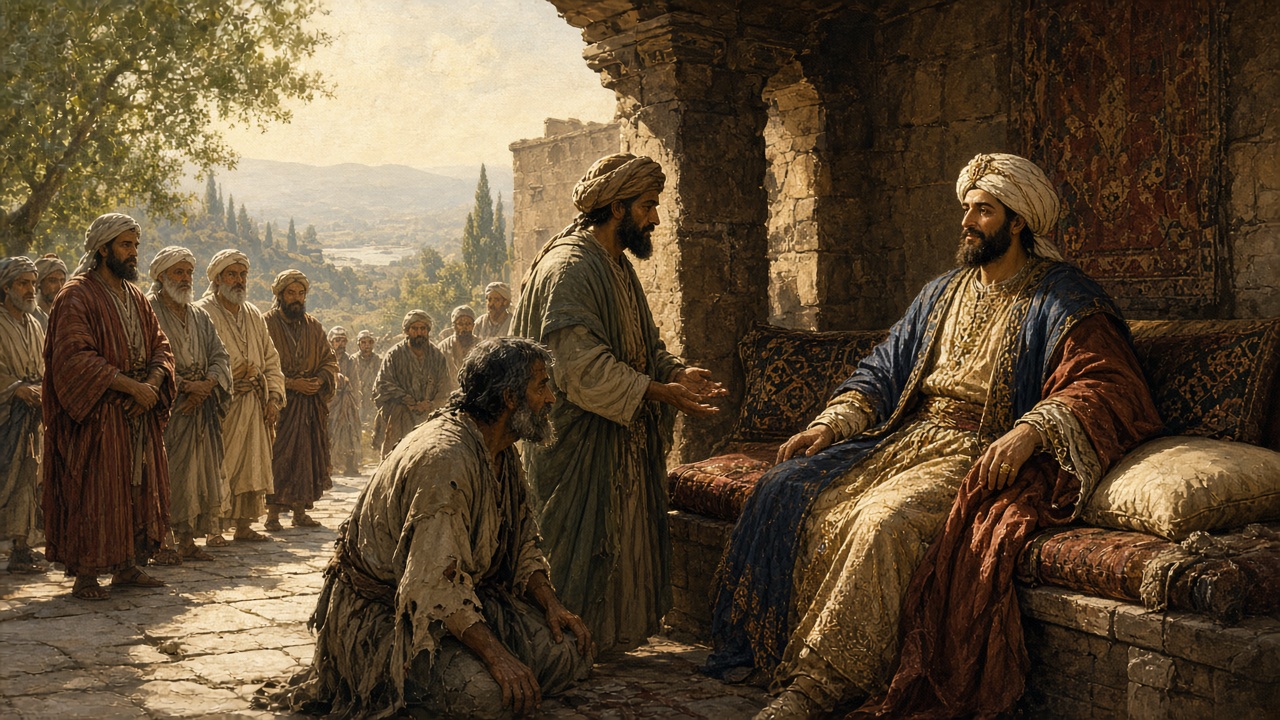
1Aŋmɛ ba, tɛ mbaá défyɛɛ́ matɔɔ́ nyú ne Ata sé Jisɔs Kras, Ata ayi ɛ́nógé, ɛ́lɔ́mé fɔ́ nnó dékpɛɛ́gé bɔɔ́ abifɔ dépwɔ́gé abifɔ. 2Désɛ́ nnó bɔɔ́ ápeá áchwɔ́ kpɛ mbaá ayi ɛnyú dégbarege ujwɔ́lé. Ama awyá ŋka, afyɛ́ mandeé malɔ́málɔ́, afyɛ́ ntó bɔ nkpáganɛré abi ájamé ŋka dɔɔ́ né denɔré amu tií. Ayi fɔ alu muú gekpo, afyɛ uchálé mandeé. 3Ɛnyú désɛ muú ayi afyɛɛ́ mandeé malɔ́málɔ́ ne ɛ́nógé dejɔɔ́ ne ji nnó, “Ata gɛ́ geluɔ́gé ɛ́nógé na jwɔ́lé fa.” Ne débwɔlé mmyɛ, mbaá muú gekpo deké, “Tɛ́né ɛ́wu,” ɛ́lá pɔ́ mbɔ wɔ́, “Chwɔ́ jwɔ́lé fa né metɔɔ́ gepú.” 4Depyɛgé mbɔ, delɛre mbɔ le áŋgyá né geluage nyú ne desɔɔ́ mpa ne ufɛ́ré uboubo.
5Aŋmɛ ba abi gejeé, nénege matu déwú mechɔ́ ɛwé nkɛ́lege mangaré ɛnyú. Ɛsɔwɔ ajya mɛ́ bɔɔ́ abi áfɛré nnó álú gekpo, ákwane fɔ mambɛ bɔɔ́ abi áwyaá gefwa né depɔre ɛsɔwɔ wɔ, nnó ɛbwɔ́ ne álú abi áfyɛɛ́ matɔɔ́ ne Ata Jisɔs wáwálé. Ɛbwɔ́ ntó ne álú bɔɔ́ abi anyɛɛ́ nyɛ́ gefwa ɛyigé ji ábɔ́ anyɛɛ́ nyá meno nnó achyɛge bɔɔ́ ako abi ábɔɔ́ gejeé ne ji. 6Ɛnyú debyaá bɔɔ́ gekpo, pɔ́ nnó bɔɔ́ maŋka ne áfwálege ná ɛnyú? Ɛbwɔ́ ne ájáme ɛnyú dékpɛ́ne unɔɔ́ mpa né máchá ɛso. 7Pɔ́ nnó wyɛ́ ɛbwɔ́ ntó ne áchɔɔ́ gechánchágé mabɔ Ata nyú ayi ɛnyú délú bɔɔ́ bií?
8Mbɔgé ɛnyú dékɛlege mampyɛ genó ɛyi gélú cho, débɔ́ mámbele gekpɛ́kpɛ́gé ɛbɛ́ ɛwé ɛ́lú né mmu ŋwɛ Ɛsɔwɔ mfwa sé. Ɛbɛ́ wémbɔ ɛjɔɔ́ge ɛ́ké, “Bɔ gejeé ne ntɛ meŋmɛ́ wyɛ ndɛre ɔbɔ ne gemɛ jyɛɛ́.” 9Yɛ́mbɔ deké desɛle bɔɔ́ abifɔ nnó áŋeá gemɛ ápwɔ abifɔ dépyɛ gabo, ne ɛbɛ́ ɛwémbɔ ɛgbaré ɛnyú ndɛre bɔɔ́ abi ákwené ɛbɛ́. 10Yɛ́ ɛ́bɛ́lé nnó, muú anogé mabɛ́ Ɛsɔwɔ ne ákwegé ɛ́ma ɛbyɛnnó akwé mbɔ ɛlé ájí mako. 11Néndé muú ayi ájɔɔ́ nnó “Ɔ́kwegé ulɔ” wyɛ́ ji ne ájɔɔ́ ntó nnó“Ɔwagé muú.” Gétú ɛyímbɔ, mbɔgé muú awagé ntɛ akwé ɛbɛ́ Ɛsɔwɔ, yɛɛ́ ɛlé álá kwe ulɔ wɔ́. 12Gétú ɛyina, ngarege ɛnyú nnó yɛ́ndégenó ɛyi dejɔɔ́gé ne yɛ́ndégenó ɛyi dépyɛɛ́, pyɛ́ge ndɛre bɔɔ́ abi ákaá nnó bií uma Ɛsɔwɔ asɛle nyɛ mabɛ áyina, ayi áferege ɛbwɔ́ né gabo ápa mpa bwɔ́. 13Mbɔgé muú ála gɛ meshwɛ ne ntɛ meŋmɛ́ wuú wɔ́, Ɛsɔwɔ ntó agɛ́ né fɔ́ ji meshwɛ gébégé aké apane mpa bɔɔ́. Yɛ́mbɔ muú ayi ágɛ́ne meshwɛ ne atɛ áŋmɛ́ akpɛne unɔɔ́ mpa Ɛsɔwɔ tágátágé.
Metɔɔ́ mamfyɛ ne Ɛsɔwɔ ne ulɔɔ́ melu
14Aŋmɛ ba, mbɔgé muú ajɔɔ́ge mbɔ nnó áfyɛɛ́ metɔɔ́ wuú ne Jisɔs Kras ne álá lɔ́mé melu, galɔ́gálɔ́ awuú alu mbɔ fɔ́? Gefɔɔ́gé metɔɔ́ ɛwé ji áfyɛ́ mbɔ nnó ɛkage pyɛɛ́ Ɛsɔwɔ afere ji né unɔɔ́ mpa né bií ɛbi kwyakwya? 15Désɛ́ nnó aŋmɛ́ fɔ ápɔ́ ne mandeé ne genó ɛyigé anyɛɛ́ yɛ́ndé bií. 16Ne muú nyú agɛgé ɛbwɔ́ atamé lé ɛbwɔ́ támege aké, “Dekɛ oo” Ɛsɔwɔ ájé ɛnyú debɔ́ mandeé ne menyɛɛ́ ayi dekɛlege yɛ́nde bi. Mbɔgé átamégé ɛbwɔ́ mbɔ, álá chyɛ́ ɛbwɔ́ genó ɛyigé ɛbwɔ́ ákɛ́lege wɔ́, ápoó mbɔ ɛbwɔ́ né ndé meti? 17Gɛ́ge yɛ́ nnó mbɔgé muú ake áfyɛɛ́ wyɛ́ metɔɔ́ ɛ́wú ɛ́wú ne Kras ne álá lɔ́mé melu, metɔɔ́ ɛwé ji aké mbɔ afyɛ́ ne Kras ɛ́lú detú.
18Ndɔ fɔ muú fɔ akage jɔɔ́ aké, “Mfyɛɛ́ lé metɔɔ́ wa ɛ́wú ɛ́wú ne Kras, ne ayifɔ aké me ntó mpyɛ ɛlé ulɔ melu ɛbi Ɛsɔwɔ akɛ́lege”. Né ɛ́gbɛ́ wa, ngige muú ayi mbɛ nnó lɛ́ré me gefɔɔ́ ɛyigé wɔ ɔ́fyɛɛ́ metɔɔ́ ne Ɛsɔwɔ, ɔlá lɔ́mé melu, ne me ntó nkeré nlɛré wɔ metɔɔ́ wé me mfyɛɛ́ ne Ɛsɔwɔ né ulɔɔ́ melu bi me mpyɛ́ɛ. 19Ɛnyú dékamé nnó Ɛsɔwɔ alu ama ɛwémbɔ ɛ́lɔ́, yɛ́mbɔ tége nnó aló nchyɛ ntó ákamé mbɔ ne ɛ́pyɛ abi áwére gbagba ne ɛfɔ.
20Wɔ muú defɔɔ́ délá pɔ́ wɔ, ɔkɛlege nlɛ́ré wɔ nnó muú áfyɛgé metɔɔ́ ne Ɛsɔwɔ álá lɔ́mé melu, metɔɔ́ wé ji afyɛɛ́ mbɔ ɛ́pɔ́ yɛ́ ɛké genó? 21Pɛ́ gekwénégé ntɛ sé Abraham. Ndé gepyɛ́ Ɛsɔwɔ asɛlé ji nnó alu cho né mbɛ ushu wuú? Ɛle genó ɛyigé ji ápyɛ́ né gébé ɛyimbɔ. Ndɛre ásɛle Asek maá wuú anɛre mfaá geluɔ́ ɛyigé áchyɛ́ge gepɛ mbaá Ɛsɔwɔ nnó ápyɛ gepɛ ɛta wuú. 22Gɛ́ yɛ́ ndɛre metɔɔ́ we ji áfyɛɛ́ ne Ɛsɔwɔ ɛkɛne gelua ne genó ɛyigé ji ápyɛɛ́. Genó ɛyigé ji apyɛɛ́ gélɛre chánchá nno metɔɔ́ ɛwe ji afyɛɛ́ ne Ɛsɔwɔ ɛkwane. 23Genó ɛyigé ŋwɛ Ɛsɔwɔ ájɔɔ́ gelu cho nnó, “Abraham áfyɛɛ́ metɔɔ́ wuú ne Ɛsɔwɔ. Ɛ́pyɛ́gémbɔ Ɛsɔwɔ asɛ ji nnó alu cho né mbɛ ushu wuú.” Bɔɔ́ ntó áké, ji alu “Mejeé Ɛsɔwɔ.” 24Gɛ́ge yɛ́ nnó ɛ́lé né ulɔɔ́ melu ɛbi muú apyɛɛ́, ɛbi Ɛsɔwɔ akɛ́lege ne asɛ́le muú nnó alu cho né mbɛ ushu wuú, ɛ́pɔ́ fɔ́ metɔɔ́ mamfyɛ ne ji ɛ́wú ɛ́wú.
25Gɔge mma mɛɛ́ ɛnyú né mechɔ́ ɛwé fɔ. Tége Rahab ayi ábɔ́ álu nya mendée ɛno. Ji asɛ nya bɔɔ Isrɛli fɔ abi átɔme nnó áchwɔ ápɛ mewaá bibií, anɛ ɛbwɔ́, apoó ɛbwɔ́ ábó né meti ɛwé cha ákere. Getu ɛyigémbɔ Ɛsɔwɔ asɛ nyá ji nnó álu cho né mbɛ ushu wuú.
26Wyɛ́ ndɛre mendoó ɛ́tanégé muú mmyɛ alaá geŋkwɔ́, wyɛ́ mbɔntó ne muú afyɛgé metɔɔ́ ne Ɛsɔwɔ álá pyɛɛ́ ulɔɔ́ melu ɛbi Ɛsɔwɔ akɛ́lege, metɔɔ́ ɛwé áfyɛ́ mbɔ ɛ́lú detú.
Você sabia?
Imparcialidade e fé viva
- Tiago recorda que Abraão foi justificado ao oferecer seu filho Isaque no altar, sua fé agindo junto com suas ações e aperfeiçoada pelo que ele fez. Isaque, o único filho de Abraão com Sara, foi aquele a quem Deus ordenou que Abraão oferecesse como sacrifício num monte na terra de Moriá.Fontes: o próprio texto bíblico · Isaac
- Tiago também cita Raabe, a prostituta, justificada por acolher os espias e enviá-los por outro caminho. Os dois espias, enviados por Josué enquanto os hebreus estavam acampados em Sitim, em frente a Jericó, tinham ido à casa dela, enfrentaram perigo na cidade e foram salvos por sua fidelidade.Fontes: o próprio texto bíblico · Rahab
Notas escritas com auxílio de IA a partir de fontes abertas (Theographic Bible Metadata, CC BY-SA 4.0; Easton’s Bible Dictionary, domínio público) e revisadas antes de publicar.
Créditos e licença desta tradução
Ŋwɛ menomenyɛɛ́ mekɛ́
New Testament in Denya (CM:anv:Denya)
copyright © 2010 Wycliffe Bible Translators, Inc.
Language: Denya
Translation by: Wycliffe Bible Translators, Inc.
Copyright Information
© 2010, Wycliffe Bible Translators, Inc. All rights reserved.
This translation text is made available to you under the
terms of the Creative Commons License: Attribution-Noncommercial-No Derivative Works.
( http://creativecommons.org/licenses/by-nc-nd/3.0/ )
In addition, you have permission to port the text to different file formats, as long as you
do not change any of the text or punctuation of the Bible.
You may share, copy, distribute, transmit, and extract portions
or quotations from this work, provided that you include the above copyright
information:
You must give Attribution to the work.
You do not sell this work for a profit.
You do not make any derivative works that change any of the actual words or punctuation of the Scriptures.
Permissions beyond the scope of this license may be
available if you contact
us with your request.
The New Testament
in Denya
© 2010, Wycliffe Bible Translators, Inc. All rights reserved.
This translation is made available to you under the terms of the
Creative Commons Attribution-Noncommercial-No Derivatives license 4.0.
You may share and redistribute this Bible translation or extracts from it in any format, provided that:
You include the above copyright and source information.
You do not sell this work for a profit.
You do not change any of the words or punctuation of the Scriptures.
Pictures included with Scriptures and other documents on this site are licensed just for use with those Scriptures and documents.
For other uses, please contact the respective copyright owners.
2024-02-11
Fonte: http://ebible.org/anvNT/ · eBible.org