Hebreus 3
Ŋwɛ menomenyɛɛ́ mekɛ́ · Toque num versículo para ver as referências cruzadas.
Jisɔs aŋeá gemɛ apwɔ Mosis
1Aŋmɛ ba, abi ukpea, muú ayi alu né mfaánebuú akú ntó ɛnyú. Ndɛre ɛlúmbɔ, pɛge gefɔgé muú ayi Jisɔs alú, ji alú ŋgba ne ɛtukpɛ né depɔré Ɛsɔwɔ ɛtiré ɛsé défyɛɛ́ metɔɔ́ wyɛ ne déjɔ́gé. 2Ji apyɛ utɔɔ́ bi Ɛsɔwɔ achyɛ ji metɔɔ́ ɛma wyɛ ndɛre Mosis ntó apyɛɛ́ né gepúgé Ɛsɔwɔ. 3Yɛ́mbɔ, Jisɔs akwáné mambɔ́ ɛnógé apwɔ Mosis wyɛ ndɛre bɔɔ́ ánógé muú ayi átɛ́né gepú apwɔɔ́ gepú ɛyigé ji atɛ́né. 4Ɛlú wáwálé nnó yɛ́ndé gepú muú ne atɛnege geji, yɛ́mbɔ, muú ayi apyɛ yɛ́ndégenó ɛlé Ɛsɔwɔ. 5Mosis apyɛ utɔɔ́ bií uko né gepugé Ɛsɔwɔ metɔɔ́ ɛma, ndɛre maá utɔɔ́ Ɛsɔwɔ. Utɔɔ́ bií bimbɔ utɛne mbaá unó bi Ɛsɔwɔ apyɛɛ́ nyɛ nnó bɔɔ́ ákaá né meso gébé. 6Yɛ́mbɔ Kras apyɛ nya utɔɔ́ bií uko né gepugé Ɛsɔwɔ metɔɔ́ ɛma ndɛre Maá Ɛsɔwɔ. Ɛsé delú bɔɔ́ gepu ɛyigémbɔ mbɔgé dégbarege matɔɔ́ sé chaŋéné ne dénɛrege ntó wyɛ metɔɔ́ tágétágé tɛ kwyakwya né unó bi débɔɔ́ nyɛ.
Déŋeáge fɔ́ matɔɔ́
7Gɛ ula bi Mendoó Ukpea ɛjɔ́gé ɛké, “Fina mbɔgé ɛnyú déwúgé meko Ɛsɔwɔ 8détogé fɔ́ mekpo ndɛre ukwene antɛ nyú abɔ́ ápyɛɛ́ ne Ɛsɔwɔ. Áshya mampyɛ genó ɛyigé ji ajɔɔ́, gébégé ɛbwɔ́ ákɛne né mashwɔne, ákpa mekpo metoó bwɔ́ áfwɔré ji. 9Ɛwú né mashwɔne, ukwene antɛ nyú ákpélé me, ágɛ́ unó bi me mpyɛɛ́ né usaá aŋmɛ upea. 10Gɛ́ ula bi metɔɔ́ ɛsɔɔ́ me ne nje ɛniné mbɔ, ne njɔɔ́ nké, ‘Matɔɔ́ bwɔ́ áférégé fɔ́ unó choó yɛ́ndégébé ne ákágé fɔ́ genó ɛyi me nkɛlege nnó ɛbwɔ́ ápyɛ’. 11Ne ndɛre metɔɔ́ ɛsɔɔ́ me ne ɛbwɔ́ mbɔ, nkélé nké, ‘Ɛbwɔ́ ákpɛné fɔ́ né melu ugbeé mmyɛ wa.’”
12Aŋmɛ ba, sɛ́gé gébé nnó, ɛ́kágé muú fɔ abɛ né geluage nyú ayi awya gebobogé metɔɔ́ ɛwé ji ashya mamfyɛ metɔɔ́ ne Ɛsɔwɔ, ati meso ne Ɛsɔwɔ muú alu mebɛ. 13Genó ɛyigé ɛnyú debɔɔ́ mampyɛ gelu nnó, ɛnyú déchyɛge atɛ majyɛɛ́ yɛ́ndé bií pyɛge wyɛmbɔ tɛ mbaá delu kuú bií ɛbifɔ nnó fina nnó ɛ́kágé yɛ́ gabo fɔ́ ábwɔ́lé ɛnyú détógé mekpo ne Ɛsɔwɔ. 14Kágé nnó ɛsé ne Jisɔs Kras delú muú ama, mbɔgé dégbaré metɔɔ́ ɛwé débɔɔ́ mbɛ défyɛ ne ji ne ɛshyɛ kpaá tɛ dékwɔ́négé kwyakwya. 15Wyɛ ndɛre dékuú nyɛ mɛ, déjigé fɔ́ nte genó ɛyigé ajɔɔ́ nnó, “Fina mbɔgé déwúgé meko Ɛsɔwɔ, détógé fɔ mekpo, ndɛre ukwene antɛ nyú apyɛ gébégé átoó mekpo ne ji.”
16Ndé bɔ́ ábɔ́ áwuú meko Ɛsɔwɔ ne áshyá mampyɛ genó ɛyi ji ájɔɔ́? Ɛlé bɔɔ́ ako abi Mosis abɔ áferé nya ɛbwɔ́ né melɔ Ijip. 17Ndé bɔɔ́ abi metɔɔ́ ɛsɔɔ́ nya Ɛsɔwɔ ne ɛbwɔ́ né usa aŋmɛ upea? Ɛlé bɔɔ́ bi ápyɛɛ́ nya gabo ágboó né mashwɔne. 18Ndé bɔ́ Ɛsɔwɔ abɔ kélé nnó ɛbwɔ́ akpɛ́né fɔ́ né melu ugbeé mmyɛ wuú? Ɛlé bɔɔ́ bi álá ákamé nya mampyɛ genó ɛyi ji ájɔɔ́ wɔ́. 19Mbɔ ne ɛsé dégɛ́né nnó, ɛbwɔ́ ákágé kpɛ fɔ né melu ugbeé mmyɛ gétúgé álá áfyɛ metɔɔ́ ne Ɛsɔwɔ wɔ́.
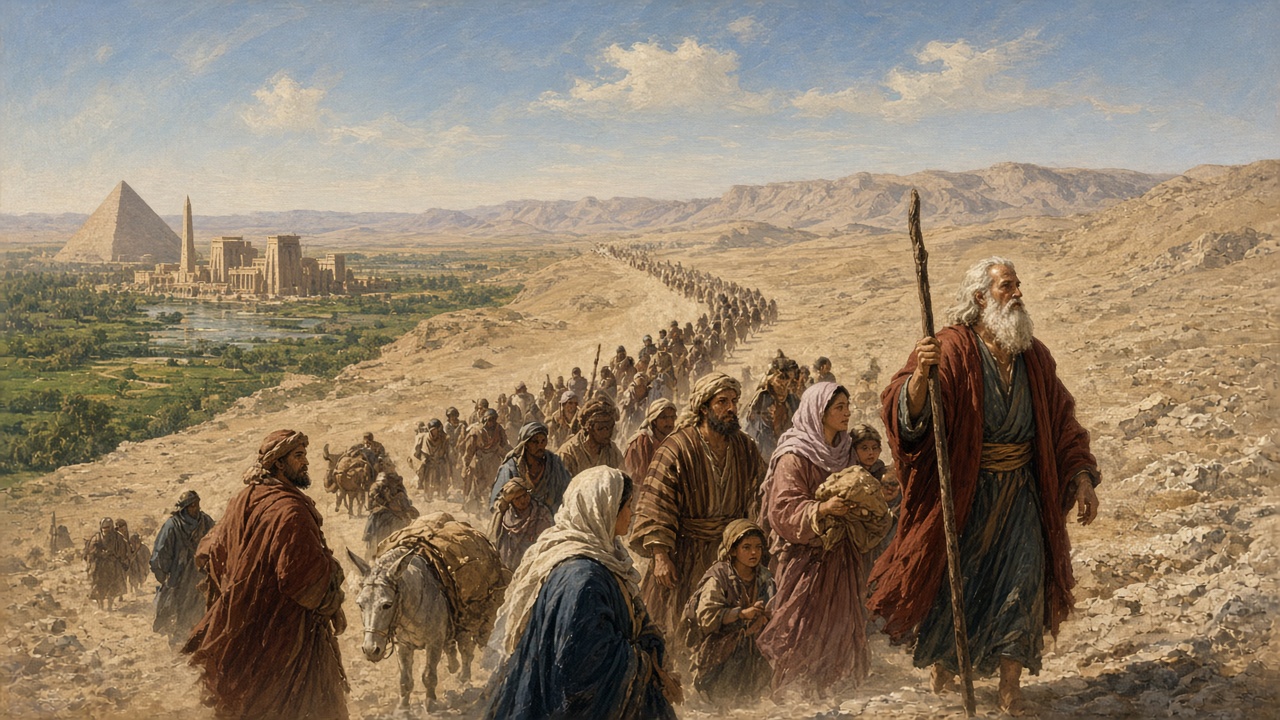
Você sabia?
Glória maior do que a de Moisés
- Hebreus pede aos leitores que fixem a atenção em Jesus, o apóstolo e sumo sacerdote que confessam. Ele foi fiel àquele que o designou, assim como Moisés foi fiel em toda a casa de Deus, mas Jesus é considerado digno de maior glória do que Moisés, como o construtor de uma casa tem mais honra do que a própria casa. Moisés foi fiel como servo; Cristo é fiel como Filho sobre a casa de Deus.Fontes: o próprio texto bíblico
- A advertência volta-se ao povo que Moisés tirou do Egito. Durante quarenta anos no deserto, eles puseram Deus à prova; Deus se irou contra aquela geração e jurou que jamais entrariam no seu descanso, e os corpos deles caíram no deserto. O capítulo diz que a incredulidade os impediu de entrar.Fontes: o próprio texto bíblico
- O Egito, a terra que deixaram com Moisés, é a terra do Nilo e das pirâmides. O dicionário bíblico de Easton (1897) explica o nome Moisés como tirado, ou o liga à palavra egípcia mesu, que significa filho.Fontes: o próprio texto bíblico · Egypt · Moses
Notas escritas com auxílio de IA a partir de fontes abertas (Theographic Bible Metadata, CC BY-SA 4.0; Easton’s Bible Dictionary, domínio público) e revisadas antes de publicar.
Lugares deste capítulo
- Egypt · 30.129, 31.308 · versículo 16
Só aparecem lugares com identificação de alta confiança (90% ou mais segundo as fontes acadêmicas reunidas pelo OpenBible). Mapa da época: DARE (Digital Atlas of the Roman Empire), CC BY 4.0; mapa atual: © colaboradores do OpenStreetMap; lugares: OpenBible.info (CC BY 4.0).
Créditos e licença desta tradução
Ŋwɛ menomenyɛɛ́ mekɛ́
New Testament in Denya (CM:anv:Denya)
copyright © 2010 Wycliffe Bible Translators, Inc.
Language: Denya
Translation by: Wycliffe Bible Translators, Inc.
Copyright Information
© 2010, Wycliffe Bible Translators, Inc. All rights reserved.
This translation text is made available to you under the
terms of the Creative Commons License: Attribution-Noncommercial-No Derivative Works.
( http://creativecommons.org/licenses/by-nc-nd/3.0/ )
In addition, you have permission to port the text to different file formats, as long as you
do not change any of the text or punctuation of the Bible.
You may share, copy, distribute, transmit, and extract portions
or quotations from this work, provided that you include the above copyright
information:
You must give Attribution to the work.
You do not sell this work for a profit.
You do not make any derivative works that change any of the actual words or punctuation of the Scriptures.
Permissions beyond the scope of this license may be
available if you contact
us with your request.
The New Testament
in Denya
© 2010, Wycliffe Bible Translators, Inc. All rights reserved.
This translation is made available to you under the terms of the
Creative Commons Attribution-Noncommercial-No Derivatives license 4.0.
You may share and redistribute this Bible translation or extracts from it in any format, provided that:
You include the above copyright and source information.
You do not sell this work for a profit.
You do not change any of the words or punctuation of the Scriptures.
Pictures included with Scriptures and other documents on this site are licensed just for use with those Scriptures and documents.
For other uses, please contact the respective copyright owners.
2024-02-11
Fonte: http://ebible.org/anvNT/ · eBible.org