Gálatas 2
Ŋwɛ menomenyɛɛ́ mekɛ́ · Toque num versículo para ver as referências cruzadas.
Áŋbá Jisɔs asɛ Pɔl amu apeá
1Aŋmɛɛ́ afyaneani ákógé, ɛsé ne Banabas déma dékwɔ défɛ né Jɛrosalɛ. Gébégé njyɛɛ́ nsɛ Titɔs afɛ́ ne ɛsé chónchó. 2Mfɛ né Jerosalɛ gétúgé Ɛsɔwɔ alɛré me nnó njyɛ. Njyɛgé mbané lé bɔɔ́ abi ájyaá nnó álú ákpakpa ɛchomelé bɔɔ́ Jisɔs déjwɔlé ɛsé ɛsé, ne ngaré ɛbwɔ́ abya melɔ́mélɔ́ ayi me ngaré bɔɔ́ abi álá pɔ́ bɔɔ́ Jus. Mpyɛmbɔ nnó ɛ́kágé utɔɔ́ bi me mpyɛ mɛ ne ɛbi mmagé pyɛ nyɛ uno mme detu. 3Ákame genó ɛyigé ngaré ɛbwɔ́. Yɛ ɛlé Titɔs muú ajyɛɛ́ ne ɛsé alu muú Grek, áŋmɛre fɔ́ ji mekpó mme nnó ábɔ́ mansɔ ji nsɔ wɔ́. 4Yɛ́mbɔ bɔɔ́ fɔ abi ábyɔge gebyɔ nnó áfyɛ metɔɔ́ ne Jisɔs, abwɛɛ́ mechɔ nsɔ ɛwéna. Ábɔ́ áwa rendoó akpɛ né geluage ɛchomele bɔɔ́ Jisɔs. Ápyɛ mbɔ́ nnó asɛ défyaá akaá ndɛre ɛsé délaá mmyɛmmyɛ sé gétúgé dechome mmyɛ ne Kras Jisɔs ne nnó áfwyáné ɛsé dékwé ɛké afwɛ́ né mabɛ bɔɔ́ Jus. 5Ne dékame yɛ́ ɛbwɔ́ ájyɛ mbɛ ne mejɔɔ́ ɛwéna chachá wɔ́, nnó ɛ́kágé ɛbwɔ́ áchɔ́ wáwálé ayi abya melɔ́mélɔ́ ágaregé nnó ɛnyú déjyɛge mbɛ ne ji.
6Yɛ́ ɛbɛ́ lé bɔɔ́ abi álú mmyɛ ɛké ákpakpa bwɔ́ ákwɔré yɛ́ genó gefɔ né unó bi me ngarege wɔ́. Ne yɛ́ ɛbwɔ́ abɛ lé ákpakpa, ɛwémbɔ ɛpyɛɛ́ yɛ́ me genó wɔ́, néndé bɔɔ́ ako álú janja né mbɛ ushu Ɛsɔwɔ. 7Yɛ́mbɔ, nnó ɛbwɔ́ agaré me genó ɛyigé mbɔɔ́ mampyɛgé, ágɛ lé nnó Ɛsɔwɔ afyɛ me utɔɔ́ né amu mangare abya melɔ́mélɔ́ mbaá bɔɔ́ abi álá pɔ́ fɔ́ bɔɔ́ Jus wyɛ ndɛre áfyɛɛ́ ji né amu Pita nnó agarege bɔɔ́ Jus. 8Mmyɛ ɛké Ɛsɔwɔ muú achyɛ Pita uto nnó abɛ ŋgbá mangarege abya melɔ́mélɔ́ mbaá bɔɔ́ Jus wyɛ ji ntó ne achyɛ me utó nnó mbɛ́ ŋgbá ngarege abya melɔ́mélɔ́ mbaá bɔɔ́ abi álá pɔ́ bɔɔ́ Jus. 9Pita ne Jɛmsi ne Jɔn bɔɔ́ alu nkane ukwa né ɛchomele bɔɔ́ Jisɔs, ágɛgé nnó Ɛsɔwɔ achyɛ me ɛchyɛ né gefɔgé utɔɔ́ bina, áfyɛ́ ɛsé ne Banabas amu manlɛré nnó ɛsé dépyɛɛ́ utɔɔ́ uma ne ɛbwɔ́. Ɛsé ako dékámé meko ama nnó me ne Banabas déjyɛ dégarege abya melɔ́mélɔ́ mbaá bɔɔ́ abi álá pɔ́ bɔɔ́ Jus, ɛbwɔ́ ágárégé mbaá bɔɔ́ Jus. 10Majyɛɛ́ ami achyɛ ɛsé malu nnó détégé mampógé ubya bɔ́. Ne gɛ wyɛ genó ɛyigé gebɔ́ gelu me metɔɔ́ mampyɛ mbɔ.
Pɔl ashulé Pita ndo nnó alu kwɔlegé gepɔgé bɔɔ́ Jus
11Ne gébégé Pita achwɔɔ́ né Antiɔk nshya genó ɛyigé ji apyɛɛ́ né mbɛ ushu bɔɔ́ ako néndé, genó ɛyigé ji apyɛɛ́ gepɔ fɔ́ cho. 12Gɛ mechɔ́ ɛwé ɛpyɛɛ́. Gemɛge nnó bɔɔ́ abi Jɛmsi atɔme áchwɔ, Pita abɔ acho mɛ mbwa menyɛɛ́ ne bɔɔ́ abi álá pɔ́ bɔɔ́ Jus. Ne gébégé bɔɔ́ bimbɔ áchwɔɔ́, Pita aja mmyɛ meso alyaá manyɛge menyɛɛ́ ne bɔɔ́ abi álá pɔ́ bɔɔ́ Jus. Apyɛmbɔ ɛlé afɔɔ́ ɛkwɔ́ bɔɔ́ abi ajɔ́gé nnó abɔ́ mansɔ bɔɔ́ abi álá pɔ́ bɔɔ́ Jus nsɔ ne ácho mbwa ne bɔɔ́ Jisɔs. 13Bɔɔ́ Jus abi afyɛɛ́ metɔɔ́ ne Jisɔs ágyɛré genó ɛyigé Pita apyɛɛ́. Yɛ́ ɛbɛ lé Banabas acho ntó mbwa né dembwɔlé bwɔ́. 14Ne ngɛgé nnó genó ɛyigé ɛbwɔ́ apyɛɛ́ gepɔ fɔ́ ndɛre abya melɔ́mélɔ́ agarege, njɔɔ́ ne Pita né mbɛ ushu ɛbwɔ́ ako, nshulé ji ndo, nke wɔ ɔlu muú Jus, yɛ́mbɔ ɔkwɔlege sé gepɔgé bɔɔ́ Jus, ulannó ɔkpɛage bɔɔ́ abi álá pɔ́ bɔɔ́ Jus nnó akwɔlege gepɔgé bɔɔ́ Jus?
Bɔɔ́ Jus ne bɔɔ́ abi álá pɔ́ bɔɔ́ Jus ápome mbɔgé áfyɛge metɔɔ́ ne Kras
15Ɛsé ne wɔ delú bɔɔ́ Jus tágétágé abi ákwɔlegé ɛbɛ. “Depɔ́ fɔ́ aŋkɛɛ́ bɔɔ́ abi álú bɔɔ́ ubeé.” 16Yɛ́mbɔ ɛsé dékaá nnó muú abɛɛ́ fɔ́ cho né mbɛ ushu Ɛsɔwɔ gétúgé akwɔlege ɛbɛ Mosis. Muú abɛɛ́ cho né mbɛ ushu Ɛsɔwɔ mbɔgé áfyɛɛ́ metɔɔ́ ne Jisɔs Kras. Ɛsé ntó défyɛɛ́ metɔɔ́ ne Kras Jisɔs nnó debɛ cho né mbɛ ushu Ɛsɔwɔ gétúgé défyɛɛ́ metɔɔ́ ne Kras. Ɛpɔ́fɔ́ gétúgé dékwɔlege genó ɛyigé ɛbɛ Mosis ɛjɔɔ́. Néndé muú aké akwɔlege ɛbɛ, abɛɛ́ fɔ́ cho né mbɛ ushu Ɛsɔwɔ. 17Ne muú ákage jɔ́gé nnó ɛsé abi démmyɛ nnó défyɛɛ́ metɔɔ́ ne Kras nnó debɛ cho né mbɛ ushu Ɛsɔwɔ délú bɔɔ́ ubeé gétúgé déla débélégé ɛbɛ. Muú ajɔ́gé mbɔ, ɛbyɛnnó ajɔ́gé mbɔ ɛlé nnó Kras apyɛɛ́ ɛsé dépyɛɛ́ gabo? Ɛpɔ́fɔ́ mbɔ! 18Ɛlú lé nnó mbɔgé mmagé kwɔle mabɛ Mosis ayi mbɔ́, nshyaá nnó álɔme, ɛbyɛnnó nlɛre nnó nlú muú ayi akwene mabɛ. 19Genó ɛyi gelú wyɛ gelú nnó, nlyaá mambelege mabɛ Mosis néndé ájí ne áwáné me. Ɛpyɛmbɔ nnó mpyɛge lé genó ɛyigé Ɛsɔwɔ akɛlege. 20Ne ngbo ne Kras gébégé awɔme ji né gekwa. Me mpɔ́ sé mebɛ, ɛlé Kras ne alu né geŋwá ya. Né geŋwá ɛyigé me nlú mbɔ né menyammyɛ nana, mfyɛɛ́ lé metɔɔ́ wa ne Maá Ɛsɔwɔ muú abɔɔ́ gejeé ne me, achyɛ gemɛ jií getú ya. 21Me nsɛlé fɔ́ ulɔɔ́ melu Ɛsɔwɔ bina ɛké ufuú yɛ́ genó wɔ́. Mbɔgé ɛlú wáwálé nnó muú abɛ cho né mbɛ ushu Ɛsɔwɔ gétúgé ábélege mabɛ Mosis ɛbyɛnnó Kras agbo detu.
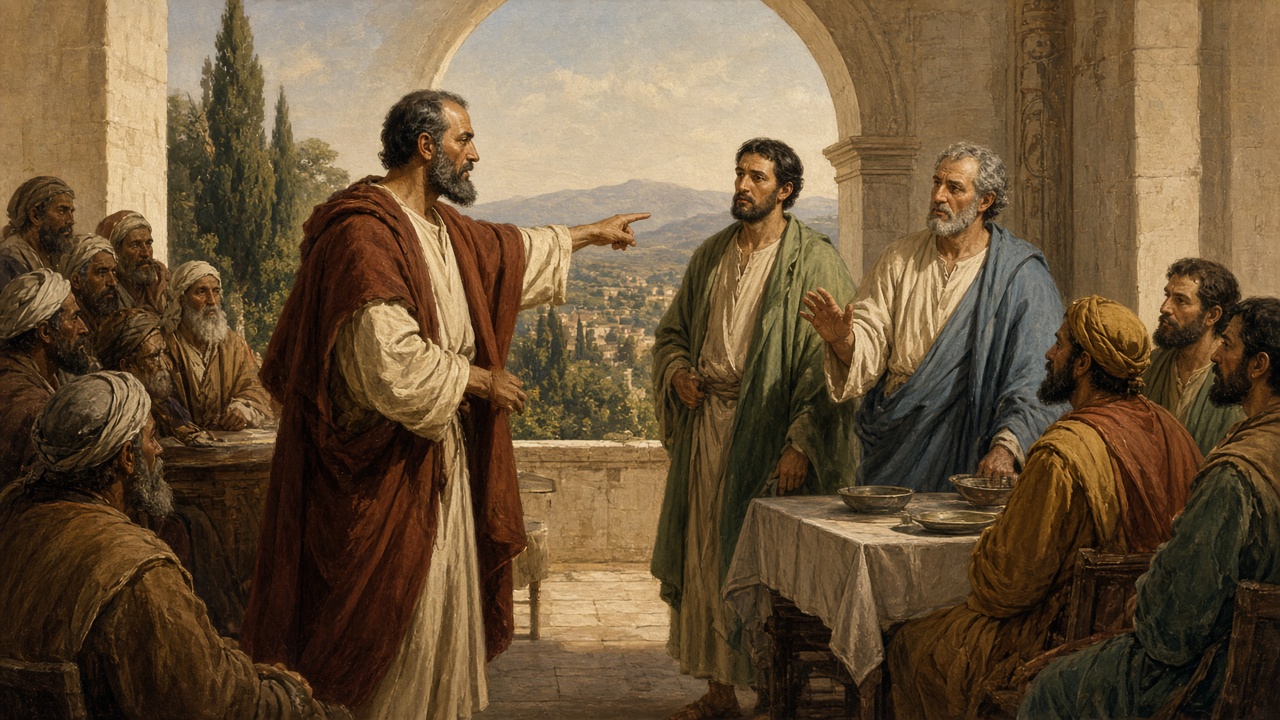
Você sabia?
Gentios, comunhão e um confronto em Antioquia
- Tito foi com Paulo e Barnabé a Jerusalém. O Easton's Bible Dictionary (1897) diz que ele parece ter sido gentio e que seu nome não aparece em Atos. Paulo escreve que Tito, embora fosse grego, não foi obrigado a circuncidar-se.Fontes: Titus · o próprio texto bíblico
- O confronto posterior ocorreu em Antioquia da Síria, às margens do Orontes, a umas trezentas milhas ao norte de Jerusalém. A cidade ocupava o terceiro lugar entre as cidades do Império Romano, depois de Roma e Alexandria, e foi ali que os crentes foram chamados cristãos pela primeira vez.Fontes: Antioch (Syria) · o próprio texto bíblico
- O Easton's Bible Dictionary (1897) descreve Tiago, citado com Cefas e João como um dos pilares, como cabeça da igreja em Jerusalém, onde presidiu o concílio sobre os gentios. Paulo diz que, antes de chegarem certos homens da parte de Tiago, Cefas costumava comer com os gentios, mas depois se afastou por medo do grupo da circuncisão.Fontes: James (Brother of Jesus) · o próprio texto bíblico
Notas escritas com auxílio de IA a partir de fontes abertas (Theographic Bible Metadata, CC BY-SA 4.0; Easton’s Bible Dictionary, domínio público) e revisadas antes de publicar.
Lugares deste capítulo
- Jerusalem · 31.777, 35.234 · versículo 1
- Antioch · Hoje: Antioch on the Orontes · 36.227, 36.172 · versículo 11
Só aparecem lugares com identificação de alta confiança (90% ou mais segundo as fontes acadêmicas reunidas pelo OpenBible). Mapa da época: DARE (Digital Atlas of the Roman Empire), CC BY 4.0; mapa atual: © colaboradores do OpenStreetMap; lugares: OpenBible.info (CC BY 4.0).
Créditos e licença desta tradução
Ŋwɛ menomenyɛɛ́ mekɛ́
New Testament in Denya (CM:anv:Denya)
copyright © 2010 Wycliffe Bible Translators, Inc.
Language: Denya
Translation by: Wycliffe Bible Translators, Inc.
Copyright Information
© 2010, Wycliffe Bible Translators, Inc. All rights reserved.
This translation text is made available to you under the
terms of the Creative Commons License: Attribution-Noncommercial-No Derivative Works.
( http://creativecommons.org/licenses/by-nc-nd/3.0/ )
In addition, you have permission to port the text to different file formats, as long as you
do not change any of the text or punctuation of the Bible.
You may share, copy, distribute, transmit, and extract portions
or quotations from this work, provided that you include the above copyright
information:
You must give Attribution to the work.
You do not sell this work for a profit.
You do not make any derivative works that change any of the actual words or punctuation of the Scriptures.
Permissions beyond the scope of this license may be
available if you contact
us with your request.
The New Testament
in Denya
© 2010, Wycliffe Bible Translators, Inc. All rights reserved.
This translation is made available to you under the terms of the
Creative Commons Attribution-Noncommercial-No Derivatives license 4.0.
You may share and redistribute this Bible translation or extracts from it in any format, provided that:
You include the above copyright and source information.
You do not sell this work for a profit.
You do not change any of the words or punctuation of the Scriptures.
Pictures included with Scriptures and other documents on this site are licensed just for use with those Scriptures and documents.
For other uses, please contact the respective copyright owners.
2024-02-11
Fonte: http://ebible.org/anvNT/ · eBible.org