Efésios 6
Ŋwɛ menomenyɛɛ́ mekɛ́ · Toque num versículo para ver as referências cruzadas.
Na ne baá ne antɛ ne ama ábɔɔ́ mambɛ
1Ɛnyú baá melɔ wúgé ne amma nyú ne antɛ nyú, gétúgé déchome mmyɛ ne Ata, néndé gɛ genó ɛyi gélú cho mampyɛ mbɔ. 2“Nógé amma nyú ne antɛ nyú.” Gɛ ndɔ mbɛ ayi Ɛsɔwɔ anyɛ́meno gébégé achyɛɛ́ ɛbɛ aké, 3“Dépyɛge mbɔ, dégɛ́ne nyɛ galɔ́gálɔ́ ne dényɛ́ neki fa mme.”
4Ɛnyú antɛ ɛ́kágé débɛ ne gepɔ ɛyi gepyɛ matɔɔ́ asɔɔ́ baá nyú. Wyɛge lé ɛbwɔ́ né meti ɛwé délɛrege ɛbwɔ́ unó ndɛre abɔɔ́ mampyɛ, déchyɛge ɛbwɔ́ majyɛɛ́ ndɛre Ata akɛlege.
Na ne áfwɛ ne antɛ abi abɔɔ́ ɛbwɔ́ ábɛɛ́
5Ɛnyú áfwɛ, wúgé ne bɔɔ́ abi abɔɔ́ ɛnyú ne ɛfɔ metɔɔ́, déchyɛge ɛbwɔ́ ɛ́nógé ne matɔɔ́ nyu mako wyɛ ndɛre ɛbɔ ɛbɛ lé Kras, ɛnyú dépyɛ ne jií. 6Pyɛge utɔɔ́ ɛnyú chaŋéné. Dépyɛge fɔ́ wyɛ lé gébégé ɛbwɔ́ abɛge aké agɛne ɛnyú gétúgé dékɛlege nnó ɛbwɔ́ áfɛge ɛnyú. Ndɛre baá utɔɔ́ Kras, pyɛgé ɛlé genó ɛyigé Ɛsɔwɔ akɛlege ne matɔɔ́ nyú mako. 7Pyɛgé utɔɔ́ ne metɔɔ́ megɔmegɔ wyɛ ɛké ɛnyú dépyɛ mbaá Ata, ɛ́pɔ́ fɔ́ ɛlé mbaá mekwaá. 8Kaágé nnó yɛ́ muú alú mefwɛ yɛ ápɔ́, ɛlé Ata ne achyɛge ɛsé ako nsa né utɔɔ́ ulɔ́ulɔ́ ɛbi ɛsé dépyɛɛ́.
9Ɛnyú antɛ wyɛmbɔ ntó ne débɔɔ́ mampyɛge ne áfwɛ nyú. Déchyɛge sé ɛbwɔ́ genyane. Kaáge nnó Ata ayi abɔɔ́ ɛnyú chóncho ne ɛbwɔ́ alú né mfaánebuú. Ne ji asɔɔ́ mpa yɛ́ndémuú alɛrege fɔ́ aŋgya.
Pɔl ajɔ́gé ndɛre bɔɔ́ kras abɔɔ́ matɛne ummyɛ ne danchomeló
10Kwyakwya genó ɛyigé, me nkɛlege mangare ɛnyú gelu nnó, bɔgé ɛshyɛ ndɛre déchome mmyɛ ne Ata. Ne gɔgé ji asɛ gekpɛkpɛge utó bií apyɛ ɛnyú détoó. 11Fyɛgé unó ummyɛ uko ɛbi Ɛsɔwɔ achyɛɛ́ ɛnyú nnó détɛne ummyɛ ne mati défya ayi danchɔmeló apɛnege. 12Néndé bee bina upɔ́ fɔ́ ne atɛ akwaá. Démmyɛ lé ne yɛ́ndé gefwage aló nchyɛ ɛyigé gelu né mfaá, ne uto aló nchyɛ uko. Démmyɛ ne áló nchyɛ ako abi ágbarege gefwa né malu ayi mfaá, ne abi áwyaá utó fa né mme yina ayi alú melu gemua. 13Ndɛre ɛlúmbɔ, bɔgé unó ummyɛ uko ɛbi Ɛsɔwɔ achyɛɛ́ ɛnyú nnó yɛ́ndégébé danchɔmeló achwɔgé ne ɛfwyale démmyɛ ɛ́kágé ji apwɔ ɛnyú ne démmyɛgé né kwyakwya détɛnege nyɛ chaŋéné.
14Ndɛre ɛlúmbɔ, kpomege mmyɛ. Ndɛre muú bee áwɛ́le ɛkandá mamkpome mmyɛ né utɔɔ́ bií, mbɔ ne ɛnyú débɔɔ́ mamgarege wáwálé. Pyɛge genó ɛyi gelu chó né mbɛ ushu Ɛsɔwɔ, ɛwéna ɛbɛɛ́ nyɛ ndɛre genóge ummyɛ ɛyigé muú bee akwere ɛwɔme wuú nnó ɛ́kágé nekɔ né kpɛ ne ta ji. 15Ndɛre muú bee afyɛ unó uka utouto nnó ɛ́kágé ji ásɛré ákwe gébégé aké alomege, mbɔntó ne ɛnyú débɔɔ́ mangarege abya melɔ́mélɔ́ ayi apyɛ bɔɔ́ ábɛɛ́ nesɔ ne Ɛsɔwɔ. 16Genó ɛyigé fɔ́ ɛyigé débɔɔ́ mampyɛ gelú nnó, gbarege metɔɔ́ ɛwé ɛnyú défyɛɛ́ ne Ɛsɔwɔ ɛbɛ ɛnyú né mbɛ. Ɛwéna ɛbɛ nyɛ ɛta nyú ndɛre genogé ummyɛ ɛyi gegbɛɛ́ nnó ámbeé danchɔmeló ako ayi achwɔɔ́ ɛké mewɛ akwɔnege fɔ́ ɛnyú mmyɛ. 17Sɛgé mamfere ayi Ɛsɔwɔ áferé ɛnyú né ɛfwyale gabo ábɛ́ ndɛre ɛla ummyɛ ɛwe ɛkwerege mekpo muú bee, nnó ɛkágé ji akpa gepa. Sɛge ntó mekomejɔɔ́ Ɛsɔwɔ ndɛre aparanja ayi Mendoó Ukpea ɛchyɛ ɛnyú nnó démmyɛgé ummyɛ ne ji. 18Gígé Ɛsɔwɔ nnó apógé ɛnyú yɛ́ndégébé né mmyɛmenɛne. Nɛgemmyɛ né yɛ́ndégenó ɛyigé ɛnyú dékɛlege. Pyɛge mbɔ ndɛre Mendoó Ukpea ɛlɛrege ɛnyú meti yɛ́ndégébé. Ndɛre ɛlúmbɔ, bɛgé peé né yɛ́ndégenó ɛyigé gepyɛ, dékogé metɔɔ́ gbɛne. Nɛge ntó mmyɛ yɛ́ndégébé mbaá bɔɔ́ Ɛsɔwɔ ako. 19Nɛge ntó mmyɛ getú ya, nnó yɛ́ndégébé nké nkɛlege mangare abya melɔ́mélɔ́, Ɛsɔwɔ achyɛ me mekomejɔɔ́ nnó ngare, mmbɛgé fɔ́ ne ɛfɔ metɔɔ́ mampyɛ bɔɔ́ akaá depɔré abya melɔ́mélɔ́ ɛtiré debɔ delu bibií. 20Ɛlé gétúgé abya melɔ́mélɔ́ yina ne Kras atɔme me, ne nana nlú né denɔ gétúgé mbɔ ngarege abya melɔ́mélɔ́ wuú. Nɛgemmyɛ nnó Ata apoó me mbɛgé ne ɛfɔ metɔɔ́ mangare abya melɔ́mélɔ́ yina ndɛre me mbɔɔ́ manjɔɔ́.
Kwyakwya matame
21Meŋmɛ sé Tikikɔs ayi mbɔɔ́ gejeé ne ji dɔɔ́, ne ntɛ muú ayi dékágé lií mmyɛ ne ji ndɛre apyɛ utɔɔ́ Ata achwɔgé, agarege nyɛ ɛnyú yɛ́ndégenó ɛyi getome ne me, ne ɛnyú dékágé nyɛ ndɛre depɔ dekɛne ne me wéna. 22Ɛlé wyɛ getú ɛyigé na ne me ntɔme ji ɛta nyú nnó ji apyɛ ɛnyú dékaá ndɛre ɛsé délu wéna, ne nnó afyɛ ɛnyú ɛshyɛ.
23Nɛnemmyɛ nnó Ntɛ sé Ɛsɔwɔ ne Ata Jisɔs Kras apyɛ ɛnyú aŋmɛ sé debɛ nesɔ ne atɛ, débɔ gejeé ne atɛ, ne nnó défyɛge wyɛ metɔɔ́ ne Ɛsɔwɔ. 24Mma nnɛnemmyɛ nnó Ɛsɔwɔ alɛrege galɔ́gálɔ́ mbaá bɔɔ́ ako abi abɔɔ́ gejeé ɛyi gela gebyɛɛ́ ne Ata Jisɔs Kras tɛ kwyakwya.
Você sabia?
Deveres da casa, a armadura de Deus e Tíquico
- Este capítulo apresenta o mandamento de honrar pai e mãe como o primeiro que vem com uma promessa: que tudo vá bem e que se tenha longa vida na terra. Também pede aos pais que não provoquem os filhos à ira, mas que os criem na disciplina e na instrução do Senhor.Fontes: o próprio texto bíblico
- O capítulo diz que a luta não é contra carne e sangue, mas contra governantes, autoridades, os poderes das trevas deste mundo e as forças espirituais do mal nas regiões celestiais. Os leitores são chamados a tomar toda a armadura de Deus — o cinto da verdade, a couraça da justiça, os pés preparados com a prontidão do evangelho da paz, o escudo da fé, o capacete da salvação e a espada do Espírito, que é a palavra de Deus — para ficarem firmes quando chegar o dia do mal.Fontes: o próprio texto bíblico
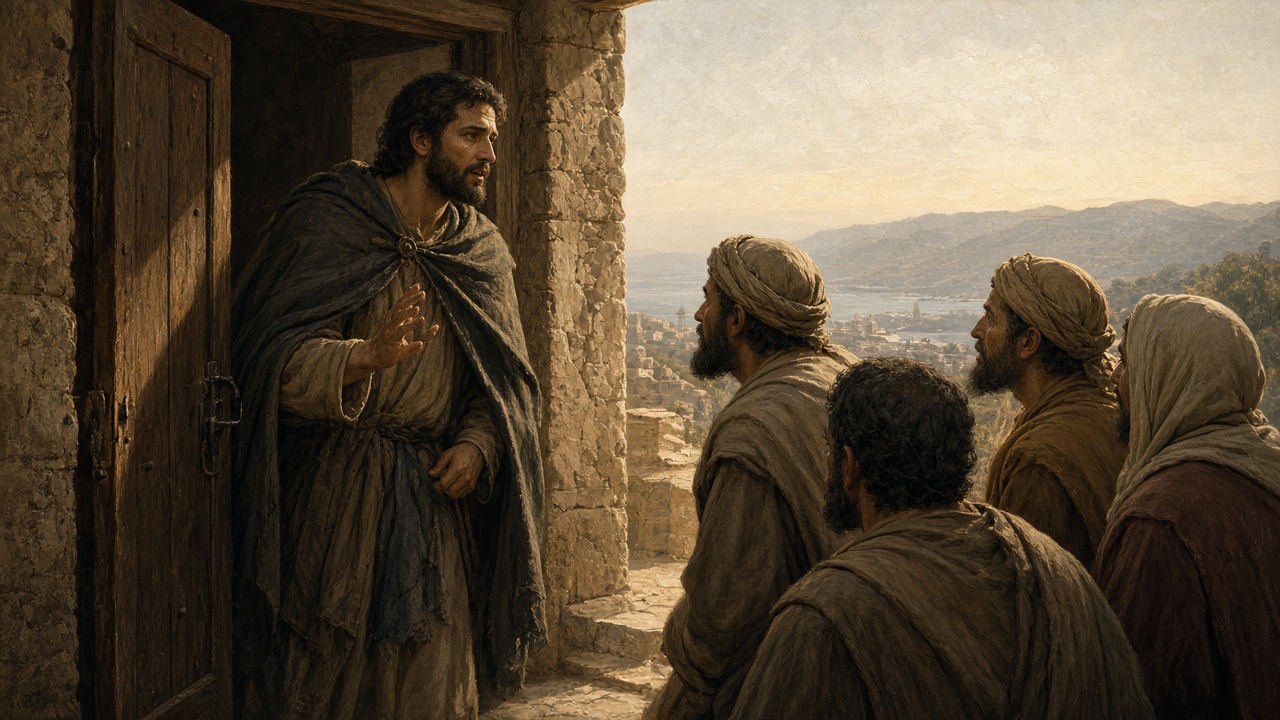
- Quem escreve pede oração para anunciar o evangelho sem medo, como embaixador em cadeias, e envia Tíquico, o irmão amado e servo fiel no Senhor, para contar aos leitores como ele está e animá-los. Tíquico é descrito como um cristão da Ásia que, com Trófimo, acompanhou Paulo em parte da viagem da Macedônia a Jerusalém e esteve com Paulo em Roma, de onde foi enviado a Éfeso, provavelmente para edificar e encorajar a igreja.Fontes: o próprio texto bíblico · Tychicus
Notas escritas com auxílio de IA a partir de fontes abertas (Theographic Bible Metadata, CC BY-SA 4.0; Easton’s Bible Dictionary, domínio público) e revisadas antes de publicar.
Créditos e licença desta tradução
Ŋwɛ menomenyɛɛ́ mekɛ́
New Testament in Denya (CM:anv:Denya)
copyright © 2010 Wycliffe Bible Translators, Inc.
Language: Denya
Translation by: Wycliffe Bible Translators, Inc.
Copyright Information
© 2010, Wycliffe Bible Translators, Inc. All rights reserved.
This translation text is made available to you under the
terms of the Creative Commons License: Attribution-Noncommercial-No Derivative Works.
( http://creativecommons.org/licenses/by-nc-nd/3.0/ )
In addition, you have permission to port the text to different file formats, as long as you
do not change any of the text or punctuation of the Bible.
You may share, copy, distribute, transmit, and extract portions
or quotations from this work, provided that you include the above copyright
information:
You must give Attribution to the work.
You do not sell this work for a profit.
You do not make any derivative works that change any of the actual words or punctuation of the Scriptures.
Permissions beyond the scope of this license may be
available if you contact
us with your request.
The New Testament
in Denya
© 2010, Wycliffe Bible Translators, Inc. All rights reserved.
This translation is made available to you under the terms of the
Creative Commons Attribution-Noncommercial-No Derivatives license 4.0.
You may share and redistribute this Bible translation or extracts from it in any format, provided that:
You include the above copyright and source information.
You do not sell this work for a profit.
You do not change any of the words or punctuation of the Scriptures.
Pictures included with Scriptures and other documents on this site are licensed just for use with those Scriptures and documents.
For other uses, please contact the respective copyright owners.
2024-02-11
Fonte: http://ebible.org/anvNT/ · eBible.org