Efésios 2
Ŋwɛ menomenyɛɛ́ mekɛ́ · Toque num versículo para ver as referências cruzadas.
Ɛsɔwɔ achyɛɛ́ ɛsé geŋwá ndɛre déchome mmyɛ ne Kras
1Mbɛmbɛ ɛnyú débɔ dégbo né depɔré Ɛsɔwɔ gétúgé déla débelege mabɛ Ɛsɔwɔ ne debɔ́ dépyɛ nto gabo. 2Né gébé ɛyigémbɔ ɛnyú débɔ dépyɛ lé ubobo unó bi bɔɔ́ mme ápyɛ. Dékwɔlege lé unó bi mfwa áló nchyɛ abi mfaá akɛlege nnó ɛnyú dépyɛge. Ji yimbɔ ne anyuú matɔɔ́ bɔɔ́ abi álá kɛlege manwú ne Ɛsɔwɔ. 3Wyɛmbɔ ntó ne ɛsé ako debɔ delu, dépyɛ nya lé ubobo unó bi menyammyɛ akɛlege. Dépyɛ lé unó bi menyammyɛ ne matɔɔ́ sé akɛlege. Ábyɛ́ ɛsé ako ne gepɔ gebogebo. Getú ɛyigémbɔ, Ɛsɔwɔ abɔ alu manlɛre ɛsé metɔɔ́ usɔɔ́ wuú ndɛre ji alɛrege nyɛ yɛ́ndémuú.
4Yɛ́mbɔ meshwɛ ayi Ɛsɔwɔ agɛne ɛsé aja dɔɔ́, ne gejeé ɛyigé ji abɔɔ́ ne ɛsé gepwɔ amu. 5Yɛ gébégé ɛsé débɔ dégboó gétúgé gabo se, Ɛsɔwɔ apyɛ ɛsé dékere né geŋwá chóncho ne Kras. Ne ɛlé gétúgé ulɔɔ́ melu Ɛsɔwɔ ne ji áwené gemɛ́ge nyú. 6Ndɛre ɛsé déchomé mmyɛ ne Kras Jisɔs, Ɛsɔwɔ apyɛ ɛsé dékwilé né negbo ne ji, ne abwɛɛ́ ɛsé nnó dégbare gefwa ne ji né malu ujwɔle Ɛsɔwɔ né mfaánebuú. 7Ɛsɔwɔ apyɛmbɔ nnó né gejamégé aŋmɛ ayi achwɔɔ́ né mbɛ, ji apyɛ bɔɔ́ ako akaá gekpɛkpɛge ulɔɔ́ melu ɛbi ujame dɔɔ́, ɛbi ji alɛre né gejeé gétúgé genó ɛyigé Kras Jisɔs apyɛ. 8Gétúgé ulɔɔ́ melu Ɛsɔwɔ, ji afere ɛnyú né ɛfwyale gabo gébégé défyɛɛ́ metɔɔ́ ne Kras, ɛ́pɔ́ fɔ́ né uto bi nyú ne ji afere ɛnyú né ɛfwyale gabo. Ɛlé ɛchyɛ ɛwé Ɛsɔwɔ achyɛgé. 9Ɛ́pɔ́ fɔ́ gétúgé utɔɔ́ ulɔɔ́ ulɔ ɛbi ɛnyú dépyɛ. Ndɛre ɛlúmbɔ, ɛ́kágé muú fɔ́ adogé ɛbwɔ ɛwɔme. 10Néndé ɛsé délu ɛlé amu utɔɔ́ Ɛsɔwɔ. Ji akwyɛɛ́ ɛsé ne apyɛ décho mmyɛ ne Kras Jisɔs nnó délɛrege galɔ́gálɔ́ mbaá bɔɔ́ ndɛre ji akwyɛ mɛ tɛ gachií ábelé nnó dépyɛgé.
Ɛsé ako delú muú ama ndɛre Ɛsɔwɔ apyɛ ɛsé déchome mmyɛ ne Kras
11Tɛge nnó mbɛmbɛ bɔɔ́ Jus bɔɔ́ akuú gemɛge bwɔ́ nnó, “Bɔɔ́ abi ásɔɔ́ ɛbwɔ́ nsɔ,” abɔɔ́ ákuú ɛnyú abi délá dépɔ bɔɔ́ Jus nnó, “Bɔɔ́ unyi gada.” Mmyɛké genó ayi akwaá apyɛɛ́ ne amu né menyammyɛ. 12Tege ndɛre ɛnyú debɔ delu. Né gébé ɛyigémbɔ ɛnyú depɔ mbwa ama ne Kras, ɛnyú debɔ délu lé aŋkɛɛ́ né geluagé bɔɔ́ abi Ɛsɔwɔ abɔ́ ajyaá nnó abɛ abií. Menomenyɛɛ́ gejame ɛwé Ɛsɔwɔ́ anyɛɛ́ ne bɔɔ́ bií, menomenyɛɛ́ ɛwɛ́mbɔ́ ɛ́pɔ́fɔ́ ɛwé nyú. Apyɛmbɔ, gétúgé geno ɛyigé ji abɔ anyɛ́meno nnó apyɛɛ́, yɛ́mbɔ ji anyɛ́ fɔ́ meno ne ɛnyú wɔ́. Depɔ yɛ ntó ne genó gefɔ́ fa né mme ɛyigé ɛnyú dénɛrege metɔɔ́ wyɛɛ́. Ne débɔ́ depɔ fɔ́ mbwa ama ne Ɛsɔwɔ. 13Yɛ́mbɔ nana Ɛsɔwɔ apyɛ ɛnyú déchome mmyɛ ne Kras Jisɔs, ji aja ɛnyú abi délu nya tɛtɛ ne ji, délá kwɔ́kwɔ́lé ne jí gétúgé manoó Kras amí machyɛɛ́ mme gébégé ji gboó né gekwa. 14Kras jimbɔɔ́ ne apyɛɛ́ ɛsé délu né nesɔ ne atɛ, néndé ji apyɛ bɔɔ́ Jus ne bɔɔ́ abi álá pɔ́ bɔɔ́ Jus ákwé ɛké muú ama. Ndɛre ji apyɛmbɔ, Kras amu ɛkwɔ gepú ɛwé ɛbɔ ɛkare bɔɔ́ Jus ne abi álá pɔ́ fɔ́ bɔɔ́ Jus ne ɛpyɛ ɛbwɔ́ abɔɔ́ mawáme ne atɛ. 15Kras agboge atyaá mabɛ bɔɔ́ Jus ako ayi apyɛ bɔɔ́ Jus afaá mbwa ne bɔɔ́ abi álá pɔ́ fɔ́ bɔɔ́ Jus. Ji apyɛmbɔ nnó ji asɛ bɔɔ́ Jus ne abi álá pɔ́ bɔɔ́ Jus ácho ɛbwɔ́ alá muú mekɛ, ácho ntó mmyɛ ne ji nnó ɛpyɛgé mbɔ ɛbwɔ́ abɛ nesɔ ne atɛ. 16Ndɛre ji apyɛmbɔ, aja bɔɔ́ Jus ne abi álá pɔ́ fɔ́ bɔɔ́ Jus nnó anyɛ́ nesɔ ne Ɛsɔwɔ ála ndɛre muú ama gétúgé negbo ɛníné ji agboó né gekwa ne mawámé bwɔ́ ábyɛɛ́. 17Ne Kras achwɔ, agaré abya melɔ́mélɔ́ ayi achwɔɔ́ ne nesɔ ɛta nyú bɔɔ́ abi debɔ delu tɛtɛ ne Ɛsɔwɔ ne mbaá bɔɔ́ abi abɔ álú kwɔ́kwɔ́lé ne Ɛsɔwɔ. 18Ne ɛlé gétúgé genó ɛyigé Kras apyɛ ne ɛsé ako dégɛne meti mantɛne né mbɛ ushu ntɛ sé Ɛsɔwɔ dénɛnemmyɛ né uto Mendoó Ukpea ɛwú ɛma.
19Ndɛre ɛlúmbɔ, ɛnyú bɔɔ́ abi álá pɔ́ bɔɔ́ Jus dépɔ sé aŋkɛɛ́ bɔ, bɔɔ́ abi áchwɔ́ ɛlé manjwɔlé né mbaá jwɔlege. Ɛnyú délá ambɔɔ́ melɔ, dékwe gelua gema ne bɔɔ́ abi Ɛsɔwɔ ajyaá nnó abɛ abií. Ne dela ntó bɔɔ́ ula gepu Ɛsɔwɔ. 20Ɛnyú délu ɛgbɛ gepú ɛyigé Ɛsɔwɔ atɛnege. Abelé ɛnyú né nebɔme gepú ɛníné áŋgbá Jisɔs ne bɔɔ́ ɛkpave Ɛsɔwɔ áfyɛɛ́. Kras Jisɔs jimbɔɔ́ ne alu ntaá ɛníne né gbarege ɛkwɔ gepú. 21Kras ne agbare gepú ɛyina geko mbaá ama. Ne apyɛ nnó gejamégé bɔɔ́ áchwɔɔ́ né mmu nnó geji géwɛ́né gebɛ ɛcha ukpea mbaá Ata. 22Ndɛre Ɛsɔwɔ apyɛ ɛnyú déchome mmyɛ ne Kras, apyɛ ntó ɛnyú détɛne chóncho ne atɛ aŋmɛ abifɔ ako déla ɛké melu ɛwé Ɛsɔwɔ ajwɔlege wyɛ né Mendoó wuú.
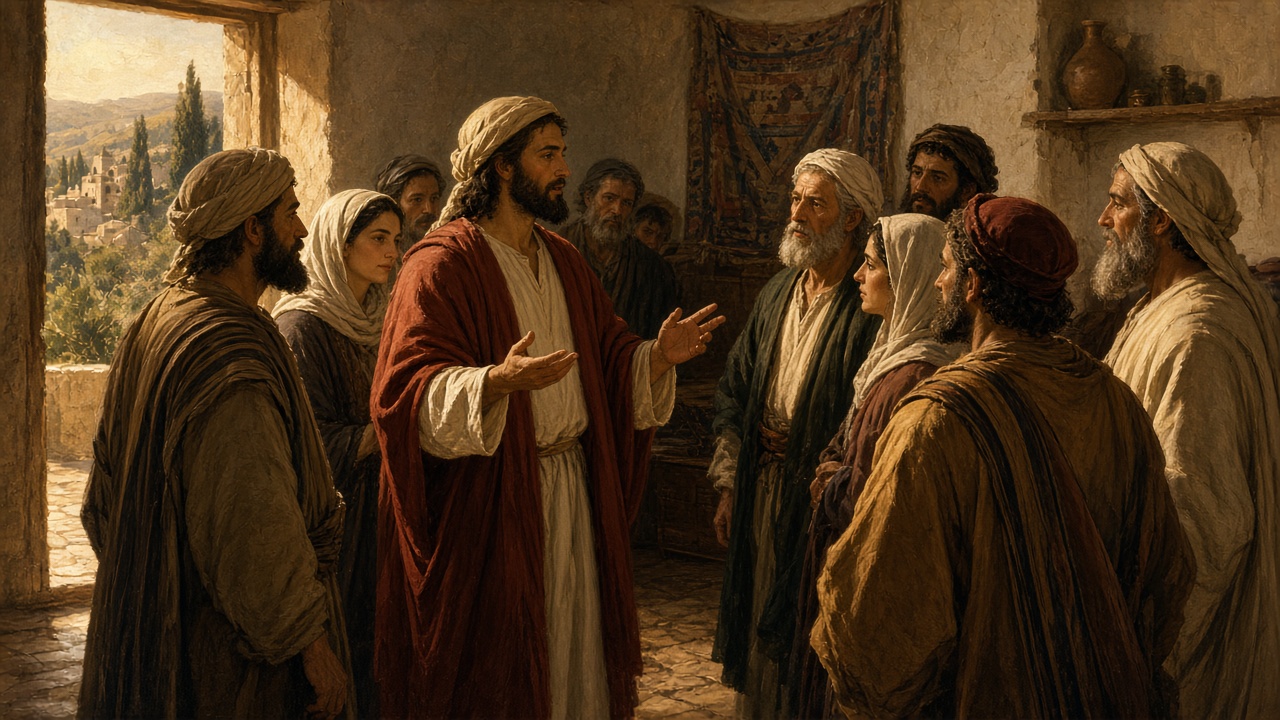
Você sabia?
Vivificados e aproximados
- Efésios 2 dirige-se a leitores que estavam mortos em suas transgressões e pecados, conformando-se aos caminhos deste mundo e ao governante do poder do ar. Diz que Deus, rico em misericórdia, os vivificou com Cristo, os ressuscitou com ele e os fez assentar-se com ele nos lugares celestiais, e que foram salvos pela graça, por meio da fé, não por si mesmos, mas como dom de Deus, e não por obras, para que ninguém se glorie.Fontes: o próprio texto bíblico
- Efésios 2 lembra aos leitores que são gentios na carne que eram chamados incircuncisos pela assim chamada circuncisão, que o capítulo descreve como feita no corpo por mãos humanas. Diz que, naquele tempo, estavam separados de Cristo, alienados da cidadania de Israel e estranhos às alianças da promessa, sem esperança e sem Deus no mundo.Fontes: o próprio texto bíblico
- Efésios 2 chama o próprio Cristo de nossa paz: ele fez dos dois um só e derrubou a parede divisória da hostilidade, abolindo na sua carne a lei dos mandamentos e decretos, para criar em si um novo homem e reconciliar ambos com Deus num só corpo. Ele anunciou paz aos que estavam longe e aos que estavam perto, e por meio dele ambos têm acesso ao Pai por um só Espírito. Os leitores já não são estranhos nem estrangeiros, mas concidadãos dos santos e membros da família de Deus, edificados sobre os apóstolos e os profetas, com Cristo Jesus como pedra angular, e nele também eles estão sendo edificados juntos como um templo santo, morada de Deus no seu Espírito.Fontes: o próprio texto bíblico
Notas escritas com auxílio de IA a partir de fontes abertas (Theographic Bible Metadata, CC BY-SA 4.0; Easton’s Bible Dictionary, domínio público) e revisadas antes de publicar.
Créditos e licença desta tradução
Ŋwɛ menomenyɛɛ́ mekɛ́
New Testament in Denya (CM:anv:Denya)
copyright © 2010 Wycliffe Bible Translators, Inc.
Language: Denya
Translation by: Wycliffe Bible Translators, Inc.
Copyright Information
© 2010, Wycliffe Bible Translators, Inc. All rights reserved.
This translation text is made available to you under the
terms of the Creative Commons License: Attribution-Noncommercial-No Derivative Works.
( http://creativecommons.org/licenses/by-nc-nd/3.0/ )
In addition, you have permission to port the text to different file formats, as long as you
do not change any of the text or punctuation of the Bible.
You may share, copy, distribute, transmit, and extract portions
or quotations from this work, provided that you include the above copyright
information:
You must give Attribution to the work.
You do not sell this work for a profit.
You do not make any derivative works that change any of the actual words or punctuation of the Scriptures.
Permissions beyond the scope of this license may be
available if you contact
us with your request.
The New Testament
in Denya
© 2010, Wycliffe Bible Translators, Inc. All rights reserved.
This translation is made available to you under the terms of the
Creative Commons Attribution-Noncommercial-No Derivatives license 4.0.
You may share and redistribute this Bible translation or extracts from it in any format, provided that:
You include the above copyright and source information.
You do not sell this work for a profit.
You do not change any of the words or punctuation of the Scriptures.
Pictures included with Scriptures and other documents on this site are licensed just for use with those Scriptures and documents.
For other uses, please contact the respective copyright owners.
2024-02-11
Fonte: http://ebible.org/anvNT/ · eBible.org