Atos 6
Ŋwɛ menomenyɛɛ́ mekɛ́ · Toque num versículo para ver as referências cruzadas.
Ájya ande makpo akeneama nnó ápoóge Aŋgbá Jisɔs
1Né gébé ɛyigembɔ, ɛchomele bɔɔ́ Jisɔs ɛwɛ́ne ɛjyɛ́ mbɛmbɛ nkane gejamégé bɔɔ́ ábánege bwɔ́. Abi ajɔge mejɔɔ́ Grek abɔ ásɔɔ́ matɔɔ́ ne abi Hibru nnó áfwalege akwi andeé bwɔ́ né uno bi ákarege yɛndé bií. 2Ne aŋgbá Jisɔs afyaneapéa ákuú bɔɔ́ Jisɔs ako ne ake ne ɛbwɔ́, “Ɛpɔ́fɔ́ chó nnó ɛsé delyaá mangaré mekomejɔɔ́ Ɛsɔwɔ, depane le depɔre menyɛɛ́ mankaré. 3Ne aŋmɛ́ sé, ndɛre ɛlúmbɔ, ɛlɔ́ nnó ɛnyú déjyá bɔɔ́ akeneama nnó ápyɛgé utɔɔ́ ɛbi. Bɔɔ́ bina abɔ́ mambɛ abi bɔɔ́ ako ákamé nnó awya gepɔ gelɔ́gelɔ́ ne ákaáge geno cháŋéné ne Mendoó Ukpea ɛgbeé bwɔ́ matɔɔ́. 4Ne ɛsé aŋgbá Jisɔs dechyɛge nyɛ gemɛ se geko né mmyɛ manɛne ne mangarege mekomejɔɔ́ Ɛsɔwɔ.”
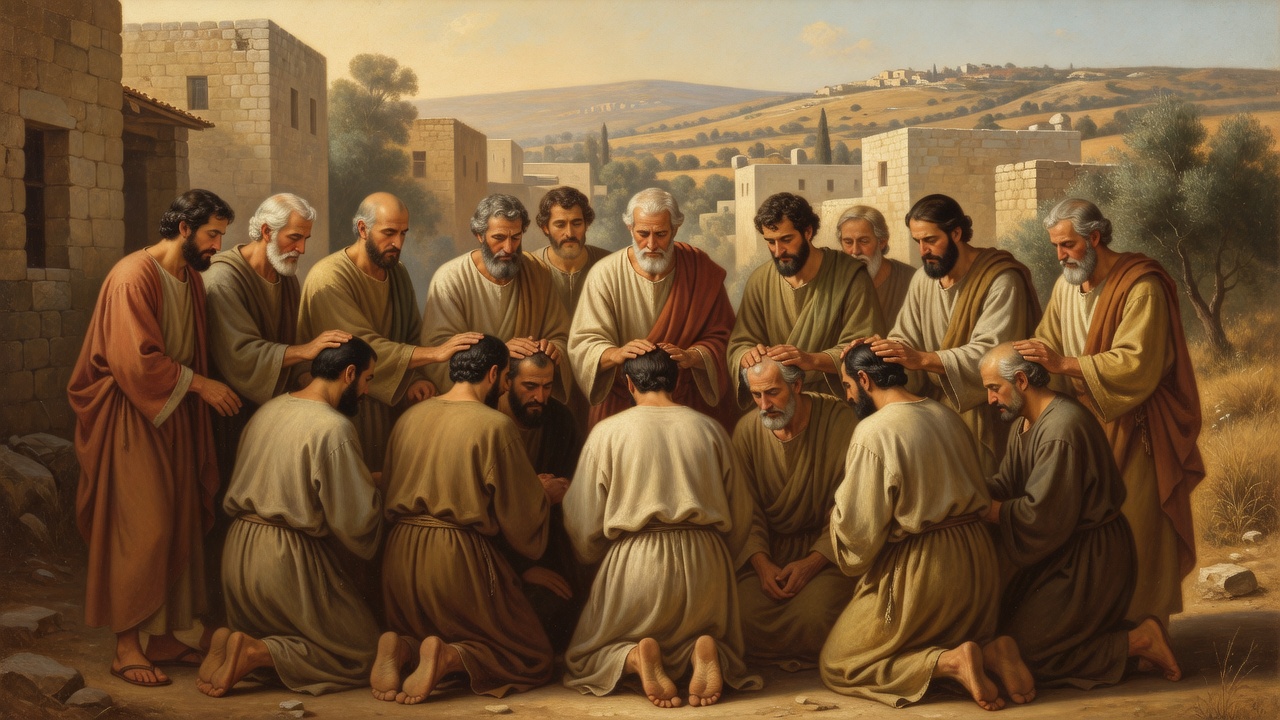
5Ne bɔɔ́ ako áwúge mbɔ, matɔɔ́ agɔ́ bwɔ́. Ne ajya Stɛfɛn ayi áfyɛɛ́ metɔɔ́ ne Jisɔs dɔɔ́ ne Mendoó Ukpea ɛgbeé ji metɔɔ́. Abifɔ alú Filip ne Prokɔrɔs, Nikanɔ ne Timɔn, Pamɛnas ne Nikolyɔs ayi atané melɔ Antiɔk ayi alaá muú Jus. 6Ɛbwɔ́ áchwɔ ne bɔɔ́ bimbɔ né mbɛ ushu áŋgbá Jisɔs, ne áŋgbá Jisɔs ánɛre bwɔ́ amu mmyɛ anɛmmyɛ ɛta bwɔ́.
7Ne mekomejɔɔ́ Ɛsɔwɔ akɛne agyage, ne ɛchomele bɔɔ́ Jisɔs ɛwé ɛlu né Jɛrosalɛ ɛwɛne ɛjyɛ mbɛ, ne gejamégé ampyɛ upɛ Ɛsɔwɔ ákwɔ́lege ntó depɔré Jisɔs.
Ápyɛ Stɛfɛn
8Stɛfɛn yina ayi ɛbwɔ́ ábɔ́ ajya, alu muú yi mejé Ɛsɔwɔ ɛbɔ́ ɛlu ne ji ne Ɛsɔwɔ achyɛge ji uto apyɛ ufélekpá ne ukpɛkpɛ uno né metɔɔ́ metɔɔ́ bɔɔ́. 9Bɔɔ́ Jus fɔ́ áchwɔ́, álɔ manyɛɛ́ mbeé ne Stɛfɛn. Ɛbwɔ́ ne áwya ɛcha mmyɛmenɛne ɛwé akuú ɛcha bɔɔ́ bi átané defwɛ́. Ɛbwɔ́ abɔ átané melɔ Sɛren ne Aleksanda ne abifɔ nto atané gebagé mewaá Silisya ne Ɛsya. 10Ɛbwɔ́ ápulé mankwɔre depɔ tire Stɛfɛn agare meti ɛpɔ́, getuge Mendoó Ukpea ɛbɔ ɛchyɛge ji deŋgare mejɔɔ́.
11Ne ɛbwɔ́ achyɛ́ bɔɔ́ fɔ́ unyiɛlé nnó áchwɔ́ byɔ gebyɔ nnó ɛbwɔ́ abɔ́ áwuú nkane Stɛfɛn ájɔɔ́ge mejɔɔ́ mebomebo ne Ɛsɔwɔ ne Mosis. 12Mechɔ ɛwé ɛsɔ́ bɔɔ́ matɔɔ́ chóncho ne ákpakpa melɔ ne anlɛre mabɛ́ Ɛsɔwɔ. Ne ájyɛ pyɛ́ Stɛfɛn áchwɔ né mbɛ ushu ɛchomele ákpakpa bɔɔ́ Jus. 13Bɔɔ́ bina áchwɔ ne bɔɔ́ bifɔ abi ágaré gebyɔ ake, “Mende yina ajɔɔ́ge mejɔɔ́ mebomebo mbaá ɛcha upɛ Ɛsɔwɔ se yɛndé bií ne mabɛ́ Mosis. 14Ɛsé debɔ́ dewú ji ajɔɔ́ ake, Jisɔs, mende Nasarɛt ammuú nyɛ ɛcha upɛ Ɛsɔwɔ ne akwɔrege nyɛ ntó gepɔge melɔ geko ɛyi Mosis abɔ́ alɛré ɛsé.” 15Bɔɔ́ ako abi abɔ́ alu né ɛcha ɛso ɛwémbɔ, átó Stɛfɛn amɛ mmyɛ ne ágɛ́ nnó ushu bi ukwɔré úlú ɛke ɛbi ɛkiɛ́nné Ɛsɔwɔ.
Você sabia?
A Escolha dos Sete e o Julgamento de Estêvão
- Surgiram tensões entre os judeus de língua grega e os hebraicos acerca da distribuição diária de alimentos às viúvas, levando os apóstolos a nomear sete homens respeitados para esse serviço. Notavelmente, todos os sete escolhidos—incluindo Nicolau, um prosélito de Antioquia—tinham nomes gregos.Fontes: o próprio texto bíblico · Nicolas
- Judeus de várias partes do mundo romano mantinham sinagogas próprias em Jerusalém, como a Sinagoga dos Libertos e congregações para pessoas de Cirene, Alexandria, Cilícia e da província da Ásia. Membros desses grupos regionais foram os primeiros a debater formalmente com Estêvão sobre seus ensinamentos.Fontes: o próprio texto bíblico · Cilicia · Asia
- Quando os opositores não conseguiram refutar os argumentos de Estêvão, levaram-no perante o Sinédrio sob a acusação de falar contra o templo e a lei de Moisés. Enquanto os membros do conselho o observavam durante essas acusações, viram que seu rosto parecia o de um anjo.Fontes: o próprio texto bíblico · Stephen
Notas escritas com auxílio de IA a partir de fontes abertas (Theographic Bible Metadata, CC BY-SA 4.0; Easton’s Bible Dictionary, domínio público) e revisadas antes de publicar.
Lugares deste capítulo
- Antioch · Hoje: Antioch on the Orontes · 36.227, 36.172 · versículo 5
- Jerusalem · 31.777, 35.234 · versículo 7
- Alexandria · 31.183, 29.896 · versículo 9
- Asia · 38.400, 28.300 · versículo 9
- Cilicia · 36.913, 34.892 · versículo 9
- Cyrene · 32.821, 21.851 · versículo 9
- Nazareth · 32.702, 35.298 · versículo 14
Só aparecem lugares com identificação de alta confiança (90% ou mais segundo as fontes acadêmicas reunidas pelo OpenBible). Mapa da época: DARE (Digital Atlas of the Roman Empire), CC BY 4.0; mapa atual: © colaboradores do OpenStreetMap; lugares: OpenBible.info (CC BY 4.0).
Créditos e licença desta tradução
Ŋwɛ menomenyɛɛ́ mekɛ́
New Testament in Denya (CM:anv:Denya)
copyright © 2010 Wycliffe Bible Translators, Inc.
Language: Denya
Translation by: Wycliffe Bible Translators, Inc.
Copyright Information
© 2010, Wycliffe Bible Translators, Inc. All rights reserved.
This translation text is made available to you under the
terms of the Creative Commons License: Attribution-Noncommercial-No Derivative Works.
( http://creativecommons.org/licenses/by-nc-nd/3.0/ )
In addition, you have permission to port the text to different file formats, as long as you
do not change any of the text or punctuation of the Bible.
You may share, copy, distribute, transmit, and extract portions
or quotations from this work, provided that you include the above copyright
information:
You must give Attribution to the work.
You do not sell this work for a profit.
You do not make any derivative works that change any of the actual words or punctuation of the Scriptures.
Permissions beyond the scope of this license may be
available if you contact
us with your request.
The New Testament
in Denya
© 2010, Wycliffe Bible Translators, Inc. All rights reserved.
This translation is made available to you under the terms of the
Creative Commons Attribution-Noncommercial-No Derivatives license 4.0.
You may share and redistribute this Bible translation or extracts from it in any format, provided that:
You include the above copyright and source information.
You do not sell this work for a profit.
You do not change any of the words or punctuation of the Scriptures.
Pictures included with Scriptures and other documents on this site are licensed just for use with those Scriptures and documents.
For other uses, please contact the respective copyright owners.
2024-02-11
Fonte: http://ebible.org/anvNT/ · eBible.org