1 Pedro 2
Amo New Testament · Toque num versículo para ver as referências cruzadas.
1Bara nani ceon adadu ananzan likot vat, urusuzu liti, nshina nin liru uhem. 2Nafo nono nipesse, idi ntok mmazin milau min ruhu, inan kunjo nan nya utucu minin, 3andi ina ciro ise cikilarie di nin kibinai kisheu. 4Dan kiti nlenge na amere litala nlai longo na anite na nari, ama Kutelle na fere linin nloli di ghe gongong. 5Anung wang masin nafo alala nlaiyari alenge na ina kye iso nilari nruhu, inan so a pristoci alau na ima nakpizu uhadaya nruhu ulenge na Kutelle ma seru unuzun Yesu Kristi. 6Uliru ntuce nworo nenge, “lanzang nna nonko nsihiyona litala liguda kutyi, lin cizunu, licine a licaut. Ulenge na a yinna ninghe na aina ti ncing ba”. 7Ngongonghe min fere na uyinna ama, “litala na anan kye kutiye wa nari, linnare nso litala liguea kutiye” 8a litala ntirzu a kuparang ntirizu” I tirzo, inari uyinnu nin lirue, ulenge na imung wang iwa fere nani mun. 9Anung imus nferuwari, a pirist tigo, nmyin milau, annit Kutelle an litime, inan belle katwa kazikiki nlenge na ana yicila minu unuzu nan nya nsirt ucindu nan nya nkanang mi zikiki. 10Na iwa mandi anit ba, ana nene idi anit Kutelle. Na iwa seru nkunekune ba, ama nene ina seru nkunekune. 11Yenen, nna yicila minu nafo amara nin na nan galu inan wantina atimine ntok nalapi, alenge na adin su likum nin tilai mine. 12Yitan nin nadu a cine nan a cine nan nya na nan salin dortu Kutelle, bara, asa isu uliru na timine nworu ina su imon inanzang, ima su seng izazin Kutelle lirin nsa me. 13Nonkon ati nin tigo nanit vat bara likilari, sa ugo na amere udya vat, 14sa anan tigo na ina tu nani ida ti anan nalapi ineo inin zazin alenge na idin sa katwa kacine. 15Bara nanere usu Kutelle, nan nya nsu nimon icine itursu uliru tinu nanit alalang. 16Nafo ale na idi licin ba, na iwa su katwa nin salin yitulicin mine imon tursuzu katwa ka nanzang, ana son nafo acin Kutelle. 17Ghantiuan anit vat. Tan usu linuwana, tan fiue Kutelle ghantinan Ugo. 18Acin, nan nibinai mine kiti nan cinilari mine nan nyan nonku nati, na kiti nan cinilari acine cas ba, umunu a nanazanghe wang. 19Bara imon ngongonghari asa umong ntere kibinai nan nyan konu a ayita nniu asa i waso uliru na dert ba bara uni litime kiti Kutelle. 20Mmari mi mashinari diku uwa ti kulapi unin ti anyi akona kubi nhoro? Ama asa uta imon icine umin nneo kubin horo, ilele imon ngongonghari kiti Kutelle. 21Kiti nilelere iwa yicila minu, Kristi wang na sono unin bara anughe, amini na sun udursuzu nworu among dofin libo me 22Na an ti kulapi ba; a na ina se kinu nnu me ba. 23Na iwa zogoghe, na awa tunu izoge ba, na awa neo, na nan tunu uniwe ba, ama ana ni litime kiti nlenge na adin su ushara dert. 24Ame litime na yaun alapi bite kidowo me udu kitene kuca, bara arik wa kuru ti se ndinong kulapi, arik nan se tiso anan sali na lapi. Bara anit kidowo me ina se ushinu tikonu mine. 25Vat mine na galu nafo akam nwulu, ame nene ina kpilin kiti nnan libyawe nin nan yenju tilai mine.
Você sabia?
Pedras vivas e um povo escolhido
- Este capítulo cita a Escritura sobre uma pedra angular escolhida e preciosa colocada em Sião: quem nela crê jamais será envergonhado. Sião era a colina do sudeste de Jerusalém, uma das elevações sobre as quais a cidade foi construída, cercada por vales profundos de todos os lados, exceto o norte.Fontes: o próprio texto bíblico · Zion
- Davi tomou Sião dos jebuseus, construiu ali uma cidadela e um palácio, e a colina passou a ser conhecida como a cidade de Davi. A carta usa esse nome de lugar ao citar a Escritura sobre uma pedra angular colocada em Sião e descreve os leitores como pedras vivas, edificadas como casa espiritual e sacerdócio santo.Fontes: Zion · o próprio texto bíblico
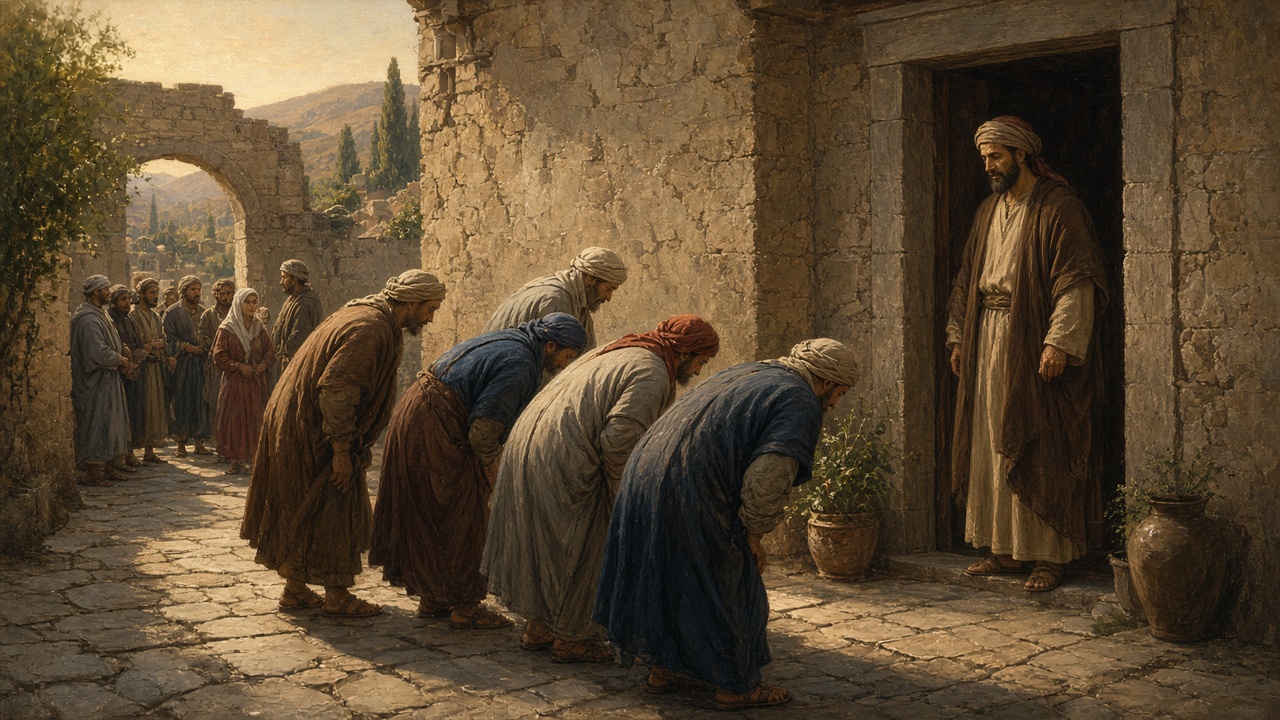
- O capítulo exorta à submissão, por causa do Senhor, a toda instituição humana: ao rei, como autoridade suprema, e aos governadores enviados para punir os que fazem o mal e louvar os que fazem o bem. Diz aos servos que respeitem até os senhores que agem sem razão, e apresenta o sofrimento de Cristo — sem pecado, sem engano, sem ameaças e sem retaliação — como modelo para suportar a dor injusta.Fontes: o próprio texto bíblico
Notas escritas com auxílio de IA a partir de fontes abertas (Theographic Bible Metadata, CC BY-SA 4.0; Easton’s Bible Dictionary, domínio público) e revisadas antes de publicar.
Lugares deste capítulo
- Zion · Hoje: Jerusalem · 31.777, 35.234 · versículo 6
Só aparecem lugares com identificação de alta confiança (90% ou mais segundo as fontes acadêmicas reunidas pelo OpenBible). Mapa da época: DARE (Digital Atlas of the Roman Empire), CC BY 4.0; mapa atual: © colaboradores do OpenStreetMap; lugares: OpenBible.info (CC BY 4.0).
Créditos e licença desta tradução
Amo New Testament
The New Testament in the Amo language of Nigeria
copyright © 2020 Door43 World Missions Community
Language: Timap (Amo)
Translation by: AFenlason, ALHASSAN SUDA, Chrispher Ishaya, James, Kawusu David, Pungs Makarios, Zephaniah A. Isau, tab04-nig, tab12-nig
This translation is made available to you under the terms of the
Creative Commons Attribution Share-Alike license 4.0.
You have permission to share and redistribute this Bible translation in any format and to make reasonable revisions and adaptations of this translation, provided that:
You include the above copyright and source information.
If you make any changes to the text, you must indicate that you did so in a way that makes it clear that the original licensor is not necessarily endorsing your changes.
If you redistribute this text, you must distribute your contributions under the same license as the original.
Pictures included with Scriptures and other documents on this site are licensed just for use with those Scriptures and documents.
For other uses, please contact the respective copyright owners.
Note that in addition to the rules above, revising and adapting God's Word involves a great responsibility to be true to God's Word. See Revelation 22:18-19.
2020-07-06
Fonte: http://ebible.org/amo/ · eBible.org