Hebreus 5
Sempaisi Ne Kaiwo Mirarebanai · Toque num versículo para ver as referências cruzadas.
1Tuti kariri imami fuba fosa mani, imami fuba mandoni kontai iriri nano inontaraine tata, ruaisi we yiwang inontarainesa kiai na fi kariri omi we Allai fo, we kia inontaraine ene fi etohonai we Allai fo, tuti we dohong korbani we kaiwasanei ne sasari nani we Allai. 2Imami nani deitawang kariri inontaraio eserawaweraha fosa tuti era sarawa fosa ene enari toa fo, tuti na kaiwo manang niari suasa, weo mantauni kontai inontarai batang dine tuti finahang na fifiani kontai. 3Finanai wedaya todoni kontaio niunung korbani we feriri mantauni ne sasarifo kontai, wiro we inontaraifosa ene sasarifo tera kaha. 4Tuti mandoni kontaio, wiro yuai bera mantauni we weimami fuba tonana kaha, mae Allai andino sahui tuti yuasi we yu wang dedai nana ne, mai kariri Haruni na fafongfa. 5Tonanai kontai, Kristusi wiro yuai bera mantaunia weImami Fuba na dadai sambewara fo tonana kaha, wape Mano medu wei foi andino yuaisi na kaiwo medu wei fo deyo,
“Wauno nehu Kaisung di Waune!
Rahida bonini iweDai we Wau.”
6Kariri medu na katai siai kontai deyo,
“Wau mani imami di wau we fitawafa,
kariri wang imami Melkisedeki fo.”
7Na Yesusi minohi weinontarai batang kariri inontaraine tata fo, wenadi tuti dutanai paria na saia bibe tuti urehurufo towowu we Mano wemambiriu we feriri weru mararehafoi, tuti na dohong kariri Allai na enerorong tewawa fo, Allai tarao ne nadifo. 8Allai ne Kaisung dine tonanai, wape na dadirao sodaira fo sobu aunau nayai we dohong kariri Allai na mai, 9tuti na tonanafo mesi ampa, ambori weMampariri pariao fitawafa dine, we feriri mandoni kontaio dohong kariri ne dawiafo. 10Tuti Allai sahui weImami Fuba, kariri wang imami Melkisedeki fo.
Kaiwo aretawanai we ambori tatawai weru taroaso Kristusi nei fanai
11Kariri fi tonana ne, fi bitoya paria yeyo imadu kariri, wape dadira paria we yeisaharaia kasau, weo mene metafu kaiwo wa ahera kaha. 12Tarai, ato weai na defuina ne mani, mewemantaunau ampa. Wape tonana kahai mae metohong we mesobu aunau ria inontarai siai kariri kaiwo reantenang na Allai ne Kaiwofo, amani kaiwo masi we inontarai arahio yoasoa foi sobu aunau kariria fo terai. Metohong we ui nendai, wiro fiang mutubaru kaha, 13weo mandoni dino dunung ui pampang mani, wiro deitawang ete tefu aunau kariri todoni minohi weinontarai enerorong mesi na Allai arongreafo kaha, weo wearikang marareha nendai fefe. 14Wape fiang mutubaru ne mani we inontaraio efabaia fosa, amani mano etawansa na etaunau mantaunsa pampang we todoni etitua kariri doni aino bengfo tuti doni aino karirafo.
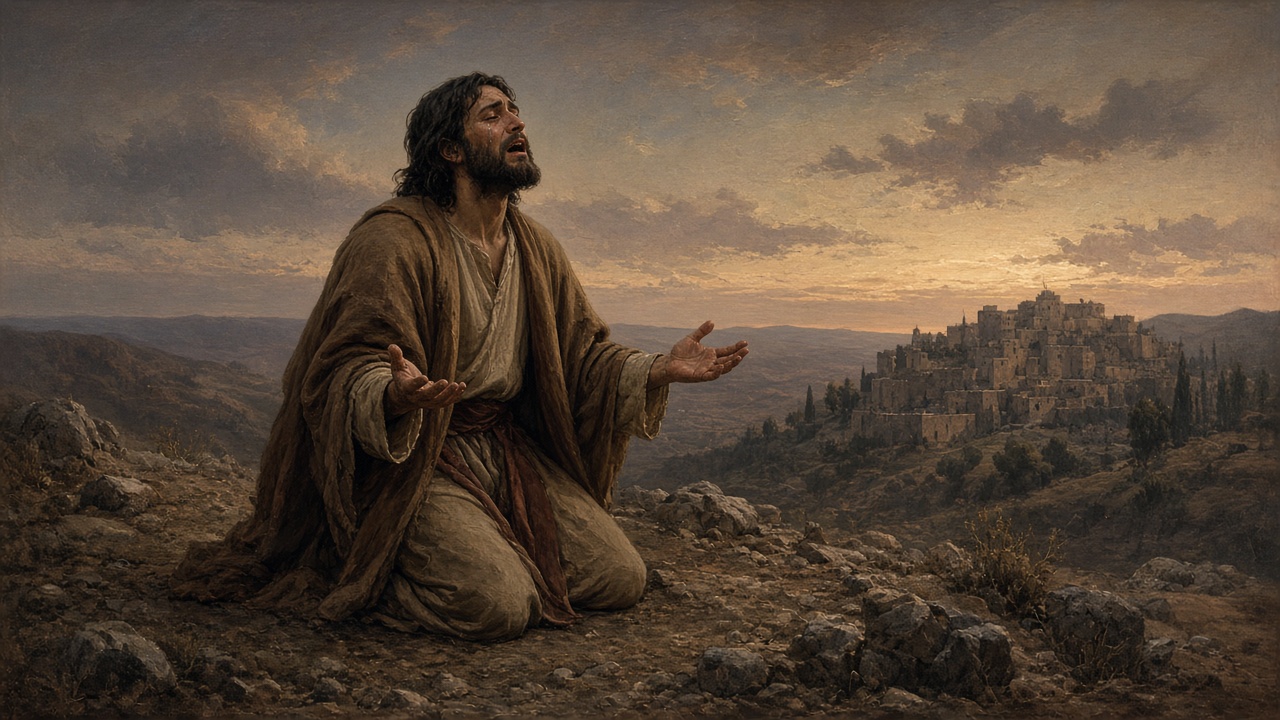
Você sabia?
Um sumo sacerdote chamado por Deus
- Hebreus 5 apresenta Arão como modelo de sumo sacerdote que não toma a honra para si, mas é chamado por Deus. Arão, filho mais velho de Anrão e Joquebede, nasceu no Egito três anos antes de seu irmão Moisés. Quando se aproximava a libertação de Israel do Egito, Deus o enviou ao encontro do irmão, ausente havia muito tempo, para que cooperassem na realização do Êxodo.Fontes: o próprio texto bíblico · Aaron
- Melquisedeque, cujo nome o Easton's Bible Dictionary (1897) explica como “rei de justiça”, era rei de Salém. Tudo o que o Antigo Testamento registra a seu respeito está em Gênesis 14:18–20, e ele só é mencionado mais uma vez, no Salmo 110:4. Hebreus 5 aplica a Cristo as palavras “Tu és sacerdote para sempre, segundo a ordem de Melquisedeque”, e o mesmo dicionário diz que Hebreus 7 expõe em detalhe a importância da sua história e apresenta o sacerdócio dele como superior ao de Arão, lembrando que Abraão lhe pagou o dízimo e que Melquisedeque abençoou Abraão.Fontes: o próprio texto bíblico · Melchisedec
Notas escritas com auxílio de IA a partir de fontes abertas (Theographic Bible Metadata, CC BY-SA 4.0; Easton’s Bible Dictionary, domínio público) e revisadas antes de publicar.
Créditos e licença desta tradução
Sempaisi Ne Kaiwo Mirarebanai
New Testament in Ambai
copyright © 2010 Wycliffe Bible Translators, Inc.
Language: Ambai
Translation by: Wycliffe Bible Translators
Contributor: Wycliffe Bible Translators, Inc.
Copyright Information
© 2010, Wycliffe Bible Translators, Inc. All rights reserved.
This translation text is made available to you under the
terms of the Creative Commons License: Attribution-Noncommercial-No Derivative Works.
( http://creativecommons.org/licenses/by-nc-nd/3.0/ )
In addition, you have permission to port the text to different file formats, as long as you
do not change any of the text or punctuation of the Bible.
You may share, copy, distribute, transmit, and extract portions
or quotations from this work, provided that you include the above copyright
information:
You must give Attribution to the work.
You do not sell this work for a profit.
You do not make any derivative works that change any of the actual words or punctuation of the Scriptures.
Permissions beyond the scope of this license may be
available if you contact
us with your request.
The New Testament
in Ambai
© 2010, Wycliffe Bible Translators, Inc. All rights reserved.
This translation is made available to you under the terms of the
Creative Commons Attribution-Noncommercial-No Derivatives license 4.0.
You may share and redistribute this Bible translation or extracts from it in any format, provided that:
You include the above copyright and source information.
You do not sell this work for a profit.
You do not change any of the words or punctuation of the Scriptures.
Pictures included with Scriptures and other documents on this site are licensed just for use with those Scriptures and documents.
For other uses, please contact the respective copyright owners.
2015-03-17
Fonte: http://ebible.org/amk/ · eBible.org