Mateus 8
Wakʉ Itekare: Emenna' Pe Ekonekan Nɨto' · Toque num versículo para ver as referências cruzadas.
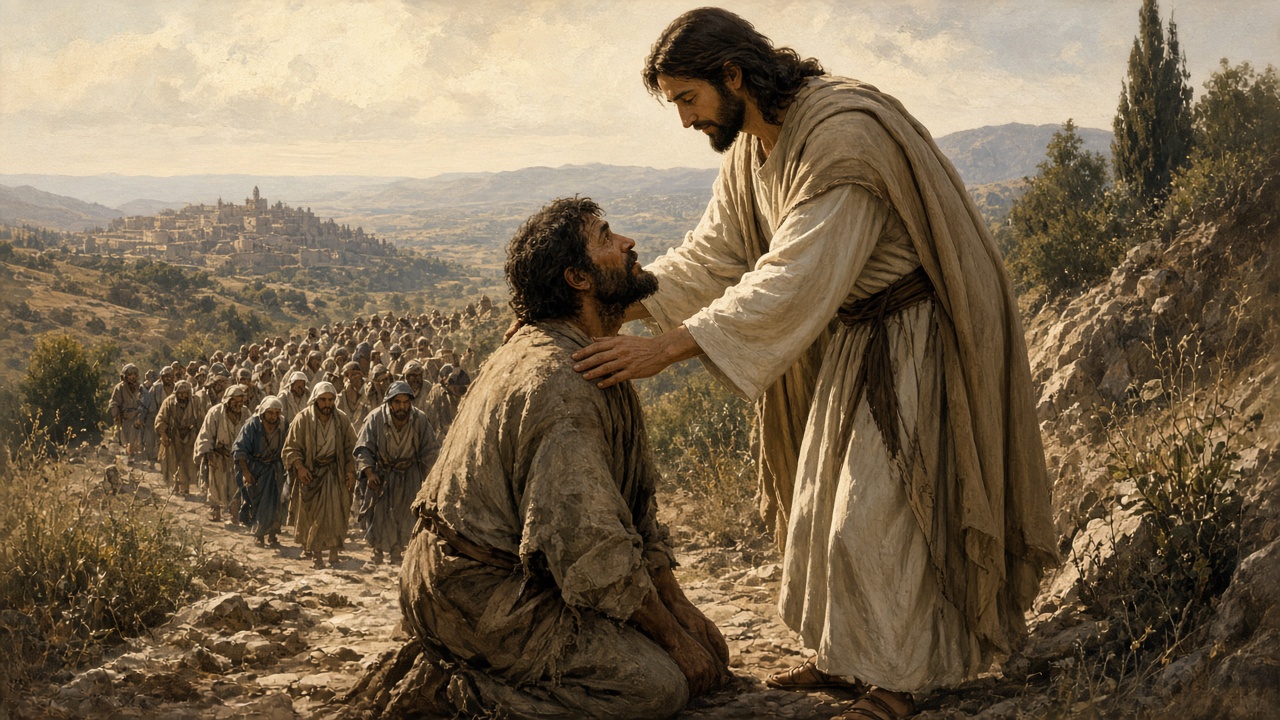
Erekʉ'pan Ka'pon Epi'tɨ'pʉ Sises Uya
1Wʉ' ponsi'kɨ Sises u'tɨsa' a'tai, anpisin ton nɨ ka'pon amʉ' uya e'ma'pʉka'pʉ. 2Erekʉ'pan ka'pon uyee'pʉ ipiya', mɨrɨpan e'sekunka'pʉ irau. Mɨrɨpan uya, “Uyepuru, ɨnku'pai ɨwesi yau, wakʉ pe rɨ ukupʉ auya,” ta'pʉ.
3Temiyatʉ ɨnka'pʉ Sises uya, mɨrɨpan uya a'pɨtʉ'pʉ, “Ɨnku'pai rɨ e'ai', wakʉ pe e'kɨ!” ta'pʉ iya ipɨ'. Inke pʉra rɨ, tʉwereei apai iyekoneka'pʉ. 4Mɨrɨ a'tai, Sises uya, “Ɨnʉ' pɨ' rɨ kʉsekamai,” ta'pʉ, “e'tane enta ɨsenpoikata use'man nɨto' tʉrawasomanin ena', mɨrɨ awonsi'kɨ ɨntʉrʉnʉ pe te'sen Mosi' uya tasa' na'ne' awɨrɨ mʉtʉrʉi'. Mɨrɨ uya rɨ nin si ɨusepi'tɨsa' ekama mɨrɨ to' pɨ',” ta'pʉ iya.
Soisa Amʉ' Epuru Poitorʉ Epi'tɨ'pʉ Sises Uya
5Sises epa'kasa' a'tai, Ka'paneyan pona, soisa amʉ' epuru uyee'pʉ ipiya' tʉpika'tɨto' pe iya ekama'pose'na. 6“Uyepuru, upoitorʉ man ipan pe e'ne' pe iyesi, ipu'tɨka'sa' te'kwe' tau rɨ iyesi, pata po,” ta'pʉ iya.
7“Miyarɨ rɨ utɨ mɨrɨ epi'tɨi',” ta'pʉ Sises uya ipɨ'.
8Soisa amʉ' epuru uya eikʉ'pʉ, “Uyepuru, uiwʉ' ta' ɨuyepʉ pokena' pen nɨ urɨ. Amaimu rɨken itʉkɨ; mɨrɨ a'tai, upoitorʉ usepi'tɨto' pe. 9Apʉne pʉra urɨ kʉrɨ rɨ tepuru kenan, soisa amʉ' esa' uwo'noro te'san. Pʉse pɨ', ‘Enta,’ ta uya a'tai, itɨ, mɨrɨ awonsi'kɨ kʉrɨ pɨ', ‘Ɨsi'kɨ,’ ta uya a'tai, iyepʉ. Upoitorʉ pɨ', ‘Se iku'kɨ,’ ta uya a'tai, ikupʉ iya,” ta'pʉ iya.
10Sises uya serɨ etasa' a'tai, isewansiuka'pʉ, mɨrɨpan uya ta'pʉ tʉpɨkɨrɨ te'san ka'pon amʉ' pɨ', “I'napairon ekama uya serɨ ɨpɨ'nokon, ɨnʉ' rɨ eposa' uya pʉra rɨ man Esuwerʉ po eke rɨ serɨ waraino apurɨto' esa'. 11Ta uya ɨpɨ'nokon, tu'kan kon nɨ ka'pon amʉ' uye'to' oton pata wʉi enu uyepʉ, wʉi enu utɨ winɨ'ne, mɨrɨpan kon ereutato' oton enta'nan pɨ' Epʉra'an, Aisi' mɨrɨ awonsi'kɨ Seko' pokon pe Papa e'to' esa' wannɨ pe yau. 12E'tane esa' wannɨ pe e'nɨto' yau te'ton kon tasa' kon nʉ'san eno'mato' iya oton ewarupɨ ya', ukaran nɨto' oton, ɨ e'kɨtɨtɨi'mato' oton ya',” ta'pʉ iya.
13Mɨrɨpan soisa amʉ' epuru pɨ' Sises uya ta'pʉ, “Enna'po', anapurɨnʉ awɨrɨ rɨ ɨpoitorʉ usepi'tɨ mɨrɨ,” ta'pʉ iya. Mɨrɨ a'tai rɨ, ipoitorʉ usepi'tɨ'pʉ. “Uyepuru, uiwʉ' ta' ɨuyepʉ pokena' pen nɨ urɨ.”|src="CN01701B.tif" size="col" loc="MAT 8:5-13" copy="David C. Cook" ref="8:8"
Tu'kan Kon Nɨ Epi'tɨpɨtʉ'pʉ Sises Uya
14Sises utɨ'pʉ Pi'ta iwʉ' ta'. Mɨrɨ yau, Pi'ta ewo'pʉ ene'pʉ iya te'kwe' tau e'kɨɨi'man pɨ'. 15Mɨrɨpan uya itemiyatʉ pɨ' a'pɨtʉ'pʉ. Mɨrɨ a'tai rɨ, iye'kɨɨi'mato' ereuta'pʉ, mɨrɨpan e'mʉ'sa'ka'pʉ to' mʉta'napase'na.
16Pata uko'mansa' a'tai, ka'pon amʉ' uya tu'kan kon nɨ ka'pon amʉ' makoi a'kwarʉ yen ton pe te'san nee'pʉ Sises piya'. Se kasa rɨ tʉusauro'se makoi a'kwarʉ ton ennoko'pʉ iya, tanporo rɨ takuru'kena' nan epi'tɨ'pʉ iya. 17Serɨ ton kupʉ'pʉ iya pena pu'kena' Aisaya nekama'pʉ rʉ'pʉ a'ku'tɨ pe:
“Ɨ'sɨ'mʉra e'nɨto' mo'ka'pʉ iya,
mɨrɨpan uya uyeparan kon arɨ'pʉ,”
tawon.
Tʉpɨkɨrɨ E'paino Kon Auro'ka'pʉ Sises Uya
18Sises uya anpisin ensa' a'tai tʉwoi, tʉpoitorʉ ton pɨ', “Parau ku'pɨri ratoi pona e'kwɨrɨ'nɨpai'nokon,” ta'pʉ iya. 19Mɨrɨpan Main pɨ' enupanin uyee'pʉ ipiya', “Uyepuru, siya rɨ mʉtɨyai'ne' ya' rɨ aya'kɨrɨ utɨ serɨ,” tase'na ipɨ'.
20Sises uya eikʉ'pʉ, “Maikan amʉ' kamoro tenkena' nan, mɨrɨ awonsi'kɨ toron amʉ' kanan esi tʉpon ke, e'tane Ka'pon, Papa winon esi mɨrɨ ti'pai nonkato' iya yau pʉn nɨ,” ta'pʉ iya.
21Tʉron nɨ kanan ka'pon Sises poitorʉ pe e'paino uya, “Uyepuru, apʉne ken si, wapiya ukʉipʉnʉ siu'na'tɨka'tai',” ta'pʉ.
22E'tane Sises uya ta'pʉ ipɨ', “Tɨwɨ tʉ'koro'tau'nokon te'sen eri'sa' u'na'tɨi to'; uya'kɨrɨ ru'ku utɨnpai,” ta'pʉ iya ipɨ'.
Ɨsɨ Rɨ A'setun I'nɨ'panʉkʉ'pʉ Sises Uya
23Sises ekanwa'tɨ'pʉ kanau ya', mɨrɨpan a'kɨrɨ ipoitorʉ ton utɨ'pʉ. 24Mɨrɨ koro'tau, ite'kwanau pʉra rɨ pana' pe, ɨsɨ pe rɨ a'setun uyee'pʉ parau ku'pɨri ka', mɨrɨpan uya eke pe rɨ sipa'sipa kupʉ'pʉ tuna pʉro'po. Eke pe sipa'sipa esi uya to' kanwa paru'tɨ esi'pʉ, e'tane rɨ Sises esi'pʉ e'nʉn nɨ pɨ'. 25Ipoitorʉ ton utɨ'pʉ ipiya' enpakase'na, ta'pʉ to' uya ipɨ', “Ina epuru! Ina ipika'tɨkɨ! Ina aputan pɨ' man!” ta'pʉ to' uya.
26Sises uya ta'pʉ to' pɨ', “Ɨmɨrɨ'nokon, aiko rʉ'kwɨ apurɨto' iya to' ton, ɨ'rɨ pɨ' ɨyetʉipɨtʉ kon?” ta'pʉ iya. Iye'mʉ'sa'ka'pʉ, mɨrɨpan uya a'setun mɨrɨ awonsi'kɨ sipa'sipa eseremekʉ'pʉ, mɨrɨpan e'nɨ'pamʉ'pʉ.
27Kamoro si ka'pon amʉ' usewansiuka'pʉ mɨrɨ, mɨrɨpan kon usekama'popɨtʉ'pʉ, “Ɨ'rɨ pan si pʉse rɨ ka'pon? A'setun mɨrɨ awonsi'kɨ sipa'sipa rɨ e'to' imaimu awɨrɨ!” ta'pʉ to' uya.
Sises Uya Makoi A'kwarʉ Ton Ennoko'pʉ
28Sises mɨrɨ awonsi'kɨ ipoitorʉ ton uya si parau ku'pɨri Kiyarari nʉ'kwɨrɨ'nʉ'sa' a'tai, ka'pon amʉ' Katara nono po tʉuko'mansan, asa'ron kon makoi a'kwarʉ yen ton pe te'san uyee'pʉ uruwai' apai to' winɨkʉi'. Ɨsɨ ton nɨ, ɨnʉ' utɨ pokena' pen nɨ mɨrɨ awɨrɨ. 29Mɨrɨpan kon ukɨ'pɨ'nʉmʉ'pʉ, “Ɨ'rɨ pe ina ku'se'na ɨuye'sa', Papa Mumu? Iweyu rawɨrɨ rɨ pe' ina kota'mai' ɨuye'sa'?” ta'pʉ to' uya.
30Ɨnnɨ kuru pʉra rɨ to' piyapai tu'kan kon nɨ peiruku amʉ' esi'pʉ enta'nan pɨ'. 31Makoi a'kwarʉ yen ton uya Sises ekama'po'pʉ ipan pe, “Ina ken si ennoko auya a'tai pʉsamo ka'pon amʉ' apai, apʉne ken si ina enno'kɨ kamo tu'kan kon peiruku amʉ' ya',” ta'pʉ to' uya.
32“Entantɨ' si,” ta'pʉ Sises uya to' pɨ'. To' epa'ka'pʉ, mɨrɨpan kon utɨ'pʉ peiruku amʉ' ya' ewonse'na. Tanporo rɨ si kamoro peiruku amʉ' eka'tumʉ'pʉ mɨrɨ parau ku'pɨri ka' tepitoren awɨrɨ rɨ, mɨrɨpan kon aputapɨtʉ'pʉ. 33Mɨrɨ yau, to' mainanpa pɨ' te'san eka'tumʉ'pʉ pata pona, mɨrɨpan kon uya tanporo iye'ku'sa' rʉ'pʉ ekama'pʉ ka'pon amʉ' pɨ'. To' uya rɨ nɨrɨ kamo makoi a'kwarʉ yen ton pe te'san ka'pon amʉ' pɨ' iye'ku'sa' rʉ'pʉ ekama'pʉ. 34Mɨrɨpan tanporo rɨ mɨrɨ pata yau te'san ka'pon amʉ' utɨ'pʉ Sises ense'na. To' uya Sises ensa' a'tai, tʉnono kon apai iyenna'poto' pe ipan pe to' uya auro'ka'pʉ.
Você sabia?
Curas, fé e o mar
- Cafarnaum, cidade em que Jesus entra neste capítulo, era uma cidade da Galileia que não aparece no Antigo Testamento. O Easton's Bible Dictionary (1897) diz que ela se tornou a “sua própria cidade” depois que ele deixou Nazaré, e inclui o pedido do centurião e a cura na casa de Pedro entre os acontecimentos ali situados.Fontes: Capernaum · o próprio texto bíblico
- Jesus diz que muitos virão do oriente e do ocidente para participar do banquete com Abraão, Isaque e Jacó no reino dos céus. O Easton's Bible Dictionary (1897) apresenta Abraão como filho de Terá e herdeiro das promessas, Isaque como o único filho de Abraão com Sara, e Jacó — também chamado Israel — como o filho gêmeo mais novo de Isaque e Rebeca.Fontes: o próprio texto bíblico · Abraham · Isaac · Jacob (Israel)
- Mateus apresenta as curas daquela noite como cumprimento do que foi dito por meio do profeta Isaías: “Ele tomou as nossas enfermidades e carregou as nossas doenças.” O Easton's Bible Dictionary (1897) identifica Isaías como filho de Amoz, que profetizou nos reinados de Uzias, Jotão, Acaz e Ezequias.Fontes: o próprio texto bíblico · Isaiah
Notas escritas com auxílio de IA a partir de fontes abertas (Theographic Bible Metadata, CC BY-SA 4.0; Easton’s Bible Dictionary, domínio público) e revisadas antes de publicar.
Lugares deste capítulo
- Gadara · Hoje: Umm Qais · 32.656, 35.679 · versículo 28
Só aparecem lugares com identificação de alta confiança (90% ou mais segundo as fontes acadêmicas reunidas pelo OpenBible). Mapa da época: DARE (Digital Atlas of the Roman Empire), CC BY 4.0; mapa atual: © colaboradores do OpenStreetMap; lugares: OpenBible.info (CC BY 4.0).
Créditos e licença desta tradução
Wakʉ Itekare: Emenna' Pe Ekonekan Nɨto'
New Testament in Akawaio (GY:ake:Akawaio)
copyright © 2010 Wycliffe Bible Translators, Inc.
Language: Akawaio
Translation by: Wycliffe Bible Translators, Inc.
Akawaio
ake
Guyana
Copyright Information
© 2010, Wycliffe Bible Translators, Inc. All rights reserved.
This translation text is made available to you under the
terms of the Creative Commons License: Attribution-Noncommercial-No Derivative Works.
( http://creativecommons.org/licenses/by-nc-nd/3.0/ )
In addition, you have permission to port the text to different file formats, as long as you
do not change any of the text or punctuation of the Bible.
You may share, copy, distribute, transmit, and extract portions
or quotations from this work, provided that you include the above copyright
information:
You must give Attribution to the work.
You do not sell this work for a profit.
You do not make any derivative works that change any of the actual words or punctuation of the Scriptures.
Permissions beyond the scope of this license may be
available if you contact
us with your request.
The New Testament
in Akawaio
© 2010, Wycliffe Bible Translators, Inc. All rights reserved.
This translation is made available to you under the terms of the
Creative Commons Attribution-Noncommercial-No Derivatives license 4.0.
You may share and redistribute this Bible translation or extracts from it in any format, provided that:
You include the above copyright and source information.
You do not sell this work for a profit.
You do not change any of the words or punctuation of the Scriptures.
Pictures included with Scriptures and other documents on this site are licensed just for use with those Scriptures and documents.
For other uses, please contact the respective copyright owners.
2014-04-21
Fonte: http://ebible.org/akeNT/ · eBible.org