João 16
Wakʉ Itekare: Emenna' Pe Ekonekan Nɨto' · Toque num versículo para ver as referências cruzadas.
1“Tanporo serɨ ke apana'tɨsa' uya 'nokon serɨ autano'ma kon namai'. 2To' uya ɨyenpa'kato' oton kon usenupan nɨto' iwʉ' tapai; i'napai rɨ iweyu uye'kapʉ, ɨwɨnin e'ku'to' oton wakʉ kupʉ tʉuya pe tekamai' Papa iwano' pe. 3Serɨ rupɨ ton kupʉ to' uya mɨrɨ, apʉne pʉra to' uya ikʉipʉnʉ mɨrɨ pe pʉra urɨ i'tu pʉra iyesi pɨ'. 4Serɨ ke apana'tɨsa' uya 'nokon, iweyu uye'sa' a'tai, apana'tɨ'pʉ uya 'nokon e'to' pe ɨyenu kon yau. Serɨ ke apana'tɨ uya 'nokon pʉn wapiya, apʉne pʉra ɨpiyau'nokon esi pɨ'.
Wakʉ A'kwarʉ Tʉrawasooi
5“Utɨyai' si uyenno'nin nʉ'pʉ piya', e'tane ɨnʉ' uya uyekama'po pʉra man, ‘Nai ya' ɨutɨ?’ tukai'. 6Apʉne pʉra si serɨ ton ekamasa' uya pɨ' ɨupokoitasa' kon nin si. 7E'tane i'napairon ekama uya ɨpɨ'nokon: Wakʉ pe ɨwesi kon pa utɨ serɨ. Utɨsa' pʉra iyesi yau, Ɨpika'tɨnin kon uyepʉ pʉra iyesi ɨpiya'nokon; e'tane utɨsa' yau, ennoko uya mɨrɨ ɨpiya'nokon. 8Iye'sa' a'tai, orʉ pɨ' enpoika iya mɨrɨ ipoken pʉra makoi pɨ' iyesi pɨ', iyawɨron pɨ', mɨrɨ awonsi'kɨ eseru aimenkato' pɨ': 9makoi pɨ', apʉne pʉra ka'pon amʉ' uya uyapurɨ pʉra iyesi pɨ'; 10iyawɨron pɨ', apʉne pʉra ikʉipʉnʉ piya' utɨ pɨ', mɨrɨ enta' uyene auya'nokon pʉra iye'to' ya'; 11mɨrɨ awonsi'kɨ eseru aimenkato' pɨ', apʉne pʉra serɨ orʉ epuru si esi pɨ' eno'masa' pe.
12“Eke pe rɨ tato' uya man ɨpɨ'nokon, e'tane a'si auya'nokon poken pʉra iyesi. 13E'tane kʉrɨ, i'napairon A'kwarʉ uye'sa' a'tai, ayarɨ iya 'nokon mɨrɨ i'napairon ya'. Tiwano' pe isauro'to' oton pen, tʉneta'pʉ pɨ' rɨken isauro'to' oton, mɨrɨ awonsi'kɨ ekamato' iya oton miyarɨ rɨ tʉuye'sen. 14Uyapurɨpɨ'to' ipɨ' nepʉ iya mɨrɨ uiwano' mo'ka tʉuya winɨ i'tunin pe ɨwesi kon pa ikupʉ iya. 15Tanporo ikʉipʉnʉ iwano' pe na'ne' esi mɨrɨ uiwano' rɨ. Mɨrɨ pe iyesi pɨ' ukayai'ne', Iya'kwarʉ uya uiwano' mo'ka i'tunin pe ɨwesi kon pa ikupʉ iya. 16Serɨ pe iwa rɨ mɨrɨ enta' uyene auya'nokon pʉra iyena mɨrɨ, mɨrɨ awonsi'kɨ mɨrɨ tʉpo uyento' auya'nokon oton mɨrɨ,” ta'pʉ iya.
Ipoitorʉ Ton Pokooi Era'tɨto' Oton Epori'man Pe
17Ipoitorʉ ton tonpa ton uya ta'pʉ tʉtonpa kon pɨ', “Ɨ'rɨ ta iya e'kwa pe iyesi, ‘Serɨ pe iwa rɨ mɨrɨ enta' uyene auya'nokon pʉra iyena mɨrɨ, mɨrɨ awonsi'kɨ mɨrɨ tʉpo uyento' auya'nokon oton mɨrɨ,’ mɨrɨ awonsi'kɨ, ‘Apʉne pʉra ikʉipʉnʉ piya' utɨ pɨ',’ nɨkayai'ne'?” ta'pʉ to' uya. 18To' esi'pʉ usekama'popɨ' nɨ pɨ', “Ɨ'rɨ ta iya e'kwa pe iyesi, ‘serɨ pe iwa rɨ’ nɨkayai'ne'? Ito'ka'nʉkʉ'nokon pʉra man,” ta'pʉ to' uya.
19Sises uya ene'pʉ tekama'popai'nokon to' esi serɨ pɨ', mɨrɨpan uya ta'pʉ to' pɨ', “Ɨusekama'popɨtʉ kon ɨ'rɨ ta uya e'kwa pe iyesi, ‘Serɨ pe iwa rɨ mɨrɨ enta' uyento' auya'nokon oton pen, mɨrɨ awonsi'kɨ mɨrɨ tʉpo uyento' auya'nokon oton nɨ mɨrɨ’? 20I'napairon ekama uya ɨpɨ'nokon, ɨupokoitato' oton kon, tʉuta'kwarʉkai' aukaranto' oton kon pata epori'ma tane. Ɨupokoitato' oton kon, e'tane ɨpokooi kon era'tɨto' oton epori'man pe. 21Tentusen uri'san utaimerunpa mɨrɨ e'ne' pe tesi pɨ', apʉne pʉra tʉweyu e'seposa' pɨ'; e'tane nin si tʉmʉre entusa' a'tai, e'ne' pe tesi'pʉ pu'tɨka'nʉkʉ iya mɨrɨ, apʉne pʉra pori' pe tesi pɨ' mʉre entunʉ'sa' tʉuya pɨ' orʉ pona. 22Mɨrɨ kasa ɨwesi kon mɨrɨ: Ɨupokoita kon weyu si serɨ, e'tane ɨyento' uya 'nokon oton; mɨrɨ a'tai, ɨyepori'ma kon mɨrɨ, ɨnʉ' uya rɨ pori' pe ɨwe'to' kon mo'kato' oton pen. 23Mɨrɨ wʉi a'tai, ɨ'rɨ pɨ' rɨ uyekama'po auya'nokon pen nɨ mɨrɨ. I'napairon ekama uya serɨ ɨpɨ'nokon; ukʉipʉnʉ uya rɨ ɨrepa kon uyese' yau ɨnekama'po'pʉ kon ke. 24Serɨ pʉ'kʉ pona rɨ ɨ'rɨ rɨ ekama'posa' auya'nokon pʉra man uyese' yau. Ekama'potɨ'; mɨrɨ a'tai, eporo auya'nokon nɨ mɨrɨ, mararon pe pʉra pori' pe ɨwe'to' kon esi mɨrɨ.
25“Panton yai ayauro'kapɨ'sa' uya 'nokon, e'tane iweyu nʉye'an serɨ rupɨ main yai ayauro'kato' uya 'nokon weyu pen nɨ, e'tane sa'man yai pʉra rɨ ukʉipʉnʉ ekamato' uya oton ɨpɨ'nokon. 26Mɨrɨ wʉi a'tai, uyese' yau ekama'poto' auya'nokon oton. Amaimu kon pe ikʉipʉnʉ ekama'poto' uya oton ta uya pen. 27Kane, ikʉipʉnʉ uya rɨ tʉmɨrɨ pe ɨi'nʉnka kon, apʉne pʉra ui'nʉnkasa' auya'nokon pɨ' mɨrɨ awonsi'kɨ Papa winɨ uye'sa' pɨ' apurɨsa' auya'nokon pɨ'. 28Uyee'pʉ ikʉipʉnʉ winɨpai serɨ orʉ pona; serɨ nin si orʉ nɨmɨ uya, ikʉipʉnʉ piya' enna'po,” ta'pʉ iya.
29Mɨrɨ a'tai, ipoitorʉ ton uya ta'pʉ, “Mɨrɨ si ausaurokʉ ito'ka'nʉkʉ poken, panton yai pʉra. 30Serɨ si ina uya i'tu tanporon nɨ i'tunin pe ɨwesi mɨrɨ awonsi'kɨ ɨnʉ' uya rɨ ɨyekama'poto' i'se pʉra rɨ ɨwesi. Serɨ uya ina kupʉ Papa winon pe ayapurɨnin pe,” ta'pʉ to' uya.
31“Mɨrɨ si apurɨsa' auya'nokon iu'matʉ ya' rɨ!” tukai' Sises uya to' eikʉ'pʉ. 32“E'tane iweyu nʉye'an, iye'ka'sa' rɨ, ɨye'ta'nʉ'to' oton kon apata'se' kon ya'ne. Tikin sarɨ unonkato' auya'nokon oton. E'tane rɨ tikin sarɨ esi pen, apʉne pʉra ukʉipʉnʉ esi ke upiyau.
33“Serɨ ton ekamasa' uya ɨpɨ'nokon, uyau ɨwesi kon pa ewankamanin pʉra. Serɨ orʉ po eke rɨ ɨyewankamanin kon esi, e'tane ɨyewan kon imeruntɨtanʉ'tɨ': Orʉ wapiya'kasa' uya man,” ta'pʉ iya.
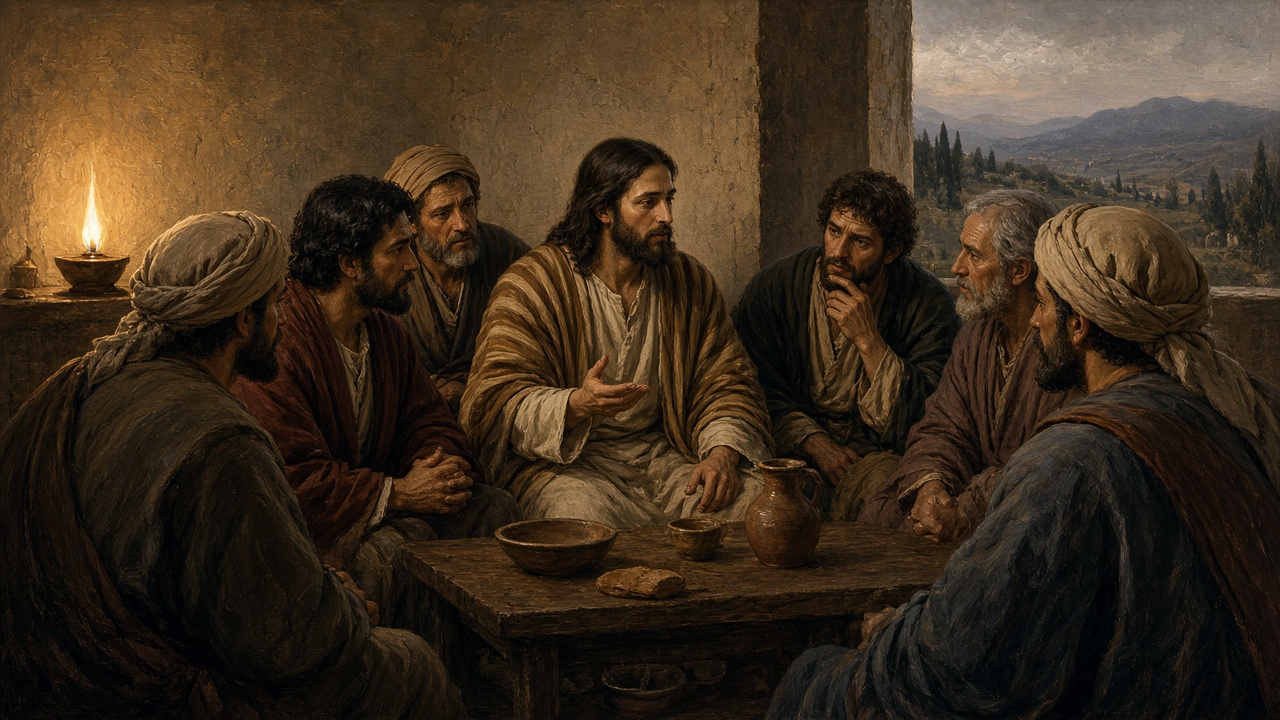
Você sabia?
A partida, o Advogado e a alegria após a tristeza
- As anotações dos eventos situam este capítulo no Discurso do Cenáculo, um episódio de um dia dentro da Semana Santa, que essas anotações indicam como um período de oito dias.Fontes: Upper Room Discourse · Holy Week
- Jesus diz aos discípulos que eles serão expulsos das sinagogas. Acrescenta que virá um tempo em que quem os matar pensará que está oferecendo um serviço a Deus, porque não conheceram o Pai nem a ele.Fontes: o próprio texto bíblico
- Ele diz que é para o bem deles que está indo embora, pois, se não partir, o Advogado não virá. Quando o Espírito da verdade vier, os guiará a toda a verdade, não falando por si mesmo, mas dizendo o que ouve e anunciando o que está por vir.Fontes: o próprio texto bíblico
Notas escritas com auxílio de IA a partir de fontes abertas (Theographic Bible Metadata, CC BY-SA 4.0; Easton’s Bible Dictionary, domínio público) e revisadas antes de publicar.
Créditos e licença desta tradução
Wakʉ Itekare: Emenna' Pe Ekonekan Nɨto'
New Testament in Akawaio (GY:ake:Akawaio)
copyright © 2010 Wycliffe Bible Translators, Inc.
Language: Akawaio
Translation by: Wycliffe Bible Translators, Inc.
Akawaio
ake
Guyana
Copyright Information
© 2010, Wycliffe Bible Translators, Inc. All rights reserved.
This translation text is made available to you under the
terms of the Creative Commons License: Attribution-Noncommercial-No Derivative Works.
( http://creativecommons.org/licenses/by-nc-nd/3.0/ )
In addition, you have permission to port the text to different file formats, as long as you
do not change any of the text or punctuation of the Bible.
You may share, copy, distribute, transmit, and extract portions
or quotations from this work, provided that you include the above copyright
information:
You must give Attribution to the work.
You do not sell this work for a profit.
You do not make any derivative works that change any of the actual words or punctuation of the Scriptures.
Permissions beyond the scope of this license may be
available if you contact
us with your request.
The New Testament
in Akawaio
© 2010, Wycliffe Bible Translators, Inc. All rights reserved.
This translation is made available to you under the terms of the
Creative Commons Attribution-Noncommercial-No Derivatives license 4.0.
You may share and redistribute this Bible translation or extracts from it in any format, provided that:
You include the above copyright and source information.
You do not sell this work for a profit.
You do not change any of the words or punctuation of the Scriptures.
Pictures included with Scriptures and other documents on this site are licensed just for use with those Scriptures and documents.
For other uses, please contact the respective copyright owners.
2014-04-21
Fonte: http://ebible.org/akeNT/ · eBible.org