João 16
Autaahaatɨhomɨ Pɨwɨha Gaaha Wanɨha · Toque num versículo para ver as referências cruzadas.
1“Nɨnɨ sangi saiwa aimɨ kasatataato amɨ nisapɨ gɨnunyaahohɨtɨhandɨ wɨndɨ namaamaitaatɨwo. 2Judaahiyaamɨ aŋaaŋɨ gwɨharaahonya Autaahaatɨhopɨ gwɨnyaapɨ gaapundɨtaatɨwɨ ahoyanohɨpɨpɨhɨ sahɨ wɨndɨ namutaatɨwɨ isɨhiya nasisapupwɨ nepɨ natɨwɨsoaasɨtaapo. Ipotɨ wura yahura taatɨ nasataise. Kura noaipahonɨhɨ isɨhiya sangisɨ siyɨhiyaatangi tisawawaawɨ kiya saiwɨ gwɨnyaitaapo. Nyahɨ Autaahaatɨhoai gaahatɨ kawɨsatɨ koai newaatɨ mepɨ autaahewaumwɨhaayono tɨwɨ gwɨnyaitaapo. 3Isɨhiya saiwa kasitaapo amɨ kiya nisɨ Apɨhoaisunɨ amɨ nɨngisunɨ wɨndɨ maanyonɨwɨhiyaaso. 4Saiwa sangisɨ sangɨ nasoaipasɨhɨ nɨnɨ taatɨ wanɨ sangi kasatataato. Amɨ kaiwa sangisɨ nasoaipahonɨhura amɨ nisapɨ satɨwɨ, e ko satatɨ sahɨ jatɨnɨwo nyatatɨ aimɨ jɨhɨ tɨmana kanyatindɨhande tɨwɨ gwɨnyaitaatɨwo.
Kɨma Pɨwɨma Itɨpɨhomɨ Otɨpɨpatapɨ Jisaasiho Katindɨhandapɨhaare
5Amɨ wanɨ nɨngisɨ natanoaasisɨho nisɨ Apɨhoenda taatɨ naitandiyonɨhandɨ kandɨ sahɨ samɨ woŋɨ sandɨpɨ kɨnyɨ maahapɨhapɨ taapɨ naitaapaise? Ndɨwɨ namaanɨsehopo. Owetise. 6Amɨ nɨnɨ sangisɨ wanɨ aimɨ saiwa kasatonɨhɨ samɨ maarɨho yaasatɨ tisatataise. 7Samɨ Maarɨho siyatɨ tisatihɨhandɨ kandɨ nɨnɨ sangisɨ akɨtɨ kasatataato. Nɨnɨ naitandiyohɨtɨmandɨ sahɨ sawanaatapɨ naitandiyonɨ gaare. Sandɨ apaapɨmaato. Amɨ nɨnɨ sangi nasamasi namaayataataahɨ sangisɨ Andɨtisaiwɨtandɨho sangisenda wɨndɨ namaapɨtaise. O amɨ nɨnɨ sangi nasamasi niyataataahɨhɨ amɨ koai nɨnɨ netɨ nandusoaasisanɨhɨ sangisenda ko napɨtaise. 8Ko nasataahura isɨhiya yapɨpatambɨhiyai siyatɨ netɨ nunjɨtaise. “Sahɨ (samɨ) maipɨhandapɨ gwɨnyaahohɨrɨhɨretɨ tɨtɨhɨ gwɨnyaawaamaayopo. Owetise. Amɨ sahɨ Autaahaatɨho isɨhiyaisɨ usonatɨ kiya ainahiyɨhiyaare tatɨ gwɨnyaasɨrɨhɨretɨ sahɨ wɨndɨ mmonɨwɨ gɨmunyaahopo undatɨ netɨ nunjɨtaise. Iyatɨ amɨ Autaahaatɨho sahɨ isɨhiyaatɨ yapɨpatambɨhiyaatangi sasatatɨ sahɨ pɨwɨha nepɨse tatɨ netɨ tipɨtapaatɨ jasondaise, undatɨ netɨ kiyai nunjɨtaise. 9Ko kiyai maipɨhaiwaametirɨhɨretapɨ netɨ nunjɨtaise tohɨtɨndɨ amɨ kiya nisapɨ satɨwɨ Autaahaatɨho Ahɨwisɨho Kɨmɨ Kosɨ nyangi japɨhɨ nanyamaitaise tɨwɨ gɨmaanunyaahohɨtɨhandape. 10Iyatɨ amɨ ko nɨnɨ kiyohɨwaiwaapunɨ nɨnɨ nɨwahonisapunɨ isɨhiya yapɨpatambɨhiyai saundatɨ netɨ nunjɨtaise. Jisaasihohɨ ainahɨho tɨtɨhosɨ Autaahaatɨho ahowimatɨ numwasi niyatɨ awaisɨhoemwataise undɨtaise nɨnɨ sangi nasamasi nisɨ Apɨhoenda yamɨhapataatɨhapɨ naisanɨhɨ amɨ sahɨ nɨngi japɨhɨ wonɨhi wɨndɨ maanondaatɨwɨmandapo. 11Iyatɨ ko isɨhiya yapɨpatambɨhiyai saundatɨ sangisɨ Autaahaatɨho sahɨ pɨwɨha nepɨse satatɨ netɨ tipɨtapa jasondaise undɨtaise. (Amɨ kiya Jisaasihoai pohipɨwiwɨ amɨ isɨhiya maipɨhiya Jisaasihopɨ gɨwunyaahohiyɨhiyai Autaahaatɨho sahɨ nisɨ ndɨhetɨ ainahiyɨhiyaatɨ tɨtɨhiyaate undɨtandɨ Jisaasiho komɨ ambɨpatɨ nunyainjɨtɨhandɨ nemawaayowo). Amɨ sandɨ apaapɨmaahe, Autaahaatɨho Bwaasɨrɨhɨrɨ yapɨmbatɨ jatirɨhɨri aimɨ ipɨhatisamatɨ kɨnyɨ maipɨhoŋɨsɨ pɨwɨha aimɨ nepaise undatɨ kaundihe.
12Nɨnɨ sangisɨ pɨwɨha kasatɨtandɨha pɨhɨtatɨ taahɨhandaahandɨ kandɨ wanɨ sahɨ nga wɨndɨ atiwɨ namaitaapo amɨ pɨwɨha pɨhɨtahaiwaaso. 13Amɨ Itɨpɨho Autaahaatɨhometirɨhɨretapɨ pɨwɨha akɨtɨha netɨ ausaimasɨho nasataahura pɨwɨha akɨtɨha nahata ko Autaahaatɨhoaapɨhapɨ atisatɨ nesɨha sangi netɨ gisunyaahonɨhɨ amɨ sahɨ naitaapo. Iyataatɨ ko sawahomɨha pɨwɨha wɨndɨ kamaatɨtaise. Owetɨtaise. Amɨ nehɨ ko atisɨhaahɨhɨ katɨtaise. Kasatatɨ amɨ wiwa ipotɨ nasatɨ noaipaitandɨhaiwaapisangi kasatɨtaise. 14Nɨnɨ pɨwɨha katisanɨha amɨ wapa nisɨhapa ko netɨ sangi kasatɨtaise. Iyataatɨ sɨretapɨ nɨngi ko mepɨ autaahenɨmatɨ ambɨpatɨ awaipatɨ naninyatɨ amɨ nisɨ watɨpɨhandɨ netɨ nasisɨtaise. 15Amɨ nisɨ Apɨhomɨhapa kapa nahataapa nisɨhapaare. Aihɨ amɨ sandɨ kandapɨ Itɨpɨho nisɨhapaarɨ nahataapa nisaapɨhapɨ netɨ sangi kasatɨtaise satataato.
Kɨma Pɨwɨma Jisaasiho Komɨ Otɨpɨpatɨhiyai Saundatɨ Wɨndɨ Otɨhɨmetanɨhɨ Samɨ Maarɨho Yaasatɨ Tisatatamatatɨhandɨ Kandɨ Japɨhɨ Masɨhonjɨtanɨhɨ Sahɨ Maaritɨtaapo Undindɨhandapɨhaare
16Jisaasiho nyahɨ komɨ otɨpɨpatɨhiyaanɨ koai nɨwipinjohiyɨhiyaanangi sanyatatɨ, “Wɨndɨ otɨhɨmetanɨhɨ sahɨ nɨngi wɨndɨ maanondaapo. Maanonɨwɨ amɨ nehɨ masɨhonjɨtanɨhɨ sahɨ nɨngi japɨhɨ nisondaapo,” nyatatɨ kanyatataase. 17Ko nyangi sanyatihɨ amɨ nyahɨ koai nɨwipinjohiyɨhiyaanamɨ usaanɨnɨ newaatɨ yawanaanɨ sanaatɨ nasenɨhaayo. “Ko satatɨ nyangi kanyatisɨma tanyaaha napotaha kanyatise? ‘Nehɨ masɨhonjapɨ sahɨ nɨngi wɨndɨ maanisonɨwawɨ amɨ nehɨ masɨhonjɨtanɨhɨ sahɨ nɨngi japɨhɨ nisondaapo. Amɨ nɨnɨ nisɨ Apɨhoenda niyataayono,’ nyatindɨmando?” nnaatɨ nasenɨhaayo. 18Nasenaatɨ amɨ japɨhɨ jinjɨhaatɨ satatɨ, “Ko nyangi sanyatatɨ, ‘Nehɨ masɨhonjapo,’ nyatisɨmaapɨ nyangi wɨndɨ namaanyesɨpainje. Isɨ ko kaamɨ tanyaaha napotɨhaase nyahɨ wɨndɨ mohono?” naatɨ yawanaanɨ nasenɨhaayo.
19Nyahɨ sanaatɨ nasenɨhonɨhɨ Jisaasiho mmonatosatɨ nyahɨ koai nunjendɨhaawiyohɨhaapɨ nyangi ko sanyatataase. “Amɨ nɨnɨ pɨwɨha sangi kasatohɨhaapɨ ko napitɨndaase tɨwɨ taawɨ kanawaatowo? Nɨnɨ wonɨhi sahɨ maanondaapo. Maanisonɨwawɨ amɨ japɨhɨ masɨhonjɨtanɨhɨ nɨngi sahɨ nisondaapo ndaato. 20Nɨnɨ apɨpaahɨ akɨtɨnɨhɨ sangi kasatataato. Nɨngi nanoaipaitandaiwɨmaiwa nanoaipahonɨhɨ isɨhiya yapɨpatambɨhiya maaritɨtaapo. Maaritisaihɨ amɨ sahɨhɨ samɨ maarɨho tisatonɨhɨ maarɨho asɨpaiwɨ apɨpaahɨ waatɨ aungwohandɨ kaahaatɨwɨ sahɨ gwɨtaapo. Saiwɨ samɨ maarɨho yaasatɨ tisatonɨhɨ waatɨ waapɨhɨtɨwɨ gwɨwawɨhiyaatɨ kiyaatɨ amɨ nepemaitɨwɨ sahɨ maaritɨtaapo (nɨnɨ japɨhɨ nepatɨ jainjasanɨhɨ amɨ sahɨ nɨngi nisonawaawo). 21Sahɨ gwɨnyaapɨhiyaate. Apopaatɨ kaatamɨ maaha namwɨtandɨhuraatihɨ kaati ambɨpatɨ gwɨsɨha awaindɨ yaawihɨ kaatɨ nehotataise. Siyatɨ yaawihɨ nehotinjɨhaatɨ kaatɨ maaha aimɨ namotosahura kaati yaawindɨhandapɨ jahɨra wɨndɨ gɨmunyaase. Owetise. Nanɨpimatamatɨ maaha aimɨ noaipasɨhɨ kaapɨ maaritataise. 22Amɨ sangisangi sɨkɨretɨ wanɨ samɨ maarɨho yaasihɨ nehotɨwɨ sahɨ maarɨho asɨpaiwɨ taawɨ gowaayopo. Taawɨ gowaahandɨ kandɨ amɨ nɨnɨ sangi japɨhɨ jainjasanɨhɨ samɨ maarɨho usaasinɨhonɨhɨ sahɨ maaritɨtaapo. Iyataatɨ sandɨ nisapɨ sahɨ maaritotɨndɨ wo wɨndɨ samɨ maarɨhoaatɨhapɨ namemaitaise. Owetɨtaise. 23Sura (asisɨha setɨ) nɨnɨ japɨhɨ nepasi nisɨ Apɨhoenda naisanɨhura sahɨ nɨngi wapaapɨ wɨndɨ namaanisendaapo. Nɨnɨ akɨtɨnɨhɨ sangi kasatataato. Amɨ sahɨ aimɨ nisɨhiyaatɨ nisɨ naisɨhiyaatisɨ sahɨ nisɨ Apɨhoai wapaapɨ nunjesaihaahɨ nɨnɨ koaisatɨ maasɨ bindataayonɨ kapa sahɨ koai nunjehohɨpɨpa nasamɨtaise. 24Nasatɨ wanɨ kɨmuraatisurɨmura sahɨ nisɨ ambɨpatɨ ambɨhɨtɨwɨ nyahɨ Jisaasihomɨ naisɨhiyaanɨ koai nɨwipinjohiyɨhiyaane tɨwɨ nisɨ Apɨhoai wapaapɨ wɨndɨ namunjenɨhopo. Isɨ amɨ wanɨ kɨmuraapɨ namasawɨ sahɨ nisɨ Apɨhoai wapaapɨ nunjepɨse amɨ sahɨ nunjenohɨpɨpa sangi ko nasamɨtaiso. Nasanyonɨhɨ amɨ samɨ maaritohɨtɨhandɨ noaipatɨ samɨ maarɨhoaatɨhɨ tisaitatɨ kandɨnɨhɨ ahotɨtando,” nyatatɨ kanyatataase.
Kɨma Pɨwɨma Jisaasiho Nɨnɨ Yapɨpatambɨ Watɨpɨhandɨ Autaahaatɨhoai Tipɨndɨtandɨ Nainaamaninjɨtɨhandi Ipɨhatindɨmataayo Tindɨhandapɨhaare
25Satatɨ kanyatatosatɨ Jisaasiho jɨhaatɨ wa sanyatataase. “Nɨnɨ sangisɨ saiwa pɨwiwa kaiwaamɨ tanyaaha akaaha noaasandihɨ nehɨ sɨwipatɨ namɨhandɨhaiwa kasatɨmɨ naso. Ipotɨhura nɨnɨ japɨhɨ sɨwipatɨ namɨhandɨha pɨwɨha sangi wɨndɨ kamaasatɨto. Owetɨtaise. Nehɨ tɨtɨhɨ pɨwɨha akaaha nisɨ Apɨhopɨ nɨnɨ sangi kasatɨto. 26Yahura wura taatɨ nasataise. Nasataisɨ noaipahonɨhura sahɨ nisɨ Apɨhoai wapaapɨ nisɨ ambɨpata nunjendaapo. Iyataatɨ nɨnɨ sangisɨ sasatataamaato. Nɨnɨ samɨ aunahɨpa netɨ sapɨ nisɨ Apɨhoai nunjendo sasatataamaato. Owetise. 27Amɨ Apɨhohɨ ko sawaho sangisɨ komɨ maarɨho nasanyahore amɨ sahɨ aimɨ nɨngi samɨ maarɨho naninyauho. Amɨ sahɨ nisapɨ satɨwɨ ko Autaahaatɨhoaapɨhapɨ nasahoso tɨwɨ gɨnunyaahauhɨ sandapɨ ko sangi maarɨho nasanyataise. 28Nɨnɨ nisɨ Apɨhoaapɨhapɨ dosi maapɨ yapɨmbataapɨhɨ napɨtɨhonɨnisɨ amɨ wanɨ nɨnɨ yapɨmbataapɨhɨ namasi Apɨhoenda japɨhɨ taatɨ niyataayo,” nyatatɨ nyahɨ koai nɨwipinjohiyɨhiyaanangi kanyatataase.
29Ko nyangi sanyatihɨ amɨ nyahɨ Jisaasihoai nɨwipinjohiyɨhiyaanɨ koai saundɨhaato. “Kɨnyɨ nyangi wanɨ tɨtɨhɨ pɨwɨha taapɨ kanyatapaase. Kɨnyɨ pɨwɨha nyangi wɨndɨ gɨmaanyunyaatɨha katapaamaise. Iyapaapɨ kɨnyɨ pɨwɨha namɨhanɨpɨha tɨtɨhɨ pɨwɨha noaasandihɨ katapaamaase. Owetise. 30Iyataatɨ nyahɨ wanɨ kinyapɨ mmonɨhaayo. Kɨnyɨ nahataapa nga gwɨnyaapɨ aimɨ mmonɨpɨhoŋe. Isɨ utaaho wo gisɨ wapaapɨ nangisendandɨ taatɨ gwɨnyaahonɨhɨ ko sangɨ gi nangisehonɨhɨ kɨnyɨ koai ko nangisendandɨ gwɨnyaasɨpɨpaapɨ kaundɨtaise. Sandɨ netɨ nyangi nanyɨsihɨ kinyapɨ ko Autaahaatɨhoaapɨhapɨ nasahoe taatɨ gɨhunyaahaayo,” undaatɨ nyahɨ Jisaasihoai kaundɨhaato.
31Nyahɨ koai saundonɨhɨ amɨ ko Jisaasiho komɨha wihoaaŋɨha nyangi sanyatataase. “Sahɨ wanɨ nisapɨ gɨnunyaawaayopo. 32Sandɨhɨ amɨ nga sahɨ nisapɨ gɨnunyaawaahandɨ kandɨ kɨmandɨ kasatataato, sahɨ atiwɨse. Asisɨha kɨma aimɨ taatɨ detɨ nasataise. Iyatɨ aimɨ kɨma noaipataise. Sahɨ nɨngi nanɨmaitaapo. Nanɨmasaihɨ nɨwahonɨnɨ bitoaito. Iyataahandɨ kandɨ nehɨ apɨpaahɨ nɨnɨ nɨwahonɨnɨ bitondaamaayo. Owetise. Amɨ nisɨ Apɨho nɨngisatɨ maasɨ bitondaise.
33“Nɨnɨ sangisɨ saiwa kasatohɨwɨmaiwa amɨ samɨ maarɨho yatɨhɨ japatisandandɨ kasatataato. Amɨ kɨmaapɨ yapɨmbataapɨhɨ sahɨ samɨ maarɨho amɨtɨha ambɨpatɨ netɨ nasopɨsasɨnatɨ mɨmaipɨsimatatɨ amɨ yaasɨhaiwa kiyaatɨnɨhɨ newaatɨtaapo. Saiwɨ newaahandɨ kandɨ sahɨ wɨndɨ yamaiwɨ andɨtitɨwɨ bitosawɨse. Amɨ nɨnɨ aimɨ maapɨ yapɨmbatambɨ watɨpɨhandɨ netɨ nainaamaŋɨnatɨ Autaahaatɨhoai tipɨndindɨhandi netɨ ipɨhatindɨmataayo,” nyatatɨ Jisaasiho nyangi netɨ andɨtɨnyiwatɨ kanyatataase.
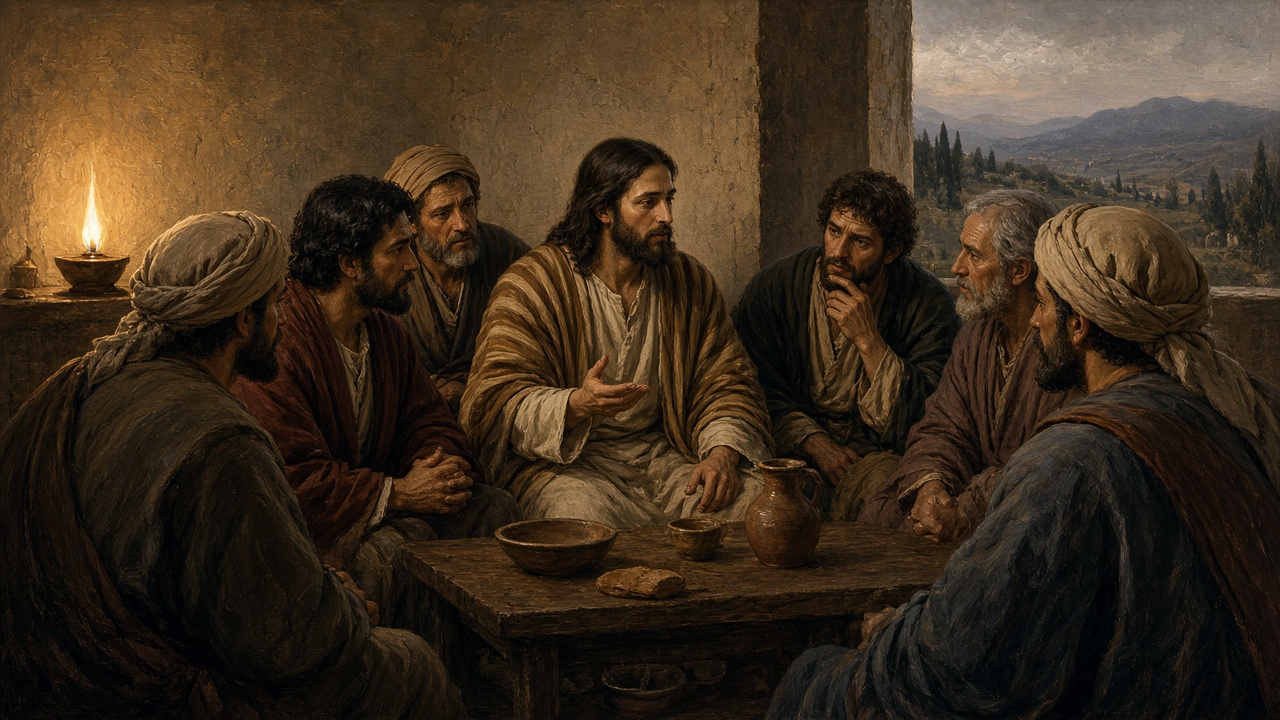
Você sabia?
A partida, o Advogado e a alegria após a tristeza
- As anotações dos eventos situam este capítulo no Discurso do Cenáculo, um episódio de um dia dentro da Semana Santa, que essas anotações indicam como um período de oito dias.Fontes: Upper Room Discourse · Holy Week
- Jesus diz aos discípulos que eles serão expulsos das sinagogas. Acrescenta que virá um tempo em que quem os matar pensará que está oferecendo um serviço a Deus, porque não conheceram o Pai nem a ele.Fontes: o próprio texto bíblico
- Ele diz que é para o bem deles que está indo embora, pois, se não partir, o Advogado não virá. Quando o Espírito da verdade vier, os guiará a toda a verdade, não falando por si mesmo, mas dizendo o que ouve e anunciando o que está por vir.Fontes: o próprio texto bíblico
Notas escritas com auxílio de IA a partir de fontes abertas (Theographic Bible Metadata, CC BY-SA 4.0; Easton’s Bible Dictionary, domínio público) e revisadas antes de publicar.
Créditos e licença desta tradução
Autaahaatɨhomɨ Pɨwɨha Gaaha Wanɨha
The New Testament in the Angaataha language of Papua New Guinea
Nupela Testamen long tokples Angaataha long Niugini
copyright © 2004 Wycliffe Bible Translators, Inc.
Language: Angaataha
Translation by: PNG Bible Translation Association
This translation is made available to you under the terms of the
Creative Commons Attribution-Noncommercial-No Derivatives license 4.0.
You may share and redistribute this Bible translation or extracts from it in any format, provided that:
You include the above copyright and source information.
You do not sell this work for a profit.
You do not change any of the words or punctuation of the Scriptures.
Pictures included with Scriptures and other documents on this site are licensed just for use with those Scriptures and documents.
For other uses, please contact the respective copyright owners.
2012-11-17
Fonte: http://png.bible/agm/ · eBible.org