Hebreus 5
Ri utzilaj tzij re ri kanimajawal Jesucristo · Toque num versículo para ver as referências cruzadas.
1Ri kajawal raj chakunel pa Rocho Dios chaꞌtal chikixoꞌl rachijabꞌ. Rire kojotalik re kachꞌaw pakiwi ri tikawex chwach ri Dios y re kuya chwach ri Dios ri qasaꞌn y rawaj ekamisam pakikꞌaxel ri tikawex ruma ri kimak. 2Ekꞌu rire, utz kukꞌut ri kꞌaxnaꞌbꞌal ukꞌuꞌx chike ri ketzaq pa mak tobꞌ na uꞌanikil taj kemakunik, ma rire na kuchꞌij tane uꞌanik janipa ri kubꞌiꞌij Rutzij ri Dios. 3Ruma kꞌu waꞌ, chirajawaxik che rire kuya chwach ri Dios rawaj ekamisam ruma rumak rire y na xew ta ruma ri kimak ri tinamit. 4Na jinta kꞌu junoq kuꞌan che ribꞌ kajawal ke raj chakunel pa Rocho Dios we na kojotal ta ruma ri Dios, jelaꞌ pachaꞌ ri xuꞌan rukꞌ ri Aarón. 5Jekꞌulaꞌ ri Cristo na xutakꞌabꞌaꞌ ta uwach uqꞌij chiribꞌil ribꞌ y na xa ta pa re xuꞌan Qajawal kachꞌaw paqawiꞌ chwach ri Dios, ma e ri Dios jewaꞌ xubꞌiꞌij che:
Riꞌat at Nukꞌajol yey Riꞌin in Aqaw;
waqꞌij kꞌu riꞌ kanqꞌalajisaj waꞌ. Sal. 2:7
6Yey je tanchi waꞌ xubꞌiꞌij:
Riꞌat na jinta utaqexik katkꞌojiꞌik at waj chak,
ri katchꞌaw pakiwi ri tikawex chinuwach Riꞌin
jelaꞌ pachaꞌ ri Melquisedec Sal. 110:4
xchaꞌ.
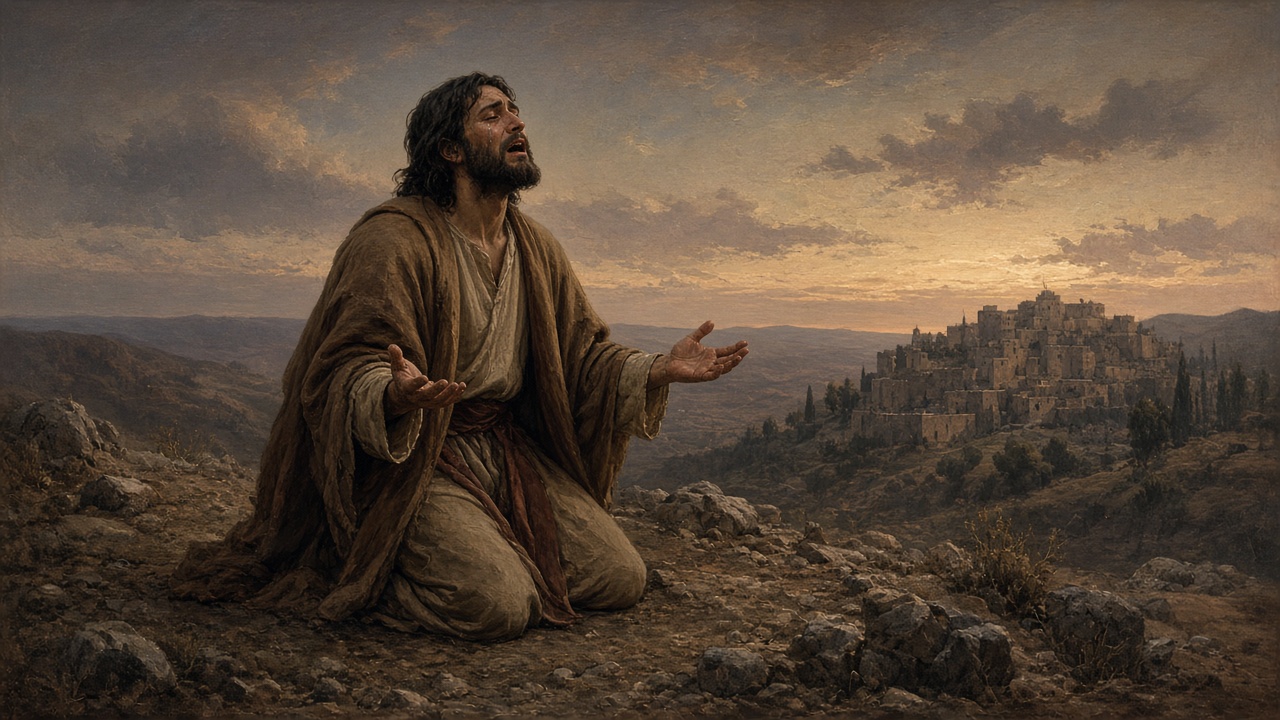
7Ri Cristo echiriꞌ xjeqiꞌ wara che ruwachulew lik xuꞌan orar, rukꞌ oqꞌej y rukꞌ sikꞌ lik xelaj chwach ri Dios, ri kꞌo puqꞌabꞌ kukolobꞌej chwa ri kamik; y ri Dios lik xuta re ruma ri lik uyaꞌom ribꞌ puqꞌabꞌ. 8Ekꞌu ri Cristo, tobꞌ e Ukꞌajol ri Dios, xumaj ukojik utzij ri Dios ruma ri kꞌaxkꞌobꞌik xrikꞌowibꞌej. 9Ruma kꞌu xutzꞌaqatisaj uwach ronoje ri xraj ri Dios che, xuꞌana aj yaꞌl kolobꞌetajik na jinta utaqexik chike janipa ri kekojow utzij Rire. 10Ekꞌu ri Dios xkojow re chaꞌ kuꞌan Qajawal kachꞌaw paqawiꞌ jelaꞌ pachaꞌ ri Melquisedec.
Pixabꞌanik chwi ri qakꞌiyibꞌal chwach ri Dios
11Lik kꞌo kuaj kambꞌiꞌij puwi waꞌ, pero lik kꞌayew uqꞌalajisaxik che alaq ma kꞌayew che alaq kamaj alaq usukꞌ. 12Lik kꞌo tan qꞌij lo riꞌ xtzijox ri Utzilaj Tzij che alaq; ekꞌu ri lik ubꞌe e tane e laꞌ alaq chi aj kꞌutunel re waꞌ. Na rukꞌ ta kꞌu riꞌ, lik ne kajawaxik kakꞌut tanchi che alaq ronoje ri nabꞌe xmaj lo alaq puwi ri Utzilaj Tzij re ri Dios. E pachaꞌ kajawax tanchi che alaq katij alaq tzꞌum ma kꞌamajaꞌ kamaj alaq utijik ri kowilaj waꞌim. 13Ma e junoq kꞌamajaꞌ umajom usukꞌ ri kubꞌiꞌij Rutzij Upixabꞌ ri Dios puwi saꞌ ri usukꞌ y saꞌ ri na usukꞌ taj, riꞌ e pachaꞌ juna neꞌ kꞌa kutij utzꞌum. 14Ri kowilaj waꞌim xew taqal chike ri e nimaꞌq chik; jekꞌulaꞌ kꞌo kꞌutunik chupa Rutzij Upixabꞌ ri Dios xew kemajaw usukꞌ ri ketaꞌam saꞌ ri utz y saꞌ ri na utz taj chwach ri Dios yey lik kitaqem kꞌu uꞌanik ri utz.
Você sabia?
Um sumo sacerdote chamado por Deus
- Hebreus 5 apresenta Arão como modelo de sumo sacerdote que não toma a honra para si, mas é chamado por Deus. Arão, filho mais velho de Anrão e Joquebede, nasceu no Egito três anos antes de seu irmão Moisés. Quando se aproximava a libertação de Israel do Egito, Deus o enviou ao encontro do irmão, ausente havia muito tempo, para que cooperassem na realização do Êxodo.Fontes: o próprio texto bíblico · Aaron
- Melquisedeque, cujo nome o Easton's Bible Dictionary (1897) explica como “rei de justiça”, era rei de Salém. Tudo o que o Antigo Testamento registra a seu respeito está em Gênesis 14:18–20, e ele só é mencionado mais uma vez, no Salmo 110:4. Hebreus 5 aplica a Cristo as palavras “Tu és sacerdote para sempre, segundo a ordem de Melquisedeque”, e o mesmo dicionário diz que Hebreus 7 expõe em detalhe a importância da sua história e apresenta o sacerdócio dele como superior ao de Arão, lembrando que Abraão lhe pagou o dízimo e que Melquisedeque abençoou Abraão.Fontes: o próprio texto bíblico · Melchisedec
Notas escritas com auxílio de IA a partir de fontes abertas (Theographic Bible Metadata, CC BY-SA 4.0; Easton’s Bible Dictionary, domínio público) e revisadas antes de publicar.
Créditos e licença desta tradução
Ri utzilaj tzij re ri kanimajawal Jesucristo
New Testament in Achi Rabinal; acr (GT:acrN:Achi)
copyright © 2009 Wycliffe Bible Translators, Inc.
Language: Achi
Dialect: Rabinal
Translation by: Wycliffe Bible Translators, Inc.
Copyright Information
© 2009, Wycliffe Bible Translators, Inc. All rights reserved.
This translation text is made available to you under the
terms of the Creative Commons License: Attribution-Noncommercial-No Derivative Works.
( http://creativecommons.org/licenses/by-nc-nd/3.0/ )
In addition, you have permission to port the text to different file formats, as long as you
do not change any of the text or punctuation of the Bible.
You may share, copy, distribute, transmit, and extract portions
or quotations from this work, provided that you include the above copyright
information:
You must give Attribution to the work.
You do not sell this work for a profit.
You do not make any derivative works that change any of the actual words or punctuation of the Scriptures.
Permissions beyond the scope of this license may be
available if you contact
us with your request.
The New Testament
in Achi
© 2009, Wycliffe Bible Translators, Inc. All rights reserved.
This translation is made available to you under the terms of the
Creative Commons Attribution-No Derivatives license 4.0.
You may share and redistribute this Bible translation or extracts from it in any format, provided that:
You include the above copyright and source information.
You do not make any derivative works that change any of the actual words or punctuation of the Scriptures.
Pictures included with Scriptures and other documents on this site are licensed just for use with those Scriptures and documents.
For other uses, please contact the respective copyright owners.
2014-04-18
Fonte: http://ebible.org/acrNNT/ · eBible.org