Lucas 12
I 'utz laj tzij re i dios · Toque num versículo para ver as referências cruzadas.
Chi ʼana cwent che iwib, mokxa coʼon queb i palaj
1Che tak i ʼij-le, je qʼui i winak xe moltaj ruʼ i Jesus, lic je mil, je mil. Que bajbatic rumal qui qʼuial. Are ʼuri i Jesus xu jek chʼaʼatic cuʼ u tijoxelab.
—Chi ʼana cwent che iwib, mokxa quix ʼelic pacha i je aj Fariséo, xa queb qui palaj. Ile pacha coʼon i cunbal re i caxlanwa. 2Niʼpa i n-ʼalijinsam taj, ca ʼalijinsax na; niʼpa i uwam u wach, ca ʼetamax na. 3Rumal-i, ronojel niʼpa i bim yix pa ʼekumal, ca tataj ni rason chi sak; niʼpa i bim na paja aliʼal, lic tzʼapim i uchija, ʼo i ca siqʼuin na chu bixquil chuwi tak ja —xu bij i Jesus.
Mi xij iwib chique i winak; are, chi xija iwib che i Dios
4Yix chi ix wachiʼil, quin bij ni iri chiwe: mi xij iwib chique i quiqui camsaj i chʼacul. Xui ile que tiqui chu ʼonquil; n-que tiqui ta chu camsaxic iwanima. 5Yin quin bij na chiwe pachin che, chi xija iwib: chi xija iwib che i Dios; ire, we xix camsaxic, ʼo puʼab quix u ya pa ʼaʼ. Are, chi xija iwib che ire.
6(I Dios quix u chajij.) Iwetaʼam chi jun tzʼiquin n-pakal taj, xa queb centávo i cajil je joʼob. Péro i Dios que u chajij, n-que u sach ta pu cʼux. 7(Xak queje yix, i Dios lic quix u chajij.) Ire ʼis rajlam niʼpa i wi ʼo che i jolom. Mi xij iwib ʼuri; yix ʼut, mas ʼo ni ʼij chiquiwach uqʼuial tzʼiquin —xu bij i Jesus chique.
ʼO u chac caka bij na chiquiwach i winak we oj re i Crísto
8Teʼuri xu bij chique:
—Quin bij iri chiwe: niʼpa i qui yom qui wach wuʼ, we quiqui bij chiquiwach i winak chi je we yin, xak yin quin bij na chiquiwach i ángel re i Dios chi ique je in winak yin. 9Xui-ri, je niʼpa i quiqui bij chiquiwach i winak chi ne te we yin, xak yin quin bij na chiquiwach i ángel re i Dios chi ique ne te we yin.
10I winak, niʼpa i cʼax que chʼaw chwij yin, in Achi aj Chicaj, ile ca cuytaj na chique; xui-ri je niʼpa i cʼax que chʼaw chirij u Tewal i Dios, i mac-le, lic n-ta u cuytajic.
11Coʼon panok, i je aj chʼoʼoj chiwij, quix qui cʼam nubi chuwach i nimak tak mamʼib pa molbalʼib, chuwach i ʼatbal tzij, o xak chiquiwach i ʼatol tzij. Are quiqui ʼan ile, mix cʼachir tan chu chʼobic wach i tobal iwib qui ʼano, mix cʼachir tan wach i qui bij chiquiwach, 12man i u Tewal i Dios cu cʼut na chiwe wach i qui bij, are cu rik i ʼor-le. (Queje xu bij i Jesus ile chique u tijoxelab.)
Chaka ʼana cwent mokxa oj rayinel
13ʼO jun achi chiquixol i winak xu bij che i Jesus:
—Tijonel, cha bij che i watz chi cu jach ni nicʼaj-we re i ubitak-re in kajaw, chi xcanaj can puʼab ire, are xcamic.
14Teʼuri i Jesus xu bij che:
—Achi, n-are ta in patan yin quin ʼan juez che wib piwi chu yijbaxic ile chiwe —xu bij che.
15Teʼuri xu bij chique conojel:
—Chi ʼana cwent, mokxa qui ʼan che iwib xa ix rayinel, xa ix molonel re ubitak iwe; man n-rumal ti uqʼuial ubitak iwe ʼo i cʼaslemal sakil —coʼono.
16Are ʼuri xu bij jun tijojbal tzij chique:
—ʼO jun achi beyom; i rulew, qʼui i cosech xu yaʼo. 17Ire xu jek u chʼobic ʼuri: “¿Wach i quin ʼano? ʼUtz we tene mas nim i cʼolbal-re,” xu bij. 18Teʼuri xu chʼob pu cʼux: “Wetaʼam chic wach i quin ʼano; quin wulijsaj i cʼolbal re in cosech, teʼuri quin ʼan juban chic mas nimak chuwach ile. Quin cʼol niʼpa in cosech chupam, tak i juban ubitak-we. 19Teʼuri quin bij che wib: lic ʼutz we yin, man ʼo ni ronojel wuʼ, wach i rajwaxic chwe qʼuial junab u wach. N-quin chacun ta chic, toʼ quin uxlanic, xui chic quin tij in wa, quin tij in yaʼ, y quin quicot na. Queje ile quin bij na,” xu bij i achi pu cʼux. 20Are ʼuri i Dios xu bij che: “Achi, ¡laj at buy! Woʼor chaʼab, cat camic. I niʼpa i ubitak awe chi a cʼolom-na ¿pachin nawi re?” xu bij i Dios che. 21Queje ile queʼel chique niʼpa i toʼ quiqui chʼob u molic i qui beyomal. Xa je nibaʼ ʼuri chuwach i Dios —xu bij i Jesus chique.
I Dios que u chajij i je racʼal ire
22Teʼuri xu bij chique u tijoxelab:
—Rumal-i, mix cʼachir che i cʼaslemal, wach i qui tijo, tzukbal iwib, xak mix cʼachir che i ʼuʼ, wach i qui cojo, chʼukbal i iwij. 23I cʼaslemal, ¿xataba xui i wa cajwax che? Xak i chʼacul, ¿xataba xui i ʼuʼ cajwax che? N-xui taj. ʼO i mas cajwax na chiwe chuwach i wa, xak i ʼuʼ. 24Chi chʼobo ʼut wach quiqui ʼan i chʼoc: ique, n-ti quiqui tico, xak n-ti quiqui molo, xak n-ti quiqui cʼol pu cʼolbal-re. Tupu n-quiqui ʼan taj, i Dios que u tzuku. Y mas lic nim i ʼij yix chiquiwach ique. 25We toʼ qui cʼachirsaj iwib, n-ta cu chacuj. Mi jun chiwe ca tiqui chu nimarsaxic u najtil rij, tupu lic ca cʼachir che. 26We n-quix tiqui ta chu ʼonquil ile chi n-ta kas u chac ¿wuchac ʼuri lic quix cʼachir che wach i qui tijo, xak i chʼukbal iwij?
27Chi chʼobo ʼut wach quiqui ʼan i cotzʼij. Ique n-que cʼachir ta chu chʼaquic qui ʼuʼ, xak mi ne u yijbaxic. Tupu n-quiqui ʼan taj, lic chom qui ʼuʼ. Quin bij chiwe: chom ni qui ʼuʼ ique chuwach i u ʼuʼ i nim laj ʼatol tzij, mam Salomon ujer, chi lic beyom. 28Queje cu ʼan i Dios ile chique i cotzʼij pa tak ʼes, chi xa queb oxib ʼij ʼolic: woʼor cʼaslic, y chwek cʼatnak chic pa ʼaʼ. Ire we cu ya i chom laj u ʼuʼ i ral cu cotzʼij-le, ¿xataba n-cu ya ta ʼuri iwe yix? Cu yaʼo, pues. ¡Yix cʼo i rajwaxic che u cubibal i cʼux che i Dios! 29We queje coʼon i Dios ile, mix cʼachir ʼuri chu tzucuxic wach i qui tijo, wach i qui tuʼu. 30Niʼpa tak ile, are i quiqui tzucuj i toʼ winak. Péro yix, ʼo jun i Kajaw chicaj lic retaʼam wach i rajwaxic chiwe. 31Rumal-i, chi ya iwib che i ʼutz laj ʼatbal tzij re i Dios, teʼuri ire cu ya na chiwe wach tak rajwaxic chiwe. (Queje xu bij i Jesus ile chique u tijoxelab.)
Chaka tzucuj i beyomal chila chicaj
32Teʼuri xu bij chique:
—Mi xij iwib, ix ral in tzobajil, yix n-ix ta qʼui. Xui-ri, i Ta chicaj craj cu ya chiwe quix oc che u ʼatbal tzij ire. 33Chi cʼayij ubitak iwe, y chi jacha i mer chique i ʼo rajwaxic chique. Queje ile qui cʼol i mer pa yabal-re chi n-ca jar taj; queje ile, qui cʼol i beyomal chila chicaj, pa n-ca qʼuis ta wi; chila n-coc ta wi iliʼom, xak n-que oc ti pocʼ ruʼ. 34Queje chi ʼana ile, man pa ʼo wi i beyomal, chila ʼuri ʼo wi i cubibal i cʼux. (Queje xu bij i Jesus ile chique u tijoxelab.)
Choj ʼolok oj yij chic che u cʼunic i Kajwal
35Teʼuri xu bij chique:
—Chix ʼolok ix yij chic, are ca cʼun i Iwajwal; ix ʼolok i tzijom i cantil chu cʼulaxic. 36Chi ʼana yix pacha ix aj chajal ja chi coyʼem u cʼunic i qui patron che jun cʼulanquil. Ique je yij chic chu tayic u be; are cuponic, juntir quiqui jak uchija che, are que u ʼijla. 37ʼUtz que i mocom chi que cʼascʼatic y que chajinic are cupon i qui patron. Quin bij iri chiwe: ire cu bij na chique chi que cubi chi mexa, teʼuri que u tzuk na. 38Ire mokxa cupon tiqʼuil aʼab, o xa ca pe u sakiric; ʼutz que i rajchaquib we que cʼascʼatic are cuponic —xu bij i Jesus chique.
39Xak xu bij i tzij-i chique:
—Chi ta iri: jun rajaw ja, we retaʼam wach u ʼonom ʼor cupon jun iliʼom ruʼ, ire ca cʼascʼat na ʼuri; n-cu ya ta che coc pa rachoch crelʼaj bi ubitak-re che, man ire yij na chu cʼacʼalixic. 40Xak yix, chi cʼacʼalij na, man i Achi aj Chicaj ca cʼun na are n-ti qui chʼob che —xu bij i Jesus chique.
Jun ajchac, chu ʼana u chac pusucʼ tupu naj ʼo wi u patron
41Are ʼuri i ma Pédro xu tzʼonoj che:
—Kajwal, i tzij xa bij-le ¿xui chake yoj xa bij, o xak chique i winak conojel?
42I Kajwal xu bij che:
—(Chique niʼpa i je wajchac i xin bij-le.) Iwetaʼam wach ca ʼani che jun ajchac lic ʼutz, lic ʼo u noʼoj. Ire ca yaʼ na can piquiwi i juban ajchac rumal u patron. Chukul ire ʼo wi u yaʼic i qui wa are cu rik i ʼor. 43ʼUtz re i achi-le we ca tijin chu ʼonquil wach i rajwaxic chique i ajchac are ca cʼun chali i u patron. 44Katzij i quin bij chiwe, ire ca canax na ʼuri puwi ronojel i ubitak re u patron. 45Xui-ri, we xa cu chʼob na chi u patron n-weʼ taj ca tzalij chalok, mokxa cu jek qui chʼayic i rach ajchaquib, chi achiab, chi ixokib. Mokxa toʼ u waʼim cu bisoj: wach cu tijo, wach cu tuʼu, wach tak ca ʼabar ruʼ. 46Ire n-retaʼam taj bi chi ʼoril ca cʼun u patron; are n-ta cu chʼob che, xak teʼet ca cʼun chalok. I u patron; cu ya na ʼuri pa nim laj tojpen. Xak jun i tojpen ca yaʼ che pacha ca yaʼ chique i n-quiqui coj ti u tzij i Dios.
47Jun ajchac chi retaʼam wach craj u patron, ire we n-cu yijba ta rib chu ʼonquil, we xak n-coʼon ta cas che, lic qʼui ni u loʼxic ʼuri cu tij na, tojbal re u mac. 48Xui-ri, jun ajchac, we n-retaʼam taj wach craj u patron, y we ʼo i u mac, lic ca majaw te che chi cu tij ni tojpen, ire n-mas ti u loʼxic cu tijo. Pachin jun, nim i yatal puʼab, ʼo chukul ʼuri nim cu jach tan chic che i rajaw; pachin jun, nim ni okxanim puʼab, ʼo chukul ʼuri cu jach tan chic che i rajaw, xak cu jach che niʼpa i u chʼacom puwi. (Queje i tzij ile xu bij i Jesus chique.)
I u cʼutic i sak laj tzij re i Dios xa cu petsaj i jachersabal qui wach i winak
49—Yin in cʼun-nak chuwach i jyub taʼaj, in aj nucʼul ʼaʼ chi; ¡cwaj te yin we ta ca juluw chic! 50Péro ʼo jun nim laj pen nabe chinwach; ¡lic quin cʼachir rumal, cʼa ca qʼuis ni ile! 51Mi chʼob yix chi in cʼun-nak xa que in chomarsaj ni winak chuwach i jyub taʼaj. N-rumal ti ile in cʼun-nak; in cʼun-nak xa que in jachersaj qui wach (man rumal u cʼutic i sak laj tzij, are ca paxsaxic, ca pe ni chʼoʼoj chiquixol i winak). 52Coʼon panok, we je ʼo joʼob cachalal quib, quiqui jachersaj ni quib; i je oxib quiqui junamsaj qui noʼoj chiquiwach i queb; xak i queb quiqui junamsaj qui noʼoj chiquiwach i oxib. 53Je ʼo ni kajawxel, n-junam ta chic qui noʼoj cuʼ i qui cʼojol; xak queje ni cʼojolxel cuʼ i qui kajaw. Xak je ʼo ni chuchuxel n-junam ta chic qui noʼoj cuʼ i calit; xak queje quiqui ʼan ni calit cuʼ i qui chuch. Je ʼo ni alibaxel n-junam ta chic qui noʼoj cuʼ i qui chuch calib; xak queje quiqui ʼan na ique chique i cali-baxel.
I je buy n-xqui ta tu be wach que tijin chi rilic
54I Jesus xak xu bij chique i winak:
—Yix, are quiwil i sutzʼ quel li pa ca tzak wi i ʼij, juntir qui bij chi ya ca pe i jab, y katzij, queje queʼelok. 55Xak i tew, we ca cʼun pa sur, qui bij chi ca pe jun ʼij tij, quix cha; y katzij, queje ile queʼelok. 56Yix, ¡xa queb i palaj! Lic quiwil nu be wach coʼon u wach caj, xak u wach i jyub taʼaj. ¿Wuchac ʼuri n-iwetaʼam taj wach usucʼ iri, chi quix tijin chi rilic che tak i ʼij-i? —xu bij chique.
We ʼo jun aj chʼoʼoj awuʼ, chi chomaj iwib chiwach
57Teʼuri xu bij chique i winak:
—¿Wuchac n-qui chʼob tu be yix mísmo wach ca majaw chiwe qui ʼano? 58We ʼo jun u cojom a mac, y qui maj bi i be pa ʼatbal tzij, cha ʼana pen u yijbaxic ruʼ, tzʼakat cʼa ix ʼo pa be, man n-cat u cʼam tubi chuwach i juez. Man i juez cat u jach na che i policía, i policía cat u tzʼapij na pa cárcel. 59Sak laj tzij i quin bij, n-cat el tal chila, cʼa ca toj ni qʼuisbal centávo re a múlta. (Queje ile i tijojbal tzij xu bij i Jesus, cʼutbal re chique chi ʼo u chac weʼ quiqui sucʼba qui cʼaslemal chuwach i Dios man n-que yaʼ ta pa tojpen.)
Você sabia?
Hipocrisia, confiança e vigilância
- Jesus diz aos discípulos que nem Salomão, em toda a sua glória, estava adornado como um dos lírios. Salomão, cujo nome hebraico Shelomoh significa “pacífico”, era filho de Davi com Bate-Seba e é descrito como o primeiro rei de Israel nascido na púrpura; sua história está registrada em 1 Reis 1-11 e 2 Crônicas 1-9.Fontes: o próprio texto bíblico · Solomon
- O homem que pergunta se a parábola é para os discípulos ou também para os demais é Simão Pedro. Chamava-se originalmente Simão, ou Simeão, um nome judaico muito comum que significa “audição”; era filho de Jonas e foi preparado para o ofício de pescador em sua cidade natal, Betsaida, na costa ocidental do mar da Galileia.Fontes: o próprio texto bíblico · Simon Peter
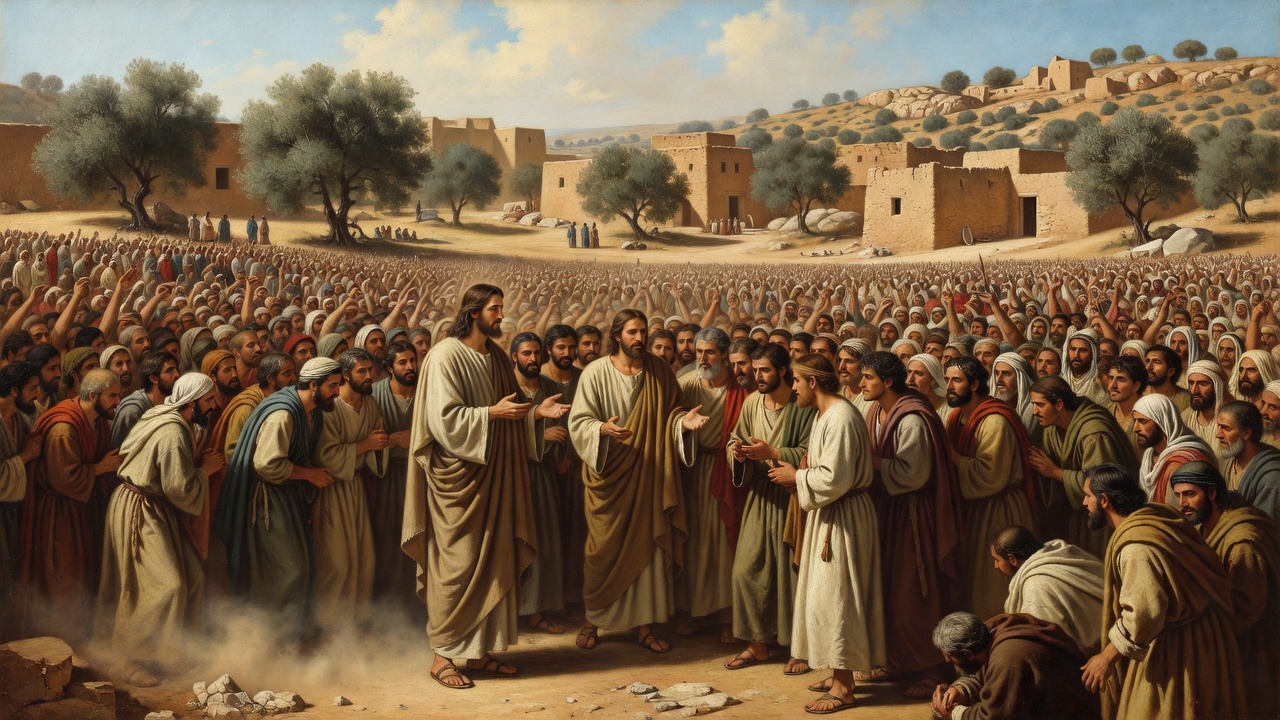
- O capítulo começa com muitos milhares pisoteando uns aos outros, enquanto Jesus adverte os discípulos sobre a hipocrisia dos fariseus e em seguida conta parábolas. Uma lista de acontecimentos data os ais e as parábolas com os fariseus em 29 d.C. e lhes atribui a duração de um dia.Fontes: o próprio texto bíblico · Woes and Parables with Pharisees
Notas escritas com auxílio de IA a partir de fontes abertas (Theographic Bible Metadata, CC BY-SA 4.0; Easton’s Bible Dictionary, domínio público) e revisadas antes de publicar.
Créditos e licença desta tradução
I 'utz laj tzij re i dios
New Testament in Achi (I 'utz laj tzij re i dios)
copyright © 2009 Wycliffe Bible Translators, Inc.
Language: Achi
Dialect: Cubulco
Translation by: Wycliffe Bible Translators, Inc.
Achi, Cubulco
Achi' is a Mayan language very
closely related to K'iche' (Quiché in the older orthography). It is spoken by the
Achi people, primarily in the area of Baja Verapaz in Guatemala. There are two Achi'
dialects. Cubulco Achi' is spoken by approximately 48,000 people in the Cubulco area
west of Rabinal area. Rabinal Achi' is spoken by approximately 37,000 people in the
Rabinal area.
El Nuevo Testamento
en el idioma Achí de Cubulco de
Guatemala
Ediciones anteriores
Segunda edición
©2009, Wycliffe Bible
Translators
Primera edición
Publicado por
©1984, Sociedad Bíblica
Internacional
Copyright Information
© 2009, Wycliffe Inc. All rights reserved.
This translation text is made available to you under the terms of the Creative
Commons License: Attribution-Noncommercial-No Derivative Works. ( http://creativecommons.org/licenses/by-nc-nd/3.0/ ) In addition, you have
permission to port the text to different file formats, as long as you do not change
any of the text or punctuation of the Bible.
You may share, copy, distribute, transmit, and extract portions or quotations from
this work, provided that you include the above copyright information:
You must give Attribution to the work.
You do not sell this work for a profit.
You do not make any derivative works that change any of the actual words or
punctuation of the Scriptures.
Permissions beyond the scope of this license may be available if you contact us
with your request. If you want to revise a translation, use a translation in an
adaptation, or use a translation commercially, we will consider your request.
NT:segunda edición
The New Testament
in Achi
© 2009, Wycliffe Inc. All rights reserved.
This translation is made available to you under the terms of the
Creative Commons Attribution-Noncommercial-No Derivatives license 4.0.
You may share and redistribute this Bible translation or extracts from it in any format, provided that:
You include the above copyright and source information.
You do not sell this work for a profit.
You do not change any of the words or punctuation of the Scriptures.
Pictures included with Scriptures and other documents on this site are licensed just for use with those Scriptures and documents.
For other uses, please contact the respective copyright owners.
2013-01-05
Fonte: http://ebible.org/acr-acc/ · eBible.org