Efésios 6
I 'utz laj tzij re i dios · Toque num versículo para ver as referências cruzadas.
I qui pixbaxic i kajawxel, xak i alcʼwalxel
1Yix chi ix alcʼwalxel, ʼo chikul quix cojon chique i chuch i kajaw we ix re chic i Crísto; ile lic ca majaw chiwe, man are usucʼ. 2Ca majaw chiwe, man i u tzij u pixab i Dios cu bij: “Cha cojo qui ʼij a kajaw a chuch, man cat quicot na, xak naj na cat cʼasi waral chuwach i jyub taʼaj.” (Queje ile tzʼibtal can chupam u wuj i Dios.) Are ile are i nabe che i tzij pixab chi cu petsaj ni ʼutz re i Dios piwi pacha u sujum canok.
4Xak yix chi ix qui chuch qui kajaw, are que i sucʼba i iwacʼal, mi petsaj i coywal. Are i chi ʼana, che i sucʼba, che i pixbaj pa ʼutz; queje ile quiqui jach na quib che i Kajwal; queje ile che i qʼuitsaj ni iwacʼal.
I qui pixbaxic i mocom, xak i qui patron
5Xak queje yix chi ix ajchaquib; che i cojo i patron yix waral chuwach i jyub taʼaj. Chi xija jubiʼ iwib chiquiwach, xak chi cojo qui ʼij. Chi ʼana qui chac, xa jun i nojbal chu ʼonquil, pacha qui ʼan che u chac i Crísto. 6Mi ʼano chi xui ʼutz quix chacunic are quix qui takej; mok quiqui chʼob na, qui bij yix, chi yix ix ʼutz laj tak ajchaquib. Chi ʼana che i chac pacha ix u mocom i Crísto. Ronojel i cʼux chi ʼana pacha craj i Dios. 7Niʼpa i chac qui ʼano, chix quicot na chu ʼonquil; lic pacha u chac i Kajwal qui ʼan che, n-pacha ta u chac jun winak qui ʼano. 8Cha cʼun chi cʼux, i Kajwal cu tzalij nu wach chake, niʼpa i ʼutz ka ʼanom; n-ta coʼono we oj ʼo puʼab jun patron, o we n-ta ka patron, xak jun i kilic cu ʼano.
9Xak yix chi ix patron, chi ʼana che iwib ʼutz i cʼux chique i mocom, me iwocsaj ʼil. Chi cʼunsaj chi cʼux, xak yix junam cuʼ ique ʼo i Patron chila chicaj; ire, xak jun iwilic cu ʼan cuʼ ique.
Chaka chapa i tobal kib u yom i Dios chake che i chʼoʼoj ruʼ itzel
10Woʼor wachalal, pa qʼuisbal-re quin bij chiwe: chi tzucuj i choʼab ruʼ i Kajwal. Ire, nim u choʼab; chi ya che cu cowirsaj i choʼab yix. 11Chi ʼana yix pacha cu ʼan jun soldádo. Ire, we ʼo chuwach i chʼoʼoj, qʼui i tobal rib ʼo ruʼ. Xak queje yix, chi chapa ronojel wach u yijbam i Dios chiwe chi tobal iwib, man n-quix tzak ta rumal itzel are craj quix u tʼoro. 12Man i aj chʼoʼoj chikij, ne te winak, xa je are i mal laj tak tew je aj chuwacaj; chique ique-le ʼo i je pacha ʼatol tzij, xak je ʼo i nimak qui patan, xak je ʼo i mas ʼo qui choʼab. Ique-le woʼor que tijin chu ʼanic pacha i cacaj waral chuwach i jyub taʼaj, tzʼakat cʼa oj ʼo che tak i ʼij-i re i ʼekumal. 13Rumal-i, chi chapa ronojel u yijbam i Dios chiwe chi tobal iwib, man are cu rik i ʼij chi que cʼun i aj chʼoʼoj iwuʼ, quix tiqui ʼuri chu toʼic iwib chiquiwach. Are quix tiqui na che i chʼoʼoj-le, quix eʼel ʼuri lic ix jiquil na. 14Chix ʼol ʼut lic ix jiquilic; quix tiqui na che we lic i yijbam iwib pacha coʼon jun soldádo. Chix ʼol che i sak laj tzij re i Dios, man cajwax chiwe pacha jun sinch nim u wach chi jun soldádo cu xim xe u pam tobal re u chʼacul. Chi ʼana i ʼutz chuwach i Dios, man ile quix u to na pacha coʼon jun soldádo ʼo jun u ʼuʼ chʼichʼ chuwach u cʼux, tobal rib. 15Chi yijba iwib chu paxsaxic u tzijol i ʼutz laj tzij chi chombal kib, pacha jun soldádo u cojom u xajab, yijilic. 16Xak mi sach u cubibal i cʼux che i Kajwal, man ile cu rik u chac chiwe pacha jun tzʼalam chʼichʼ cu tobej u wach u cʼux jun soldádo, are ca cʼun i flécha ʼo ʼaʼ chu tzam, chi ca chup wi chuwach. Xak queje i flécha ile re itzel chi ca cʼun iwuʼ yix, ca chup na rumal u cubibal i cʼux che i Kajwal. 17Ix ʼelsam chic puʼab i mac atzalal; ruʼ ile qui tobej iwib pacha coʼon jun soldádo, cu coj u xamparel chʼichʼ che u jolom, tobal rib. Xak i u tzij i Dios cu rik u chac chiwe pacha jun i chʼichʼ ʼo pi ʼab tobal iwib, yatal chiwe rumal u Tewal i Dios.
18Ronojel i in bim-le, chi ʼana, xui-ri tzʼakat quix tijin chu ʼonquil, xak chi tzʼonoj che i Dios. Niʼpa i qui riko, chi tzʼonoj tobal iwe che i Dios; i u Tewal Ire quix u to na che u tzʼonoxic-le. Chi tzʼonoj che chi pa ʼij chi chaʼab; ma baʼcrij i cʼux chu tzʼonoxic. Xak mi mayij u tzʼonoxic che piquiwi conojel i je re ire. 19Xak chi tzʼonoj che i Dios pinwi yin, chi cu ya ni u tzij chwe are quin oc chu bixquil chique i winak wach u chʼobom ire; xak chin u to na chi ʼo ni u cowil in cʼux chu bixquil wach i mer usucʼ i ʼutz laj tzij re i ʼelbal chi sak. 20I Dios in u takom yin pu qʼuexel ire chu paxsaxic i ʼutz laj tzij-le. Xa rumal u bixquil i tzij-le, woʼor in ʼo pa cárcel. Chi tzʼonoj che i Dios pinwi, man are quin tijin chu bixquil u tzij, chu ya ni u cowil in cʼux chu bixquil pacha i ca majawic.
I ma Páblo xu tzʼonoj i ʼutz piquiwi i aj Efeso
21I kachalal ma Tíquico chi cʼax caka naʼo, cu ya ni u tzijol chiwe wach in ʼanom yin, xak wach i quin tijin chu ʼonquil. Ire, ʼutz laj aj tolwe che i chac re i Kajwal. 22Rumal ʼuri, quin tak nubi iwuʼ yix, que u bij na chiwe wach ka ʼanom yoj waral, teʼuri i yix ca cowir na i cʼux rumal.
23Quin tzʼonoj che i ka Kajaw Dios junam ruʼ i Kajwal Jesucrísto chi quiqui ya ni quicotemal pi cʼux yix chi ix kachalal; xak quin tzʼonoj chi quiqui ya ni cʼaxnabal iwib chiwach, xak quiqui ya ni u cubibal i cʼux. 24Niʼpa yix chi cʼax qui na i Kajwal Jesucrísto ruʼ i cʼaxnabal cʼuxij chi n-ca qʼuis taj, quin tzʼonoj che i Dios chi cu ya ni ʼutz piwi. Amen (queje ile cwaj).
Você sabia?
Deveres da casa, a armadura de Deus e Tíquico
- Este capítulo apresenta o mandamento de honrar pai e mãe como o primeiro que vem com uma promessa: que tudo vá bem e que se tenha longa vida na terra. Também pede aos pais que não provoquem os filhos à ira, mas que os criem na disciplina e na instrução do Senhor.Fontes: o próprio texto bíblico
- O capítulo diz que a luta não é contra carne e sangue, mas contra governantes, autoridades, os poderes das trevas deste mundo e as forças espirituais do mal nas regiões celestiais. Os leitores são chamados a tomar toda a armadura de Deus — o cinto da verdade, a couraça da justiça, os pés preparados com a prontidão do evangelho da paz, o escudo da fé, o capacete da salvação e a espada do Espírito, que é a palavra de Deus — para ficarem firmes quando chegar o dia do mal.Fontes: o próprio texto bíblico
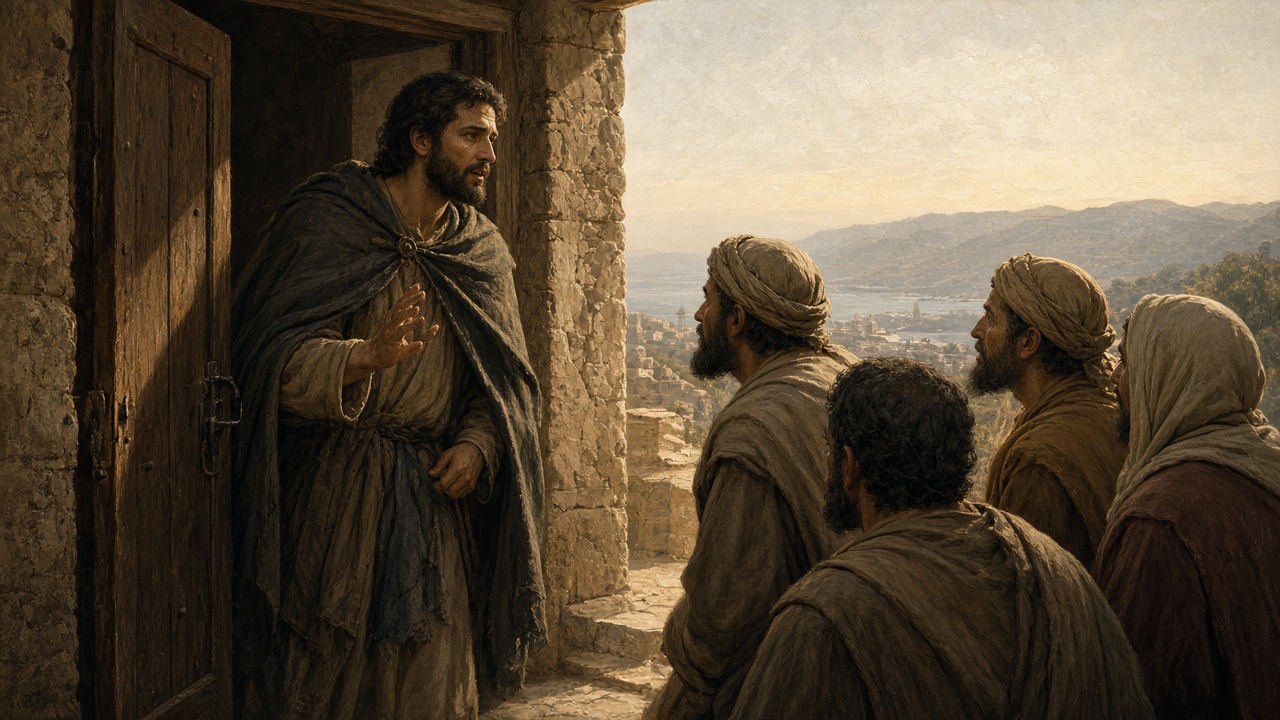
- Quem escreve pede oração para anunciar o evangelho sem medo, como embaixador em cadeias, e envia Tíquico, o irmão amado e servo fiel no Senhor, para contar aos leitores como ele está e animá-los. Tíquico é descrito como um cristão da Ásia que, com Trófimo, acompanhou Paulo em parte da viagem da Macedônia a Jerusalém e esteve com Paulo em Roma, de onde foi enviado a Éfeso, provavelmente para edificar e encorajar a igreja.Fontes: o próprio texto bíblico · Tychicus
Notas escritas com auxílio de IA a partir de fontes abertas (Theographic Bible Metadata, CC BY-SA 4.0; Easton’s Bible Dictionary, domínio público) e revisadas antes de publicar.
Créditos e licença desta tradução
I 'utz laj tzij re i dios
New Testament in Achi (I 'utz laj tzij re i dios)
copyright © 2009 Wycliffe Bible Translators, Inc.
Language: Achi
Dialect: Cubulco
Translation by: Wycliffe Bible Translators, Inc.
Achi, Cubulco
Achi' is a Mayan language very
closely related to K'iche' (Quiché in the older orthography). It is spoken by the
Achi people, primarily in the area of Baja Verapaz in Guatemala. There are two Achi'
dialects. Cubulco Achi' is spoken by approximately 48,000 people in the Cubulco area
west of Rabinal area. Rabinal Achi' is spoken by approximately 37,000 people in the
Rabinal area.
El Nuevo Testamento
en el idioma Achí de Cubulco de
Guatemala
Ediciones anteriores
Segunda edición
©2009, Wycliffe Bible
Translators
Primera edición
Publicado por
©1984, Sociedad Bíblica
Internacional
Copyright Information
© 2009, Wycliffe Inc. All rights reserved.
This translation text is made available to you under the terms of the Creative
Commons License: Attribution-Noncommercial-No Derivative Works. ( http://creativecommons.org/licenses/by-nc-nd/3.0/ ) In addition, you have
permission to port the text to different file formats, as long as you do not change
any of the text or punctuation of the Bible.
You may share, copy, distribute, transmit, and extract portions or quotations from
this work, provided that you include the above copyright information:
You must give Attribution to the work.
You do not sell this work for a profit.
You do not make any derivative works that change any of the actual words or
punctuation of the Scriptures.
Permissions beyond the scope of this license may be available if you contact us
with your request. If you want to revise a translation, use a translation in an
adaptation, or use a translation commercially, we will consider your request.
NT:segunda edición
The New Testament
in Achi
© 2009, Wycliffe Inc. All rights reserved.
This translation is made available to you under the terms of the
Creative Commons Attribution-Noncommercial-No Derivatives license 4.0.
You may share and redistribute this Bible translation or extracts from it in any format, provided that:
You include the above copyright and source information.
You do not sell this work for a profit.
You do not change any of the words or punctuation of the Scriptures.
Pictures included with Scriptures and other documents on this site are licensed just for use with those Scriptures and documents.
For other uses, please contact the respective copyright owners.
2013-01-05
Fonte: http://ebible.org/acr-acc/ · eBible.org