Atos 15
I 'utz laj tzij re i dios · Toque num versículo para ver as referências cruzadas.
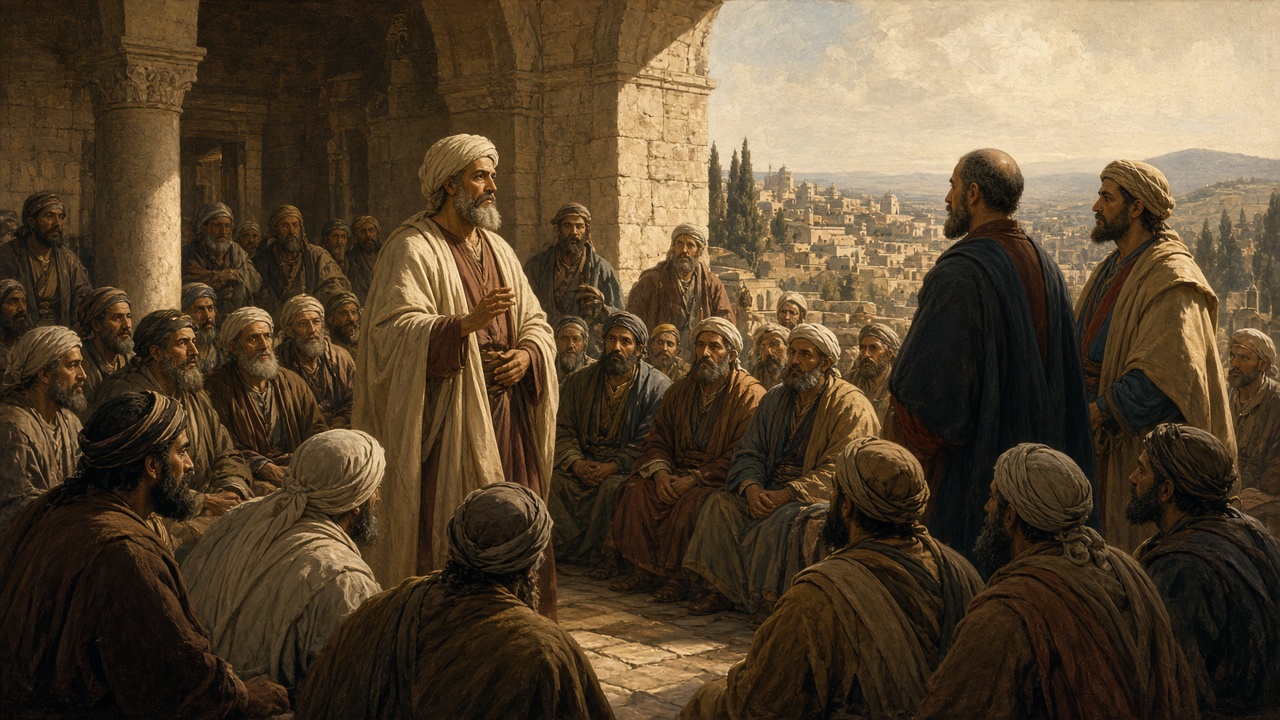
I ma Páblo quiqui mol quib cuʼ i que ucʼaw u tzam i creyent pa Jerusalen
1Che tak i ʼij-le, je ʼo jujun achiab je petnak Judéa; xe upon pa tinimit Antioquía y xe oc chu cʼutic chique i creyent chi ʼo u chac ca ʼani i retal circuncision che i qui chʼacul. Xui queje ile que totaj rumal i Dios, xqui bij ique. ʼO u chac quiqui ʼan ni ile pacha u bim can i mam Moises, xqui bij. 2I ma Páblo i ma Bernabe xe oc chu chapic quib chi tzij cuʼ ique. Rumal ʼuri i jutzobaj creyent xe qui cha i ma Páblo i ma Bernabe cuʼ juban chic achiab, y xe qui tak bi pa Jerusalen. Cacaj ique que ʼe chu tzʼonoxic chique i apostelab, xak i nimak tak mamʼib we ʼo u chac ca ʼan ni retal circuncision che i qui chʼacul i creyent.
3I jutzobaj creyent pa Antioquía xe qui to bi che i qui viáje. I comision-le, are xe ʼec xe icʼaw pa jyub u cwenta i Fenícia, xak i jyub u cwenta i Samária. Xqui bij chique i tak jutzobaj creyent chila chi je qʼui i ne te aj Israel winak xak qui jachom quib puʼab i Dios. Are xqui ta ile, lic xe quicotic.
4I ma Páblo i ma Bernabe, are xe upon pa Jerusalen, xe cʼulax cumal i creyent, xak cumal i apostelab, xak i nimak tak mamʼib. Xqui lap ronojel niʼpa i u ʼanom i Dios chique (chi je qʼui i ne te aj Israel winak qui jachom quib puʼab i Kajwal). 5Xui-ri, jujun aj Fariséo winak chi je creyent chic, xe taqʼui ʼanok y xqui bij:
—I ne te aj Israel chi qui yom qui wach kuʼ, ʼo u chac coc i retal que i aj Israel che i qui chʼacul. Xak ʼo u chac quiqui ʼan na pacha i cu bij i ʼatbal tzij tzʼibtal can rumal i mam Moises ujer —xe cha.
6Teʼuri i apostelab xqui ʼan jun nucʼbal tʼisbal cuʼ i nimak tak mamʼib, chu chʼobic wach i quiqui bij chique i je cʼun-nak. 7Naj xe lapan chiquiwach; are ʼuri i ma Pédro xtaqʼui ʼanok y xu bij chique:
—Wachalal, iwilom yix chi oʼonom lok i Dios in u chom yin chixol yix chi quin bij u tzij chique i ne te aj Israel, wach i quelbal chupam i qui mac. Craj i Dios chi xak ique quiqui coj u tzij ire. 8Ire retaʼam wach ʼo piqui cʼux i winak chi qui jujunal (retaʼam we je re ire piqui cʼux). U ʼalijinsam chake chi xak que u cʼulaj i ne te aj Israel winak ruʼ, man u yom u Tewal chique xak jun ruʼ pacha u yom chake yoj. 9Ire xu chʼaj i canima ique rumal u cubibal qui cʼux che; queje pacha u ʼanom chake yoj, xak queje xu ʼan chique ique; xak jun kilic u ʼanom. 10¿Wuchac ʼuri quiwaj qui yoj wach u ʼanom i Dios? ¿Wuchac quiwaj qui ʼan pen chique chi quiqui ʼan pacha cu bij i ujer ʼatbal tzij? ¿Wuchac qui ya ekan chiquikul, chi me tene yoj caka chʼijo, xak mi tene i katit ka mam? 11Ile n-tusucʼ. Ketaʼam yoj, oj ʼelnak chi sak xa rumal utzil chomal re i Kajwal Jesus; xak queje ique —xu bij i ma Pédro chique.
12Conojel niʼpa i je ʼo chila n-xe chʼaw ta chic. Teʼuri xe oc chu cojic retalil che i qui tzij i ma Bernabe i ma Páblo. Xqui ta niʼpa i milágro, niʼpa i nimak tak ʼanic xu ʼan i Dios chique i ne te aj Israel winak, cʼutbal-re chi ire ʼo cuʼ i ma Páblo i ma Bernabe. 13Are xe utzin ique chi chʼaʼatic, i mam Jacóbo xu bij jun tzij:
—Wachalal, chitapeʼ, 14i ma Simon Pédro ya xu lap chake chi Dios u jekom cucʼaxic i ne te aj Israel winak; ya xu jek qui chayic chiquixol ique niʼpa i que ʼel na, je re ire. 15I u ʼanom-le xak jun xeʼel ruʼ i tzij pacha tzʼibtal can cumal i je ajbil u tzij i Dios ujer. Qui tzʼibam can i tzij-i chi xu bij i Dios:
16Coʼon panok, que in to tan chic i aj Israel winak; quin coj tan chic pa qui ʼatol tzij jun u muk u xiquin i mam David.
Quin yijba tan chic wach i wulijnak; quin yac tan chic wach i tzaknak.
17Queje ile quin ʼano, man conojel i winak chi maja quin qui cojo, quin qui tzucuj na.
Xak queje i ne te aj Israel chi quiqui jach na quib pinʼab, y quiqui cuxtaj in bi 15.17.
18Queje ile cu bij i Kajwal, ire chi ʼax u ʼalijinsam wi chake wach tak i cakil na.
(Queje ile tzʼibtal canok, xu bij i ma Jacóbo; teʼuri xu bij:)
19Rumal ʼuri, quin bij yin, i ne te aj Israel winak we ya xqui jalwachij i qui nojbal chi n-ʼus taj, y xe terej chirij i Dios, n-ta ʼatbal tzij ʼuri caka ya piquiwi. 20Xui caka tak bi jun wuj chique, yabal qui noʼoj. Caka tzʼibaj bi chique chi miqui tij tiʼij sujtal chuwach tiox; xak miqui kajsaj qui ʼij cuʼ i n-cachiʼil ta quib. Xak caka tzʼibaj bi chique chi miqui tij u tiʼijlal chicop chi toʼ qui jitzʼam; xak miqui tij quicʼ. 21Queje ile caka tzʼibaj chique, man i ʼatbal tzij tzʼibtal can rumal i mam Moises, ʼax ca ajlax wi pa tak molbalʼib que i tinimit pa tak uxlambal ʼij chique i aj Israel winak. (N-cakaj ta caka petsaj coywal i creyent chi je aj Israel.)
(Queje xu bij i mam Jacóbo ile chique.)
22Teʼuri i apostelab, xak i nimak tak mamʼib cuʼ conojel i creyent, xe oc chu chʼobic wach quiqui ʼano. Xe qui cha queb cachiʼil, que qui tak bi cuʼ i ma Páblo i ma Bernabe che i tinimit Antioquía. I queb-le je are i ma Sílas, xak i ma Júdas (chi xak ma Barsabas quiqui bij che). Che queb achiab ʼo qui ʼij chiquixol i cachiʼil. 23Xqui cʼam bi i wuj chi tzʼibtal cumal i nucʼbal tʼisbal. Queje iri cu bij:
“Yoj chi oj apostelab, xak i nimak tak mamʼib aj waral, xak i juban iwachalal waral Jerusalen, caka ya pan rutzil i wach yix ix kachalal. Tupu n-ix ti aj Israel winak, ix kachalal chic; caka tak bi i wuj-i chiwe yix, ix aj Antioquía, ix aj Síria, xak ix aj Cilícia. 24Yoj xka ta rason chi xe ʼel jujun aj waral, xix ʼe qui xibij na, xak xix qui cʼachirsaj na. Xqui bij ique chi ʼo u chac coc i retal circuncision che i chʼacul yix, xak xqui bij chi ʼo u chac qui ʼan pacha i ujer ʼatbal tzij. Xui-ri, yoj n-ta je ka takom bi chu bixquil ile chiwe. 25Rumal-i, junam ka wach xe ka cha bi jujun kachalal chi quix ʼe quila. Que ʼe junam cuʼ i ma Páblo i ma Bernabe, chi lic cʼax que ka naʼo. 26Ique lic je ʼo chuwach i camic rumal u tzij i Kajwal Jesucrísto. 27Rumal ile chi xka nucʼu, que ka tak bi i ma Júdas i ma Sílas iwuʼ, chu bixquil chiwe wach ka nucʼum. 28I u Tewal i Dios n-craj ta cu ya mas ʼatbal tzij piwi, xak yoj n-cakaj taj. Xui queb oxib tzij caka bij chiwe, are iri: 29Mi tij i tiʼij chi xa camsam rumal u ʼij jun tiox; xak mi tij i quicʼ; xak mi tij i chicop chi toʼ je jitzʼam. Jun achi, jun ixok, miqui kajsaj qui ʼij chiquiwach, we n-cachiʼil ta quib. Yix, we qui ʼan cas che i tzij-le, ʼutz i qui ʼano. Xui ile i ka tzij chiwe. Chiwila iwib.” (Queje ile tzʼibtal chuwach i wuj chi xqui cʼam bic.)
30I xe cʼamaw bi i wuj, xqui maj qui be, y xe ʼe pa Antioquía. Are xe uponic, xe qui siqʼuij i creyent. Are qui molom chic quib, xqui jach i wuj chique. 31Teʼuri i creyent xcajlaj u wach i wuj; lic xe quicotic wach i bital bi chique. I tzij-le lic xu cubsaj qui cʼux. 32I ma Júdas i ma Sílas xak je ajbil u tzij i Dios, man u yom i Dios chique quiqui ta usucʼ wach u ʼalijinsam ire chique y quiqui bij chique i juban creyent. Rumal-i, naj xe lapan cuʼ, cowirsabal re qui cʼux, xak jicsabal re qui cʼux che i Dios. 33Xe najtin chila, teʼuri i creyent xe qui ʼijla chalok; xqui tzʼonoj i ʼutz re i Dios piquiwi, man que tzalij chic cuʼ i je takawnak bic. 34Xui-ri, i ma Sílas xu chʼobo chi ʼutz ca canajic. 35Xak i ma Páblo i ma Bernabe xe canaj ruʼ pa Antioquía. Junam cuʼ u qʼuial cachiʼil, que tijin chu cʼutic u tzij i Kajwal, xak chu paxsaxic u tzij.
I ma Páblo cu jek tan chic qui solixic i jutak tzobaj creyent
36Xoʼon panok, i ma Páblo xu bij che i ma Bernabe:
—ʼUtz coj ʼe chic pa tak tinimit pa i ka bim wi can u tzij i Kajwal; que ʼe kila wach qui ʼanom i creyent —xu bij.
37I ma Bernabe craj cu cʼam bi i a-Wan cuʼ, chi xak a-Márcos quiqui bij che. 38I ma Páblo n-craj taj chi quiqui cʼam bic, man xcʼun chu cʼux chi ire je roʼtam canok are je ʼo pa jyub Panfília; i ma Wan Márcos-le xroʼtaj can i chac cuʼ. 39Xqui chap quib chi tzij rumal. Xeʼelok xa xqui jach qui wach; i ma Bernabe xu cʼam bi i a-Márcos, xe oc bi pa bárco, y xe ʼe pa Chípre. 40I ma Páblo xu cha i ma Sílas rachiʼil. I creyent xqui tzʼonoj i utzil chomal re i Dios piquiwi, teʼuri xqui maj qui be. 41Xe ʼe bin pa jyub Síria, xak xe icʼaw pa jyub Cilícia, que tijin chu yaʼic u cowil qui cʼux i kachalal pa tak tzobajil re i Dios pa i que icʼaw wi.
Você sabia?
O concílio sobre os crentes gentios
- A controvérsia começou em Antioquia, às margens do Orontes, cerca de trezentas milhas ao norte de Jerusalém, cidade que então ocupava o terceiro lugar entre as cidades do Império Romano, depois de Roma e Alexandria. A caminho do concílio, Paulo e Barnabé passaram pela Fenícia, uma faixa litorânea de cerca de cento e vinte milhas, e pela Samaria. Uma nota cronológica data o Concílio de Jerusalém em 46 d.C.Fontes: Antioch (Syria) · Phenicia · o próprio texto bíblico · Jerusalem Council
- O Easton's Bible Dictionary (1897) afirma que Tiago, a quem chama de irmão ou parente próximo de Jesus, dirigia a igreja em Jerusalém e presidiu o concílio sobre os gentios. A carta que se seguiu foi endereçada aos crentes gentios em Antioquia, na Síria e na Cilícia. A Cilícia, província de origem de Paulo e província marítima romana no sudeste da Ásia Menor desde 67 a.C., incluía sua cidade natal, Tarso.Fontes: James (Brother of Jesus) · o próprio texto bíblico · Cilicia · Paul
- Judas, chamado Barsabás, e Silas, também conhecido como Silvano, eram profetas e homens de destaque da igreja de Jerusalém, enviados para confirmar pessoalmente a decisão do concílio. Um desentendimento posterior e acirrado por causa de João Marcos, primo de Barnabé, separou os dois missionários: Barnabé levou Marcos e embarcou para Chipre, enquanto Paulo escolheu Silas. Uma nota cronológica data essa separação em 47 d.C.Fontes: o próprio texto bíblico · Silas · John Mark · Paul and Barnabas part ways
Notas escritas com auxílio de IA a partir de fontes abertas (Theographic Bible Metadata, CC BY-SA 4.0; Easton’s Bible Dictionary, domínio público) e revisadas antes de publicar.
Lugares deste capítulo
- Antioch · Hoje: Antioch on the Orontes · 36.227, 36.172 · versículos 1, 22, 23, 30, 35
- Judea · Hoje: Judea 1 · 31.777, 35.234 · versículo 1
- Jerusalem · 31.777, 35.234 · versículos 2, 3, 4, 22, 23, 33
- Phoenicia · 33.271, 35.196 · versículo 3
- Samaria · Hoje: Samaria 2 · 32.276, 35.195 · versículo 3
- Cilicia · 36.913, 34.892 · versículos 23, 41
- Syria · Hoje: Syria 2 · 33.511, 36.306 · versículos 23, 41
- Pamphylia · 37.000, 31.000 · versículo 38
- Cyprus · 35.000, 33.000 · versículo 39
Só aparecem lugares com identificação de alta confiança (90% ou mais segundo as fontes acadêmicas reunidas pelo OpenBible). Mapa da época: DARE (Digital Atlas of the Roman Empire), CC BY 4.0; mapa atual: © colaboradores do OpenStreetMap; lugares: OpenBible.info (CC BY 4.0).
Créditos e licença desta tradução
I 'utz laj tzij re i dios
New Testament in Achi (I 'utz laj tzij re i dios)
copyright © 2009 Wycliffe Bible Translators, Inc.
Language: Achi
Dialect: Cubulco
Translation by: Wycliffe Bible Translators, Inc.
Achi, Cubulco
Achi' is a Mayan language very
closely related to K'iche' (Quiché in the older orthography). It is spoken by the
Achi people, primarily in the area of Baja Verapaz in Guatemala. There are two Achi'
dialects. Cubulco Achi' is spoken by approximately 48,000 people in the Cubulco area
west of Rabinal area. Rabinal Achi' is spoken by approximately 37,000 people in the
Rabinal area.
El Nuevo Testamento
en el idioma Achí de Cubulco de
Guatemala
Ediciones anteriores
Segunda edición
©2009, Wycliffe Bible
Translators
Primera edición
Publicado por
©1984, Sociedad Bíblica
Internacional
Copyright Information
© 2009, Wycliffe Inc. All rights reserved.
This translation text is made available to you under the terms of the Creative
Commons License: Attribution-Noncommercial-No Derivative Works. ( http://creativecommons.org/licenses/by-nc-nd/3.0/ ) In addition, you have
permission to port the text to different file formats, as long as you do not change
any of the text or punctuation of the Bible.
You may share, copy, distribute, transmit, and extract portions or quotations from
this work, provided that you include the above copyright information:
You must give Attribution to the work.
You do not sell this work for a profit.
You do not make any derivative works that change any of the actual words or
punctuation of the Scriptures.
Permissions beyond the scope of this license may be available if you contact us
with your request. If you want to revise a translation, use a translation in an
adaptation, or use a translation commercially, we will consider your request.
NT:segunda edición
The New Testament
in Achi
© 2009, Wycliffe Inc. All rights reserved.
This translation is made available to you under the terms of the
Creative Commons Attribution-Noncommercial-No Derivatives license 4.0.
You may share and redistribute this Bible translation or extracts from it in any format, provided that:
You include the above copyright and source information.
You do not sell this work for a profit.
You do not change any of the words or punctuation of the Scriptures.
Pictures included with Scriptures and other documents on this site are licensed just for use with those Scriptures and documents.
For other uses, please contact the respective copyright owners.
2013-01-05
Fonte: http://ebible.org/acr-acc/ · eBible.org