1 João 3
I 'utz laj tzij re i dios · Toque num versículo para ver as referências cruzadas.
I qui módo i racʼal i Dios
1Chiwilapeʼ, i Ta chicaj lic cʼax coj u naʼo; ʼalaj ile, man cu bij chi oj racʼal ire. Y katzij lic oj re ire. I winak chi toʼ je re u wach i jyub taʼaj, n-quetaʼam taj bi kuxic yoj, man n-quetaʼam ti Dios. 2Ix wachalal chi quix waj, woʼor oj racʼal chic i Dios; maja cakilo wach mer coj ʼanawic, xui-ri, ketaʼam chi are ca cʼun i Jesucrísto, coj eʼelok pacha ire, man cakil na wach ca tzun ire. 3Niʼpa i qui cubam qui cʼux che ile, chiqui cowij ʼuri u ʼonquil chʼam che qui cʼux pacha u cʼux i Jesucrísto, lic chʼam.
4Niʼpa i quiqui ʼan qui mac, n-quiqui ʼan ta ʼuri pacha i cu bij i ʼatbal tzij re i Dios; man i mac atzalal, xa are u kelic u ʼatbal tzij. 5Yix iwetaʼam chi i Jesucrísto xcʼun chuwach i jyub taʼaj chi relsaxic i ka mac. Xak iwetaʼam chi ire n-tu mac. 6Rumal-i niʼpa i que qʼuiji puʼab i Jesucrísto, quiqui mayij que macunic. Jun, we cʼa ca macunic, ʼalaj ʼuri chi nu rikom ti Jesucrísto, xak n-retaʼam tu wach. 7Yix chi ix wacʼal, mix tʼortajic, pachin ca tijin chu ʼonquil i ʼutz, sucʼul laj winak ʼuri; queʼelok pacha i Jesucrísto chi lic sucʼulic. 8Xui-ri jun we toʼ ca macunic, xa re itzel ʼuri, man itzel lic re-wi ajmac chu xebal li ʼij sak. Xui-ri, i u Cʼojol i Dios xcʼun chuwach i jyub taʼaj, xol u sacha u wach niʼpa u ʼanom itzel.
9Jun, we racʼal chic i Dios, u mayim i macunic, man ʼo re i Dios che; n-ca macun taj, xak n-ca tiqui ta che, man alaxnak chic ruʼ i Dios. 10Ca ʼalijin ʼuri, pachin je racʼal i Dios, xak pachin je racʼal itzel: niʼpa i n-quiqui ʼan ti ʼutz, niʼpa i n-cacaj ti cachalal, ique ne te re i Dios.
ʼO u chac cʼax caka na kib chakawach
11I tzij chi xi ta lok are xi ya iwib puʼab i Jesucrísto, are iri: ʼo u chac cʼax caka na kib chakawach. 12Maka ʼan ke yoj pacha xu ʼan i a-Cain; ire xa re itzel y xu camsaj u chaʼ. ¿Wuchac xu camsaj? Tzel xrilo rumal i ʼutz xu ʼan i u chaʼ, péro i a-Cain, n-ʼus ti xu ʼano.
13Ix wachalal, mix oc ʼil che we tzel quix quil i winak chi ne te re i Dios. 14Ketaʼam chi xoj el che i be chi coj u cʼam bi te che i camic, y xka jek i be re i cʼaslemal. Ketaʼam chi ka rikom i be re i cʼaslemal, man cʼax que ka na chic i kachalal. Are i n-cʼax ta quiqui na i cachalal, cʼa je ʼo ʼuri pa be re i camic. 15Pachin tzel cril i rachalal, aj camsanel ʼuri. Iwetaʼam yix, jun aj camsanel nu rikom ti u cʼaslemal chi n-tu qʼuisic. (Xak jun ruʼ ile, pachin tzel cril i rachalal, nu rikom ti u cʼaslemal ʼuri.) 16Ketaʼam wach usucʼ i cʼaxnabal cʼuxij, man i Jesucrísto xu ʼalijinsaj chake are xu ya rib che i camic tobal ke yoj. Xak yoj, ca majawic caka ya kib che i camic, cʼaxnabal que i kachalal. 17We ʼo jun, n-ta rajwaxic che, y cril i rachalal uyej cu ʼano, we ire n-cu to ti rachalal, ¿xataba cʼax cu na ʼuri i Dios? N-cʼax taj. 18Ix wacʼal, we katzij ʼo cʼaxnabal ka cʼux, n-xui ta ruʼ ka chiʼ caka bij. ʼO u chac ca ʼiltajic chi ʼo u cʼaxnabal ka cʼux sakil, rumal i ʼutz caka ʼano.
¿Wach nawi caka ʼano man n-coj qʼuix ta chuwach i Dios?
19Queje ile ketaʼam chi oj re i sak laj tzij, xak caka naʼo chi oj ʼutz chuwach i Dios. 20We cu bij ka cʼux chi ka ʼanom ka mac, xak i Dios retaʼam chi ka ʼanom ka mac, man ire ronojel ʼis retaʼam. 21Ix wachalal chi quix waj, we caka na pa ka cʼux n-ta ka mac, ʼo u cowil ka cʼux ʼuri chuwach i Dios. 22Queje ile wach i caka tzʼonoj che, ire cu ya na chake, man caka coj u tzij u pixab, xak caka ʼan pacha i chom cril ire. 23I Dios u bim chake chi chaka cuba ka cʼux che i Jesucrísto chi u Cʼojol, xak cʼax chaka na kib chakawach pacha xoj u tak ire chu ʼonquil. 24We caka ʼan cas u tzij u pixab i Dios, coj qʼuiji ʼuri puʼab ire, xak ire ʼo pa ka cʼux yoj. Rumal i u Tewal chi ʼo kuʼ, ketaʼam chi i Dios ʼo pa ka cʼux.
Você sabia?
Filhos de Deus e amor fraterno
- A advertência para não ser como Caim lembra o primogênito de Adão e Eva, lavrador da terra, cujo irmão Abel seguia a vida pastoral. Eles apresentaram ofertas: a de Abel, dos primogênitos e da gordura do rebanho, foi aceita como mais excelente, e Caim, cuja oferta era do fruto da terra, ficou muito irado. A carta diz que Caim era do maligno e assassinou Abel porque as suas próprias obras eram más e as de seu irmão eram justas.Fontes: Cain · o próprio texto bíblico
- Neste capítulo, odiar o irmão é tratado como homicídio: todo aquele que odeia seu irmão é homicida, e a vida eterna não reside num homicida. O amor se conhece porque Jesus entregou a sua vida por nós, e se diz aos leitores que devem entregar a vida pelos irmãos.Fontes: o próprio texto bíblico
- Os filhos de Deus se distinguem dos filhos do diabo por praticar a justiça e por amar o irmão. A mensagem ouvida desde o princípio é que devemos amar uns aos outros, e o mandamento de Deus é crer no nome de seu Filho, Jesus Cristo, e amar uns aos outros como ele ordenou.Fontes: o próprio texto bíblico
Notas escritas com auxílio de IA a partir de fontes abertas (Theographic Bible Metadata, CC BY-SA 4.0; Easton’s Bible Dictionary, domínio público) e revisadas antes de publicar.
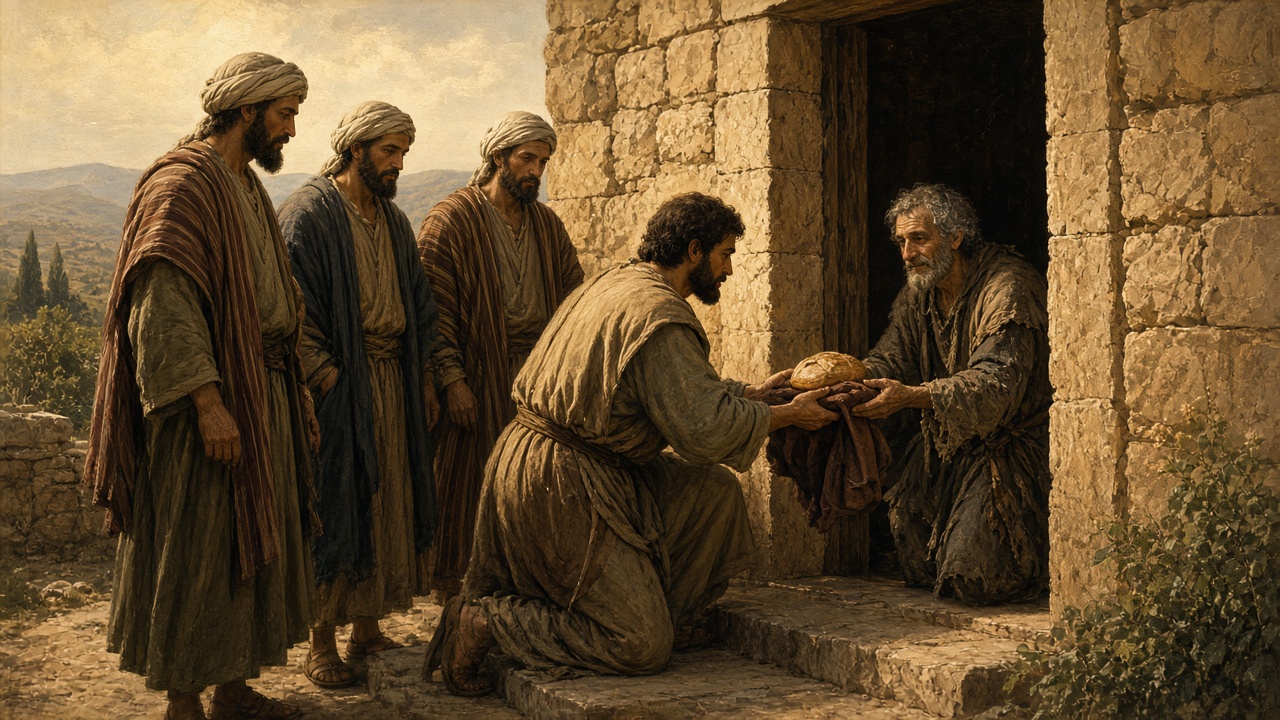
Créditos e licença desta tradução
I 'utz laj tzij re i dios
New Testament in Achi (I 'utz laj tzij re i dios)
copyright © 2009 Wycliffe Bible Translators, Inc.
Language: Achi
Dialect: Cubulco
Translation by: Wycliffe Bible Translators, Inc.
Achi, Cubulco
Achi' is a Mayan language very
closely related to K'iche' (Quiché in the older orthography). It is spoken by the
Achi people, primarily in the area of Baja Verapaz in Guatemala. There are two Achi'
dialects. Cubulco Achi' is spoken by approximately 48,000 people in the Cubulco area
west of Rabinal area. Rabinal Achi' is spoken by approximately 37,000 people in the
Rabinal area.
El Nuevo Testamento
en el idioma Achí de Cubulco de
Guatemala
Ediciones anteriores
Segunda edición
©2009, Wycliffe Bible
Translators
Primera edición
Publicado por
©1984, Sociedad Bíblica
Internacional
Copyright Information
© 2009, Wycliffe Inc. All rights reserved.
This translation text is made available to you under the terms of the Creative
Commons License: Attribution-Noncommercial-No Derivative Works. ( http://creativecommons.org/licenses/by-nc-nd/3.0/ ) In addition, you have
permission to port the text to different file formats, as long as you do not change
any of the text or punctuation of the Bible.
You may share, copy, distribute, transmit, and extract portions or quotations from
this work, provided that you include the above copyright information:
You must give Attribution to the work.
You do not sell this work for a profit.
You do not make any derivative works that change any of the actual words or
punctuation of the Scriptures.
Permissions beyond the scope of this license may be available if you contact us
with your request. If you want to revise a translation, use a translation in an
adaptation, or use a translation commercially, we will consider your request.
NT:segunda edición
The New Testament
in Achi
© 2009, Wycliffe Inc. All rights reserved.
This translation is made available to you under the terms of the
Creative Commons Attribution-Noncommercial-No Derivatives license 4.0.
You may share and redistribute this Bible translation or extracts from it in any format, provided that:
You include the above copyright and source information.
You do not sell this work for a profit.
You do not change any of the words or punctuation of the Scriptures.
Pictures included with Scriptures and other documents on this site are licensed just for use with those Scriptures and documents.
For other uses, please contact the respective copyright owners.
2013-01-05
Fonte: http://ebible.org/acr-acc/ · eBible.org