1 Coríntios 12
I 'utz laj tzij re i dios · Toque num versículo para ver as referências cruzadas.
I u Tewal i Dios cu ya i ka chac chaka jujunal
1Ix wachalal, niʼpa tak i u yom u Tewal i Dios chake, ʼanbal re u chac, cwaj yin lic qui ta usucʼ,
2Lic iwetaʼam, yix ujer are cʼa maja qui cuba i cʼux che i Crísto, xi ya iwib chi terejic chiquij tak i tiox chi xa je mem. 3Woʼor ix re chic i Dios, rumal-i cwaj quiwetamaj iri: we ʼo jun cu bij, “¡Cha cʼokox i Jesus-le!” cu bij, ire-le n-ucʼam ta ʼuri rumal u Tewal i Dios. Xak we ʼo jun cu bij, “Are i Jesus are i Kajwal,” ire-le ucʼam ʼuri rumal u Tewal i Dios.
4I tak i patan chi cu ya i Dios chake, lic n-xak ta jun u wach, xui-ri, i u Tewal i Dios chi ca jachaw chake, xa jun. 5ʼIs jalajuj u wach i ka patan che i Kajwal, xui-ri, xa jun i Kajwal chi coj tijin chu ʼanic u chac. 6I u chac, ʼis jalajuj u ʼonquil caka ʼan che; xui-ri are i Dios ca ʼanaw i chac-le. 7I Dios cu ya jun ka patan chaka jujunal, chi are u sipon chake, ʼalijinsabal-re chi ʼo u Tewal kuʼ, xui-ri, craj ire chi ʼutz queʼel chique conojel ruʼ i sipon-le. 8Are i u Tewal i Dios cu ya chique jujun, chi wach i quiqui bij, lic ʼo u nojbal che i qui tzij; xak queje juban chic, wach i quiqui bij, are ʼalijinsabal-re chique i winak wach i sak laj tzij re i Dios; xak ique, xa rumal u Tewal i Dios que tiqui che i chac-le. 9Xak ʼo juban chic, chi rumal u Tewal i Dios, lic nim i u cubibal qui cʼux che i Dios. Xak are i mísmo u Tewal i Dios chi cu ya chique i juban chic chi que cutzirsaj iwabib. 10Xak rumal ire ʼo jujun ʼo piquiʼab quiqui ʼan tak i milágro; xak ʼo jujun je ajbil re chique i winak wach u ʼalijinsam i Dios chique. Xak ʼo juban chic chi que tiqui chi retamaxic wach ʼo ruʼ jun winak, we are u Tewal i Dios, o we xa are itzel tew ʼo ruʼ. Xak ʼo juban chic, chi rumal u Tewal i Dios, quiqui rik jun chʼawbal chi n-quiqui ta tu be. Xak ʼo juban chic, chi rumal u Tewal i Dios, que tiqui chu ʼalijinsaxic wach usucʼ i tzij-le. 11Xui-ri, niʼpa i ca ʼanic-i, xa are u Tewal i Dios ca ʼanaw ronojel. Ire, xa jun; are ire ca jachaw chake chaka jujunal wach caka ʼano, pacha craj ire cu ya chake.
Oj u chʼacul i Crísto
12Are oʼonom i Crísto, queje pacha jun chʼaculaj. Jun chʼaculaj, qʼui u wach; ʼo u ʼab, ʼo rakan, ʼo u jolom, n-xak ta jun u wach; xui-ri, xa jun chi chʼaculaj oʼonom. 13Konojel yoj, xoj eʼelok oj u chʼacul i Crísto, xa jun xeʼelok. N-ta coʼono we oj aj Israel winak, xak we oj aj Griégo winak; n-ta coʼono we xa oj u mocom jun chic, ʼo we n-ta kajaw. Are xkajsax ya pakawi, xa oj jun chʼaculaj xoj eʼelok rumal u Tewal i Dios; xak xa jun u Tewal yatal chake chaka jujunal.
14Yoj chi oj re i Crísto oj pacha jun chʼaculaj. Jun chʼaculaj, qʼui u wach, n-xak ta jun. 15I rakan i chʼaculaj, we cu bij: “Yin n-in ta ʼabaj, rumal-i n-in ta re i chʼaculaj,” mok cu bij, ¿xataba n-re ta ʼuri i chʼaculaj? Re pues. 16Xak i u xiquin i chʼaculaj, we cu bij: “Yin n-in ta u baʼwach, rumal-i n-in ta re i chʼaculaj,” mok cu bij, ¿xataba n-re ta ʼuri i chʼaculaj? Re pues. 17We tene ronojel i ka chʼacul ʼis ka baʼwach, ¿wach i tanic ʼuri caka ʼano? We tene ronojel i ka chʼacul ʼis ka xiquin, ¿wach i sikanic ʼuri caka ʼano? 18Xui-ri, i Dios ʼis u yijbam pacha craj ire; ʼis pa ropis-wi, pa xe u coj wi che i ka chʼacul. 19We tene ronojel xa jun u wach, n-ta ne ka chʼacul-i. 20Xui-ri, n-queje ti ile xelic; tupu qʼuial u wach ʼo che, xa jun chʼaculaj ʼelnak ronojel.
21Rumal-i, i ka baʼwach n-cu bij ta che i ka ʼab: “Yet, n-ta a chac chwe.” Xak queje i ka jolom, n-cu bij ta che i kakan: “Yix, n-ti i chac chwe.” N-cu bij ta ile. 22Niʼpa i ʼo che i ka chʼacul, ʼo jujun chique chi n-ta kas qui choʼab, caka bij yoj; xui-ri, ile mas quiqui rik u chac chake. 23Xak niʼpa i ʼo che i ka chʼacul chi coj qʼuix che, mas caka chajij; xak niʼpa ile chi n-ca majaw taj ca ʼiltajic, pues caka chʼuku. 24Xak ile chi ʼutz we ca ʼiltajic, n-tu chac caka chʼuku. Queje ile xu yijba i Dios i ka chʼacul; niʼpa i ʼo che chi n-ta kas u ʼij, u yom ʼuri mas u ʼij. 25Queje xoʼon i Dios ile che i ka chʼacul; craj ire niʼpa tak i ʼo che n-quiqui ʼan ta chʼoʼoj chiquiwach, xa quiqui to quib chiquiwach. 26We ʼo cʼax che jun kakan jun ka ʼab, xak ronojel i ka chʼacul cu na u cʼaxcʼol. Xak queje ile, we xyaʼ u ʼij i kakan, we xi ka ʼab, xak ca quicot ronojel i ka chʼacul.
27Yix junam ʼuri ix u chʼacul i Crísto, y niʼpa i ʼo che, ʼis ʼo ropis. 28Rumal ʼuri i Dios u yom i chac chi jujunal chi ix jutzobaj re ire: nabe, je ʼo i apostelab; ucab, ʼo jujun je ajbil re chique i winak wach u ʼalijinsam i Dios chique; urox, je ʼo i tijonel que i kachalal; teʼuri ʼo jujun quiqui ʼan i milágro; teʼuri ʼo jujun que cutzirsaj iwabib; teʼuri je ʼo jujun lic que tonic; teʼuri ʼo i que ucʼaw u tzam chique i je re i Dios, teʼuri ʼo i quiqui rik jun chʼawbal chi n-quiqui ta tu be. 29¿Je conojel tak wa, je apostelab? ¿Xataba conojel je ajbil u tzij i Dios? ¿Xataba xak conojel ʼis je tijonel que i kachalal? ¿Xataba conojel quiqui ʼan i milágro? 30¿Je conojel tak wa quiqui rik utzirsaxic iwabib? ¿Je conojel tak wa quiqui rik jun chʼawbal chi n-quiqui ta tu be? ¿Xataba conojel ʼis quiqui rik u ʼalijinsaxic i tzij-le chi junwi? N-conojel taj. 31Ix wachalal, chi ya i cʼux chu rikic tak i sipon-le chi mas ʼutz; xui-ri, ʼo jun chic mas nim u chac chuwach niʼpa tak ile, chi ʼo u chac chi ya i cʼux che; ile are i cʼaxnabal cʼuxij.
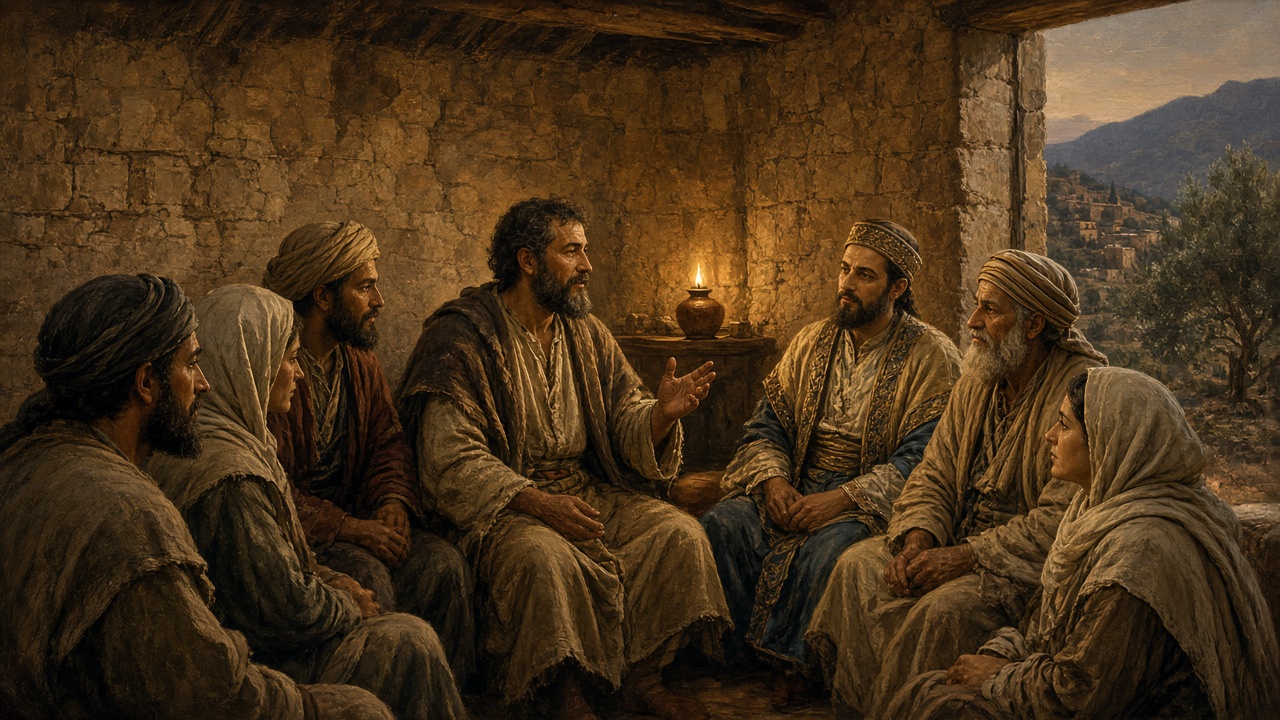
Você sabia?
Dons espirituais e um só corpo
- O capítulo começa lembrando que os leitores, quando eram pagãos, eram levados a ídolos mudos. Em seguida, estabelece um critério para o que se diz de Jesus: ninguém que fala pelo Espírito de Deus amaldiçoa Jesus, e ninguém pode confessar que Jesus é Senhor senão pelo Espírito Santo.Fontes: o próprio texto bíblico
- Os dons, os ministérios e os modos de agir são diferentes, mas vêm do mesmo Espírito, do mesmo Senhor e do mesmo Deus, que realiza todas as coisas em todas as pessoas. A manifestação do Espírito é dada a cada um para o bem comum, e o único Espírito as distribui — entre elas sabedoria, conhecimento, fé, curas, milagres, profecia, discernimento de espíritos, variedade de línguas e interpretação — como ele determina. As perguntas do final dizem o mesmo: nem todos são apóstolos, profetas ou mestres, e nem todos falam em línguas ou as interpretam.Fontes: o próprio texto bíblico
- Os muitos membros são comparados a um só corpo, e o mesmo se diz de Cristo. Em um só Espírito todos foram batizados nesse único corpo, judeus ou gregos, escravos ou livres, e a todos foi dado beber de um só Espírito. As partes que parecem mais fracas são chamadas indispensáveis, e às consideradas menos honrosas é dada maior honra, para que não haja divisão e os membros sofram e se alegrem juntos.Fontes: o próprio texto bíblico
Notas escritas com auxílio de IA a partir de fontes abertas (Theographic Bible Metadata, CC BY-SA 4.0; Easton’s Bible Dictionary, domínio público) e revisadas antes de publicar.
Créditos e licença desta tradução
I 'utz laj tzij re i dios
New Testament in Achi (I 'utz laj tzij re i dios)
copyright © 2009 Wycliffe Bible Translators, Inc.
Language: Achi
Dialect: Cubulco
Translation by: Wycliffe Bible Translators, Inc.
Achi, Cubulco
Achi' is a Mayan language very
closely related to K'iche' (Quiché in the older orthography). It is spoken by the
Achi people, primarily in the area of Baja Verapaz in Guatemala. There are two Achi'
dialects. Cubulco Achi' is spoken by approximately 48,000 people in the Cubulco area
west of Rabinal area. Rabinal Achi' is spoken by approximately 37,000 people in the
Rabinal area.
El Nuevo Testamento
en el idioma Achí de Cubulco de
Guatemala
Ediciones anteriores
Segunda edición
©2009, Wycliffe Bible
Translators
Primera edición
Publicado por
©1984, Sociedad Bíblica
Internacional
Copyright Information
© 2009, Wycliffe Inc. All rights reserved.
This translation text is made available to you under the terms of the Creative
Commons License: Attribution-Noncommercial-No Derivative Works. ( http://creativecommons.org/licenses/by-nc-nd/3.0/ ) In addition, you have
permission to port the text to different file formats, as long as you do not change
any of the text or punctuation of the Bible.
You may share, copy, distribute, transmit, and extract portions or quotations from
this work, provided that you include the above copyright information:
You must give Attribution to the work.
You do not sell this work for a profit.
You do not make any derivative works that change any of the actual words or
punctuation of the Scriptures.
Permissions beyond the scope of this license may be available if you contact us
with your request. If you want to revise a translation, use a translation in an
adaptation, or use a translation commercially, we will consider your request.
NT:segunda edición
The New Testament
in Achi
© 2009, Wycliffe Inc. All rights reserved.
This translation is made available to you under the terms of the
Creative Commons Attribution-Noncommercial-No Derivatives license 4.0.
You may share and redistribute this Bible translation or extracts from it in any format, provided that:
You include the above copyright and source information.
You do not sell this work for a profit.
You do not change any of the words or punctuation of the Scriptures.
Pictures included with Scriptures and other documents on this site are licensed just for use with those Scriptures and documents.
For other uses, please contact the respective copyright owners.
2013-01-05
Fonte: http://ebible.org/acr-acc/ · eBible.org