Jonás 2
Godna Hundi · Toca un versículo para ver sus referencias cruzadas.
Jona dé Gotré wakwexéké
1Jona xéri hamwina biyakombu reta dé déka Néma Du Gotka dé wa. 2Dé angi wa, “Néma Du Got, wuni némafwi xak héraata reta wuni ménika we. Wawuka méni wambula wuniré wa. Wuni hiyangambana téfambu géraata reta wuni ménika we. Gérawuka méni xéké.
3Méni wuniré guré méni yaki, andéla séké nyambaré. Guré yakiméka dé gu wuniré yakitéfi. Ména gu atéfék raama yae dé wuniré yakitéfi.
4Yakitéfindéka wuni wuna mawulimbu wuni wa, ‘Néma Du Got wuniré hérekindéka wuni ambu re. Reta wuni déka tempel wambula xétawuni.’ Wungi wuni wa.
5Gu wuniré yakitéfindéka wuni yanambi yike ye. Gu wuniré atéfék dé yakitéfi. Gumbu rekwa wara wuna anéngambambu dé gisangwandé.
6Wuni naande naande gumbu rekwa némbuna mombu wuni xaku. Wuni séndé ge maki hafwaré wuni naande yi. Nandiwuka méni Néma Du Got, wuna Néma Du Got, wuniré wambula héraméka wuni huli re.
7Némafwi Du, wuni angi wuni saréké, ‘Hiyatawuni.’ Saréka wuni ménika saréké. Saréka wuni méniré wawuka méni ména yikafre male némafwi gembu reta méni wuna hundi xéké.
8Yénataka gotna xi harékékwa du di ména yikafre sémbut wundé yatakanda. 9Yatakandaka wuni gwar waata wuni ména xi haréké. Harékéta wuni wuna jondu ménika hwetawuni. Wawunéngala hurutawuni. Néma Du Got méni natafa male naniré wambula héraméka nani huli té.”
10Wungi wandéka dé Néma Du Got xéri hamwika wandéka hari dé xéri tufwambu Jonaré gwiyataka.
¿Sabías que…?
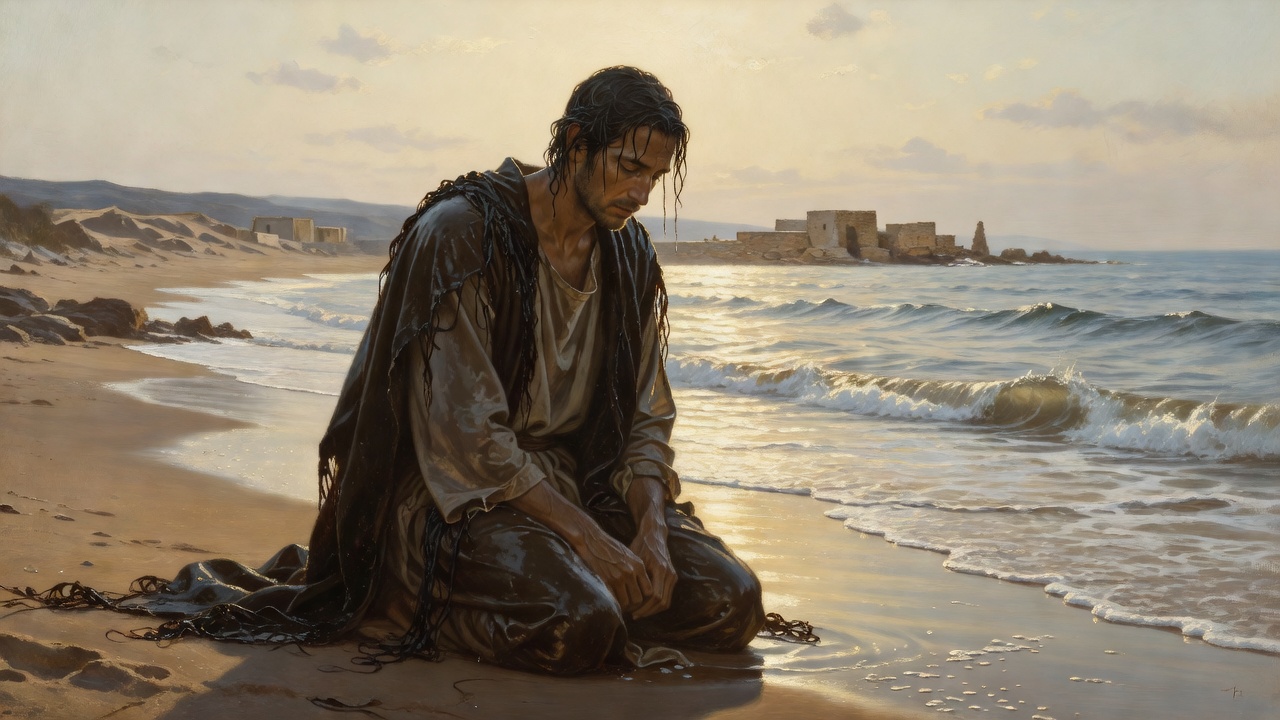
La oración y liberación de Jonás
- La oración de Jonás utiliza imágenes poéticas para describir su experiencia cercana a la muerte, retratando las profundidades marinas como el 'vientre del Seol', donde descendió hasta los 'cimientos de los montes' con algas enredadas en su cabeza.Fuentes: el propio texto bíblico
- Incluso estando sumergido en las profundidades dentro del pez, Jonás dirige sus pensamientos hacia el santo templo de Dios, prometiendo cumplir sus votos y ofrecer sacrificios de alabanza.Fuentes: el propio texto bíblico
- Según los registros bíblicos, el profeta Jonás era hijo de Amitai, natural de Gat-hefer, y ejerció su ministerio durante el reinado de Jeroboam II en Israel.Fuentes: Jonah
Notas escritas con ayuda de IA a partir de fuentes abiertas (Theographic Bible Metadata, CC BY-SA 4.0; Easton’s Bible Dictionary, dominio público) y revisadas antes de publicarse.
Créditos y licencia de esta traducción
Godna Hundi
The New Testament and Jonah in the Hanga Hundi language of Papua New Guinea
Nupela Testamen na Jona long tokples Hanga Hundi long Niugini
copyright © 1997 Wycliffe Bible Translators, Inc.
Language: Hanga Hundi
Translation by: Wycliffe Bible Translators
This translation is made available to you under the terms of the
Creative Commons Attribution-Noncommercial-No Derivatives license 4.0.
You may share and redistribute this Bible translation or extracts from it in any format, provided that:
You include the above copyright and source information.
You do not sell this work for a profit.
You do not change any of the words or punctuation of the Scriptures.
Pictures included with Scriptures and other documents on this site are licensed just for use with those Scriptures and documents.
For other uses, please contact the respective copyright owners.
2013-02-02
Fuente: http://png.bible/wos/ · eBible.org