Romanos 16
Tupã Je'ẽha · Toca un versículo para ver sus referencias cruzadas.
Katuha ke Páu mondo
1Sembe rehe har ihẽ apandu pehẽ pe apo 'y. Jesu kotyhar ke a'e tĩ. Kũjã katu ame'ẽ ke a'e. Senkeréi ok ta rehe Jesu kotyhar tama'e jy'ariha renda ihĩ. Ame'ẽ pe paraky ame'ẽ ke a'e. 2Jandema'e sawa'e te kotyhar ke a'e. A'erehe pehẽ rehe uhyk rahã, ipo ke pepyhyk pyhyk katu ingi. Pehẽ rok pe pemupyta katu tĩ. Tupã kotyhar ta aja riki. Apo ima'e ym te rahã, peme'ẽ katu ipe, Sembe pe. Yman heta amõ ta rehe a'e kyty'ỹ ym. Ihẽ rehe aja tĩ. A'erehe apo ima'e ym te rahã, peme'ẽ katu ipe tĩ, Sembe pe.
3Pirisi pe katuha ke ihẽ amondo axo. Ak pe aja tĩ. Pirisi sawa'e a'e. Ihẽ namõ Tupã je'ẽha ke a'eta pandu pandu tĩ. Jesu Kirisutuma'e parakyha ta ke a'eta tĩ. 4Ihẽ ke amõ ta tate jukwa rahã, ihẽ namõ a'eta ixo katu te. A'erehe a'eta ke amõ ta tate jukwa tĩ. Ihẽ namõ pyta, a'erehe Ak ta pe: “Katu tiki. Pehẽ katu” aja ihẽ apandu. Ihẽ jõ ym apandu. Upa amõ Jesu kotyhar ta aja tĩ. Pandu tĩ. Jundéu awa aja ym ame'ẽ ta ke a'eta. Ame'ẽ ta Ak ta pe pandu tĩ: “Katu tiki. Pehẽ katu” aja. 5Ak ta rok pe Jesu kotyhar ta jy'ar jy'ar. Ame'ẽ ta pe katuha ke ihẽ amondo axo tĩ.
Epe pe katuha ihẽ amondo axo tĩ. Ihẽ rehe katu ame'ẽ ke a'e. Ihẽ apy'a katu ehe ame'ẽ ke a'e. Asia ywy rehe a'e riki Kirisutu rehe jurujar katu py. 6Mari pe katuha ke ihẽ amondo axo tĩ. Pehẽ pe a'e paraky hũ. 7Ando pe katuha ihẽ amondo axo tĩ. Juni pe aja tĩ. Ihẽ aja jundéu awa ta ke a'eta tĩ. Kyndaha pe ihẽ axo rahã, ihẽ namõ a'eta ixo tĩ. Kirisutu rehe ihẽ ajurujar ym we rĩ. A'eta jurujar katu ehe. A'eta rehe har Jesu mondo ame'ẽ ta ukwa katu.
8Ampiri pe katuha ke ihẽ amondo axo tĩ. Ihẽ rehe katu ame'ẽ ke a'e. Ihẽ apy'a katu ehe ame'ẽ ke a'e. Jandema'e sawa'e te kotyhar ke a'e tĩ. 9Umba pe katuha ke ihẽ amondo axo tĩ. Jande aja Tupã je'ẽha ke a'e pandu pandu tĩ. Kirisutuma'e parakyha ke a'e tĩ. Eta pe katuha ke ihẽ amondo axo tĩ. Ihẽ rehe katu ame'ẽ ke a'e. Ihẽ apy'a katu ehe ame'ẽ ke a'e. 10Ape pe katuha ke ihẽ amondo axo tĩ. A'e ke amõ ta mupyrara rahã, Kirisutu rehe jurujar katuha ke hijar ym. Tapijar te'e we jurujar katu ehe. Arito rok wyr pe ixo ame'ẽ ta pe katuha ke ihẽ amondo axo tĩ. 11Eroniã pe katuha ke ihẽ amondo axo tĩ. Ihẽ aja jundéu awa ke a'e tĩ. Nasi rok wyr pe har ta pe katuha ke ihẽ amondo axo tĩ. Jande aja ame'ẽ ta Kirisutu rehe jurujar katu tĩ.
12Tise pe katuha ke ihẽ amondo axo tĩ. Tipo pe aja tĩ. Katuha ke amondo axo tĩ. Kũjã ta ke a'eta. Jandema'e sawa'e tema'e parakyha ke a'eta ma'ema'e katu. Pesi pe katuha ke ihẽ amondo axo tĩ. Ihẽ rehe katu ame'ẽ ke a'e. Ihẽ apy'a katu ehe ame'ẽ ke a'e. Jandema'e sawa'e te parakyha ke a'e ma'ema'e hũ. 13Hu pe katuha ke ihẽ amondo axo tĩ. Amõ ta 'ar koty te we jandema'e sawa'e tema'e parakyha ke a'e ma'ema'e katu. Imãi pe katuha ke ihẽ amondo axo tĩ. Ihẽ mãi aja ihẽ rehe a'e haihu katu tĩ. 14Asĩ pe katuha ke ihẽ amondo axo tĩ. Sengõ pe aja tĩ. Eme pe aja tĩ. Pato pe aja tĩ. Ema pe aja tĩ. Katuha ke amondo axo tĩ. A'eta namõ amõ Jesu kotyhar ta ixo. Upa ame'ẽ ta pe katuha ke ihẽ amondo axo tĩ. 15Siro pe katuha ke ihẽ amondo axo tĩ. Juri pe aja tĩ. Nere pe aja tĩ. Nere rendyr pe aja tĩ. Orin pe aja tĩ. Upa ame'ẽ ta namõ Tupã kotyhar ta ixo. Upa ame'ẽ ta pe katuha ke ihẽ amondo axo tĩ.
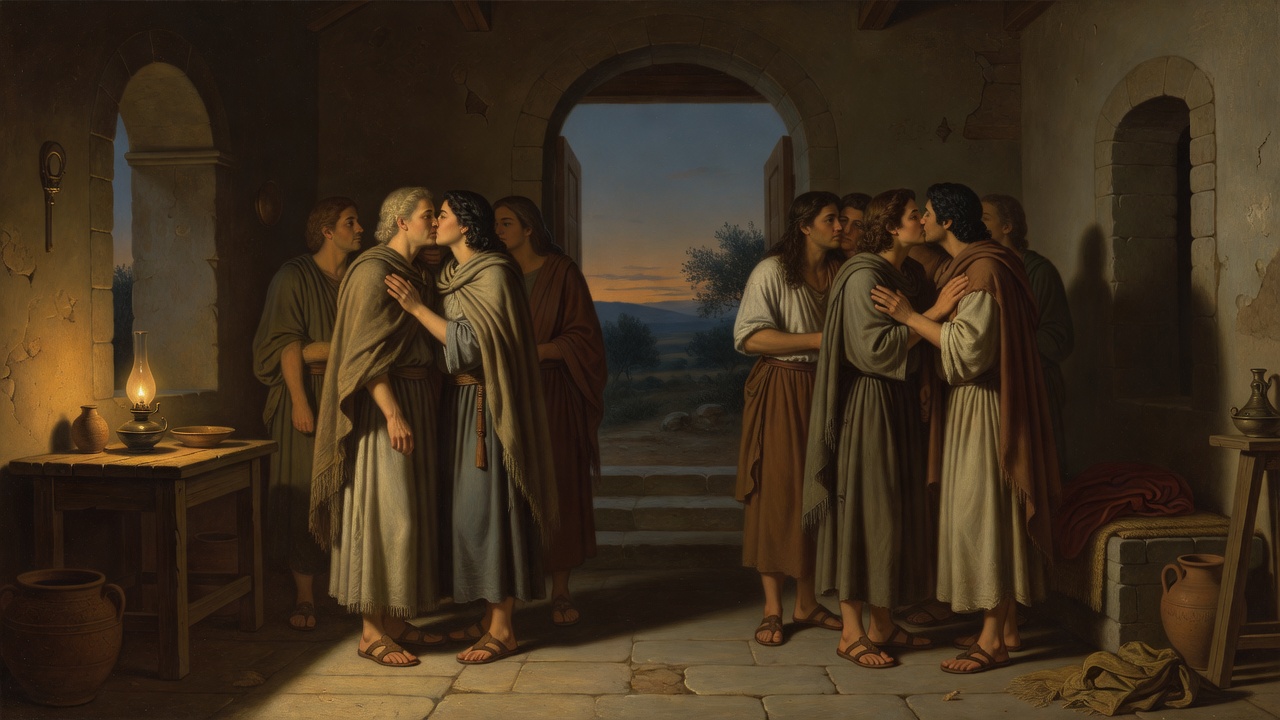
16Pehẽ pejuman juman pehẽ juehe. (Aja pehẽ pepy'a katu pehẽ juehe pexo, aja pemujekwa katu.) Kirisutu kotyhar ta se ixo. Amõ amõ renda pe ixo. Upa ame'ẽ ta pehẽ pe katuha ke mondo ixo tĩ. Hom ok ta pe har ta ke pehẽ.
A'ejõhar je'ẽha ke
17Ihẽ mu ta! Apandu katu pehẽ pe. Amõ koty koty ngã ke mujy'ar ame'ẽ ta rehe pesak katu. Amõ koty koty jy'ar rahã, ame'ẽ ta je'ẽ je'ẽ ngã jupe. Katu ym aja. Ame'ẽ ta aja pexo ym tĩ. Ame'ẽ ta riki amõ koty mu'e. A'erehe jurujar katuha ke amõ ta hijar. Katu ym aja. Pehẽ ke amõ ta mu'e, ame'ẽ riki katu ym, aja a'eta pandu naĩ. Mã! Ame'ẽ ta namõ pexo ym pehẽ. 18Ame'ẽ ta riki Kirisutu, jandema'e sawa'e tema'e parakyha ke ma'ema'e ym. Myja me'ẽ a'eta jumuhury ngã juehe my? Ame'ẽ jõ a'eta ma'ema'e. Panduha katu ame'ẽ ke a'eta pandu pandu. Mã! Pandu katu te hũ tĩ. Aja amõ ta ke a'eta muka'u te'e. Ame'ẽ ta muka'u tar katu, aja ukwa ym ame'ẽ ta ke a'eta muka'u te'e riki. 19Pehẽ anĩ. Myrandu katu rehe tapijar te'e we pejurujar katu, aja amõ amõ rekoha pe har ta hendu. A'erehe pehẽ rehe ihẽ rury katu. Ma'e katu ame'ẽ ke pekwa katu te, aja ihẽ aputar. Ma'e ka'u te'eha ma'ema'eha ke pehẽ py'a pe pekwa pekwa ym pexo. 20Tupã riki jande py'a ke muhury katu ame'ẽ ke a'e. Pahar Satana ke a'e riki muputu'u ta. Aja rahã, pehẽ ke a'e muka'u ym te ta.
Mã peja pehẽ rehe Jesu, jandema'e sawa'e te ipy'a katu.
Katuha ke amõ ta mondo tĩ
21Pehẽ pe katuha ke Timo mondo ixo tĩ. Ihẽ namõ Tupã je'ẽha ke a'e pandu pandu tĩ. Pehẽ pe katuha ke Rusi mondo ixo tĩ. Jasã aja tĩ. Mondo ixo tĩ. Sosi aja tĩ. Katuha ke mondo ixo tĩ. Ame'ẽ mahapyr jundéu awa ta ke tĩ.
22Ihẽ Tesi. Páu pandu ame'ẽ ke kome'ẽ paper rehe ihẽ riki amupinim aĩ. Jesu kotyhar ke ihẽ tĩ. Pehẽ pe katuha ke ihẽ amondo axo tĩ.
23Pehẽ pe katuha ke Ngái mondo ixo tĩ. Hok pe ko ihẽ axo. Ihẽ Páu. Ngái rok wyr pe Jesu kotyhar ta jy'ar jy'ar tĩ. Pehẽ pe katuha ke Era mondo ixo tĩ. Se Korin ok tama'e tamatarer ke a'e riki matyr matyr. Me'ẽ me'ẽ tĩ. Pehẽ pe katuha ke Kwar mondo ixo tĩ. Jesu kotyhar ke a'e tĩ. 24[Mã peja johu pehẽ rehe Jesu Kirisutu, jandema'e sawa'e te ipy'a katu. A'e tỹ. Amen.]
“Nde jõ riki katu te me'ẽ ke” aja Tupã pe Páu pandu
25Tupã pe mã peja japandu: “Ne jõ riki katu te me'ẽ ke” aja. Myrandu katu ke ihẽ apandu rahã, Jesu Kirisutu rehe har ihẽ apandu pandu. Kuja ihẽ amujekwa. Pehẽ py'a ke Tupã mãtã katu, aja rahã, pejurujar katuha ke pehijar ym ta. Yman te myrandu katu ame'ẽ jetehar te ke Tupã mujekwa ym. 26Apo anĩ. Ame'ẽ jetehar te ke a'e mujekwa katu ngã pe 'y. Tupã je'ẽha rehe ame'ẽ rehe har Tupã je'ẽha pandu ame'ẽ ta mupinim. Amõ we tĩ. Tupã mujekwa tĩ: “Pemujekwa peho” aja jande pe. Uhã te hũ ame'ẽ ke a'e. Pe, upa awa ta pe Jesu kotyhar ta pandu pandu oho. Aja rahã, hendu ame'ẽ ta putar rahã, Kirisutu rehe jurujar katu ta tĩ. Je'ẽha rehe hendu katu ta tĩ.
27Tupã jõ riki ukwa katu te ame'ẽ ke a'e. Jande jaka'u te'eha jama'ema'eha ke rehe Jesu Kirisutu muhepy. A'erehe manõ. A'erehe mã peja Tupã pe japandu: “Ne jõ riki katu te ame'ẽ ke a'e” aja. Aja te'e ta japandu. A'e tỹ. Amen.
Upa.
¿Sabías que…?
Saludos a la iglesia en Roma
- Pablo recomienda a Febe, sierva de la iglesia en Cencrea, y pide a los destinatarios en Roma que la reciban bien y la ayuden en lo que necesite, porque ha sido de gran ayuda para mucha gente, incluido él. Cencrea era el puerto oriental de Corinto, a unas nueve millas al este de la ciudad y la salida de su comercio con las costas asiáticas del Mediterráneo; el Easton's Bible Dictionary (1897) dice que ella probablemente fue quien llevó esta carta.Fuentes: el propio texto bíblico · Phebe · Cenchreae
- Pablo saluda a Prisca y a Aquila, sus colaboradores en Cristo Jesús, que arriesgaron la vida por él, y también a la iglesia que se reúne en su casa; dice que no solo él, sino todas las iglesias de los gentiles les están agradecidas. El Easton's Bible Dictionary (1897) la llama Priscila y describe a Aquila como fabricante de tiendas, natural del Ponto, que con su esposa dejó Roma a causa de un decreto de Claudio, en el año 50 d. C., que ordenaba a todos los judíos salir de la ciudad; el nombre de ella a veces aparece antes que el de él, como aquí.Fuentes: el propio texto bíblico · Priscilla · Aquila
- Cerca del final, Tercio, quien puso la carta por escrito, añade su propio saludo. Gayo, que ha hospedado a Pablo y a toda la iglesia, también envía saludos, al igual que Erasto, el tesorero de la ciudad, y Cuarto.Fuentes: el propio texto bíblico
Notas escritas con ayuda de IA a partir de fuentes abiertas (Theographic Bible Metadata, CC BY-SA 4.0; Easton’s Bible Dictionary, dominio público) y revisadas antes de publicarse.
Lugares de este capítulo
Solo aparecen lugares identificados con alta confianza (90 % o más según las fuentes académicas reunidas por OpenBible). Mapa de la época: DARE (Digital Atlas of the Roman Empire), CC BY 4.0; mapa actual: © colaboradores de OpenStreetMap; lugares: OpenBible.info (CC BY 4.0).
Créditos y licencia de esta traducción
Tupã Je'ẽha
New Testament in Kaapor (BR:urb:Kaapor)
copyright © 2012 Wycliffe Bible Translators, Inc.
Language: Kaapor
Translation by: Wycliffe Bible Translators, Inc.
Copyright Information
© 2012, Wycliffe Bible Translators, Inc. All rights reserved.
This translation text is made available to you under the
terms of the Creative Commons License: Attribution-Noncommercial-No Derivative Works.
( http://creativecommons.org/licenses/by-nc-nd/3.0/ )
In addition, you have permission to port the text to different file formats, as long as you
do not change any of the text or punctuation of the Bible.
You may share, copy, distribute, transmit, and extract portions
or quotations from this work, provided that you include the above copyright
information:
You must give Attribution to the work.
You do not sell this work for a profit.
You do not make any derivative works that change any of the actual words or punctuation of the Scriptures.
Permissions beyond the scope of this license may be
available if you contact
us with your request.
The New Testament
in Kaapor
© 2012, Wycliffe Bible Translators, Inc. All rights reserved.
This translation is made available to you under the terms of the
Creative Commons Attribution-Noncommercial-No Derivatives license 4.0.
You may share and redistribute this Bible translation or extracts from it in any format, provided that:
You include the above copyright and source information.
You do not sell this work for a profit.
You do not change any of the words or punctuation of the Scriptures.
Pictures included with Scriptures and other documents on this site are licensed just for use with those Scriptures and documents.
For other uses, please contact the respective copyright owners.
2014-04-27
Fuente: http://ebible.org/urbNT/ · eBible.org