Mateo 8
Tupã Je'ẽha · Toca un versículo para ver sus referencias cruzadas.
Ahy ixo ame'ẽ ke Jesu mukatu
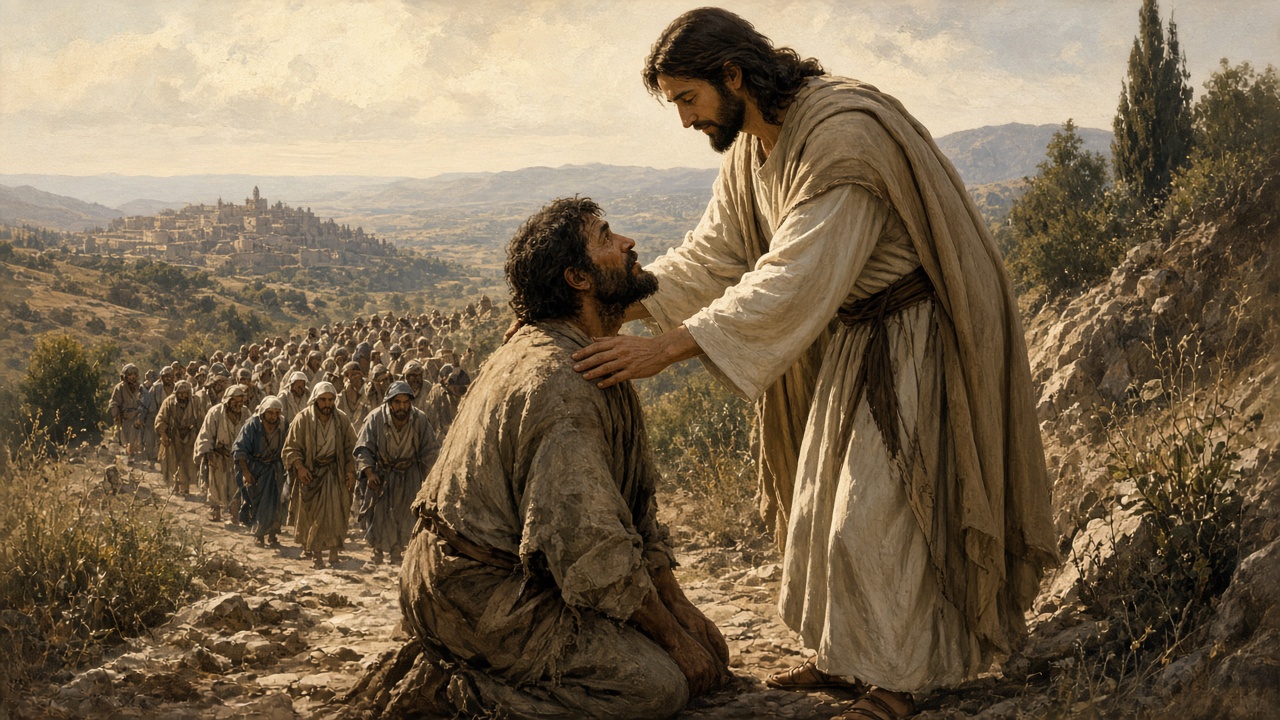
1Upa mu'e rahã, ywy'ã ngi Jesu wyjy uwyr. Arahã, heta ngã haikwer rupi wata. 2Pe, pereran ma'e u'u hũ ame'ẽ ke uhyk uwyr ehe. Jesu ruwa koty ipynarãi pe wapyk oho. (Aja sawa'e katu te ame'ẽ ke kohĩ, a'erehe hendu katu ehe aja mujekwa.) Pe, pandu:
—Sa'e! Nde ereputar rahã, ihẽ ke nde eremukatu ta, aja akwa katu — aja Jesu pe.
3Ijywa ke Jesu mupuku. Pe, sawa'e ãkã rehe ipo ke a'e mujar. Pandu ipe:
—Ere. Nde ke ihẽ amukatu tar katu. Nde katu apo 'y — aja Jesu ipe.
Pe, pereran ma'e u'u hũ ame'ẽ ke pahar upa ka'ẽ oho ipe. 4Pe, Jesu pandu ipe:
—Ehendu katu. Nde ke ihẽ amukatu, ame'ẽ ke amõ ta pe epandu ym we rĩ. Pahar jundéu awa tama'e pa'i koty eho. Emujesak nde juehe har ipe. Pe, Moise mupinim, aja ma'e ke pa'i pe eme'ẽ. Ame'ẽ ke pa'i hapy ta Tupã pe. Upa ukwái ta. Aja rahã, upa nema'e pere ka'ẽ oho aja ngã pe a'e mujekwa ta — aja sawa'e pe.
Homa awama'e miasu ke Jesu mukatu
5Kapana'ũ ok ta pe Jesu uhyk oho rahã, homa awa usak ehe. Sonda tama'e kapitã ke a'e. Jesu pe a'e pandu:
—Sa'e! Ihẽma'e miasu ixyha pe túi. Ma'e ahy ipe. Wata ym tĩ. Emukatu ihẽ pe — aja ipe.
7Jesu pandu:
—Hã! Nde rok pe ihẽ amukatu ta aho — aja ipe.
8Kapitã pandu:
—Anĩ. Sa'e! Ihẽ rok pe nde erexe rahã, ihẽ ruxĩ riki. Jundéu awa ym ihẽ. A'erehe eho ym. Sengi epandu: “Epu'am!” Aja rahã, ihẽma'e miasu katu ta oho. 9Akwa katu ihẽ. Ihẽma'e kapitã je'ẽha rehe ihẽ ahendu katu tĩ. Pe, ihẽ je'ẽha rehe amõ sonda ta hendu katu tĩ. Kuja. Amõ pe ihẽ apandu: “Eho!” Pe, pahar a'e oho. Amõ pe ihẽ apandu: “Ejur se!” Pe, pahar a'e uwyr tĩ. Ihẽma'e miasu pe ihẽ apandu: “Ereparaky eho!” Pe, a'e paraky katu oho tĩ. Aja ihẽ je'ẽha rehe hendu katu. A'erehe nde erepandu rahã, ihẽma'e miasu katu ta, aja akwa katu — aja Jesu pe.
10Ame'ẽ ke rehe Jesu hendu rahã: “Mã! Katu” aja a'e ukwa. Pe, haikwer rupi tur ame'ẽ ta pe a'e pandu:
—Mã! Sonda tama'e kapitã jurujar katu te ihẽ rehe. Ko apandu pehẽ pe. Aja jundéu awa ta jurujar ym ihẽ rehe. Aja me'ẽ jurujar katu ame'ẽ ke ihẽ amahem ym. 11Ihẽ apandu. Tupã ixo ame'ẽ pe heta ngã oho ta tĩ. Warahy uhemiha koty ngi heta oho ta. Jundéu awa aja ym ame'ẽ ta oho ta tĩ. Amarã namõ hury katu ta ixo. Isak namõ aja tĩ. Hury katu ta ixo tĩ. Jako namõ aja tĩ. Hury katu ta ixo tĩ. Aja warahy u'ariha koty ngi heta oho ta tĩ. Jundéu awa aja ym ame'ẽ ta oho ta tĩ. 12Tupã ixo ame'ẽ pe Amarã namõ jundéu awa ta ixo ta tipe. Jurujar ym riki. A'erehe oho ym. Anĩ. Mupyraraha renda pe a'eta ke Tupã ombor ta. A'ep ahy hũ ta, a'erehe jixi'u hũ ta. Tupã rehe parahy hũ tĩ, a'erehe hái ke su'u su'u hũ — aja Jesu pandu.
13Pe, kapitã pe a'e pandu:
—Nde jõ nde rok pe ejywyr eho 'y! Ihẽ rehe nde erejurujar katu, a'erehe nde ereputar ame'ẽ ke ihẽ ama'e ta kỹ. Ne miasu upa ihẽ amukatu riki — aja ipe.
Arahã pahar kapitãma'e miasu katu oho.
Petu pen ke Jesu mukatu. Heta ahy ixo ame'ẽ ta ke mukatu tĩ.
14Petu rok pe Jesu uhyk oho rahã, Petu pen rehe a'e usak. Ixyha pe túi. Haku a'e. 15Ipo ke Jesu pyhyk. Pahar hakuha maha oho ipe. Pe, kũjã pu'am. Pe, a'eta mi'u ke Jesu ta pe a'e me'ẽ me'ẽ.
16Ame'ẽ pytun ramõ rahã, (jundéu awa tama'e putu'uha 'ar upa. A'erehe wata katu apo.) A'erehe ipy'a rehe ãjã ihĩ ame'ẽ ta ke ngã raho ipe. Heta te hũ raho ipe. Ame'ẽ ta ke Jesu mukatu. A'e pandu.
—Ehem eho ingi! — aja.
Aja mukatu. Upa katu te ma'e ahy ixo ame'ẽ ta ke a'e mukatu tĩ. 17Ngã ke a'e mukatu rahã, Isai pandu aja Jesu ma'ema'e. Isai riki ymanihar Tupã je'ẽha pandu ame'ẽ ke a'e. Yman kuja a'e mupinim:
“Jandema'e ahyha ke a'e jo'ok mondo. Jandema'e pyaiha ke mukanim tĩ” aja mupinim.
Ame'ẽ riki Jesu ma'ema'eha.
Jesu namõ amõ ta oho ta tipe
18Ixoty heta ngã jy'ar. Ame'ẽ rehe Jesu usak rahã, jumu'eha ta pe a'e pandu:
—Ypa ruwái koty jahorahã! — aja.
—Ere — aja jumu'eha ta.
19Pe, oho tate rahã, Moise je'ẽha mu'e ame'ẽ ke Jesu rehe uhyk uwyr. Pandu ipe:
—Sa'e! Ngã mu'eha nde. Ko ihẽ axo. Ne namõ ihẽ aho ta kỹ tĩ — aja Jesu pe.
20Jesu pandu ipe:
—Hokwar rupi ma'e so'o ukwer. Haity pe ma'ewyra ta ukwer tĩ. Ihẽ anĩ. Awa ihẽ tĩ. Tupã je'ẽha rupi ajur. Ihẽ akeriha renda nixói — aja ipe. (Aja rahã, inamõ oho rahã, ok nixói ta, aja mujekwa. Sawa'e jetehar te oho ta my, ame'ẽ ke Jesu manga, a'erehe aja pandu.)
21Pe, amõ jumu'eha pandu:
—Sa'e! Anĩ we rĩ. Ne namõ aho ym we ta rĩ. Ihẽ rok pe ajywyr we ta rĩ. Papa manõ rahã, ihẽ riki ajytym ta. Upa rahã, ne namõ ihẽ aho ta kỹ — aja Jesu pe.
22A'e pandu ipe:
—Anĩ. Ihẽ namõ eho apo 'y! Tupã rehe ipy'a ym ame'ẽ ta manõ, ame'ẽja saka. Ame'ẽ ta riki manõ te ame'ẽ ta ke jytym ta. Nde anĩ. Ihẽ namõ eho apo 'y — aja ipe.
Ywytu keruhũ ke Jesu muputu'u
23Jarusu keruhũ pe Jesu opor oho. Jumu'eha ta inamõ opor oho tĩ. 24Oho ixo rahã, pahar ywytu keruhũ ypa rupi peju uwyr. Pe, jarusu keruhũ pe y ke oho rãi. Amõ ta kyje riki. Jesu anĩ. A'e ukwer ou. 25Pe, ixoty jumu'eha ta oho. Pe, mupak. A'eta pandu ipe:
—Sawa'e! Jande jamanõ tate riki. Emukatu, aja rahã, jamanõ ym ta — aja ipe.
26Jesu pandu:
—Mã! Pekyje ym pe'am. Tupã rehe pejurujar katu ta me'ẽ te'e — aja.
Pe, a'e pu'am. Ywytu keruhũ pe a'e pandu:
—Mã peja eputu'u katu ihẽ pe! — aja.
Pe, ywytu keruhũ ke upa putu'u. Y kotok keruhũ pe a'e pandu tĩ:
—Mã peja ewapyk katu! — aja.
Pe, y kotok keruhũ ke wapyk katu. 27Jumu'eha ta jupandu a'eta jupe:
—Mã! Katu tiki! Pyrãtã te ame'ẽ ke kohĩ. Je'ẽha rehe ywytu keruhũ hendu katu! Y kotok keruhũ aja tĩ. Hendu katu tĩ. Mã! Myja me'ẽ sawa'e ko my? — aja a'eta jupe.
Amõ ta py'a rehe ãjã ihĩ ame'ẽ ta ke Jesu mukatu
28Ypa ruwái rehe Jesu uhyk oho rahã, Jera ywy pe uhyk oho. Jarusu keruhũ ngi uhem oho rahã, mokõi sawa'e ta uhyk uwyr ehe. Kangwerupa rupi har ta ke ame'ẽ ta. Itakwar rupi ixo ame'ẽ ta ke. Ame'ẽ sawa'e ta py'a rehe ãjã ta ihĩ. Parahy war ame'ẽ ta ke a'eta. A'erehe kangwerupa rape rupi wata ym awa. 29Jesu rehe ãjã ta usak rahã, pahar hãtã a'eta pandu:
—Jesu! Nde riki Tupã ra'yr! Jande pe ema'e ym ma'e ke. 'Ar rehe angaha uhyk ym we rĩ. A'erehe jande ke emupyrara ym we rĩ — aja Jesu pe pandu.
30Petete kure ta i'ãi. Heta te hũ i'ãi. Kãpĩ u'u ixo. 31A'erehe Jesu pe ãjã ta pandu:
—Jande ke nde eremuhem eremondo rahã, kure ta koty jande ke emondo — aja pandu.
32Ãjã ta pe Jesu pandu:
—Peho! — aja.
A'erehe sawa'e ta ngi ãjã ta uhem oho. Kure ta pe ixe oho. (Ka'u te'e hũ uwak.) Pe, upa katu te kure ta ujan oho. Upen te'e hũ ame'ẽ pe u'ar oho. Pe, ypa pe u'ar. Upa katu te y jukwa. 33Ame'ẽ ke kure usakiha ta usak rahã, ok ta pe ujan oho. Ok ta pe har ta pe upa pandu pandu. “Kure ta upa manõ. Amõ ta py'a rehe ãjã ihĩ ame'ẽ ta ke amõ sawa'e mukatu” aja riki pandu pandu. 34A'erehe upa ok ta pe har ta usak oho. Pe, Jesu rehe usak rahã, a'eta pandu:
—Jande ywy ngi eho! — aja Jesu pe.
(Pyrãtã te hũ ame'ẽ ke kohĩ, aja ukwa, a'erehe kyje ingi. Amõ we a'etama'e kanim ta, aja a'eta putar ym tĩ. A'erehe: “Eho” aja Jesu pe a'eta pandu.)
¿Sabías que…?
Curaciones, fe y el mar
- Capernaum, la ciudad a la que Jesús entra en este capítulo, era una ciudad de Galilea que no se menciona en el Antiguo Testamento. El Easton's Bible Dictionary (1897) dice que llegó a ser “su propia ciudad” después de que dejó Nazaret, e incluye la súplica del centurión y la curación en la casa de Pedro entre los hechos situados allí.Fuentes: Capernaum · el propio texto bíblico
- Jesús dice que muchos vendrán del oriente y del occidente para compartir el banquete con Abraham, Isaac y Jacob en el reino de los cielos. El Easton's Bible Dictionary (1897) presenta a Abraham como hijo de Taré y heredero de las promesas, a Isaac como el único hijo de Abraham con Sara, y a Jacob —también llamado Israel— como el hijo gemelo menor de Isaac y Rebeca.Fuentes: el propio texto bíblico · Abraham · Isaac · Jacob (Israel)
- Mateo presenta las curaciones de aquella noche como cumplimiento de lo dicho por medio del profeta Isaías: “Él tomó nuestras dolencias y cargó con nuestras enfermedades.” El Easton's Bible Dictionary (1897) identifica a Isaías como hijo de Amoz, que profetizó durante los reinados de Uzías, Jotam, Acaz y Ezequías.Fuentes: el propio texto bíblico · Isaiah
Notas escritas con ayuda de IA a partir de fuentes abiertas (Theographic Bible Metadata, CC BY-SA 4.0; Easton’s Bible Dictionary, dominio público) y revisadas antes de publicarse.
Lugares de este capítulo
- Gadara · Hoy: Umm Qais · 32.656, 35.679 · versículo 28
Solo aparecen lugares identificados con alta confianza (90 % o más según las fuentes académicas reunidas por OpenBible). Mapa de la época: DARE (Digital Atlas of the Roman Empire), CC BY 4.0; mapa actual: © colaboradores de OpenStreetMap; lugares: OpenBible.info (CC BY 4.0).
Créditos y licencia de esta traducción
Tupã Je'ẽha
New Testament in Kaapor (BR:urb:Kaapor)
copyright © 2012 Wycliffe Bible Translators, Inc.
Language: Kaapor
Translation by: Wycliffe Bible Translators, Inc.
Copyright Information
© 2012, Wycliffe Bible Translators, Inc. All rights reserved.
This translation text is made available to you under the
terms of the Creative Commons License: Attribution-Noncommercial-No Derivative Works.
( http://creativecommons.org/licenses/by-nc-nd/3.0/ )
In addition, you have permission to port the text to different file formats, as long as you
do not change any of the text or punctuation of the Bible.
You may share, copy, distribute, transmit, and extract portions
or quotations from this work, provided that you include the above copyright
information:
You must give Attribution to the work.
You do not sell this work for a profit.
You do not make any derivative works that change any of the actual words or punctuation of the Scriptures.
Permissions beyond the scope of this license may be
available if you contact
us with your request.
The New Testament
in Kaapor
© 2012, Wycliffe Bible Translators, Inc. All rights reserved.
This translation is made available to you under the terms of the
Creative Commons Attribution-Noncommercial-No Derivatives license 4.0.
You may share and redistribute this Bible translation or extracts from it in any format, provided that:
You include the above copyright and source information.
You do not sell this work for a profit.
You do not change any of the words or punctuation of the Scriptures.
Pictures included with Scriptures and other documents on this site are licensed just for use with those Scriptures and documents.
For other uses, please contact the respective copyright owners.
2014-04-27
Fuente: http://ebible.org/urbNT/ · eBible.org