Juan 12
Tupã Je'ẽha · Toca un versículo para ver sus referencias cruzadas.
Ma'e pihe katu ame'ẽ ke Jesu py rehe Mari jyhẽ
1Pasuko 'ar rehe uhyk ym we rĩ. Heta we ta ukwer rĩ. Kuja, awa po wajar peteĩ ukwer we ta rĩ. Pe, Mbeta ok ta pe Jesu oho. A'ep Rasaro ixo. Jesu mukwera ame'ẽ ke a'e. 2A'ep pe har ta imi'u moĩ ipe. Mar amõ moĩ moĩ ngã pe. Jesu namõ ma'e u'uha renda pe Rasaro wapyk uĩ. 3Pe, ita parasuku ra'yr ke Mari pyhyk. Ta'yr riki. Kuja meiju rit ihĩ. Ma'e jumupiheha ihĩ ipe. Her na. Hepy te hũ ame'ẽ ke. Ame'ẽ ke Jesu py rehe a'e jyhẽ. Pe, jutuwa pe juhyk. Upa hok wyr rupi piheha uhãi oho. 4Pe, jumu'eha ta ngi har amõ pandu. Jun Ikario ke. A'e riki Jesu ruwajan ta ke muhyk ta werur ehe. Ame'ẽ pandu:
5—Mã! Jumupiheha upa mujaxer. Ame'ẽ ke muhepy rahã, tamatarer pyhyk hũ ta tipe. Pe, ame'ẽ tamatarer ke ima'e ym te ame'ẽ ta pe me'ẽ me'ẽ katu. Aja rahã katu ta tipe — aja Jun pandu.
Jumupiheha hepy hũ. Kuja, 300 wera rahã, amõ paraky. Pe, ame'ẽ tamatarer pe ame'ẽ jumupiheha jo'ok katu. Hepy te hũ. 6Aja me'ẽ Jun pandu rahã, ima'e ym te ame'ẽ ta pe a'e me'ẽ tar katu. Anĩ. Aja ym. Mukanĩha a'e. A'e riki tamatarer ryru rahoha ke. Pe, ame'ẽ ngi a'e te'e jo'ok jo'ok. Pe, ima'e ke rehe jõ ma'e muhepy hepy. (Amõ we tamatarer hyru pe matyriha a'e putar, a'erehe kũjã rehe har je'ẽ je'ẽ a'e.) 7Pe, Jesu pandu:
—Mã peja Mari rehe har peje'ẽ je'ẽ ym. Ihẽ rete ke amõ ta mou ta raho. (Aja riki jundéu awa ta. Amõ manõ, pe, hete ke mupihe. Pe, mou.) Ihẽ ke mou ym we rĩ. Mou ta raho. Mou ym rahã we, ihẽ ke Mari mupihe. Mou apo, ame'ẽja saka. 8Ima'e ym te ame'ẽ ta pe tamatarer ke peme'ẽ me'ẽ tar katu rahã, pete'e ixo. Aja te'eha ixo. Ihẽ anĩ. Aja te'eha pehẽ namõ ihẽ axo ym ta, a'erehe kũjã ma'eha katu — aja ngã pe pandu.
Rasaro ke amõ ta jukwa tar katu tĩ
9Mbeta ok ta pe Jesu ixo, aja heta jundéu awa ta hendu. A'erehe a'eta oho ixoty. Jesu rehe a'eta usak oho. A'e ke rehe jõ ym. Rasaro rehe a'eta usak oho tĩ. Jesu mukwera ame'ẽ ke a'e. 10A'erehe heta jundéu awa ta jurujar katu ehe, Jesu rehe. A'erehe jundéu awa tama'e pa'ihu ta pandu pandu a'eta jupe: “Rasaro ke jajukwa jaho” aja a'eta jupe. Jesu rehe ngã jurujar katu rahã, jundéu awa tama'e kapitã ta koty ngi a'eta tyryk oho. (Jesu kotyhar wan ta.) A'erehe Jesu rehe jyty'ym, a'erehe Rasaro ke jukwa tar katu tĩ.
Jerusarẽ ok ta pe Jesu uhyk oho
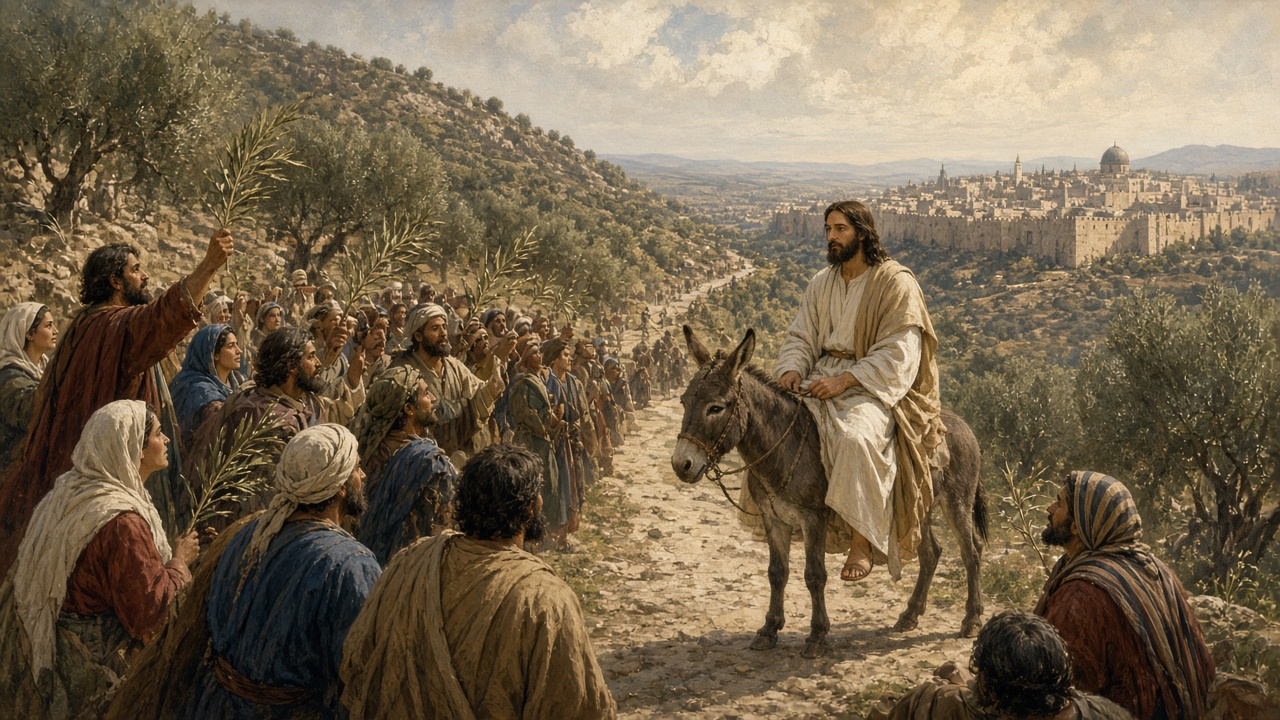
12Ame'ẽ ku'ẽ rahã, Jerusarẽ ok ta pe Jesu uwyr ixo, aja heta te hũ ngã hendu. Pasuko 'ar rahã, ngã mi'u matyriha rehe ngã uwyr. Jesu uwyr ta aja ngã hendu. 13A'erehe pindo ro aja me'ẽ ngã mondok. Ame'ẽ ke namõ Jesu rehe ngã usak oho. (Aja rahã, kapitã keruhũ jumai ym ha rupi kotur, aja mujekwa katu.) Hãtã pandu pandu oho:
—Tupã riki katu te me'ẽ ke. Sawa'e te je'ẽha rupi uwyr ame'ẽ ke nde. Mã peja Tupã usak katu nde rehe. Mã peja jundéu awa tama'e kapitã keruhũ rehe a'e usak katu tĩ — aja heta ngã pandu pandu.
14Pe, jumen ke Jesu mahem. Ame'ẽ 'ar pe a'e wapyk. Tupã paper rehe ymanihar panduha ihĩ, aja a'e oho. Kuja:
15“Siã ok ta pe har ta! Pekyje ym pehẽ!
Pehẽma'e kapitã keruhũ petur ixo apo 'y.
Jumen ra'yr 'ar pe uwyr ixo” aja Tupã je'ẽha rehe panduha ihĩ. (“Siã ok ta pe har ta” aja pandu rahã: “Jerusarẽ ok ta pe har ta” aja mujekwa.)
16Arahã ame'ẽ panduha ke jumu'eha ta ukwa ym. Ywa pe Jesu ke Tupã mujywyr raho rahã, ame'ẽ panduha ihĩ ame'ẽ ke ukwa ukwa ixo. Tupã je'ẽha rehe panduha ihĩ, aja a'eta ma'ema'e ipe. Ame'ẽ ke ukwa ukwa ixo tĩ.
17Itakwar keruhũ ngi Rasaro ke Jesu pukái. Pe, mukwera katu. Arahã Jesu namõ heta ngã ixo. Ame'ẽ ta mukweraha rehe usak. Ame'ẽ rehe har a'eta pandu pandu ngã pe. 18Ame'ẽ ke rehe ngã hendu. Marã ka ym amõ ma'eha, ame'ẽ ke Jesu ma'e. Aja riki. A'erehe a'eta usak ehe oho, Jesu rehe. 19Pe, parise ta pandu pandu a'eta jupe:
—Pesarahã! Ixoty upa ngã oho rĩ. Katu ym jande pe. Marã ka ym ixoty ngã jy'ariha jamukanĩha! — aja a'eta jupe. (A'erehe jyty'ym ehe, Jesu rehe.)
Amõ awa ta Jesu rehe usak tar katu
20Ngã mi'u matyriha rehe amõ awa ta oho. Jundéu awa aja ym ame'ẽ ta ke. Ngere ywy pe har ta ke ame'ẽ ta. Tupã rehe ipy'a ke a'eta moĩ moĩ oho. Jerusarẽ ok ta pe moĩ moĩ oho. 21A'ep ame'ẽ ta Siri rehe usak rahã, pandu ipe:
—Sa'e! Jesu rehe jasak tar katu — aja ipe.
[Siri riki Mesái ok ta pe har kwe. Ame'ẽ ok ta Ngariréi ywy rehe ihĩ.] 22Pe, Siri Andere pe pandu oho. A'engi Jesu pe mokõihar ta pandu oho:
—Nde rehe amõ awa ta usak tar katu — aja.
23Pe, ngã pe Jesu pandu:
—Ihẽ katu te me'ẽ ke, aja Tupã mujekwa ta. (Ame'ẽ ke peme'ẽ amõ awa ta ukwa ta tĩ.) Ame'ẽ angaha ke rehe uhyk apo. Awa ihẽ tĩ. Tupã je'ẽha rupi ajur. 24Ko ihẽ apandu pehẽ pe. Ahúi aja me'ẽ ra'ĩ peteĩhar jõ ixo. Jytym ym rahã, peteĩhar jõ ixo. Jytym rahã, hywõi ta. I'a hũ ta. Aja ihẽ tĩ. Ihẽ ke amõ ta jukwa ta. Ihẽ rete mou ta raho. (Ha'ĩ jytym, ame'ẽja saka.) Pe, ihẽ akwera katu ta ahem. A'engi ihẽ rehe jurujar katu ta ngã. Pe, ihẽ kotyhar ta heta hũ ta. (I'a heta hũ, ame'ẽja saka.) 25Amõ pandu: “Jesu rehe ihẽ ajurujar katu, a'erehe amõ ta ihẽ ke jukwa tar katu. Anĩ. Amanõ tar ym. A'erehe ajurujar katuha ke ahijar ta” aja. Aja rahã, a'e te'e manõ ta kỹ. Tupã namõ ixo ym ta. Amõ pandu: “Kome'ẽ ywy keruhũ pe axo. Jesu rehe ajurujar katu, a'erehe ihẽ ke amõ ta jukwa tar katu. Jesu putar rahã, ihẽ amanõ ta. Ihẽ ajurujar katuha ke ahijar ym ta” aja. Aja rahã, Tupã namõ a'e ixo katu ta. 26Ihẽma'e miasu aja amõ ixo tar katu rahã, mã peja ihẽ apandu ame'ẽ ke ema'ema'e katu. Pe, ihẽ axo ame'ẽ pe ihẽma'e miasu ta ixo ta tĩ. Ihẽ apandu ame'ẽ ke amõ ma'ema'e rahã: “A'e katu te ame'ẽ ke a'e” aja ihẽ pái keruhũ pandu ta — aja Jesu pandu.
Manõ ame'ẽ rehe har Jesu pandu
27A'e pandu tĩ:
—Apyai te ihẽ apo. Myja ta ihẽ apandu my? Kuja my: “Papa! Ihẽ apyraraha ngi ihẽ ke ejo'ok” aja my? Anĩ. Aja me'ẽ ihẽ apandu ym ta. Ihẽ apyraraha ihẽ apyhyk ta. A'erehe kome'ẽ ywy keruhũ pe ihẽ ajur. 28“Papa! Ihẽ apyrara ta axo. Ame'ẽ ke ngã ukwa rahã: ‘Tupã! Ne jõ riki katu te me'ẽ ke’ aja emupandu ngã ke” — aja ipái pe Jesu pandu.
Pejot ywa ngi panduha uwyr:
—“Ihẽ riki katu te me'ẽ ke” aja ngã ke ihẽ amupandu. (Aja rahã: “Ne jõ riki katu te me'ẽ ke” aja ihẽ rehe har ngã pandu ta.) Aja amõ we ihẽ amupandu ta tĩ — aja.
29A'ep heta ngã ixo. Ame'ẽ je'ẽha rehe ame'ẽ ta hendu rahã, pandu naĩ:
—Mã! Tupã tyapu hũ — aja.
Amõ ta pandu:
—Anĩ. Tupã je'ẽha rahoha pandu ipe — aja naĩ.
30Jesu pandu:
—Anĩ. Ihẽ pái pandu. Tupã pandu. Ihẽ ke a'e muhury tar katu, a'erehe aja me'ẽ a'e pandu my? Anĩ. Aja ym. Ihẽ ke a'e muwyr aja ihẽ rehe har pejurujar katu te we ta rĩ. A'erehe aja me'ẽ Tupã pandu. 31Apo Tupã rehe ipy'a ym ame'ẽ ta pe Tupã pandu ta: “Ma'e peka'u te'eha ke pema'e. Katu ym pehẽ” aja. Tupã rehe ipy'a ym ame'ẽ tama'e kapitã pehĩ. Satana a'e. (Ãjã ramũi a'e tĩ.) Ame'ẽma'e pyrãtãha ke Tupã muputu'u ta kỹ tĩ. 32Pe, ihẽ ke amõ ta mujar ta mu'am. Pe, heta kome'ẽ ywy keruhũ pe har ta ke ihẽ koty amujy'ar ta — aja Jesu pandu.
33[Aja me'ẽ a'e pandu rahã, myra ngã mupia ame'ẽ ke rehe a'e manõ ta, aja mujekwa ngã pe.] 34Pe, ngã pandu:
—Tupã je'ẽha rupi uwyr ame'ẽ ke uhã te hũ, aja Tupã je'ẽha rehe panduha ihĩ. Aja jande jakwa. Tupã je'ẽha rupi uwyr ame'ẽ ke myra ngã mupia ame'ẽ ke rehe manõ ta kỹ, aja nde erepandu tĩ. Kirisutu ke a'e. (Manõ ta ame'ẽ ke uhã te hũ aja saka.) Mã! Aja rahã, awa riki Tupã je'ẽha rupi uwyr ame'ẽ ke my? Jakwa ym — aja Jesu pe ngã pandu.
35A'e pandu:
—Weraha aja pehẽ namõ axo ta. Weraha aja ihẽ. (Aja rahã, amõ we mi Tupã rehe har ihẽ amu'e katu te we ta rĩ.) A'erehe ihẽ axo rahã, ehe har pejumu'e katu te we rĩ. Pe, pytuniha aja uwyr ta. (Aja rahã, ihẽ nixói ta. Aja rahã, amu'e ym ta tĩ.) Tupã rehe har ukwa ym rahã, myja katu ame'ẽ ke amõ ma'ema'e my? Ame'ẽ ke ukwa ym. Ixoha katu ym riki. 36Weraha aja ihẽ. Ihẽ axo rahã, Tupã rehe har ihẽ amu'e rĩ. Ame'ẽ rehe pejurujar katu. (Aja rahã, ihẽ kotyhar ta aja pexo ta.) Weraha aja pexo. (Aja rahã, Tupã rehe har pejumu'e ta rĩ) — aja Jesu pandu ngã pe.
Aja me'ẽ upa pandu rahã, a'e jumukanim oho ngã ngi. (Jundéu awa tamũi ta jukwa tar katu. Manõha angaha rehe uhyk ym we rĩ, a'erehe jumukanim oho.)
Jundéu awa ta jurujar tar ym ehe
37Jundéu awa tama'e kapitã ta ruwa koty marã ka ym amõ ma'eha, ame'ẽ ke Jesu ma'ema'e hũ tipe. A'eta jurujar ym ehe. 38Pe, yman Isai mupinim, aja me'ẽ uhyk. Isai riki ymanihar Tupã je'ẽha pandu ame'ẽ ke a'e. Kuja a'e mupinim:
“Tupã! Myrandu japandu, ame'ẽ ke rehe jurujar ym awa. Ngã pe nema'e pyrãtãha nde eremujesak. Nde rehe jurujar ym awa tĩ” aja Isai mupinim.
39Pe, jundéu awa ta jurujar ym ehe. Jesu rehe har amõ we Isai mupinim. Ame'ẽ pandu ame'ẽ ke rehe uhyk apo tĩ.
“Ngã ke Tupã muma'ã ym. Aja rahã, usak ym ma'e ke ngã.
Ngã ukwaha ke a'e mukanim tĩ. Aja rahã, ma'e ke ukwa ym ngã tĩ.
Ixoty ipy'a ke ngã muruwak ym mondo. A'erehe ame'ẽ ta ke Tupã muhã ym” aja Isai mupinim.
Ame'ẽ ke rehe uhyk apo tĩ. A'erehe jundéu awa ta jurujar ym ehe, Jesu rehe.
41Yman Jesu nixói rahã, Jesuma'e pyrãtãha rehe Isai usak, ame'ẽja saka. A'erehe aja me'ẽ a'e mupinim. Yman Tupã'ã mujekwa ame'ẽ ke Isai mupinim.
42Amõ ta anĩ. Heta jundéu awa tama'e kapitã ta jurujar katu ehe, Jesu rehe. Anĩ. Parise ta ngi ame'ẽ ta kyje. A'erehe ngã hetaha ta pe ame'ẽ ta pandu ym. Parise ta ukwa rahã, pandu ta: “Jy'ariha renda pe pejy'ar ym te ta apo 'y” aja. Ame'ẽ ke kapitã ta putar ym. Jy'ar katu te we ta rĩ, a'erehe: “Jesu rehe jajurujar katu” aja ngã hetaha ta pe ame'ẽ ta pandu ym. 43Ame'ẽ ta ma'e putar katu tĩ. “Mã! Pehẽ katu” aja sawa'e ta pandu. Ame'ẽ ke i'ar koty te we putar katuha. “Pehẽ katu” aja Tupã pandu, ame'ẽ ke putar we.
Jesu je'ẽha rupi Tupã pandu pandu ta ngã rehe har
44Ngã pe hãtã Jesu pandu:
—Ihẽ rehe amõ jurujar katu rahã, ihẽ rehe jõ jurujar katu. Anĩ. Ihẽ ke muwyr, ame'ẽ ke rehe a'e jurujar katu tĩ. 45Ihẽ rehe amõ usak rahã, ihẽ ke muwyr ame'ẽ ke rehe usak tĩ, ame'ẽja saka tĩ. 46Weraha aja ihẽ ajur. Kome'ẽ ywy keruhũ pe ihẽ ajur. (Aja rahã, Tupã rehe har ihẽ amujekwa ajur.) Pe, ihẽ rehe jurujar katu ame'ẽ ta pytuniha aja ixo ym. (“Tupã rehe har akwa ym” aja ixo ym ta.) 47Ihẽ apandu ame'ẽ ke rehe amõ hendu ym rahã, ehe har ihẽ apandu ym ta. “Ma'e nde ereka'u te'eha ke nde erema'ema'e” aja apandu ym ta. Ehe har aja me'ẽ ihẽ apandu ym ajur. Anĩ. Kuja riki. Ame'ẽ ta ke ihẽ amuhã katu ajur. 48Ihẽ ke amõ putar ym. Ihẽ apandu ame'ẽ ke rehe hendu ym tĩ. A'erehe 'ar rehe angaha uhyk rahã, Tupã pandu ta. “Ma'e nde ereka'u te'eha ke nde erema'ema'e. Katu ym nde” aja ta. 49Jete. Ihẽma'e akwa katuha jõ ihẽ apandu my? Anĩ. Aja ym. Ihẽ ke ihẽ pái keruhũ muwyr. “Ma'e ihẽ apandu ta my” ame'ẽ ke a'e riki mujekwa ihẽ pe. Ihẽ pe je'ẽha muwyr tĩ. 50A'e pandu ame'ẽ ke rehe amõ hendu katu rahã, ame'ẽ ke a'e muhã katu ta. Aja ihẽ akwa katu. A'erehe ihẽ pái keruhũ pandu ame'ẽ ke ihẽ apandu katu ngã pe tĩ — aja Jesu pandu.
¿Sabías que…?
La unción en Betania y la entrada en Jerusalén
- Betania, adonde Jesús llegó seis días antes de la Pascua, estaba a unas dos millas al este de Jerusalén, en la ladera sureste del monte de los Olivos, junto al camino a Jericó, y tomó su nombre de las palmeras que crecían allí. Era el hogar de Lázaro, a quien Jesús había resucitado de entre los muertos después de cuatro días en el sepulcro, y de sus hermanas Marta y María; los principales sacerdotes planearon matar también a Lázaro, porque por causa de él mucha gente estaba creyendo en Jesús.Fuentes: el propio texto bíblico · Bethany · Lazarus
- En una cena en la que Marta servía y Lázaro estaba reclinado a la mesa, María ungió los pies de Jesús con alrededor de una pinta de perfume costoso hecho de nardo puro y los secó con sus cabellos, de modo que la casa se llenó de la fragancia. Judas Iscariote, hijo de Simón, cuyo sobrenombre significa un hombre de Kerioth, preguntó por qué el perfume no se vendió por trescientos denarios para los pobres; era un ladrón que, como encargado de la bolsa, solía sacar de lo que se ponía en ella, y iba a traicionar a Jesús.Fuentes: el propio texto bíblico · Judas Iscariot · Simon
- Al día siguiente, la gran multitud que había venido para la fiesta tomó ramas de palma y salió al encuentro de Jesús, que venía a Jerusalén sentado en un burrito, gritando alabanza al Rey de Israel, como está escrito acerca de la Hija de Sion. Sion era la colina sureste de Jerusalén, donde David construyó una ciudadela y un palacio después de tomarla, de modo que llegó a ser la ciudad de David. Al principio sus discípulos no entendieron estas cosas, pero después de que Jesús fue glorificado recordaron que también habían sido escritas acerca de él.Fuentes: el propio texto bíblico · Zion
Notas escritas con ayuda de IA a partir de fuentes abiertas (Theographic Bible Metadata, CC BY-SA 4.0; Easton’s Bible Dictionary, dominio público) y revisadas antes de publicarse.
Lugares de este capítulo
- Jerusalem · 31.777, 35.234 · versículos 11, 12, 20
- Zion · Hoy: Jerusalem · 31.777, 35.234 · versículo 15
- Galilee · 32.760, 35.527 · versículo 21
Solo aparecen lugares identificados con alta confianza (90 % o más según las fuentes académicas reunidas por OpenBible). Mapa de la época: DARE (Digital Atlas of the Roman Empire), CC BY 4.0; mapa actual: © colaboradores de OpenStreetMap; lugares: OpenBible.info (CC BY 4.0).
Créditos y licencia de esta traducción
Tupã Je'ẽha
New Testament in Kaapor (BR:urb:Kaapor)
copyright © 2012 Wycliffe Bible Translators, Inc.
Language: Kaapor
Translation by: Wycliffe Bible Translators, Inc.
Copyright Information
© 2012, Wycliffe Bible Translators, Inc. All rights reserved.
This translation text is made available to you under the
terms of the Creative Commons License: Attribution-Noncommercial-No Derivative Works.
( http://creativecommons.org/licenses/by-nc-nd/3.0/ )
In addition, you have permission to port the text to different file formats, as long as you
do not change any of the text or punctuation of the Bible.
You may share, copy, distribute, transmit, and extract portions
or quotations from this work, provided that you include the above copyright
information:
You must give Attribution to the work.
You do not sell this work for a profit.
You do not make any derivative works that change any of the actual words or punctuation of the Scriptures.
Permissions beyond the scope of this license may be
available if you contact
us with your request.
The New Testament
in Kaapor
© 2012, Wycliffe Bible Translators, Inc. All rights reserved.
This translation is made available to you under the terms of the
Creative Commons Attribution-Noncommercial-No Derivatives license 4.0.
You may share and redistribute this Bible translation or extracts from it in any format, provided that:
You include the above copyright and source information.
You do not sell this work for a profit.
You do not change any of the words or punctuation of the Scriptures.
Pictures included with Scriptures and other documents on this site are licensed just for use with those Scriptures and documents.
For other uses, please contact the respective copyright owners.
2014-04-27
Fuente: http://ebible.org/urbNT/ · eBible.org