Hechos 6
Tupã Je'ẽha · Toca un versículo para ver sus referencias cruzadas.
Awa po wajar mokõi haihu katu ame'ẽ ta ke
1Arahã Jesu rehe amõ amõ heta jurujar katu. Jundéu awa ta ke ame'ẽ ta. Ame'ẽ ta ngi har amõ ta ngere awa ta je'ẽha ke pandu ame'ẽ ta ke tĩ. Amõ ta emberéu awa ta je'ẽha ke pandu ame'ẽ ta ke tĩ. Pe, ngere awa ta je'ẽha pandu ame'ẽ ta parahy. Emberéu awa ta je'ẽha ke pandu ame'ẽ ta rehe parahy. Kuja pandu:
—Emberéu awa ta je'ẽha ke pandu ame'ẽ ta kyty'ym jande rehe. Ixawa'e manõ ame'ẽ ta heta we ixo. Ame'ẽ ta ngi har emberéu awa ta je'ẽha ke pandu ame'ẽ ta pe me'ẽ me'ẽ katu ma'e ke. Ngere awa ta je'ẽha ke pandu ame'ẽ ta pe me'ẽ me'ẽ we mi ma'e ke. Katu ym aja. Juja ym me'ẽ me'ẽha — aja ngere awa ta je'ẽha ke pandu ame'ẽ ta je'ẽ je'ẽ hũ.
2Pe, upa katu te Jesu rehe jurujar katu ame'ẽ ta ke amõ ta mujy'ar. Jesu mondo ame'ẽ ta riki mujy'ar. Ame'ẽ ta ke awa py mokõi hetaha. Ngã pe a'eta pandu:
—Jande mu ta! Pehendu katurahã! Ngã mi'u ke jande jame'ẽ me'ẽ rahã, marã ka ym Tupã je'ẽha ke amõ ta pe jamu'eha rĩ. Ngã mi'u jame'ẽha rehe jõ jama'ema'e ja'am. Katu ym aja. Jesu rehe har amõ ta pe jamu'e ym rahã, katu ym. A'erehe amõ sawa'e ta rehe pesak katu. Ko ipy'a rehe Tupã'ã ihĩ katu ame'ẽ ta rehe pesak katu. Amõ we tĩ. Ukwa katu ame'ẽ ta rehe pesak katu tĩ. Amõ we tĩ. Sawa'e katu te ame'ẽ ta rehe pesak katu tĩ. Pehẽ ngi har awa po wajar mokõi sawa'e ta rehe pesak katu. Pe, ame'ẽ ta pe japandu ta: “Ngã mi'u ke peme'ẽ me'ẽ” aja. Jande anĩ. 4Tupã je'ẽha ke jamu'e ta ngã pe rĩ. Tupã namõ japandu pandu ta rĩ — aja Jesu mondo ame'ẽ ta pandu.
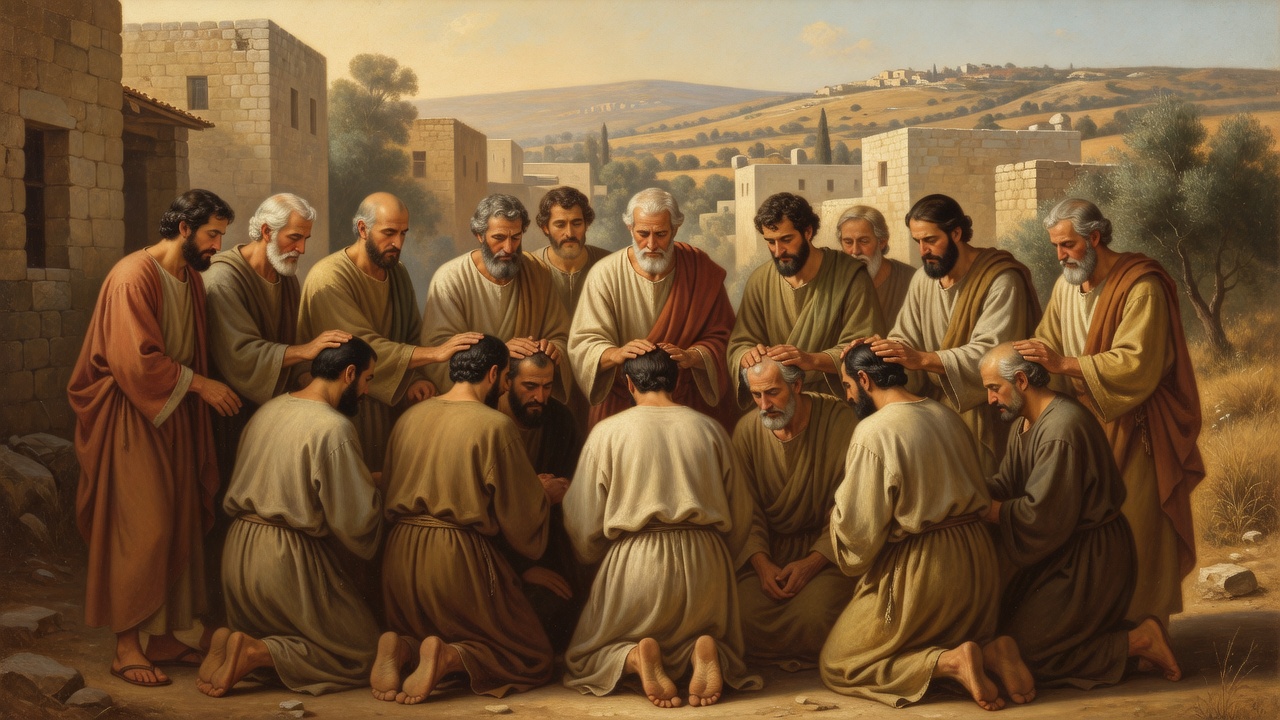
5Ame'ẽ je'ẽha rehe upa ngã hury katu, a'erehe ngã mi'u me'ẽha ta ke mu'am. Ko Esete ke ngã mu'am. Jesu rehe jurujar katu te ame'ẽ ke a'e. Ipy'a rehe Tupã'ã ihĩ katu ame'ẽ ke a'e tĩ. Amõ Siri ke ngã mu'am tĩ. Amõ Pok ke mu'am tĩ. Amõ Nikanor ke mu'am tĩ. Amõ Timã ke mu'am tĩ. Amõ Pame ke mu'am tĩ. Amõ Nikoráu ke mu'am tĩ. Amõ awa ke a'e. Jundéu awa ym a'e. Antioki ok ta pe har a'e. Yman jundéu awa tamũi ta ukwaha rehe a'e jurujar katu. Apo Jesu rehe jurujar katu tĩ. 6(Ame'ẽ awa po wajar mokõi sawa'e ta ngã mi'u ke me'ẽ me'ẽ ta.) Pe, ame'ẽ sawa'e ta ke Jesu mondo ame'ẽ ta ruwa koty ngã mupu'am. Pe, Tupã namõ pandu pandu. Ame'ẽ ta ãkã rehe a'eta po ke Jesu mondo ame'ẽ ta mujar. (Aja ngã mi'u ke me'ẽ me'ẽ ame'ẽ ta ke a'eta, aja ngã pe mujekwa.)
7Tupã je'ẽha rehe amõ amõ ta hendu katu te hũ. Jesu rehe amõ amõ Jerusarẽ ok ta pe har ta jurujar katu tĩ. Heta jundéu awa tama'e pa'i ta jurujar katu tĩ.
Esete ke amõ ta pyhyk
8Esete rehe Tupã usak katu te, a'erehe ahy ixo ame'ẽ ta ke Esete mukatu hũ. Tupãma'e pyrãtãha namõ mukatu hũ ngã ke. A'erehe ame'ẽ ke rehe ngã usak rahã, pandu: “Mã! Katu hũ!” aja pandu. 9Pe, inamõ amõ sawa'e ta je'ẽ hãtã tã hũ. Amõ koty jundéu awa tama'e jy'ariha renda ngi har ta ke a'eta. Henda rer: “Ngã poir ame'ẽ ta ke” aja ngã jupe. Syre ok ta ngi uwyr ame'ẽ ta ke a'eta tĩ. Arexandiri ok ta ngi uwyr ame'ẽ ta ke a'eta tĩ. Amõ ta Siri ywy ngi uwyr ame'ẽ ta ke amõ ta tĩ. Amõ ta Asia ywy ngi uwyr ame'ẽ ta ke amõ ta tĩ. Pe, Esete namõ a'eta je'ẽ hãtã tã hũ. 10Ukwa katuha ke Tupã'ã muwyr ipe, Esete pe. A'erehe marã ka ym Esete je'ẽha ke ame'ẽ ta mukanĩha. A'erehe jyty'ym ehe. 11A'erehe amõ sawa'e ta pe pandu:
—Esete rehe har te'e pepandu peho. Aja rahã, kome'ẽ tamatarer pehẽ pe jame'ẽ ta — aja ngã poir ame'ẽ ta pandu.
A'erehe sawa'e ta te'e pandu oho:
—“Moise katu ym. Je'ẽha rehe pehendu ym” aja Esete pandu ame'ẽ ke rehe jahendu. “Tupã katu ym. A'e je'ẽha rehe pehendu ym tĩ” aja Esete pandu ame'ẽ ke rehe jahendu tĩ — aja Esete rehe har te'e a'eta pandu.
12Ame'ẽ panduha namõ upa ngã ke sawa'e ta muparahy. Tamũi ta ke a'eta muparahy tĩ. Moise je'ẽha mu'e ame'ẽ ta ke a'eta muparahy tĩ. A'erehe johu ngã Esete koty oho. Pyhyk a'e ke. 13Pe, ngã panduha renda pe raho. Pe, Esete rehe har te'e pandu ame'ẽ ta ke a'eta werur tĩ. Te'eha ta pandu:
—Tupã rehe ngã jumu'eha renda keruhũ katu te, aja jande jakwa katu. Anĩ. “Jaxer te'e” aja Esete pandu. “Moise je'ẽha katu ym. Pehendu ym ehe” aja a'e pandu tĩ. 14Kuja a'e panduha rehe jahendu tĩ. Upa Tupã rehe ngã jumu'eha renda keruhũ ke Jesu mujaxer ta. Jesu riki Nasare ok ta pe har ke a'e. Upa Moise mu'e ame'ẽ ke amõ koty muruwak ta, aja Esete pandu. Ame'ẽ ke rehe jahendu tĩ — aja Esete rehe har te'e sawa'e ta pandu.
15Upa katu te ngã panduha renda pe wapyk uĩ ame'ẽ ta Esete ruwa rehe usak usak uĩ. Huwa ke hendy. Tupã je'ẽha rahoha ruwa aja hendy.
¿Sabías que…?
La Elección de los Siete y el Juicio de Esteban
- Surgieron tensiones entre los judíos de habla griega y los hebraicos por la distribución diaria de alimentos a las viudas, lo que llevó a los apóstoles a designar a siete hombres respetados para esta tarea. Notablemente, los siete nombrados—incluyendo a Nicolás, un prosélito de Antioquía—llevaban nombres griegos.Fuentes: el propio texto bíblico · Nicolas
- Judíos de distintas regiones del mundo romano contaban con sus propias sinagogas en Jerusalén, como la Sinagoga de los Libertos y reuniones para personas de Cirene, Alejandría, Cilicia y la provincia de Asia. Miembros de estos grupos regionales fueron los primeros en debatir formalmente con Esteban sobre sus enseñanzas.Fuentes: el propio texto bíblico · Cilicia · Asia
- Cuando los opositores no pudieron refutar los argumentos de Esteban, lo llevaron ante el Sanedrín acusándolo de hablar contra el templo y la ley de Moisés. Mientras los miembros del concilio lo observaban durante estas acusaciones, vieron que su rostro parecía el de un ángel.Fuentes: el propio texto bíblico · Stephen
Notas escritas con ayuda de IA a partir de fuentes abiertas (Theographic Bible Metadata, CC BY-SA 4.0; Easton’s Bible Dictionary, dominio público) y revisadas antes de publicarse.
Lugares de este capítulo
- Antioch · Hoy: Antioch on the Orontes · 36.227, 36.172 · versículo 5
- Jerusalem · 31.777, 35.234 · versículo 7
- Alexandria · 31.183, 29.896 · versículo 9
- Asia · 38.400, 28.300 · versículo 9
- Cilicia · 36.913, 34.892 · versículo 9
- Cyrene · 32.821, 21.851 · versículo 9
- Nazareth · 32.702, 35.298 · versículo 14
Solo aparecen lugares identificados con alta confianza (90 % o más según las fuentes académicas reunidas por OpenBible). Mapa de la época: DARE (Digital Atlas of the Roman Empire), CC BY 4.0; mapa actual: © colaboradores de OpenStreetMap; lugares: OpenBible.info (CC BY 4.0).
Créditos y licencia de esta traducción
Tupã Je'ẽha
New Testament in Kaapor (BR:urb:Kaapor)
copyright © 2012 Wycliffe Bible Translators, Inc.
Language: Kaapor
Translation by: Wycliffe Bible Translators, Inc.
Copyright Information
© 2012, Wycliffe Bible Translators, Inc. All rights reserved.
This translation text is made available to you under the
terms of the Creative Commons License: Attribution-Noncommercial-No Derivative Works.
( http://creativecommons.org/licenses/by-nc-nd/3.0/ )
In addition, you have permission to port the text to different file formats, as long as you
do not change any of the text or punctuation of the Bible.
You may share, copy, distribute, transmit, and extract portions
or quotations from this work, provided that you include the above copyright
information:
You must give Attribution to the work.
You do not sell this work for a profit.
You do not make any derivative works that change any of the actual words or punctuation of the Scriptures.
Permissions beyond the scope of this license may be
available if you contact
us with your request.
The New Testament
in Kaapor
© 2012, Wycliffe Bible Translators, Inc. All rights reserved.
This translation is made available to you under the terms of the
Creative Commons Attribution-Noncommercial-No Derivatives license 4.0.
You may share and redistribute this Bible translation or extracts from it in any format, provided that:
You include the above copyright and source information.
You do not sell this work for a profit.
You do not change any of the words or punctuation of the Scriptures.
Pictures included with Scriptures and other documents on this site are licensed just for use with those Scriptures and documents.
For other uses, please contact the respective copyright owners.
2014-04-27
Fuente: http://ebible.org/urbNT/ · eBible.org