2 Tesalonicenses 2
Tupã Je'ẽha · Toca un versículo para ver sus referencias cruzadas.
Sawa'e katu ym te ame'ẽ rehe har
1Jande mu ta! Pehendu katurahã! Jesu Kirisutu jywyriha rehe har pehẽ pe ihẽ apandu ta apo 'y. A'e riki jandema'e sawa'e te. Jande ke a'e mujy'ar ta ixoty. Ame'ẽ rehe har ihẽ apandu ta tĩ. 2“Jesu jywyriha upa asa oho apo 'y” aja pehẽ pe amõ ta pandu naĩ. Aja me'ẽ Tupã je'ẽha rupi pandu naĩ. Aja me'ẽ Tupã je'ẽha mu'eha pandu naĩ. Aja me'ẽ paper rehe jande jamupinim, aja amõ ta pandu naĩ. Mã pahar aja me'ẽ ke rehe peka'u te'e ym. Pejumupyai ym ehe tĩ.
Pehendu katurahã! Kuja ym rahã we, Jesu jywyriha uhyk ym ta rĩ. Kuja. Tupã rehe jurujar katuha ke amõ amõ ta hijar hũ ta. Sawa'e katu ym te ame'ẽ ke uwyr ta tĩ. A'e riki mupyraraha renda pe oho ta ame'ẽ ke a'e. 4(Upa ngã ipy'a moĩ moĩ ehe ame'ẽ ke a'e putar.) A'erehe upa katu te Tupã rehe ipy'a ke amõ moĩ moĩ katu. Ame'ẽ ke a'e putar ym. Upa katu te ma'e'ã riki tupã aja amõ ta ukwaha jupe, ame'ẽ ke a'e putar ym tĩ. (A'e ke rehe jõ ngã ipy'a moĩ moĩ, ame'ẽ ke a'e putar katu. Sawa'e katu ym te ame'ẽ ke putar katu.) “Ne jõ riki katu te me'ẽ ke” aja ngã panduha ke juehe har har sawa'e katu ym te ame'ẽ ke putar katu. Tupã rehe ngã jumu'eha renda keruhũ pe a'e wapyk ta oho tĩ. “Ihẽ riki tupã” aja sawa'e katu ym te ame'ẽ ke pandu ta naĩ tĩ. (A'e uhyk ym we rĩ. A'erehe Jesu jywyr ym we rĩ, aja jakwa katu.)
5Pehẽ namõ ihẽ axo rahã, upa katu te pehẽ pe ihẽ apandu. Jesu jywyriha rehe har ihẽ apandu. Ame'ẽ rehe har pekwa pekwa katu pexo. 6Pe, sawa'e katu ym te ame'ẽ uhykiha ke ma'e ke mupyta we rĩ. Ame'ẽ rehe har pekwa katu. Ima'e angaha ke rehe uhyk rahã, sawa'e katu ym te ame'ẽ ke uwyr ta. 7Amõ ukwa ym ha rupi ma'e katu ym te ame'ẽ ke a'e ma'ema'e we apo ixo rĩ. Pe, a'e uhyk ym te ta rĩ. A'e mupytaha ke Tupã mutyryk ym rahã, a'e uhyk ym te ta rĩ. 8A'e mupytaha ke Tupã mutyryk rahã, pe, sawa'e katu ym te ame'ẽ ke uwyr ta. Pe, je'ẽha rupi a'e ke Jesu jukwa ta. Jesu riki jandema'e sawa'e te. A'e jywyr rahã, pyrãtãha namõ a'e jywyr ta kỹ. Ame'ẽ namõ sawa'e katu ym te ame'ẽ ke a'e jukwa ta. (Ame'ẽ sawa'e katu ym te ame'ẽ uwyr ym we rĩ. A'erehe Jesu jywyr ym we rĩ, aja jakwa katu.)
9Satanama'e pyrãtãha namõ sawa'e katu ym te ame'ẽ ke uwyr ta. Marã ka ym ma'e ke amõ ma'eha, ame'ẽ ke pyrãtãha namõ a'e ma'ema'e hũ ta. Ame'ẽ rehe ngã usak rahã, pandu ta: “Mã! Katu hũ” aja pandu ta. Amõ amõ ma'e katu ame'ẽ ke a'e ma'ema'e hũ ta. Aja ngã ke a'e muka'u te'e hũ ta. 10Upa ma'e katu ym ame'ẽ ke a'e ma'ema'e ta. Pe, mupyraraha renda pe oho ta ame'ẽ ta ke a'e muka'u hũ ta. Tupã rehe har jetehar te amõ pandu. Ame'ẽ ke rehe a'eta ipy'a ym. Putar ym tĩ, a'erehe mupyraraha renda pe oho ta. Tupã rehe har jetehar te ke amõ pandu, ame'ẽ ke rehe a'eta ipy'a katu rahã, putar katu rahã, ame'ẽ ta ke Tupã muhã ta tipe. Anĩ. Putar ym. 11A'erehe te'eha namõ ma'e ke ma'ema'e. Ame'ẽ ke a'eta pe Tupã muwyr. A'erehe te'eha rehe ame'ẽ ta jurujar katu. 12Pe, upa katu te jetehar rehe jurujar ym ame'ẽ ta ke Tupã mupyrara hũ ta. Jetehar rehe jurujar ym. Pe, ma'e ka'u te'eha ke putar katu te. Ame'ẽ ta ke a'e mupyrara hũ ta tĩ.
Pehẽ ke Tupã muhã katu
13Jande mu ta! Pehẽ rehe jandema'e sawa'e te ipy'a katu. A'erehe pehẽ rehe har Tupã namõ japandu rahã: “Ne jõ riki katu te me'ẽ ke” aja japandu ipe. Aja te'eha japandu. Kome'ẽ ywy keruhũ nixói te rahã, pehẽ rehe har a'e pandu: “Ame'ẽ ta ke ihẽ aputar. Ihẽma'e wan ta” aja. A'erehe pehẽ ke a'e muhã katu. A'erehe I'ãma'e pyrãtãha namõ a'e mu'am: “Ko Tupã kotyhar ta ke” aja. Tupã rehe har jetehar japandu. Ame'ẽ rehe pejurujar katu. A'erehe ixotyhar ta ke pehẽ, aja a'e mu'am. 14Myrandu katu pehẽ pe japandu. Ame'ẽ rehe pejurujar katu, a'erehe pehẽ ke Tupã muhã katu. Tupã namõ Jesu Kirisutu ixo. Inamõ pexo ta tĩ. A'e riki jandema'e sawa'e te. A'e katuha namõ pexo katu ta. 15A'erehe pehẽ py'a ke pemãtã katu. Jetehar te ke pehẽ pe jande jamu'e. Ame'ẽ ke namõ pexo katu rĩ. Jetehar te ke japandu pehẽ pe. Ame'ẽ rehe har paper rehe jamupinim tĩ. Ame'ẽ ke jamondo pehẽ pe tĩ.
16Jande rehe Tupã ipy'a katu. Jande rehe a'e usak katu tĩ, a'erehe jande ke a'e muhury katu. Upa ym ame'ẽ ke. Jesu namõ jaxo ta, ame'ẽ ke jande pe a'e mujekwa tĩ. Katu ame'ẽ ke. Jesu Kirisutu riki jandema'e sawa'e te. Tupã riki jande pái keruhũ. Mã peja pehẽ py'a ke a'eta mãtã katu tĩ. Aja rahã, upa katu te ma'e katu ame'ẽ ke jõ pepandu ta. Katu ta pexoha tĩ.
¿Sabías que…?
El Día del Señor todavía no ha llegado
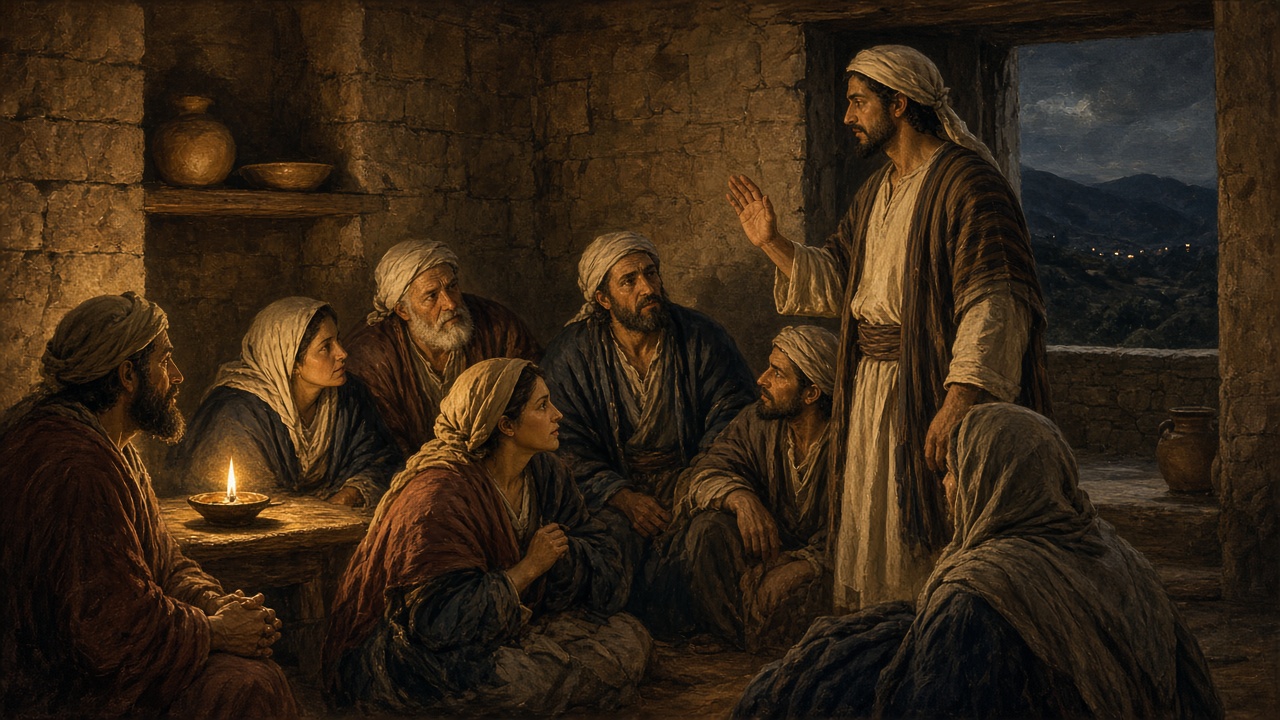
- El capítulo pide a los lectores que no se alarmen fácilmente por un espíritu, un mensaje o una carta que solo parezca venir de los autores y afirme que el Día del Señor ya ha llegado. Dice que ese día no vendrá hasta que ocurra la rebelión y sea revelado el hombre de iniquidad.Fuentes: el propio texto bíblico
- Llamado también hijo de perdición, es descrito como quien se exalta sobre todo supuesto dios, se sienta en el templo de Dios y se proclama Dios. El pasaje habla de lo que ahora lo detiene y de quien lo detiene, pero no da nombre a esa restricción.Fuentes: el propio texto bíblico
- La venida del inicuo va acompañada de la acción de Satanás, con toda clase de poder, señales y falsos prodigios. Satanás significa adversario o acusador; en el Nuevo Testamento el nombre se usa de manera intercambiable con Diabolos, el diablo, más de treinta veces.Fuentes: el propio texto bíblico · Satan
Notas escritas con ayuda de IA a partir de fuentes abiertas (Theographic Bible Metadata, CC BY-SA 4.0; Easton’s Bible Dictionary, dominio público) y revisadas antes de publicarse.
Créditos y licencia de esta traducción
Tupã Je'ẽha
New Testament in Kaapor (BR:urb:Kaapor)
copyright © 2012 Wycliffe Bible Translators, Inc.
Language: Kaapor
Translation by: Wycliffe Bible Translators, Inc.
Copyright Information
© 2012, Wycliffe Bible Translators, Inc. All rights reserved.
This translation text is made available to you under the
terms of the Creative Commons License: Attribution-Noncommercial-No Derivative Works.
( http://creativecommons.org/licenses/by-nc-nd/3.0/ )
In addition, you have permission to port the text to different file formats, as long as you
do not change any of the text or punctuation of the Bible.
You may share, copy, distribute, transmit, and extract portions
or quotations from this work, provided that you include the above copyright
information:
You must give Attribution to the work.
You do not sell this work for a profit.
You do not make any derivative works that change any of the actual words or punctuation of the Scriptures.
Permissions beyond the scope of this license may be
available if you contact
us with your request.
The New Testament
in Kaapor
© 2012, Wycliffe Bible Translators, Inc. All rights reserved.
This translation is made available to you under the terms of the
Creative Commons Attribution-Noncommercial-No Derivatives license 4.0.
You may share and redistribute this Bible translation or extracts from it in any format, provided that:
You include the above copyright and source information.
You do not sell this work for a profit.
You do not change any of the words or punctuation of the Scriptures.
Pictures included with Scriptures and other documents on this site are licensed just for use with those Scriptures and documents.
For other uses, please contact the respective copyright owners.
2014-04-27
Fuente: http://ebible.org/urbNT/ · eBible.org