1 Juan 4
Tupã Je'ẽha · Toca un versículo para ver sus referencias cruzadas.
Jetehar pandu ame'ẽ ke. Te'e pandu ame'ẽ ke tĩ.
1Ihẽ rehe katu me'ẽ ta! Pehendu katurahã! Ma'e je'ẽha ke amõ ta pandu uwyr. Ame'ẽ ta rehe pahar pejurujar ym. Jetehar te ke a'eta pandu nahã my? Te'e pandu nahã my? Myja my? Mã peja pekwa katu. Tupã je'ẽha rupi a'eta pandu uwyr nahã my? Sawa'e je'ẽha rupi pandu uwyr nahã my? Myja my? Pekwa katu tĩ. Tupã je'ẽha mu'eharan ta heta ixo. Amõ amõ ok ta rupi pandu pandu hũ oho. 2Tupã je'ẽha rupi amõ pandu rahã, kuja ame'ẽ rehe har pekwa katu ta pexo. Kuja a'e pandu ta uwyr:
—Kome'ẽ ywy keruhũ pe Jesu Kirisutu uwyr. Awa te'e a'e uwyr — aja pandu uwyr.
Aja me'ẽ pandu uwyr ame'ẽ ke Tupã kotyhar te ke. 3Aja me'ẽ pandu ym rahã, a'e riki Tupã kotyhar ym. Tupã je'ẽha rupi ym a'e pandu. Kirisutu ruwajan je'ẽha rupi a'e pandu uwyr. Kirisutu ruwajan uhyk ta uwyr, aja pehendu. Kome'ẽ ywy keruhũ pe uhyk apo 'y. (Pehĩ.)
4Ta'yn ta! Jesu rehe pejurujar katu ame'ẽ ta ke pehẽ. Pehendu katurahã! Tupã kotyhar ta riki pehẽ, a'erehe Tupã je'ẽha pandu ame'ẽ ta ran rehe pehendu ym. Mu'eharan ta ke ame'ẽ ta. Tupã rehe ipy'a ym ame'ẽ ta pyrãtã. Anĩ. Tupã'ã riki i'ar koty te we pyrãtã te ha ke. Pe, Tupã'ã pehẽ py'a rehe ihĩ. A'erehe pehẽ ke mu'eharan ta muka'u te'e ym ta. (Aja rahã, pehendu ym a'eta rehe.) 5A'eta riki Kirisutu ruwajan kotyhar ta ke. A'erehe Kirisutu ruwajan je'ẽha rupi a'eta pandu. A'eta rehe amõ ta hendu katu. Tupã rehe hendu ym ame'ẽ ta hendu katu. 6Jande anĩ. Tupã kotyhar ta ke jande. Jande jamu'e, ame'ẽ ke rehe amõ ta hendu katu. Tupã rehe har ukwa katu ame'ẽ ta hendu katu. Jande jamu'e ame'ẽ ke rehe Tupã kotyhar ta ym ame'ẽ ta hendu ym. A'erehe kuja jakwa. Tupã'ã je'ẽha rehe hendu katu, ame'ẽ ta Tupã kotyhar ta ke tĩ. Kirisutu ruwajan je'ẽha rehe hendu katu, ame'ẽ ta Tupã kotyhar ta ym.
Tupã riki ipy'a katu te ame'ẽ ke a'e
7Ihẽ rehe katu me'ẽ ta! Pehendu katurahã! Mã peja jande japy'a katu jande juehe jaxo! Jande japy'a katuha ke jande pe Tupã muwyr. Amõ ta rehe amõ ipy'a katu rahã, Tupã ra'yr ke a'e. Tupã rehe har a'e ukwa katu tĩ. 8Tupã riki ipy'a katu te ame'ẽ ke a'e. A'erehe amõ ta rehe amõ ipy'a ym rahã, ehe har a'e ukwa ym. 9Kuja jande pe ipy'a katuha ke Tupã mujekwa. Ta'yr peteĩhar ke kome'ẽ ywy keruhũ pe a'e muwyr. A'e riki jande ke muhã katu. 10Yman Tupã rehe japy'a ym tipe. Anĩ. Jande rehe Tupã ipy'a katu. A'erehe Ta'yr ke a'e muwyr. Jande jaka'u te'eha jama'ema'eha ke rehe ta'yr muhepy. A'erehe a'e manõ. A'erehe jande rehe Tupã ipy'a jywyr. Aja jande rehe a'e ipy'a katu te ha ke a'e mujekwa.
11Ihẽ rehe katu ame'ẽ ta! Pehendu katurahã! Aja jande rehe Tupã ipy'a katu, a'erehe mã peja japy'a katu jande juehe jaxo tĩ. 12Tupã rehe usak ym te awa. Pe, japy'a katu jande juehe jaxo rahã, Tupã namõ jande juehe katu jande jaxo tĩ. Aja rahã, jande rehe Tupã ipy'a katu te aja amõ ta rehe jande japy'a katu tĩ.
13Jande py'a rehe I'ã ke Tupã muwyr, a'erehe Tupã namõ jande juehe katu jaxo, aja jakwa katu. Jande namõ a'e juehe katu a'e ixo tĩ. 14Yman kome'ẽ ywy keruhũ pe Ta'yr ke Tupã muwyr. Awa ta ke a'e muhã katu uwyr. Ame'ẽ rehe har japandu pandu. Ta'yr rehe jasak, a'erehe ehe har japandu pandu tĩ. 15“Jesu riki Tupã ra'yr” aja amõ pandu rahã, Tupã namõ a'e juehe katu a'e ixo. Pe, inamõ Tupã juehe katu a'e ixo tĩ. 16Pe, jande rehe Tupã ipy'a katu, aja jakwa. Ame'ẽ riki jetehar te ke, aja jakwa katu tĩ. Tupã riki ipy'a katu te ame'ẽ ke a'e. Amõ ta rehe amõ ipy'a katu ixo rahã, Tupã namõ a'e juehe katu a'e ixo tĩ. Pe, inamõ Tupã juehe katu a'e ixo tĩ. 17Jande rehe Tupã ipy'a katu te hũ. A'e aja jande japy'a katu jande juehe jaxo tĩ. Aja rahã, jakyje ym ta ingi. Kuja. Yman rahã, amõ ma'ema'eha ke Tupã ukwa ta. Katu ame'ẽ ke ma'ema'e my? Katu ym ame'ẽ ke ma'ema'e my? Ame'ẽ ke a'e ukwa ta. Pe, kome'ẽ ywy keruhũ pe Kirisutu ixo rahã, amõ ta rehe a'e ipy'a katu. A'e aja jaxo rahã, yman rahã Tupã pandu ta: “Pehẽ katu” aja. A'erehe jande japy'a katu jande juehe jaxo rahã, jakyje ym ta ingi. 18Tupã rehe japy'a katu rahã, a'e mupyraraha ngi jakyje ym ta. Jande rehe a'e ipy'a katu te, aja jakwa katu, a'erehe upa jakyjeha ke a'e mukanim. A'e mupyraraha ngi jakyje rahã, jande japy'a ym ehe, aja jamujekwa. Mupyrara ta jande ke aja jakwa, a'erehe jakyje ingi.
19Jande rehe Tupã ipy'a katu py, a'erehe japy'a katu ehe tĩ. 20“Tupã rehe ihẽ apy'a katu” aja amõ pandu rahã, mã peja imu rehe a'e ipy'a katu tĩ. Pe, imu rehe a'e ipy'a ym rahã, a'e te'e pandu. “Tupã rehe ihẽ apy'a katu” ame'ẽ panduha riki te'e aja. Imu rehe amõ usak katu. A'e ke rehe amõ ipy'a ym rahã, usak ym ame'ẽ ke rehe marã ka ym a'e ipy'a katuha. Tupã rehe amõ usak ym, a'erehe marã ka ym amõ ipy'a katuha Tupã rehe tĩ. (Usak ame'ẽ ke rehe ipy'a ym rahã, usak ym ame'ẽ ke rehe ipy'a ym tĩ.) 21Kuja Kirisutu pandu:
—Tupã rehe pepy'a katu rahã, mã peja pehẽ mu rehe pepy'a katu tĩ — aja pandu.
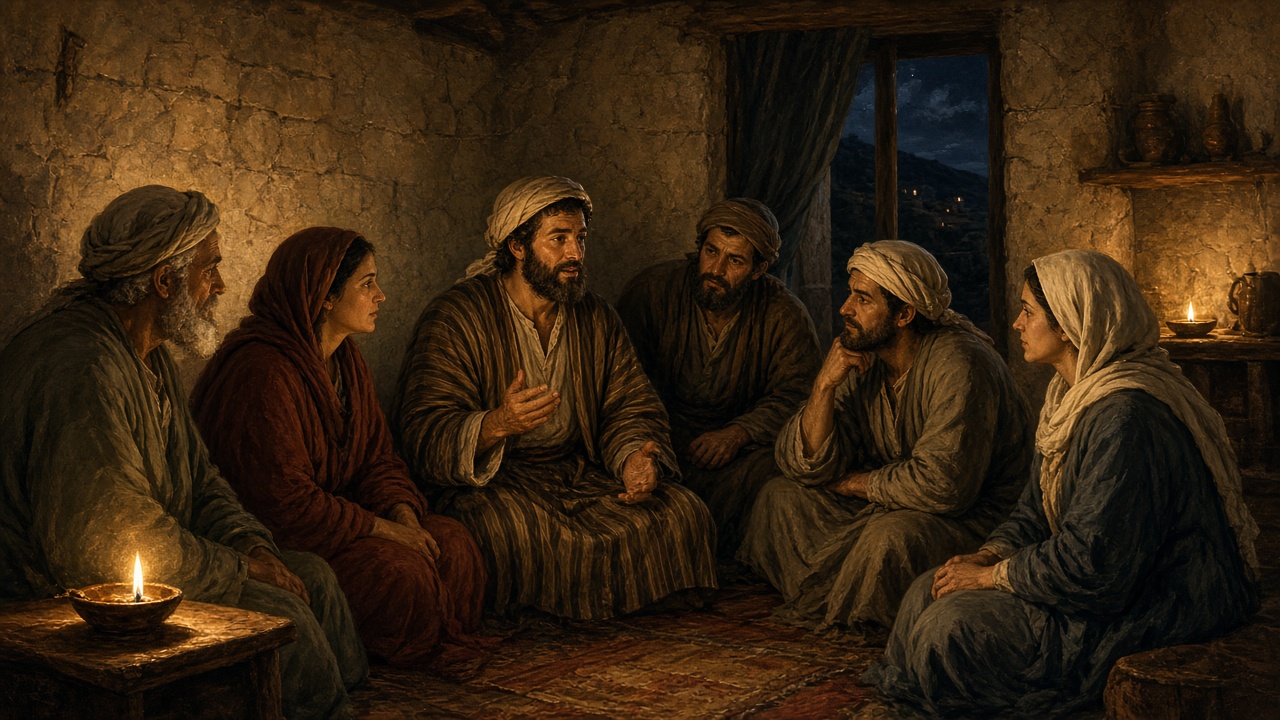
¿Sabías que…?
Probando los espíritus y el amor que viene de Dios
- A los lectores tratados como amados se les dice que no crean a todo espíritu, sino que prueben los espíritus, pues muchos falsos profetas han salido por el mundo. El Espíritu de Dios se reconoce cuando un espíritu confiesa que Jesucristo ha venido en carne; todo espíritu que no confiesa a Jesús no es de Dios y es el espíritu del anticristo, que ya está en el mundo.Fuentes: el propio texto bíblico
- El amor viene de Dios, y Dios es amor, de modo que quien no ama no conoce a Dios. El amor de Dios se reveló al enviar a su Hijo único al mundo como sacrificio expiatorio por los pecados, y a quienes han sido así amados se les dice que deben amarse unos a otros.Fuentes: el propio texto bíblico
- Nadie ha visto jamás a Dios, pero si nos amamos unos a otros, Dios permanece en nosotros y su amor se perfecciona en nosotros. Quien dice “Amo a Dios”, pero odia a su hermano, es mentiroso, pues quien no ama a su hermano, a quien ha visto, no puede amar a Dios, a quien no ha visto, y el mandamiento es que quien ama a Dios también ame a su hermano.Fuentes: el propio texto bíblico
Notas escritas con ayuda de IA a partir de fuentes abiertas (Theographic Bible Metadata, CC BY-SA 4.0; Easton’s Bible Dictionary, dominio público) y revisadas antes de publicarse.
Créditos y licencia de esta traducción
Tupã Je'ẽha
New Testament in Kaapor (BR:urb:Kaapor)
copyright © 2012 Wycliffe Bible Translators, Inc.
Language: Kaapor
Translation by: Wycliffe Bible Translators, Inc.
Copyright Information
© 2012, Wycliffe Bible Translators, Inc. All rights reserved.
This translation text is made available to you under the
terms of the Creative Commons License: Attribution-Noncommercial-No Derivative Works.
( http://creativecommons.org/licenses/by-nc-nd/3.0/ )
In addition, you have permission to port the text to different file formats, as long as you
do not change any of the text or punctuation of the Bible.
You may share, copy, distribute, transmit, and extract portions
or quotations from this work, provided that you include the above copyright
information:
You must give Attribution to the work.
You do not sell this work for a profit.
You do not make any derivative works that change any of the actual words or punctuation of the Scriptures.
Permissions beyond the scope of this license may be
available if you contact
us with your request.
The New Testament
in Kaapor
© 2012, Wycliffe Bible Translators, Inc. All rights reserved.
This translation is made available to you under the terms of the
Creative Commons Attribution-Noncommercial-No Derivatives license 4.0.
You may share and redistribute this Bible translation or extracts from it in any format, provided that:
You include the above copyright and source information.
You do not sell this work for a profit.
You do not change any of the words or punctuation of the Scriptures.
Pictures included with Scriptures and other documents on this site are licensed just for use with those Scriptures and documents.
For other uses, please contact the respective copyright owners.
2014-04-27
Fuente: http://ebible.org/urbNT/ · eBible.org