Eclesiastés 5
PATHEN LEKHABU THENG · Toca un versículo para ver sus referencias cruzadas.
Haona Le Vaichatnaho Vetkahna
1Pathen houna in na nalut tengleh, nakol sung in lang chule na kam kihup in. Geltoh louva Pathen’a kilhaina sem chu pha louva ahi. 2Kitepna geltoh louvin mohsem sem hih in, chule Pathen angsunga thil hinlhut loi ding kino hihbeh in. Pathen chu vanna uma ahin, nangma hiche leisetna hi uma na hije. Hijeh chun na thusei chom hen. 3Naha chaloh behset naho hin kichol dothei louna mang namat sah ding, thu na tam seival hin mingol nasosah bep ding ahi. 4Nangman Pathen’a kitepna nanei tengleh, hichu jui lhung ding khongai sot hih in, ijeh inem itileh Pathen’in mingol ho chunga lunglhai na anei poi. Ama henga na kitepna jouse chu bulhit molson. 5Kitepna neija ahiala suh bulhit louva um sang'in, imacha sei lou beh chu pha joa ahi. 6Nakam in na chonset sah hihbeh hen. Nangman Hou-In lhacha pa jah a chun kitepna ka nanei chu ka seikhel ahitai tin nang le nang kihkonnan sei hih in. Hichun Pathen a lunghan sah joh ding, chule aman natohdoh umsa chengse chu su-mang loget inte. 7Mangmat le panna bei thilbol apunbe tobangin, thu sei doh jong abai lam in ahi. Hinlah nangman Pathen ging jon. 8Thanei tah khat in mivaicha chu agimbol hesoh namua chule gamsung pumpia thutah le chonphatna chu alam louva akiheikoija ahiltah jongleh hichu datmo hih in. Ajeh chu achungnung penna thuneipa sanga chungnungjo chun agel khoh ahin, chule amaho sanga sangjo ho aum uve.
Hinkho Hi Ajehbei Tobangin Akilange
9Chu kal val in, leiset hi mijouse phatchomna ding ahi; hitia chu lengpa alouma’a kihinso ahi. 10Sum ngailu ho chun suma ning lhin tih anei lou diu. nei le gou vin kipana dihtah apeh ding gel’a chun phatchompi ponte. 11Natamnei channa chu na suhmang huding mi tamcheh hung um ding ahi. Hijeh chun nei le gou hi na khuttah’a konna aki toldoh navet tilou ipi aphat chomna nahet em? 12Na tonggimho chun tamneh henlang, lhom neh jongleh a-ihmut’u anom’e. Hinlah mihao chun ih-mut nopna amu joupoi. 13Nipi noija aboitah khat kamu doh kit aum ben ahi. Neile gou kikhol khom hi aneipa dingin aphat mona aum'e. 14Sum hi apung dinga kikhol khom jong hi hahsatna ahinle sodoh jin, chule hiche jeh hin ijakai amanlo jibep’e. Achaina tengleh achate dinga ima pehson ding nei louvin aum jitai. 15Eiho jouse hi i-hungpen uva banga sagohkeu le khut gohkeuva i-hinkho’u hi hung kichai ding ahi. Nei le gou inei hou kipoh thei ihipouve. 16Chule hiche jong hi boi-umtah ahi. Mihon hiche vannoi adalhah’uhi ahungpen sanguva aphat john a aumpoi. Atohgim nau jouse hi amang thah bep ding ahi bouve. 17Ahinkho lhung keiuva lungkim louna, lunglhahna chule lunghanna meipi noija uma ahiuve. 18Hiti chu ahi vang'in, thilpha khat keiman kahin mudoh in ahi. Hichu mihem in nipi noija Pathen'in apeh hinkho chomcha um sunga aneh’a, adon’a, chule anatoh chunga akipa thanop pia chule achan chunga alung lhai ding hi ahi. 19Chule Pathen’a konna nei le gou chule damtheina anei kipapina anei dinghi thilpha ahi. Nanatohnathanoppia chule nahinkhoa nachan chu nalung oipia ahileh hiche hi Pathen thilpeh chu ahije. 20Pathen'in hitobang miho hi akisah boisah lhehji jeh in, ama hon achesa ho gelna phat anei man pouve.
¿Sabías que…?
Reverencia, justicia y los límites de la riqueza
- El autor advierte contra las palabras apresuradas en el culto, recordando a los adoradores que Dios está en el cielo mientras los mortales están en la tierra. Los votos hechos a Dios se consideraban compromisos serios; el texto advierte que demorar o incumplir un voto es una necedad, por lo que es preferible no hacer votos que prometer y no cumplir.Fuentes: el propio texto bíblico
- Al abordar la injusticia y la opresión de los pobres en una provincia, el autor señala la burocracia gubernamental estratificada, donde cada funcionario es supervisado por una autoridad superior. A pesar de esta jerarquía administrativa, todos los niveles, incluido el rey, dependen en última instancia de los frutos del campo.Fuentes: el propio texto bíblico
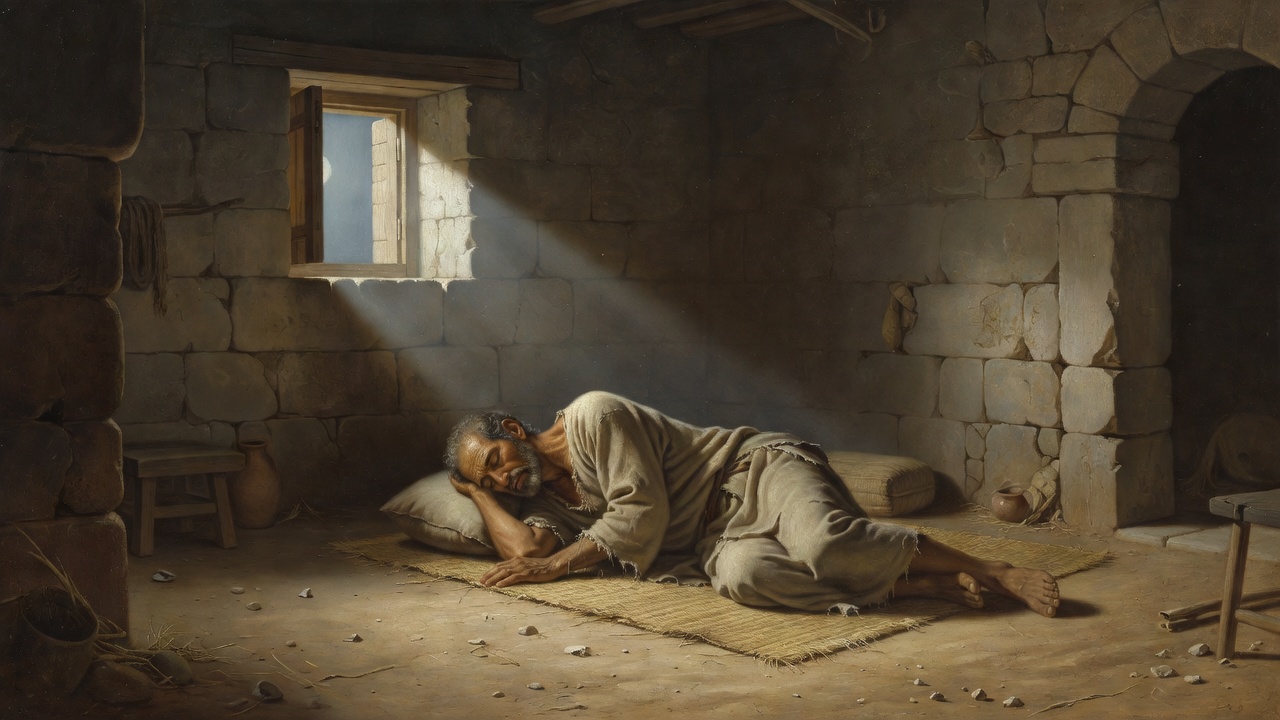
- El capítulo contrasta el insomnio inquieto de los ricos con el sueño dulce del trabajador común, señalando que el afán por las riquezas no produce una satisfacción duradera. El verdadero contento surge cuando la persona acepta su porción y disfruta de la comida, la bebida y el trabajo honesto como dones de Dios.Fuentes: el propio texto bíblico
Notas escritas con ayuda de IA a partir de fuentes abiertas (Theographic Bible Metadata, CC BY-SA 4.0; Easton’s Bible Dictionary, dominio público) y revisadas antes de publicarse.
Créditos y licencia de esta traducción
PATHEN LEKHABU THENG
The Holy Bible in the Chongthu Dialect of India
Copyright © 2020 Chongthu Bible Translation Team
Language: Chongthu (Chin, Thado)
Dialect: Chongthu
This is a draft copy of a work in progress. It will be updated.
This translation is made available to you under the terms of the
Creative Commons Attribution Share-Alike license 4.0.
You have permission to share and redistribute this Bible translation in any format and to make reasonable revisions and adaptations of this translation, provided that:
You include the above copyright and source information.
If you make any changes to the text, you must indicate that you did so in a way that makes it clear that the original licensor is not necessarily endorsing your changes.
If you redistribute this text, you must distribute your contributions under the same license as the original.
Pictures included with Scriptures and other documents on this site are licensed just for use with those Scriptures and documents.
For other uses, please contact the respective copyright owners.
Note that in addition to the rules above, revising and adapting God's Word involves a great responsibility to be true to God's Word. See Revelation 22:18-19.
2026-10-02
Fuente: http://ebible.org/tczchongthu/ · eBible.org