Colosenses 3
PATHEN LEKHABU THENG · Toca un versículo para ver sus referencias cruzadas.
Tahsalam jenga hing louva Christa a hin
1Nangho Christa toh hingkhoma nahiu leh, Pathen jetlam'a touva Christa umna chunglam chu veuvin. 2Nanghon leiset thil ho geljo louvin, chunglam thil ho geljo uvin. 3Ajeh chu nangho hiche hinkhoa dia athia nahi tauvin, nahin nau atahbeh chu Pathen a Christa toh kisela ahi. 4I-hinnau Christa ahung kilah phat teng nangho jong Ama toh loupia kilangkhom ding nahiuve.
Hinkho lui chule hinkho thah
5Hiti ahijeh chun, leiset chunga natibah chengu: jon lungput, thenlouna, huh lungput, lung dihlou ken, chule kiloset hiche ho hi milim houna ahin, abonchan thisah sohkeiyun. 6Hiche chonsetna ho jeh hin thua nunglou ho chungah Pathen lunghanna chun alhun khumjin ahi. 7Hiche ho hi vannoiya dinga nana hinlai uva chu ana bolji a nahiuve. 8Hinlah tuhin: lunghan, lungsat mi duha bol, Pathen taitom, thuthanghoi seina kam, hichengho hi pailha uvin. 9Khat le khat jouvin kiheh hih un, ajeh chu nang hon milui hinkho le anatoh chu napaiyu ahitai. 10Nanghon nasempau nahet nau lungthim chu panun chule mithah chu kivonun chule Ama tobang hiuvin. 11Hiche hinkho thah a hin hi Juda mi nahiha, chidang namdang nahim? Cheptan mi nahiha, cheptanlou nahim? Lekha helou akhangtou loulai soh chu nahiha, ongthol nahim? Christa chu eiho dinga ima jousea ininglhin nau ahitai. 12Hiche jeh chun Pathen lhenchom mitheng te dei umtah angailut namthenga lhendoh nahi tah jeh uvin–mikhotona lunggel, mihepi, kineosah, nunnemna lungthim, thohhatna in kivonun. 13Khat le khat kidemdaito cheh un, kingaidam tona neiyun, akina khattou auma ahijongleh Christa chun na ngaidam bang uvin nang hon jong ngaidam'un. 14Hicheng jouse chunga hin ngailutna chu kivonun, hichu kikankhomna phachamkim pen ahi. 15Chule Pathen a cham lungmon chu nalung uva vaihomsah un, hichea dinga chu nangho jong tipum khat a chamlen dinga kou nahiuvin chule thangvah jingun. 16Christa thu chu chihna jouse tothon nasung uva cheng dimset hen; khat le khat tumging toh tholan houlan, chule lhagaolan kihilun chule kitilkhou touvin, nalung gil un Pakai choi-atnan la sauvin. 17Chule thua hihen, natoh a hita jongleh, nabol jouseu chu Pakai Jesu minin bolun lang, Ama jal'in Pa le Pathen chu thangvah un.
Hinkho thah ahijeh a ule nao kinbol ding
18Inneipi ho, Pakai mitmua dih ahina jal in na inneipu teu thunoiya kipelut un. 19Pate ho, najinu teu ngailu uvin chule amaho chunga lung himona neihih un. 20Chate ho, imalam jousea nanu le napa teu sei thun nungun, hichu Pakai lunglhaina pen ahi. 21Pate ho, nachateu chu sulung phamo hih un, lunglhah nan neiget uvinte. 22Sohte ho, tahsalam hina dungjuijin na pakai teu sei thua nungun, mihem lunglhaisahna a mitmu soh hilouvin, Pathen ging hinan lungdih pun umun. 23Chule ipi hileh nabol'u chu Pakaiya lunggilin bolun, mitmu soh hilouvin Pakai jal a bol hiuvin. 24Pakaiya goulo ding tohman nachan dingu ahi chu heuvin: ajeh chu nangho Pakai Christa kinbol nahiu ahi. 25Ahin thilse bola chu nahi leh nathilse bol chu nakimu ding ahi. Hichea hin maipha vetna aumpoi.
¿Sabías que…?
Vida nueva en un solo cuerpo y en el hogar
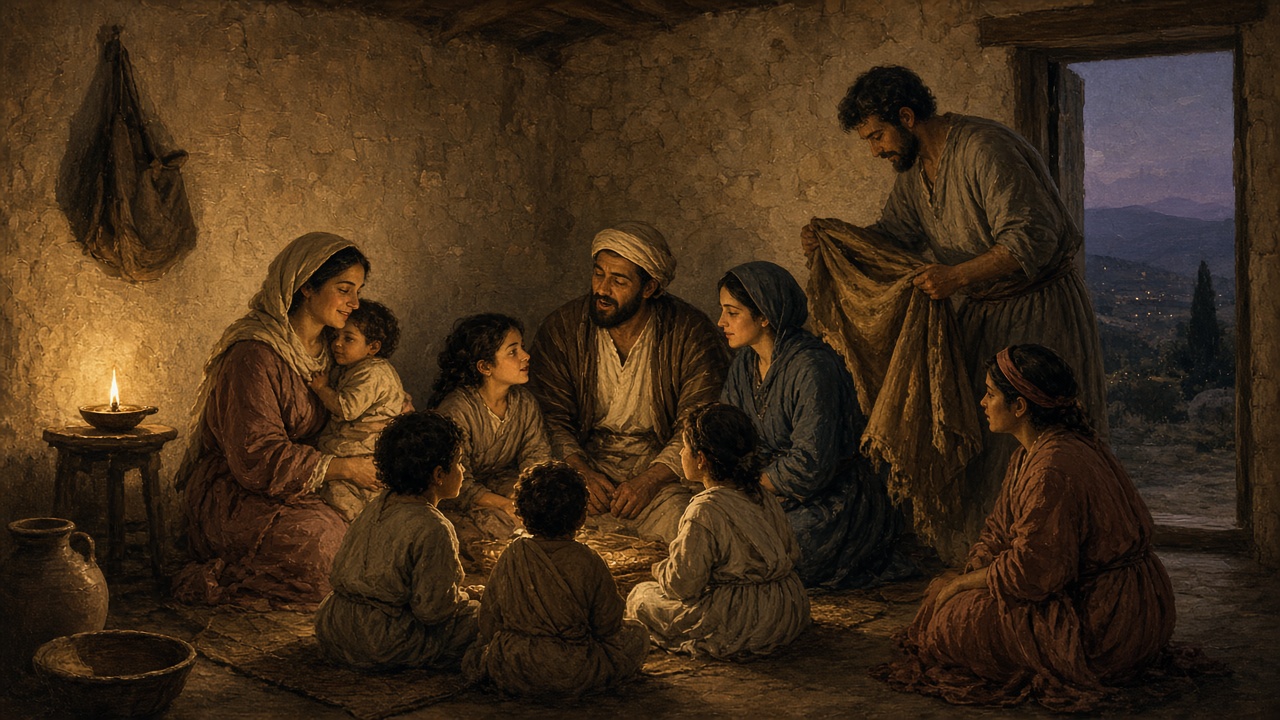
- Este capítulo presenta la vida transformada como un cambio de ropa. Se afirma que los lectores se han despojado del viejo hombre con sus prácticas y se han revestido del nuevo hombre, que se va renovando en conocimiento a imagen de su Creador. Luego se les pide que se vistan de un corazón compasivo, de bondad, humildad, mansedumbre y paciencia, y que por encima de todas estas virtudes se revistan de amor, vínculo de la perfecta unidad.Fuentes: el propio texto bíblico
- El capítulo enumera griego y judío, circunciso e incircunciso, bárbaro, escita, esclavo y libre, y declara que aquí no permanece ninguna de esas distinciones, porque Cristo es todo y está en todos.Fuentes: el propio texto bíblico
- El capítulo pasa luego a dar instrucciones para las relaciones del hogar: esposas y esposos, hijos y padres, y esclavos y sus amos terrenales. Se advierte a los padres que no provoquen a sus hijos, para que no se desalienten. A los esclavos se les dice que obedezcan con sinceridad de corazón, no solo mientras los observan, y que trabajen con todo su ser para el Señor y no para los hombres, con la promesa de una herencia de parte del Señor como recompensa; quien hace el mal recibirá el pago de lo que hizo, y no hay favoritismo.Fuentes: el propio texto bíblico
Notas escritas con ayuda de IA a partir de fuentes abiertas (Theographic Bible Metadata, CC BY-SA 4.0; Easton’s Bible Dictionary, dominio público) y revisadas antes de publicarse.
Créditos y licencia de esta traducción
PATHEN LEKHABU THENG
The Holy Bible in the Chongthu Dialect of India
Copyright © 2020 Chongthu Bible Translation Team
Language: Chongthu (Chin, Thado)
Dialect: Chongthu
This is a draft copy of a work in progress. It will be updated.
This translation is made available to you under the terms of the
Creative Commons Attribution Share-Alike license 4.0.
You have permission to share and redistribute this Bible translation in any format and to make reasonable revisions and adaptations of this translation, provided that:
You include the above copyright and source information.
If you make any changes to the text, you must indicate that you did so in a way that makes it clear that the original licensor is not necessarily endorsing your changes.
If you redistribute this text, you must distribute your contributions under the same license as the original.
Pictures included with Scriptures and other documents on this site are licensed just for use with those Scriptures and documents.
For other uses, please contact the respective copyright owners.
Note that in addition to the rules above, revising and adapting God's Word involves a great responsibility to be true to God's Word. See Revelation 22:18-19.
2026-10-02
Fuente: http://ebible.org/tczchongthu/ · eBible.org