Amós 4
PATHEN LEKHABU THENG · Toca un versículo para ver sus referencias cruzadas.
1Ka thusei ngaijun, Samaria gam’a cheng bongpi tobang ho, vaicha gentheite bolgim’a chuleh panpi ngaicha geuva um tahlel te noigep gep jiho, Ajiteu pasal ho jah a,’ “Ju hin dom kit in don’u hite’’ tia peng jah jah vo numei ho! 2Hatchungnung Pakai chu ama mintheng pan in akihahsel tai, vetan, na chung’a hiche nikho chu hunglhung ding ahi; Mihon nanah hom uva ngakoi tobang thihkoija na kaimang dingu, Amitakip anukhahpen geija ngakoija na kaimang ding’u ahi. 3“Nangho kulpi pal chimlha lah a na jamdoh diu, Na kulpiu sunga kon’a naki sep doh diu ahi,’’ tin Pakaijin aseiye. 4“Cheuvin, Bethel kho’a doihouna kilhaina thilto gabol un, Gilgal kho’a cheuvin, Pathen thungailou vin setna gabolbe be jeng tauvin, Jingkah seh in kilhaina bol un, chuleh nithum lhinseh in na hopsom hinchoi jun,’’ 5“Na changlhah cholsosa chu Pakai thangvahna thilto in toh'in, chu ting, deichom’a nangma kipehna thilto jong pen; chuleh hichu muntin’a phongjal un seichoi le uvin!
Israel in Pathen’a kon kisuhdihna phatchom pilou
6Na khopi jouseu chunga neh leh chah kalhahsam sah in, nachenna mun jouse uva neh ding beihel in kalhan, kel ka lhunsah tan, Ahivangin nangho kaheng'a nahung kiledeh pouve, tin Pakaijin aseiye. 7Na lousoh ga houvin gotwi angaichat khohlai tah in, go ka juhsah dan, kakham tang tai, Chuleh keiman khopi khat chung’a go kajuhsah in, khopi chomkhat chunga ka juhsah da ji’e. Louma khat chunga go kajuh sah jin, louma chomkhat chunga kajuhsah da ji e. 8“Hijeh chun, miho chu khopi tin’a donding twi hol in akijot uvin, ahivangin ama hon lungna chimset’a donkham twi aga mudoh pouve; Hichan gei hin jong, nangho kaheng'a nahung kile deh pouve,’’ tin Pakaijin aseiye. 9Keiman na honlei chengu leh na lengpi lei chengu chunga thinglung leh nget kachuhsah in; Na theichang phung jouseu leh na Olive phung jouseu jong abon'in khaokhoten anechai soh hel tauvin; Hichan gei hin jong nangho kaheng’a nahung kile deh pouve, tin Pakaijin aseiye. 10“Egypt gamsunga kana bol bangin, keiman nangho chunga gamna hise kalhalut in; Na gollhang jouseu gal in kasat lih soh in, chuleh na sakol jouseu jong akikaimang soh hel tai. Na kimvel’u namse leuvin mithi-ui nanah hom dim in nanah’un, Ahivangin nangho kaheng'a nahung kilekit deh pouve,’’ tin Pakaijin aseiye. 11‘’Keiman Sodom leh Gomorrah ka suhmang bangin, na khopiu phabep ka sumang in; Nangho ahingdoh amoh chengse jong, meikong lah a kon’a kikaidoh thingbong bep na hiuvin, Ahivangin nangho kaheng'a nahung kilekit deh pouve,’’ tin Pakaijin aseiye. 12Vo Israel, keiman nang jong hitobanga chu kabol ding, hamsetna nasatah na chunga ka lhunsah ding ahi. Hijeh chun, na Pathen toh kimaito din kigong in, vo Israel! 13Ijeh inem itileh, Pakaijin molsang jouse atungdoh in, khohui jouse jong anunsah in, chuleh alungngaito ho jong mihem kom’a aphong doh ji e. Aman jingkah khovah leh janlai muthim asemdoh in, chuleh leiset chunga mun sanglai jouse chotphan aneijin ahi. Pakai, van Pathen kiti chu ama min ahi.
¿Sabías que…?
Advertencias desoídas y el Dios de los Ejércitos
- Amós se dirige a las mujeres ricas y opresoras de Samaria llamándolas vacas de Basán. Samaria era la capital del reino del norte de Israel, construida sobre una colina, mientras que Basán era una región fértil al norte de Galaad, famosa por sus abundantes pastos.Fuentes: el propio texto bíblico · Samaria · Bashan
- El profeta invita con ironía al pueblo a llevar sacrificios y diezmos a Betel y a Gilgal. Ambos lugares poseían una profunda relevancia histórica y religiosa en Israel, pero se habían convertido en centros de rituales vacíos y transgresión.Fuentes: el propio texto bíblico · Bethel (of Palestine) · Gilgal
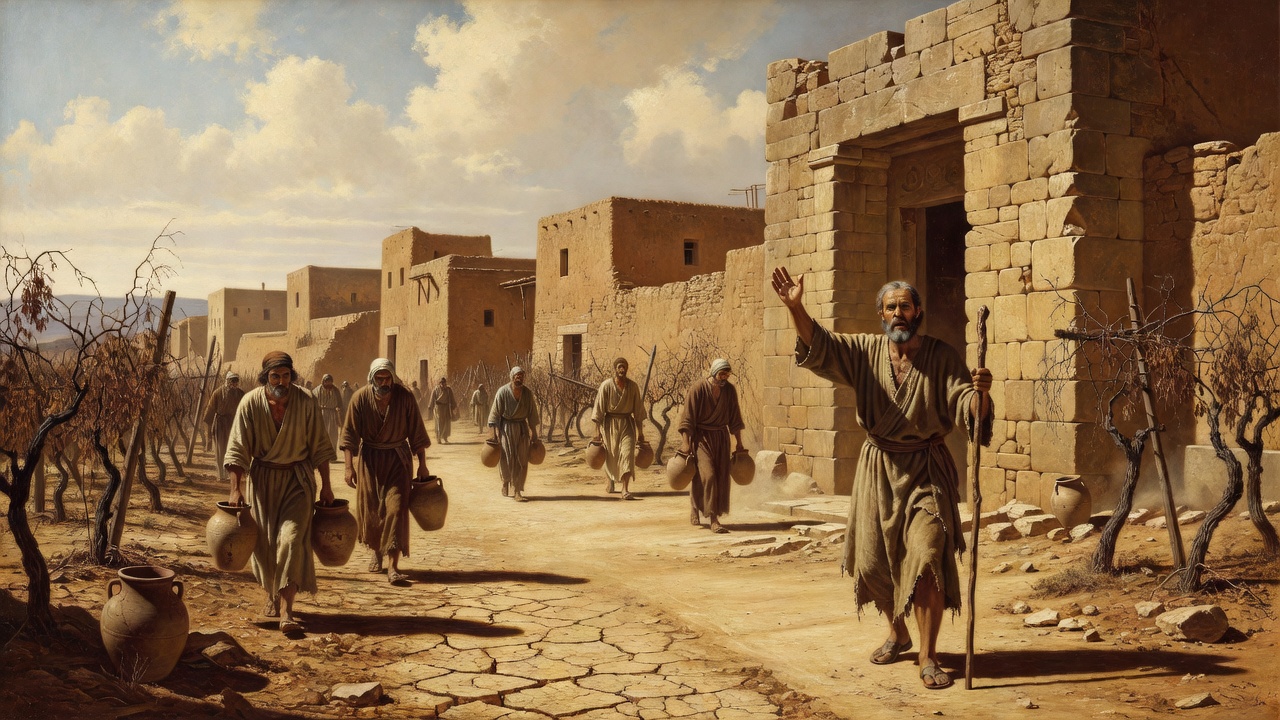
- Amós enumera una serie de advertencias divinas mediante desastres naturales y militares, como sequías severas, plagas de langostas, pestilencias semejantes a las de Egipto y derrotas en el campo de batalla. A pesar de cada calamidad, el texto repite el estribillo de que el pueblo no se volvió a Dios.Fuentes: el propio texto bíblico · Egypt
Notas escritas con ayuda de IA a partir de fuentes abiertas (Theographic Bible Metadata, CC BY-SA 4.0; Easton’s Bible Dictionary, dominio público) y revisadas antes de publicarse.
Lugares de este capítulo
- Bashan · 32.781, 35.935 · versículo 1
- Samaria · 32.276, 35.195 · versículo 1
- Egypt · 30.129, 31.308 · versículo 10
Solo aparecen lugares identificados con alta confianza (90 % o más según las fuentes académicas reunidas por OpenBible). Mapa de la época: DARE (Digital Atlas of the Roman Empire), CC BY 4.0; mapa actual: © colaboradores de OpenStreetMap; lugares: OpenBible.info (CC BY 4.0).
Créditos y licencia de esta traducción
PATHEN LEKHABU THENG
The Holy Bible in the Chongthu Dialect of India
Copyright © 2020 Chongthu Bible Translation Team
Language: Chongthu (Chin, Thado)
Dialect: Chongthu
This is a draft copy of a work in progress. It will be updated.
This translation is made available to you under the terms of the
Creative Commons Attribution Share-Alike license 4.0.
You have permission to share and redistribute this Bible translation in any format and to make reasonable revisions and adaptations of this translation, provided that:
You include the above copyright and source information.
If you make any changes to the text, you must indicate that you did so in a way that makes it clear that the original licensor is not necessarily endorsing your changes.
If you redistribute this text, you must distribute your contributions under the same license as the original.
Pictures included with Scriptures and other documents on this site are licensed just for use with those Scriptures and documents.
For other uses, please contact the respective copyright owners.
Note that in addition to the rules above, revising and adapting God's Word involves a great responsibility to be true to God's Word. See Revelation 22:18-19.
2026-10-02
Fuente: http://ebible.org/tczchongthu/ · eBible.org