Sofonías 1
Bibiri Kuyie Nnɑ́ɑǹtì Pɑ́tíri · Toca un versículo para ver sus referencias cruzadas.
Acerca de este libro
Acerca de Sofonías
- El Diccionario Bíblico de Easton (1897) presenta a Sofonías, cuyo nombre explica como "Jehová ha ocultado" o "Jehová de las tinieblas", como hijo de Cusi y bisnieto de Ezequías, y como el noveno de los profetas menores. Sitúa su profecía en el reinado de Josías, rey de Judá (641–610 a.C.), y dice que fue contemporáneo de Jeremías, con quien tenía mucho en común.Fuentes: Easton: Zephaniah · Zephaniah · Cushi
- Amón, padre de Josías, restauró la idolatría en Judá, y Easton lee Sofonías 1:4 y 3:4, 11 como referencias a ese reinado. El mismo diccionario vincula Sofonías 1:4–6 con el culto a Baal y Sofonías 1:5 con Malcam, descrito como el ídolo nacional de los amonitas. Josías, que subió al trono a los ocho años, es presentado como quien después actuó contra la idolatría que predominaba.Fuentes: Amon · Josiah · Baal · Malcham
- El Diccionario Bíblico de Easton describe el libro como una introducción que anuncia el juicio sobre el mundo y sobre Israel a causa de sus transgresiones (1:1–6), una descripción del juicio (1:7–18), una exhortación a buscar a Dios mientras aún hay tiempo (2:1–3), el juicio sobre otros pueblos (2:4–15), lo que llama la miseria sin esperanza de Jerusalén (3:1–7) y una promesa de salvación (3:8–20).Fuentes: Easton: Zephaniah
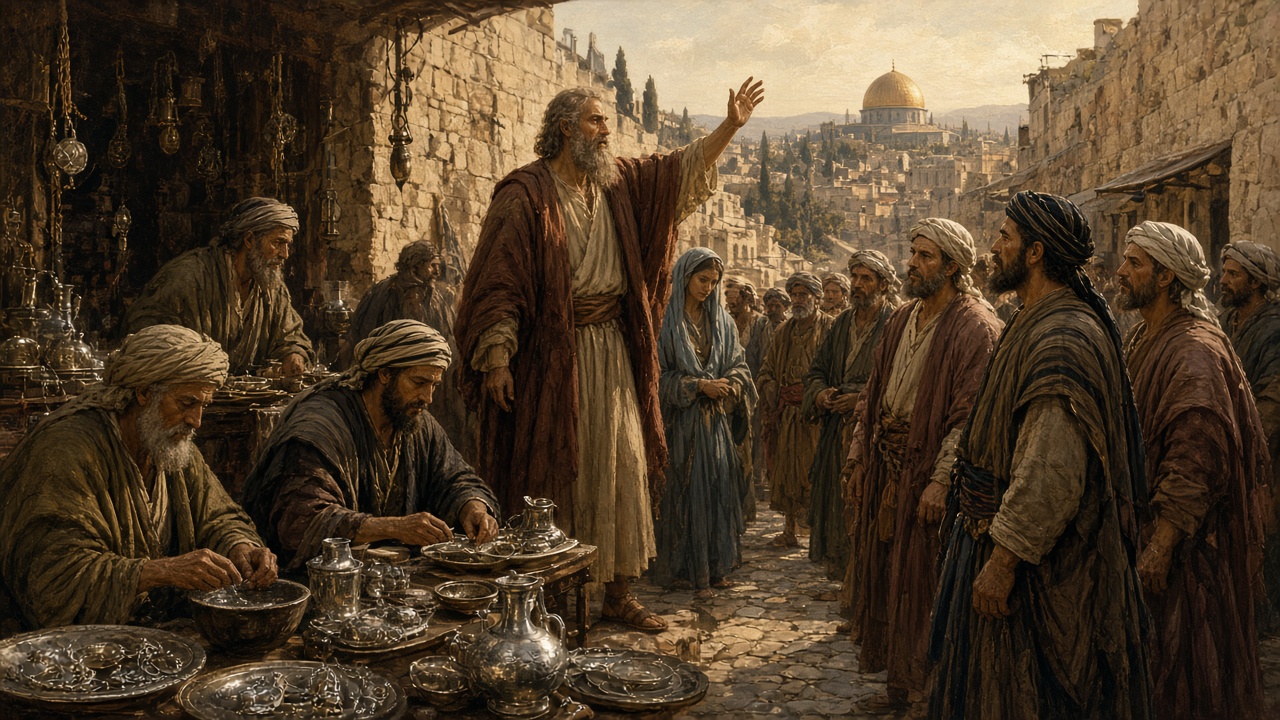
- Sofonías 1:11 nombra el Mortero, un lugar en Jerusalén o cerca de ella habitado por mercaderes de plata. Se ha conjeturado que era el barrio fenicio de la ciudad, donde vivían comerciantes de esa nación.Fuentes: Mortar
Notas escritas con ayuda de IA a partir de fuentes abiertas (Theographic Bible Metadata, CC BY-SA 4.0; Easton’s Bible Dictionary, dominio público) y revisadas antes de publicarse.
1Di m̀pɑ́tíri ti nɑ́ɑ́ nti Yiɛ̀ nKuyie ndo bɛ́innɛ̀ tì nti Sofonii. Esekiɑsi weè do pɛitɛ́ Amɑdiɑ, kɛ̀ Amɑdiɑɑ pɛitɛ́ Kedɑdiɑ, kɛ̀ Kedɑdiɑɑ pɛitɛ́ Kuusi, kɛ̀ Kuusi pɛitɛ́ Sofonii, kɛ̀ ti Yiɛ̀ nKuyie nhò bɛ́innɛ̀ Amɔɔ birɛ Sosiɑsi Sudɑɑ kɔbɛ kóo kpɑ̀ɑ̀tì kpɑ̀tì miɛkɛ.
Kuyie nnɑ̀kɛ́mɛ̀ kù yóó potɛ́mɛ̀ kutenkù kumɔu
2Kɛ̀ ti Yiɛ̀ nKuyie mbɛ́innɛ̀ Sofonii kɛ dɔ̀:
Mí ndi Yiɛ̀ nKuyie n yóó kuɔmu dɛ̀ɛ̀ kó dimɑ̀ɑ̀ bo kɛtenkɛ̀ ĩ́nkɛ̀,
mí ndi Yiɛ̀ nKuyie mmíì bɛ́i.
3N yóó kuɔmu bɛnìtìbɛ̀ nɛ̀ iwũɔ̃ nɛ̀ sinɔɔ nɛ̀ siyĩĩ.
N yóó kuɔmu bɛnitiyɛibɛ nɛ̀ bɛ tɔ̃mmú,
n yí yóó súɔ́ nhonìtì bɑ́ omɑ́ɑ̀,
mí ndi Yiɛ̀ nKuyie mmíì bɛ́i.
Kuyie nyɛ̃mmɛ̀ kù yóó potɛ́ Sudɑɑ kɔbɛ nɛ̀ Sedisɑdɛmmu kɔbɛ
4Kɛ̀ Kuyie mbɛ́i nkɛ dɔ̀:
N yóó youtɛ n nɔ̀ùtɛ̀ ntɛ Sudɑɑ kɔbɛ,
nɛ̀ Sedisɑdɛmmu kɔbɛ bɛmɔu ĩ́nkɛ̀,
kɛ́dɛitɛ dibɔɔ̀ Bɑɑdi kpɛrɛ dɛ̀ɛ̀ kpɑɑ́ nɛ̀ bɛbɔɔyɛmbɛ̀,
bɛ̀ɛ̀ pĩ ndi tɔ̃mmú,
5kɛ́kuɔ bɛ̀ɛ̀ dèkù dɛdɑ̀nnɛ̀ kɛ bɑ́ɑ́ ndiyiè,
nɛ̀ otɑ̃̀nkù nɛ̀ siwɑ̃̀ɑ̃,
nɛ̀ bɛ̀ɛ̀ n dɔúnnɛ̀ dinùù kɛ tú bɛ̀ bo nni n tũ,
nkɛ wɛ̃̀tɛ kɛ pɑrìkunɛ̀ bɛ bɔɔ̀ Midikɔ̃ɔ̃ kó diyètìrì.
6M bo kuɔ bɛ̀ɛ̀ bùtínnɛ́ mí ndi Yiɛ̀ nKuyie nkɛ tɛ̃́nkɛ í n wɑɑ̀,
nkɛ tɛ̃́nkɛ í m bekù tìmɑtì.
7Yĩ́nɛ̀ yúóó mí ndi Yiɛ̀ nKuyie,
m miɛkɛ kó diyiè duunnímu n wɑɑ́mmu n wũɔ̃ kɛ dèè,
kɛ cɑ̃̀ńnɛ́ bɛ̀ɛ̀ yóó di m bɑnni.
8Dɛ yiè bo tuɔ̀kɛ dìì yiè
m bo potɛ́ okpɑ̀ɑ̀tì tɔ̃mbɛ̀ nɛ̀ sikpɑ̀ɑ̀tìbìí,
nɛ̀ bɛ̀ɛ̀ tekíí ibotí tɛì kó muyɑɑ̀ɑ̃nnímu kɛ cɔú bɛ borimɛ.
9Dɛ yiè m bo potɛ́ bɛ̀ɛ̀ dèkù yɛbɔɔwũɔ̃tɔ̀rɛ̀ nɛ̀ bɛ̀ɛ̀ tɑɑ̀ nɛ̀
bɛ̀ɛ̀ yìɛ̀ n cĩ́ɛ̃̀tɛ̀ bɛ̀ fèkɛ dɛ̀ nɛ̀ bɛ̀ ciitɛ́ bɛtɔbɛ̀ kɛ cuɔ́ dɛ̀.
10Dɛ yiè iúu bo dɑ́tínnɛ́ Sedisɑdɛmmu ɛì,
dibòrì bɛ̀ tu dì siyĩĩ kó dibòrì,
kɛ̀ yɛdɑbùò nní mbo dihɛikɑrì bɛ̀ tu dì Dihɛipɑ̀nnì,
kɛ̀ kunɔɔ̀roo ḿbo yɛtɑ̃rɛ̀ ĩ́nkɛ̀,
Mí ndi Yiɛ̀ nKuyie mmíì bɛ́i.
11Díndi bɛ̀ɛ̀ bo Sedisɑdɛmmu ɛikɑrì bɛ̀ tu dì Mɑkitɛsi,
kɔmmúnɛ̀ yɛdɑbùò nkɛ yɛ̃́
bɛpotɑmbɛ̀ bɛmɔu òmɔù í yóó nsúɔ́mmɛ̀.
Bɛpotɑndiɛbɛ̀ òmɔù í yóó nkpɑɑ́.
12Dɛ yiè m bo wɑmmú Sedisɑdɛmmu kɔbɛ nɛ̀ fɛmíìnfɛ̀,
m bo yɑ̀ dɛ yiè bɛ̀ɛ̀ kɑ̀ri bɛ kpɑ̀tì ĩ́nkɛ̀ bɛ̀tɛ̀ìì,
kɛ nɑ́ɑ́ nkɛ tú,
mí ndi Yiɛ̀ nKuyie n yí dɔɔ̀ri dɛ̀mɑrɛ̀ dɛ̀ɛ̀ tu dɛsɑ̀ɑ̀rɛ̀,
yoo dɛyɛirɛ.
13M bo duɔ́ nkɛ̀ bɛ̀ɛ ɛí bɛ kpɑ̀tì, kɛ́puɔ mbɛ cɛ̃́ĩ.
Bɛ̀ mɑɑ́mu sicɛ̃́ĩ bɛ̀ mɛ nyí sì tɑti,
bɛ̀ fìíkúmu fínyĩ̀ kó dɛtie mbɛ̀ mɛ mbɑ́ɑ́ yɑ̃̀ dɛ nɑɑ̀.
Bɛ̀ nɑ̀kɛ́mɛ̀ Kuyie mbeéntì kó diyiè kpɛ́í
14Kɛ̀ ti Yiɛ̀ nKuyie mbɛ́i nkɛ dɔ̀:
Mí ndi Yiɛ̀ nKuyie m beéntì kó diyiè ɑutɛ́nímu,
dì duunnímu, kɛ tùɔ̀kɛní kɛ dèè,
yɛdɑbùò nkó diyiè ndi,
dɛ yiè dɛ̀ bo pɑ́kɛ́ bɛkpɑ̀rìtiebɛ kɛ̀ bɛ̀ nkuɔ̀ nkɛ tú:
We mbo ti dɛɛtɛ́!
15Dɛ kó diyiè m miɛkɛ bo di cɔ́útɛ́,
dɛ yiè kufɔ̃̀wɑɑ́ nnɛ̀ mɛyɛǹcɑɑ̀rìmɛ̀ kó diyiè ndi,
dɛ yiè ndi bɛ̀ yóó di pɔntɛmɛ̀ pɑ́í pɑ́í,
dɛ yiè dɛ̀ bo kɔ̃̀tì kɛ́yɑ̃́kɛ́,
dɛ yiè kupɑ̃̀kù nɛ̀ yɛwɛtɛ̀ dɛ̀ bo ɑ̃ntɛ̀,
16Dɛ yiè sikpɑ̀rìeú bo nkuɔ̀,
kɛ̀ bɛhɑ̃ɑ̃pɔ̀mbɛ̀ɛ duó yɛkɛkɛ̀ iduotí fitɛ́ yɛ̀,
kɛ́puɔ nyɛdèrɛ̀,
17Dɛ yiè m bo tɑnnɛ́ bɛnìtìbɛ̀ mɛyɛǹcɑɑ̀rìmɛ̀ miɛkɛ,
kɛ̀ bɛ̀ nhɑ̃́ɑ̃ntɛ tiyũ̀ɔ̃̀ntì kɔ̃mɛ,
bɛ̀ n yetɛ́nɛ̀ mɛ̀ɛ̀ kpɛ́í mí ndi Yiɛ̀ nKuyie,
nɛ̀ dɛ kpɛ́í mbɛ yĩ̀ĩ̀ mbo cóú nkɛtenkɛ̀ mutɑ̃́ɑ̃́ nkɔ̃mɛ,
kɛ̀ bɛcíríbɛ̀ ncóú cóú tiyontì dòmmɛ̀.
18Bɛ sɔɔ nyoo bɛ mɑ́tìpɛ́ítì bɑ́ɑ́ nɑ kɛ́ bɛ̀ dɛɛtɛ́,
m miɛkɛ bo bɛ̀ yɛ̀ dìì yiè,
kɛ́cɔ́útɛ́ muhɑ̃ɑ̃́ nkɔ̃mɛ
Dɛ yiè kutenkù kumɔu bo cɔ́útɛ́
Dɛ kó diyiè m bo kuɔ bɛ̀ɛ̀ kó dimɑ̀ɑ̀ bo kɛtenkɛ̀ ĩ́nkɛ̀.
Diyiè yɛiri yó nni ndi dɛ yiè!
¿Sabías que…?
El Día del SEÑOR y el juicio sobre la idolatría
- Sofonías traza su linaje cuatro generaciones atrás hasta Ezequías, situando su ministerio profético en el reinado del rey Josías de Judá. Josías llegó al trono después de que su padre, el rey Amón, restaurara la idolatría en Judá antes de ser asesinado por sus propios siervos.Fuentes: el propio texto bíblico · Josiah · Amon · Hizkiah
- El capítulo denuncia el sincretismo religioso en Jerusalén, donde las personas se postraban en las azoteas ante el ejército de los cielos y mezclaban su devoción al SEÑOR con juramentos a Baal y a Milcom (Malcam), el ídolo nacional de los amonitas.Fuentes: el propio texto bíblico · Baal · Malcham
- La profecía especifica puntos de referencia en Jerusalén que enfrentarían aflicción, incluidos la Puerta del Pescado y el Mactes (o Mortero), un sector habitado por comerciantes que pesaban plata.Fuentes: el propio texto bíblico · Fish Gate · Mortar
Notas escritas con ayuda de IA a partir de fuentes abiertas (Theographic Bible Metadata, CC BY-SA 4.0; Easton’s Bible Dictionary, dominio público) y revisadas antes de publicarse.
Lugares de este capítulo
- Jerusalem · 31.777, 35.234 · versículos 4, 12
- Fish Gate · Hoy: in Jerusalem · 31.777, 35.234 · versículo 10
- Second Quarter · Hoy: in Jerusalem · 31.777, 35.234 · versículo 10
- Canaan · 32.767, 35.333 · versículo 11
- Mortar · Hoy: in Jerusalem · 31.777, 35.234 · versículo 11
Solo aparecen lugares identificados con alta confianza (90 % o más según las fuentes académicas reunidas por OpenBible). Mapa de la época: DARE (Digital Atlas of the Roman Empire), CC BY 4.0; mapa actual: © colaboradores de OpenStreetMap; lugares: OpenBible.info (CC BY 4.0).
Créditos y licencia de esta traducción
Bibiri Kuyie Nnɑ́ɑǹtì Pɑ́tíri
The Holy Bible in the Ditammari language of Benin
copyright © 2001 SIM International
Language: Ditammari
Translation by: SIM
This translation text is made available to you under the
terms of the Creative Commons License: Attribution-Noncommercial-No Derivative Works.
( http://creativecommons.org/licenses/by-nc-nd/3.0/ )
In addition, you have permission to port the text to different file formats, as long as you
do not change any of the text or punctuation of the Bible.
You may share, copy, distribute, transmit, and extract portions
or quotations from this work, provided that you include the above copyright
information:
You must give Attribution to the work.
You do not sell this work for a profit.
You do not make any derivative works that change any of the actual words or punctuation of the Scriptures.
Permissions beyond the scope of this license may be
available if you contact
us with your request.
This translation is made available to you under the terms of the
Creative Commons Attribution-No Derivatives license 4.0.
You may share and redistribute this Bible translation or extracts from it in any format, provided that:
You include the above copyright and source information.
You do not make any derivative works that change any of the actual words or punctuation of the Scriptures.
Pictures included with Scriptures and other documents on this site are licensed just for use with those Scriptures and documents.
For other uses, please contact the respective copyright owners.
2022-05-31
Fuente: http://ebible.org/tbzsim/ · eBible.org