Romanos 15
Bibiri Kuyie Nnɑ́ɑǹtì Pɑ́tíri · Toca un versículo para ver sus referencias cruzadas.
Ti bo nteénnɛ̀mɛ̀ titɔbɛ̀
1Tínti bɛ̀ɛ̀ kó mɛtɑ̃́kùmɛ̀ kpenkɛ ti dò nkɛ́mmimmu bɛ̀ɛ̀ mu nyí kpenkɛ bɛ kpɛ́í, ti í dò nkɛ́ndɔɔri ti mɛ̀ ndɔ́mɛ̀. 2Timɔu bɑ́ wè ò ndɔɔri dɛ̀ɛ̀ bo nnɑɑti o kou, dɛ̀ɛ̀ bo ò teennɛ̀ kòo tɑ̃́kùmɛ̀ɛ kpenkɛ. 3Kɛ yɛ̃́ Kirisi do í dɔɔrimɛ̀ ò mɛ̀ ndɔ́mɛ̀. Tì wɑ̃̀rimu kɛ tú: Bɛ̀ɛ̀ dɑ sɑ̃́ɑ̃́ mbɛ sɑ̃́ɑ̃̀mbɛ̀ do n yuu ĩ́nkɛ̀. 4Kuyie nnɑ́ɑǹtì wɑ̃̀ri kɛ bo ti bɛnkɛ ti do nkɛ́mmi mmɛ̀ɛ̀ botí nku, kɛ wɛ̃́ɛ̃̀rì kɛ bɑɑ Kuyie nyóó ti duɔ́ ndɛ̀. 5Kuyie nkùù ɔ̃ɔ̃ duɔ́ nhonìtì mɛminnímɛ̀ kóò bɑ́ntɛ̀, kù di teennɛ̀ kɛ̀ dí nyo titɔbɛ̀ tú mù kɛ tũ nKirisi kó itié. 6Mɛm̀mɛ di bo nwɛ̃mmɛ̀ mɛyɛ̀mmɛ̀ mɛ̀mɑ́ɑ̀ nɛ̀ mɛtɑmmɛ̀ mɛ̀mɑ́ɑ̀ kɛ sɑ̃ntí Kuyie ti Yiɛ̀ nYesu Kirisi cicɛ.
Tinɑ́ɑǹsɑ̀ɑ̀tì bomɛ̀ ibotí imɔu kpɛ́í
7Kɛ̀ dɛ̀ do mɛmmɛ ncɔúnɛ̀ ditɔbɛ̀, Kirisi di cɔutɛ́ mmɛ̀ɛ̀ botí kɛ̀ Kuyie nyètìrìi dɛukɛ. 8Mɔ́mmuɔ nwe n di nɑ́ɑ́mmɛ̀ Kirisi dɔ̀ɔ̀ omɑ́ɑ̀ Sifubɛ kóo tɔ̃ntì, kɛ bɛnkɛ Kuyie ndo nɑ̀kɛ́ tì ti yɛmbɛ̀ tì túmɛ̀ mmɛ timɔ́mmɔnti. 9Ò kɔ̀tɛní kɛ̀ bɛ̀ɛ̀ í tú Sifubɛ kɛ̀ bɛ̀ múnkɛ bo sɑ̃ntɛ Kuyie nku sɑ̀ɑ̀ nkpɛ́í, kɛ́ndò ntì wɑ̃̀rimɛ̀ kɛ tú:
M bo ndiè nkɛ dɑ sɑ̃ntí yɛbotɛ̀ cuokɛ̀,
kɛ́ndɛ́úkùnko ɑ yètìrì.
10Kɛ̀ titɛtì wɑ̃̀ri kɛ tú:
Ibotí imɔu kɔbɛ di wɛ̃nnɛ́nɛ̀ ku kó bɛnìtìbɛ̀
kɛ̀ di nyɑ̃nku.
11Kɛ̀ titɛtì tu:
Díndi yɛbotɛ̀ yɛmɔu kɔbɛ
nsɑ̃ntínɛ̀ ti Yiɛ̀ nKuyie,
díndi ibotí ndɛ́úkùnkonɛ̀ ku.
12Kɛ̀ Esɑii múnkɛɛ bɛ́i nkɛ dɔ̀:
Òmɔù bo yɛ̀nní Isɑii kó kufuku miɛkɛ
kɛ́mbɑkɛ́ yɛbotɛ̀ yɛmɔu,
kɛ̀ ibotí imɔu nhò tɑ̃́.
13Kuyie nkùù ɔ̃ɔ̃ te kɛ̀ ti ntɑ̃́, kù di píɛ ndiwɛ̀ì nɛ̀ kuyɛǹnɑɑtí di kù tɑ̃́ mɛ̀ɛ̀ kpɛ́í. Kɛ̀ Muyɑɑ́nsɑ̀ɑ̀mù di teennɛ̀ kɛ̀ di dɔkɛ ntɑ̃́.
Pɔɔri nɑ̀kɛ́mɛ̀ mùù te kòo bɛ̀ wɑ̃̀rinɛ̀ dikɔ̃m̀bùɔ̀
14N kɔbɛ n yɛ̃́mu kɛ dò ndi nitì, kɛ yɛ̃́ dɛmɔu, kɛ bo nɑ kɛ́tié nditɔbɛ̀. 15Kuyie nni ndɔ̀ɔ̀ mɛ̀ɛ̀ sɑ̀ɑ̀ nkpɛ́í nte kɛ̀ n di wɑ̃̀ri nɛ̀ dikɔ̃m̀bùɔ̀ bɑ́ n yí di sɔ̀nnɛ tìmɑtì, kɛ bo di dentɛ di kèè tì nɛ̀ dimɔ̀nnì. 16N tú Yesu Kirisi kóo tɔ̃ntì nwe kɛ nɑ́ɑ́ mbɛ̀ɛ̀ í tú Sifubɛ o kpɛ́í. M pĩ́ nKuyie nkó mutɔ̃mmú mmu kɛ nɑ́ɑ́ nTinɑ́ɑǹsɑ̀ɑ̀tì kɛ̀ Muyɑɑ́nsɑ̀ɑ̀mù bo wénkùnnɛ bɛ̀ɛ̀ í tú Sifubɛ, kɛ̀ bɛ̀ɛ nɑɑ́ ndipɑ̃nnì sɑ̀ɑ̀rì Kuyie ndɔ́ dì. 17Nɛ̀ Yesu Kirisi ti kó mɛtɑummɛ̀ miɛkɛ, dɛ̀ n nɑɑtimu Kuyie nkó mutɔ̃mmú m pĩ́ mmù kpɛ́í. 18N nɑ́ɑ́ mmiɛ nKirisi n tee mmɛ̀ɛ̀ kpɛ́í nkɛ, kɛ̀ n nɑ̀kɛ́ bɛ̀ɛ̀ í tú Sifubɛ kɛ̀ bɛ̀ cɔutɛ́ Kuyie. Weè n teé n nɑ́ɑǹtì miɛkɛ nɛ̀ n tɔ̃mmú miɛkɛ. 19Muyɑɑ́nsɑ̀ɑ̀mù n teènnɛ̀mu kɛ̀ n dɔ̀ɔ̀ tidiɛtì pɛ́u, kɛ nɑ̀kɛ́ Kuyie nnɑ́ɑǹtì Sedisɑdɛmmu nɛ̀ Idirii kó kutempɛ̃ nkumɔu miɛkɛ. 20N tɑ̃ɑ̃tɛ́ kɛ dɔ́ kɛ́nnɑ́ɑntɛ Tinɑ́ɑǹsɑ̀ɑ̀tì nti bɛ̀ mu nyí ti kèè kɛ̀ɛ̀ bíɛ́kɛ̀, kɛ bɑ́ɑ́ sɔɔ́ nhòmɔù kó dipũũ ĩ́nkɛ̀. 21N dɔ̀ɔ̀ tì wɑ̃̀ri mɛmmɛ kɛ tú:
Bɛ̀ do í nɑ̀kɛ́ bɛ̀ o kpɛ́í,
bɛ̀ bo ò yɑ̀,
kɛ̀ bɛ̀ɛ do í kèè o kpɛ́í,
kɛ̀ bɛ̀ɛ keè.
Pɔɔri dɔ́mɛ̀ kɛ́kɔtɛ Odommu
22Dɛɛ̀ n dìítí sɑ̃́ɑ̃̀ kɛ̀ n yí kɔ̀too di ciɛ. 23Di mmɔ̀nnì n tɛ̃́nkɛ í pĩ́ mutɔ̃mmú mɑmù i ntempɛ̃ mmiɛkɛ, yɛbie mpɛ́u miɛkɛ nkɛ n dɔ́mɛ̀ kɛ́ di síékɛ́. 24Bɑ̀mbɑ̀ n dɔ́ kɛ́kɔtɛ Ɛsipɑnyi nwe, m bo nkɔri kɛ́yɛroo di ciɛ kɛ di yɑ̀, kɛ̀ n yɛ̀mmɛ̀ɛ nɑrikɛ kɛ̀ ti dɔ́ɔ́tɛ́, kɛ̀ dí n teennɛ̀ kucɛ. 25N nɛ́ yóó niitɛ́ kɛ́kɔtɛ Sedisɑdɛmmu nwe kɛ́duɔ́ nKirisi kɔbɛ yɛpɑ̃rɛ̀. 26Mɑseduɔnni kɔbɛ nɛ̀ Akɑyii kɔbɛ bɛɛ̀ pɑ̃mmú yɛpɑ̃rɛ̀ kɛ bo teennɛ̀ Kirisi kɔbɛ bɛcĩ̀rìbɛ̀ bɛ̀ɛ̀ bo Sedisɑdɛmmu. 27Bɛ̀ tɑ̃ɑ̃tɛ́ nɛ̀ bɛmɑ́ɑ̀ ndi kɛ bɛ̀ pɑ̃ dɛ kó yɛpɑ̃rɛ̀, bɛ̀ do dò nkɛ́ bɛ̀ pɑ̃mu. Kɛ yɛ̃́ Sifubɛ bɛ̀ɛ̀ bo Sedisɑdɛmmu bɛ̀ bɛ̀ nɑ̀kɛ́mɛ̀ Kuyie nnɑ́ɑǹtì bɛmbɛ bɛ̀ɛ̀ í tú Sifubɛ. Bɛ̀ tũ ndò nkɛ́ bɛ̀ pɑ̃mu bɛ kpɛrɛ. 28Kɛ̀ m bɛ̀ duɔ́ ndɛ kó yɛpɑ̃rɛ̀ kɛ dèè, m bo nkɔri Ɛsipɑnyi kɛ́yɛroo di ciɛ. 29N yɛ̃́mu kɛ dò m bo nkɔroo dìì yiè kɛ di tɔo Kirisi kó mɛsɑ̀ɑ̀ mmɛ.
30N kɔbɛ n di békúmu, nɛ̀ ti Yiɛ̀ nYesu Kirisi kó diyètìrì kpɛ́í nɛ̀ Muyɑɑ́nsɑ̀ɑ̀mù mùù ɔ̃ nte kɛ̀ ti ndɔ́ titɔbɛ̀ kɛ tú di n wɛ̃nnɛ́nɛ̀ dimɑ̀ù kɛ́mbɑ́ɑ́ Kuyie n kpɛ́í, 31kɛ̀ n yentɛ́nɛ̀ Sudee kó itookperí yɛmbɛ̀. Kɛ̀ Sedisɑdɛmmu kɔbɛɛ cɔutɛ́ m bɛ̀ tɔo yɛ̀ɛ̀ pɑ̃rɛ̀. 32Kɛ̀ Kuyie ndɔ́ m bo tuɔkoo di ciɛ nɛ̀ diwɛ̀ì, kɛ́om̀pɛ̀ sɑ́m̀pɔ́. 33Kuyie nkùù duɔ̀ nkuyɛǹnɑɑtí kù ndi bonɛ̀ dimɔu. Kɛ̀ dɛ̀ mmɛ ndo.
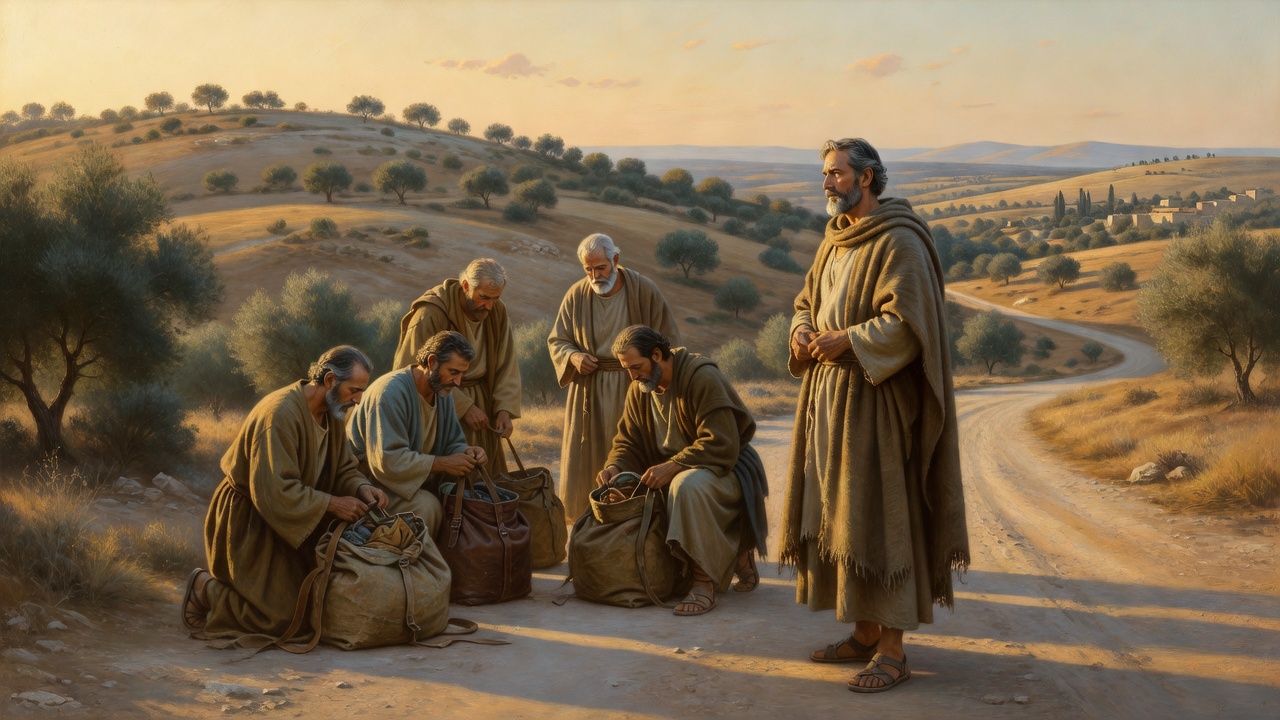
¿Sabías que…?
La esperanza de los gentiles y el camino hacia el oeste
- Pablo escribe que ha proclamado plenamente el evangelio de Cristo desde Jerusalén, dando toda la vuelta hasta Ilírico. El diccionario bíblico de Easton (1897) sitúa esa región al noroeste de Macedonia, en las costas orientales del Adriático, y la describe como entonces comprendida casi por completo en Dalmacia; dice que la recorrió en su tercer viaje misionero, que fue el distrito más lejano al que había llegado predicando, y que un viaje por Macedonia lo habría llevado hasta sus fronteras.Fuentes: el propio texto bíblico · Illyricum
- Espera ver a los creyentes de Roma de camino a España y, después de entregar en Jerusalén la contribución de Macedonia y Acaya, partir hacia España pasando por ellos. El diccionario bíblico de Easton (1897) registra esa intención, pero señala que no hay evidencia de que la haya llevado a cabo, aunque algunos piensan que probablemente lo hizo entre su primer y su segundo encarcelamiento.Fuentes: el propio texto bíblico · Spain
- Citando a Isaías, dice que la Raíz de Isaí aparecería y se levantaría para gobernar a los gentiles, y que los gentiles pondrían en él su esperanza. Isaí fue el padre de David, y el diccionario bíblico de Easton (1897) dice que la expresión raíz de Isaí se usa para el Mesías, mientras que tallo de Isaí se usa para la familia de David.Fuentes: el propio texto bíblico · Jesse
Notas escritas con ayuda de IA a partir de fuentes abiertas (Theographic Bible Metadata, CC BY-SA 4.0; Easton’s Bible Dictionary, dominio público) y revisadas antes de publicarse.
Lugares de este capítulo
- Illyricum · 43.539, 16.483 · versículo 19
- Jerusalem · 31.777, 35.234 · versículos 19, 25, 26, 27, 31
- Rome · 41.892, 12.485 · versículo 24
- Spain · Hoy: Hispania · 40.210, -4.350 · versículos 24, 28
- Achaia · 38.720, 22.540 · versículo 26
- Macedonia · 41.600, 22.540 · versículo 26
- Judea · Hoy: Judea 1 · 31.777, 35.234 · versículo 31
Solo aparecen lugares identificados con alta confianza (90 % o más según las fuentes académicas reunidas por OpenBible). Mapa de la época: DARE (Digital Atlas of the Roman Empire), CC BY 4.0; mapa actual: © colaboradores de OpenStreetMap; lugares: OpenBible.info (CC BY 4.0).
Créditos y licencia de esta traducción
Bibiri Kuyie Nnɑ́ɑǹtì Pɑ́tíri
The Holy Bible in the Ditammari language of Benin
copyright © 2001 SIM International
Language: Ditammari
Translation by: SIM
This translation text is made available to you under the
terms of the Creative Commons License: Attribution-Noncommercial-No Derivative Works.
( http://creativecommons.org/licenses/by-nc-nd/3.0/ )
In addition, you have permission to port the text to different file formats, as long as you
do not change any of the text or punctuation of the Bible.
You may share, copy, distribute, transmit, and extract portions
or quotations from this work, provided that you include the above copyright
information:
You must give Attribution to the work.
You do not sell this work for a profit.
You do not make any derivative works that change any of the actual words or punctuation of the Scriptures.
Permissions beyond the scope of this license may be
available if you contact
us with your request.
This translation is made available to you under the terms of the
Creative Commons Attribution-No Derivatives license 4.0.
You may share and redistribute this Bible translation or extracts from it in any format, provided that:
You include the above copyright and source information.
You do not make any derivative works that change any of the actual words or punctuation of the Scriptures.
Pictures included with Scriptures and other documents on this site are licensed just for use with those Scriptures and documents.
For other uses, please contact the respective copyright owners.
2022-05-31
Fuente: http://ebible.org/tbzsim/ · eBible.org