Salmos 68
Bibiri Kuyie Nnɑ́ɑǹtì Pɑ́tíri · Toca un versículo para ver sus referencias cruzadas.
Kuyie nnɑmɛ̀
1Bɛdèmbɛ̀ kóo kótì dìèmmɛ̀ Dɑfiti yɛ̀nfɛ̀.
2Kuyie nyìtɛ́ kɛ còḿmúmu,
kɛ̀ ku dootitɔbɛ̀ cìɛ́rì,
kɛ̀ ku sĩ̀mbɛ̀ cokù ku ììkɛ̀.
3Kuyukú yɛ̀nní mɛ̀ɛ̀ botí ɑ mɛ mbɛ̀ cíɛnko,
titɑnkṹǹtì yìɛ̀ri mɛ̀ɛ̀ botí muhɑ̃ɑ̃́ mmiɛkɛ,
bɛnitiyɛibɛ kpɛrɛ mɛ ndò nKuyie nyììkɛ̀.
4Bɛ̀ɛ̀ dɔ̀ɔ̀ri dɛ̀ɛ̀ sìɛ́, bɛmbɛ diwɛ̀ì diì bɛ̀ bo
kɛ̀ bɛ̀ yɑ̃̀nku Kuyie nyììkɛ̀!
Diwɛ̀ì diì bɛ̀ kɛ̀itɛ kɛ̀ bɛ̀ ti ientii.
5Ndiènnɛ̀ kɛ dɛ́úkùnkoo Kuyie nyètìrì,
tũntɛnɛ̀ kucɛ wèè kèríní yɛwɛtɛ̀ miɛkɛ nɛ̀ o sɑ̃ntɛ̀ o kpɛ́í,
weè yètìrì tu: Ti Yiɛ̀.
Nyɑ̃nkunɛ̀ o ììkɛ̀.
6Weè tu isénnìmbí cicɛ,
weè kpɑ̀ mbɛkúpobɛ̀ kpɑ̀nnì,
weè tu Kuyie nkɛ bo o cɛ̃sɑ̀ɑ̀tɛ̀ miɛkɛ.
7Kuyie nkuù duɔ̀ nsicɛ̃́ĩ bɛ̀ɛ̀ kpɑ bɛ kɔbɛ,
kuù dènnìnko tikpetíntì kɛ ti duɔ̀ ndiwɛ̀ì,
bɛ̀ɛ̀ yetɛ Kuyie nkpɛti bɛɛ̀ mɑ́ɑ̀ ɔ̃ mbo tɛdɔnkpetɛ̀.
8Kuyie nhɑ do ni dìì mɔ̀nnì ɑ kɔbɛ,
ɑ do kérí dìì mɔ̀nnì dikpɑ́ɑ̀ cuokɛ̀,
9kɛtenkɛ̀ do sɑ̃ntimu,
kɛ̀ mɛniɛ ncuutiní fɔ̃́ nKuyie nhɑ ììkɛ̀,
fɔ̃́ nKuyie nkùù do kɔ̀tɛní Sinɑii tɑ̃rì kɛ́bɛnkɛ ɑmɑ́ɑ̀ ɑ kɔbɛ,
Kuyie nyIsidɑyɛɛribɛ tũ nkù.
10Kuyie nfɔ̃́ɔ̃̀ cṹũnní fɛtɑsɑ̀ɑ̀fɛ̀,
fɔ̃́ɔ̃̀ bónkùnnɛ ɑ tenkɛ̀ kɛ̀ɛ̀ do cĩ̀tɛ.
11Dɛndɛ ɑ nìtìbɛ̀ bomɛ̀,
Ti Yiɛ̀ nKuyie nfɔ̃́ɔ̃̀ dɛ̀ mbɛ̀ kɑ̀nnɛ ɑ sɑ̀ɑ̀ nkpɛ́í,
fɔ̃́ɔ̃̀ tũ̀ntɛ dɛ kó dikɑ̀rì bɛsénnìbɛ̀ kpɛ́í.
12Ti Yiɛ̀ nKuyie nkuù duɔ́ ndinùù ku nɑ́ɑǹtì kpɛ́í,
bɛ̀ɛ̀ tì pitírí kɛ̀ bɛ tĩ̀nnì sũ.
13Ti dootitɔbɛ̀ bɛkpɑ̀ɑ̀tìbɛ̀ nɛ̀ bɛ kó bɛhɑ̃ɑ̃pɔ̀mbɛ̀ bɛ̀ u yɛtɑ̀rɛ̀ nyɛ,
kɛ̀ bɛnitipòbɛ̀ ɛí dɛ̀ɛ̀ bo bɛ cɛ̃́ĩ kɛ totí.
14Di yó mbo di kɑrɛ̀ nyɛɑ̀?
Dikpɛtìnɔ́nkperi fìɛ̀ti dɑ̀ri mɛsɔɔ mpɛímɛ̀ mmɛ,
kɛ̀ di cìtì dɑ̀ri mɛsɔɔ nwũɔ̃mɛ̀.
15Ti Yiɛ̀ nKuyie Mpɑkɛdɑɑ yóó cíɛ ndìì mɔ̀nnì bɛkpɑ̀ɑ̀tìbɛ̀,
kɛ̀ mupɑ̃̀ɑ̃ mboomu muù dɑ̀ɑ́tí ditɑ̃rì Sɑdimɔɔ.
16Fɔ̃́ nKuyie nkó ditɑ̃rì,
fɔ̃́ mBɑsɑ̃ɑ̃ tɑ̃rì,
fɔ̃́ nditɑ̃rì dìì yómmɛ̀ sũ,
fɔ̃́ mBɑsɑ̃ɑ̃ tɑ̃rì.
17Yɛtɑ̃rɛ̀ yɛ̀ɛ̀ yómmɛ̀ sũ,
bɑ nte kɛ̀ dɛ̀ di yóu Kuyie ntɑ̃ɑ̃tɛ́ dìì tɑ̃rì kpɛ́í,
kù bomu di ĩ́nkɛ̀ kɛ yó mbo sɑ̃́ɑ̃̀,
kù yó ndɛ̀ bomu sɑ̃́ɑ̃̀.
18Kuyie nkpɑ̀rìsɛ̃ĩ́ bo sikɔupí sikɔupí nsi,
kù do si nkɔ̀tɛnɛ̀ní Sinɑii ditɑ̃sɑ̀ɑ̀rì.
19A dèkɛ kɛĩ́nkɛ̀ nkɛ,
kɛ nɛínɛ̀ní tidɑɑtì,
kɛ̀ bɛnìtìbɛ̀ dɑ pɑ̃mmú yɛpɑ̃rɛ̀,
bɑ́ bɛ̀ɛ̀ do yetírí ɑ kpɛti kɛ̀ bɛ̀ dɑ bɔ̀útɛ́,
kɛ dò nkɛ́ mbo ɑ borɛ̀ fɔ̃́ nti Yiɛ̀ nKuyie.
20Ti nsɑ̃ntí Kuyie nyɛwe yɛmɔu,
kuù dɑ̀kɛ ti kpɛ́í,
kuù tu ti dɛɛtíwè.
21Kuyie nkuù tu ti dɛɛtíwè,
kuù yɛ̃́ kù bo yĩmɛ̀ kɛ́ tí dɛɛtɛ́nɛ̀ mukṹṹ.
22Kuyie mmɛ̀nkɛ yóó pɔntɛmu ku dootitɔbɛ̀ yɔ,
kɛ́pɔntɛ onitikɔ̀ùtì yuu nɛ̀ tiyùtì.
23Kuyie mbɛ́immu kɛ tú kù bo cṹũnní ɑ dootitɔbɛ̀ bɛ̀ɛ̀ bo Bɑsɑ̃ɑ̃ tɑ̃rì,
kɛ́dennɛní bɛ̀ɛ̀ bo dɑ̀mɛ́ɛ̀rì fũ̀ɔ̃̀.
24Kɛ̀ dɛ̀ bo yie nkɑ̀ɑ nɑɑ̀cɛ̀i mbonti bɛ yĩ̀ĩ̀,
kɑ̀ɑ kó simɔɔ́ bɛ̀ pɛ̀tɛ́ kɛ́cɑ́ɑ́kɛ́.
25Kuyie nhɑ ɔ̃ɔ̃ kpɑ nkɛ́nɑ kɛ́nkũntiní,
kɛ̀ bɛnìtìbɛ̀ wùómmu ɑ kpɑ̀rìnɑfɛ ɑ cɛ̃sɑ̀ɑ̀tɛ̀ miɛkɛ,
fɔ̃́ nKuyie nkùù n te,
fɔ̃́ n kóo kpɑ̀ɑ̀tì.
26Kɛ̀ bɛdèmbɛ̀ ni dɛyììkɛ̀ kɛ̀ bɛsɑpɑ̀mbɛ̀ sokɛ́ dɛcuokɛ̀ kɛ bie nsibéí,
bɛ̀ɛ̀ bie ntikùtìdùùtì kɛ̀ bɛ̀ tũ.
27Nsɑ̃ntínɛ̀ Kuyie nditĩ̀nnì cuokɛ̀,
nsɑ̃ntínɛ̀ ti Yiɛ̀ nKuyie ndíndi Isidɑyɛɛri yɑɑ̀bí.
28Bɛnsɑmɛɛ tɛbíyɑ̃ɑ̃tɛ̀ tɛɛ̀ di ni,
kɛ̀ Sudɑɑ kó bɛkpɑ̀ɑ̀tìbɛ̀ nɛ̀ bɛ kó yɛtĩ̀rɛ̀
nɛ̀ Sɑbunɔɔ kɔbɛ nɛ̀ Nɛfutɑdii kɔbɛ kɛ̀ bɛ̀ tũ̀nní.
29Kuyie nkùù di te díndi Isidɑyɛɛribɛ kuù yɛ̃ ndí nkpeńnì.
Kuyie ndɔɔ̀ kɛ́fíí nhɑ dɔ̀ɔ̀ dɛ̀ ti kpɛ́í.
30A bo ɑ cĩ́ɛ̃̀tɛ̀ ntɛ,
kɛ bɑkɛ́ Sedisɑdɛmmu,
kɛ̀ bɛkpɑ̀ɑ̀tìbɛ̀ dɑ pɑ̃ɑ̃ nyɛpɑ̃rɛ̀.
31Kpɑnnɛ̀ musĩ̀mmù tipèntì kɔ̃mu,
kɛ́kpɑnnɛ̀ yɛbotɛ̀ yɛ̀ɛ̀ dònnɛ̀ yɛnɑɑdɑkɛ̀ nɛ̀ tinɑɑbiiti,
kɛ̀ dɛ̀ɛ nínkú ɑ ììkɛ̀ kɛ́ ndɑ pɑ̃ɑ̃ ntimɑ́tì pɛ́ítì.
Cíɛ nyɛbotɛ̀ yɛ̀ɛ̀ nɔnnɛ̀ yɛkpɑ̀rɛ̀.
32Bɛnitidiɛbɛ̀ yìɛ̀ní Esibiti nwe,
kɛ̀ Etiopii kɔbɛ cokòo Kuyie mborɛ̀ kɛ yuo bɛ nɔu.
33Kɛtenkɛ̀ kó bɛkpɑ̀ɑ̀tìbɛ̀, ndiènnɛ̀ kɛ sɑ̃ntí Kuyie,
ndɛ́úkùnkonɛ̀ ti Yiɛ̀ nKuyie nyètìrì.
34Wèè cutiní kɛĩ́nkɛ̀ kɛ̀ɛ̀ bo nɛ̀ dimɔ̀nnì nɛ̀ o sɑ̃ntɛ̀,
weè pɛ́u mɛtɑnkperímɛ̀.
35Bɑntɛ́nɛ̀ Kuyie nkpeńnìmɛ̀,
kuù kpɑ̀ɑtirì Isidɑyɛɛribɛ,
ku wɛ̃rímú bo yɛwɛtɛ̀ miɛkɛ nkɛ.
36Kuyie mbɛnkúmu kù kpeńnìmɛ̀ ku cɛ̃sɑ̀ɑ̀tɛ̀ miɛkɛ,
Kuyie nyIsidɑyɛɛribɛ tũ nkù kuù duɔ̀ nku kɔbɛ muwɛ̃rímú,
kuù te kɛ̀ bɛ̀ nɔ.
Ku yètìrì ndɛu.
¿Sabías que…?
El Dios Victorioso de Israel
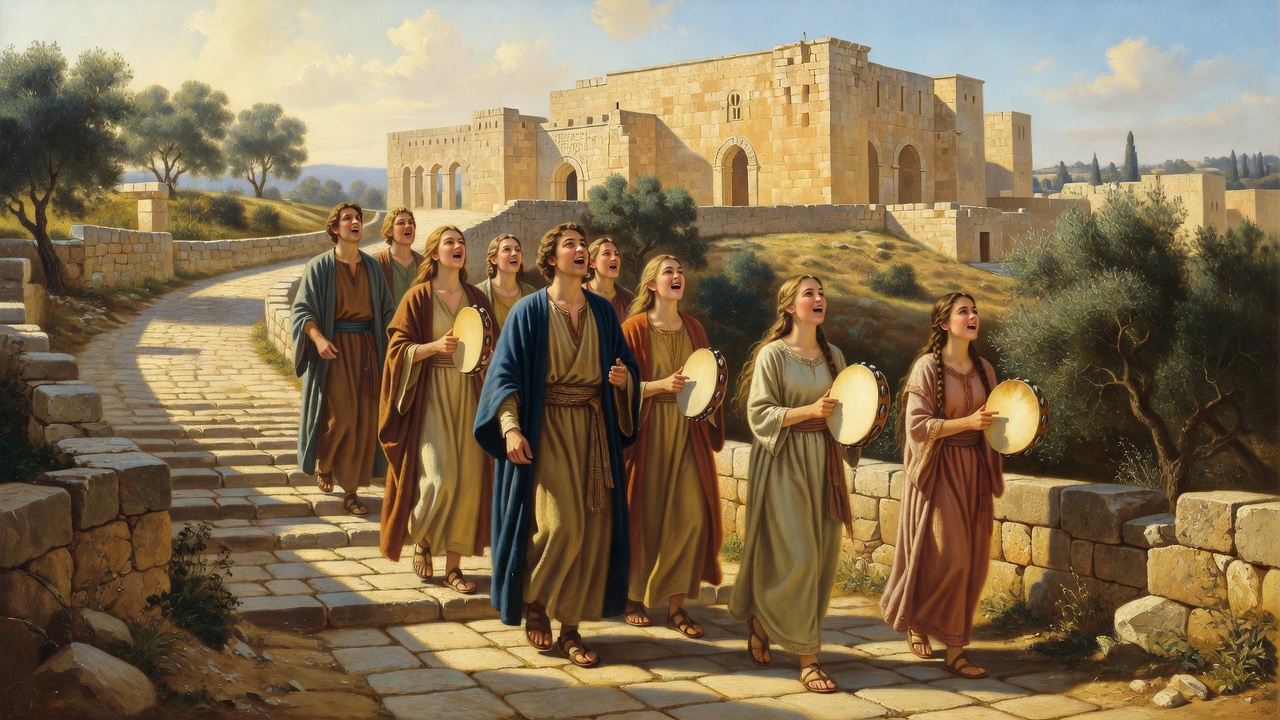
- El salmo describe una gran procesión festiva hacia el santuario, encabezada por cantores, músicos y jóvenes que tocan panderos. Representantes tanto de tribos del sur, como el pequeño Benjamín y Judá, como del norte, como Zabulón y Neftalí, se unen en la celebración.Fuentes: el propio texto bíblico · Benjamin (patriarch) · Zebulun · Naphtali
- El texto contrasta el imponente monte de Basán, con sus múltiples cumbres, con el monte que Dios eligió para Su morada en Jerusalén. También compara la dispersión de los reyes derrotados por la tierra con la nieve que cae sobre Salmón, un monte boscoso cerca de Siquem.Fuentes: el propio texto bíblico · Bashan · Zalmon · Jerusalem
- Más allá de Israel, el salmo prevé que las naciones extranjeras se someterán y llevarán tributos a Jerusalén. Menciona expresamente la llegada de emisarios desde Egipto y de la tierra de Cus, al sur, extendiendo sus manos hacia Dios.Fuentes: el propio texto bíblico · Egypt · Cush · Jerusalem
Notas escritas con ayuda de IA a partir de fuentes abiertas (Theographic Bible Metadata, CC BY-SA 4.0; Easton’s Bible Dictionary, dominio público) y revisadas antes de publicarse.
Lugares de este capítulo
- Egypt · 30.129, 31.308 · versículos 7, 31
- Mount Bashan · Hoy: Jebel Druze · 32.667, 36.733 · versículo 15
- Mount Zion · 31.772, 35.229 · versículo 16
- Holy Place · Hoy: on Mount Moriah · 31.778, 35.236 · versículo 17
- Bashan · 32.781, 35.935 · versículo 22
- Jerusalem · 31.777, 35.234 · versículo 29
- Cush · Hoy: Cush 1 · 16.935, 33.751 · versículo 31
Solo aparecen lugares identificados con alta confianza (90 % o más según las fuentes académicas reunidas por OpenBible). Mapa de la época: DARE (Digital Atlas of the Roman Empire), CC BY 4.0; mapa actual: © colaboradores de OpenStreetMap; lugares: OpenBible.info (CC BY 4.0).
Créditos y licencia de esta traducción
Bibiri Kuyie Nnɑ́ɑǹtì Pɑ́tíri
The Holy Bible in the Ditammari language of Benin
copyright © 2001 SIM International
Language: Ditammari
Translation by: SIM
This translation text is made available to you under the
terms of the Creative Commons License: Attribution-Noncommercial-No Derivative Works.
( http://creativecommons.org/licenses/by-nc-nd/3.0/ )
In addition, you have permission to port the text to different file formats, as long as you
do not change any of the text or punctuation of the Bible.
You may share, copy, distribute, transmit, and extract portions
or quotations from this work, provided that you include the above copyright
information:
You must give Attribution to the work.
You do not sell this work for a profit.
You do not make any derivative works that change any of the actual words or punctuation of the Scriptures.
Permissions beyond the scope of this license may be
available if you contact
us with your request.
This translation is made available to you under the terms of the
Creative Commons Attribution-No Derivatives license 4.0.
You may share and redistribute this Bible translation or extracts from it in any format, provided that:
You include the above copyright and source information.
You do not make any derivative works that change any of the actual words or punctuation of the Scriptures.
Pictures included with Scriptures and other documents on this site are licensed just for use with those Scriptures and documents.
For other uses, please contact the respective copyright owners.
2022-05-31
Fuente: http://ebible.org/tbzsim/ · eBible.org