Salmos 58
Bibiri Kuyie Nnɑ́ɑǹtì Pɑ́tíri · Toca un versículo para ver sus referencias cruzadas.
Kuyie mbomɛ̀ kutenkù kɛ bekù
1Bɛdèmbɛ̀ kóo kótì dìèmmɛ̀ Dɑfiti yɛ̀nfɛ̀ nɛ̀ mɛtɑmmɛ̀ mɛ̀ɛ̀ tu: Á bɑ́ɑ́ kuɔ.
2Bɛkpɑ̀ɑ̀tìbɛ̀ di bekù bɑkɛ weti weti nweɑ̀?
Bɛ̀ bekùnɛ̀ miɛ̀ mmɛ bɛnìtìbɑ̀ɑ̀?
3Di dɔɔri dɛ̀ɛ̀ í wenni kɛ yɛ̃́mu,
díì píɛ mmɛyɛi ndihɛì.
4Oyɛiwe tú oyɛiwe nwe nɛ̀ o yɔ̃ pɔutì miɛkɛ,
kɛ̀ siyɑ́ɑ̀bìsí yiɛ̀ nfeti nɛ̀ bɛ̀ ò pɛinímɛ̀.
5Bɛ̀ mɔ̀kɛ mɛdɑutidɔ̀mmɛ̀ mmɛ,
kɛ dɔɔri kɛ dò ndiwɑɑ̀hɔ̃̀nnì,
6dìì í yo owɑɑ̀pĩ́ntì tɑmmɛ̀,
kɛ í yo oteteu diɛwè nɑ́ɑǹtì.
7Kuyie, mbɔ́kɛ́ bɛ nìì,
bɔ́kɛ́ yɛcìrícìrìnìì mbɛ̀ mɔ̀kɛ yɛ̀.
8Kɛ̀ bɛ̀ɛ pɛ̃ɛ̃tóo mɛniɛ nhɔ̃ɔ̃ pɔ̃ntɛ́ mmɛ̀ɛ̀ botí,
kɛ̀ bɛ̀ ntɑ̃ũ bɛ pie mbɑ́ ì bɑ́ɑ́ dɔ̀ɔ̀ dɛ̀mɑrɛ̀.
9Bɛ̀ɛ nɑɑ́nnɛ̀ tidɑ̀tìkonkontì,
tìì fũrì kɛ̀ ti ɑmmɛ̀ dèu,
bɛ̀ ndò mbɛ̀ pɛitɛ́ wè ocírì kòò í yɑ̀ diyiè.
10Bɛ po yó nkpɑɑ́ kɛ mu nyí yɛ̀ tifɑ̃ɑ̃̀tì,
kɛ̀ tɛfɔ̀dɔ́ntɛ̀ɛ ì tùótɛ́mu,
kɛ̀ dɛ̀ sɔ̃́ nyì sũ̀ tɛ̀ɛ ì tùótɛ́.
11Osɑ̀ù bo yɑ̀ Kuyie mpɛ̀itɛmɛ̀ kɛ̀ dɛ̀ɛ ò nɑrikɛ mɛdiɛ̀,
kòo ɔ́ú o nɑɑ̀cɛ̀i bɛ yĩ̀ĩ̀ mmiɛkɛ.
12Kɛ̀ bɛnìtìbɛ̀ɛ dɛ̀ yɑ̀ kɛ dɔ̀:
Kuyie mmɛ̀nkɛ yietìmu osɑ̀ù,
bɛ̀ bo yĩ́ Kuyie mmɛ̀nkɛ bomu kɛtenkɛ̀ kɛ bekù.
¿Sabías que…?
Salmo 58: Juicio sobre jueces corruptos
- El salmo se presenta en su encabezado como un 'Mictam de David', con la tonada de 'No destruyas', e inicia confrontando a los gobernantes corruptos que traman injusticias en su corazón y reparten violencia.Fuentes: el propio texto bíblico
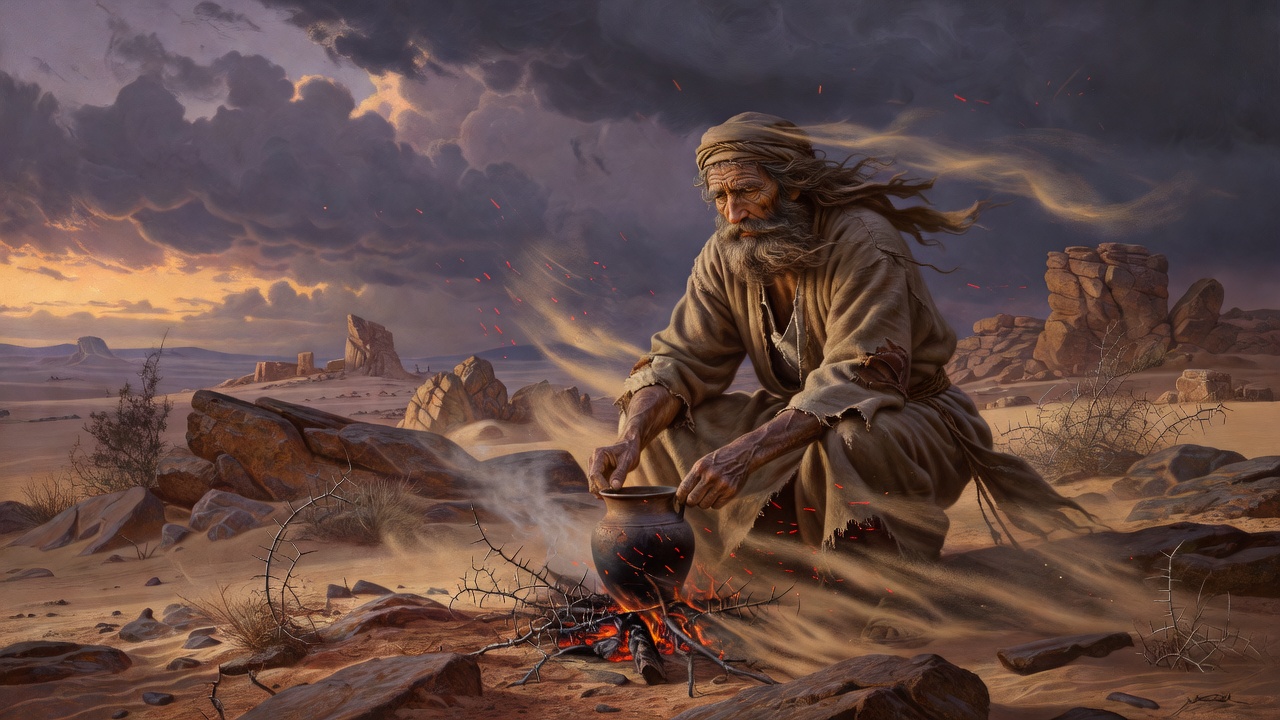
- El autor ilustra la terquedad y la rápida desaparición de los malvados mediante metáforas vívidas de la naturaleza, comparándolos con una cobra sorda que ignora al encantador, una babosa que se disuelve a su paso y ollas arrebatadas antes de que las zarzas encendidas puedan calentarlas.Fuentes: el propio texto bíblico
- El salmo concluye con la certeza de que el juicio divino contra los injustos vindica a los rectos, demostrando a la humanidad que ciertamente hay un Dios que juzga la tierra.Fuentes: el propio texto bíblico
Notas escritas con ayuda de IA a partir de fuentes abiertas (Theographic Bible Metadata, CC BY-SA 4.0; Easton’s Bible Dictionary, dominio público) y revisadas antes de publicarse.
Créditos y licencia de esta traducción
Bibiri Kuyie Nnɑ́ɑǹtì Pɑ́tíri
The Holy Bible in the Ditammari language of Benin
copyright © 2001 SIM International
Language: Ditammari
Translation by: SIM
This translation text is made available to you under the
terms of the Creative Commons License: Attribution-Noncommercial-No Derivative Works.
( http://creativecommons.org/licenses/by-nc-nd/3.0/ )
In addition, you have permission to port the text to different file formats, as long as you
do not change any of the text or punctuation of the Bible.
You may share, copy, distribute, transmit, and extract portions
or quotations from this work, provided that you include the above copyright
information:
You must give Attribution to the work.
You do not sell this work for a profit.
You do not make any derivative works that change any of the actual words or punctuation of the Scriptures.
Permissions beyond the scope of this license may be
available if you contact
us with your request.
This translation is made available to you under the terms of the
Creative Commons Attribution-No Derivatives license 4.0.
You may share and redistribute this Bible translation or extracts from it in any format, provided that:
You include the above copyright and source information.
You do not make any derivative works that change any of the actual words or punctuation of the Scriptures.
Pictures included with Scriptures and other documents on this site are licensed just for use with those Scriptures and documents.
For other uses, please contact the respective copyright owners.
2022-05-31
Fuente: http://ebible.org/tbzsim/ · eBible.org